






Running a gallery is a tricky enough task. Add to that an active art practice, and you have what might seem like a recipe for creative overload.
Yet around the world, artist-run galleries have been flourishing for years. Their programming and client relationships are often strengthened by the unique experience of having someone at the helm who’s navigated the art world system from an artist’s perspective.
Whether platforming overlooked talent in underserved neighborhoods in Thailand or building a tight-knit community of repeat visitors around an annual summer show on a Greek island—or simply navigating experimental formats in major art cities like Berlin and New York—we’ve selected 10 artist-run galleries with vastly different approaches to operating a space.
Taken together, they’re united in their commitment to providing a level of care and support to artists that they themselves often haven’t experienced in their careers.
Escat Gallery
Based in Barcelona
Founded by: Pau Escat

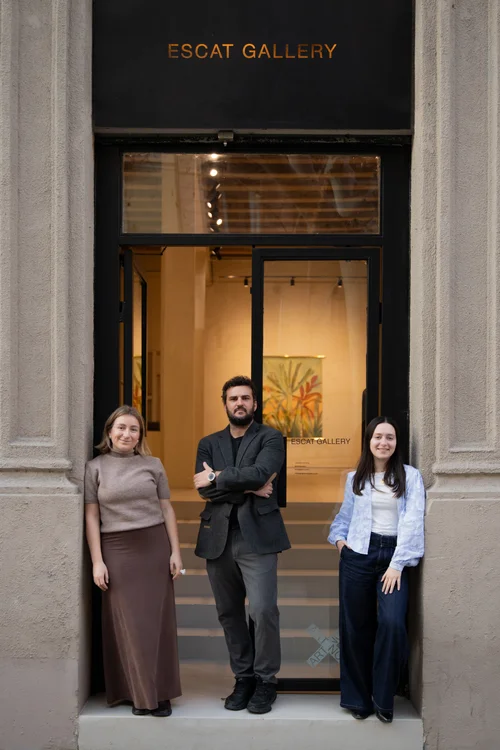
Before launching his namesake gallery, artist Pau Escat got his start running the pandemic-era creative space Casa Studio Granados alongside his artist wife, Alicia Gimeno. When that project evolved into a more formal operation in 2024, Escat quickly established himself as a solid presence in Barcelona’s gallery scene.
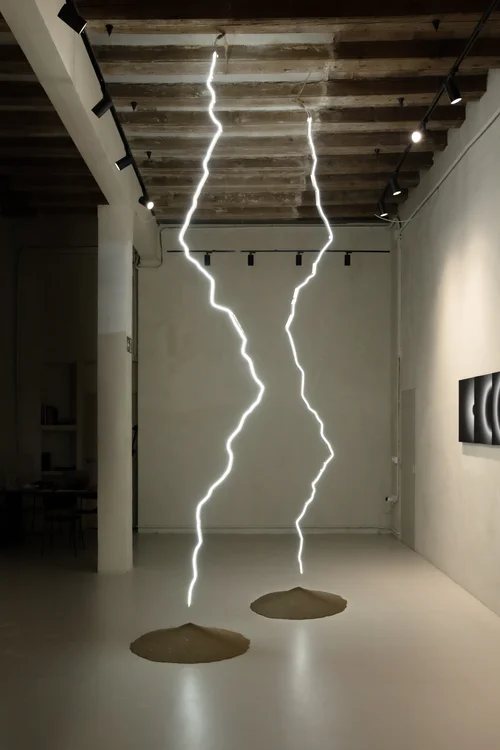
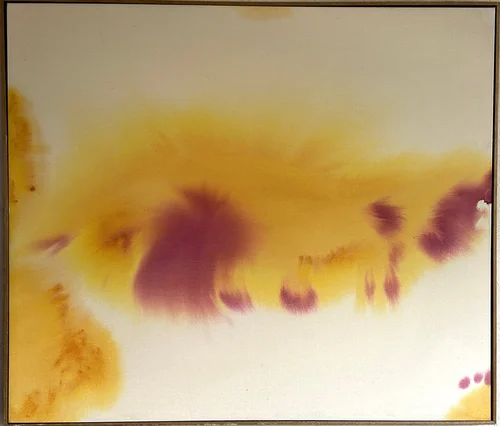
Now spanning three distinct locations, Escat Gallery includes a main space in Trafalgar, southwest Spain, an experimental offshoot in Sarrià (in Barcelona), and Lab Studio, a private research residency in Mahón, Menorca. There, one artist is invited each year for a slower and more concentrated engagement with their practice. Previous residents have included German painter Moritz Berg and, most recently, the Argentine abstract artist Tete Alurralde.

Aurora, 2025
Tete Alurralde
Escat Gallery
This long-term approach to care and development traces back to Escat’s own artistic background, yet the founder and director balances care with the commercial reality of running a gallery.
“There are moments where pragmatic decisions have to be made—often precisely those that my earlier ‘artist self’ would have questioned,” he told Artsy. “I don’t think that tension needs to be resolved. If anything, it’s important that it remains active. Escat exists, in part, within that negotiation.”
The Charoen AArt
Based in Bangkok
Founded by: Bryce Watanasoponwong
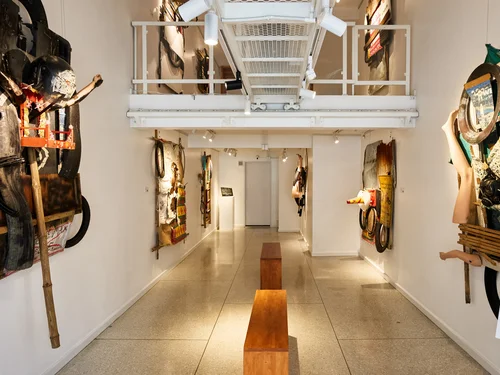

Occupying a former home on Charoen Krung Road—the first modern roadway in Thailand— in Bang Kho Laem, The Charoen AArt is embedded in one of Bangkok’s oldest neighborhoods, in a part of the city where access to art remains uneven.
For founder and street photographer Bryce Watanasoponwong, the distance from Bangkok’s thriving gallery circuit is a feature, not a flaw. “Getting here takes time, and the building carries its own history, so the journey and the house become part of how people encounter the work,” he told Artsy.


Lens of Emotion, 2024
Bryce Watanasoponwong
The Charoen AArt
That ethos extends to the programming. Shows like Illya Skubak’s “STRATUM,” which used discarded urban materials and fragments to speak to survival and resilience without relying on familiar images of Thai identity, typifies Watanasoponwong’s approach. “I do it because I care about what it carries, and how it might quietly reach someone standing in front of it,” he said.
Since opening its doors in 2024, the audience that gathers there is small but dedicated—one that “grows gradually, one visit, one conversation, and one moment of recognition at a time.”
Queens Park Railway Club
Based in Glasgow
Founded by: Patrick Jameson and Ellis Luxemburg
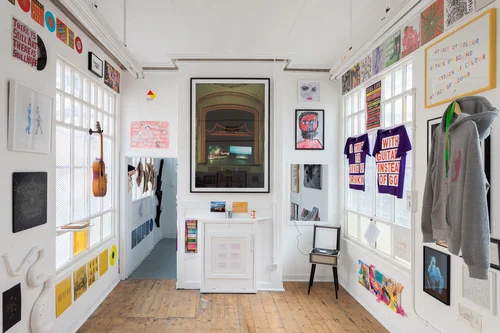

Occupying the former ticket office and waiting rooms of the active Queens Park train platform in Glasgow for more than a decade, Queens Park Railway Club (QPRC) is as unorthodox a gallery as they come.
Co-founders Patrick Jameson and Ellis Luxemburg both emerged from the city’s artist-run gallery scene—Jameson through the artist-led exhibition space Glasgow Project Room, Luxemburg through Haunt, an open-air space down an alleyway in Trongate.
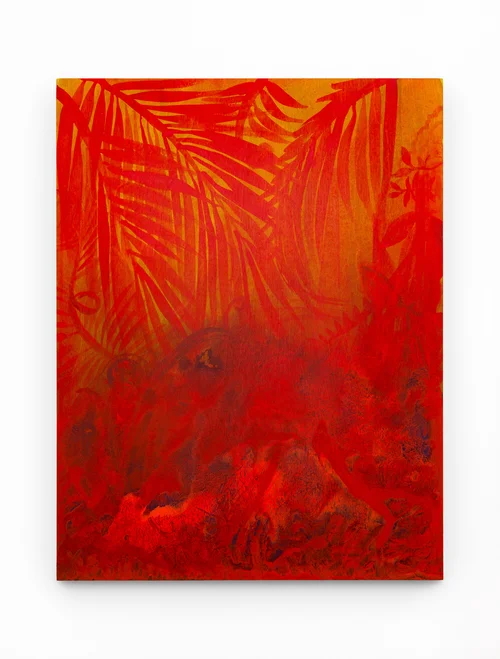

Burning palms, 2024
Patrick Jameson
Queens Park Railway Club
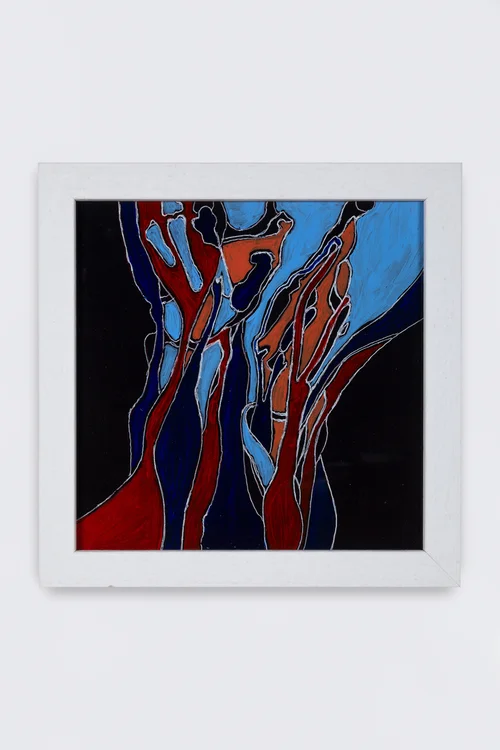
City of the future, 2005
Sam Ainsley
Queens Park Railway Club
“That experience and the skills you develop doing that are very much manifested in what we do now,” Jameson told Artsy. The duo has leaned into QPRC’s very public location: a memorable Rob Kennedy exhibition in 2013 that transformed the gallery into a live radio station, with music and spoken word poetry broadcast on the platform during rush hour.
Though once “a wee bit off the beaten track for the Glasgow gallery circuit,” the area has since filled with artists and gallerists, turning the QPRC into one thread in a larger communal tapestry in the city’s art scene.
Rancho Kaya
Based in Mykonos
Founded by: Alexander Mignot and Tzima Dimitra Tsitampani
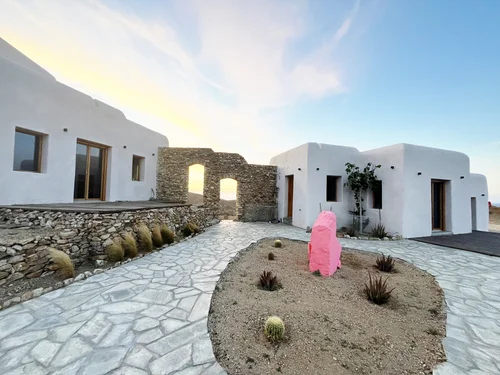
“At the end of the day, Rancho Kaya is not a gallery; it’s our home,” explained Alexander Mignot, the artist and painter behind the Mykonos-based nonprofit art initiative. His words aren’t hyperbole. Mignot and his wife, Tzima Dimitra Tsitampani—an architect who helped design the space—spent four years constructing Rancho Kaya before opening it as an experimental model in artistic community-building.
Once per summer, Mignot’s studio becomes the site of a sprawling group show drawing an invite-only crowd of repeat visitors and international artists—a deliberate counterpoint to the transient, party-centric atmosphere that overtakes Mykonos, Greece, each summer.
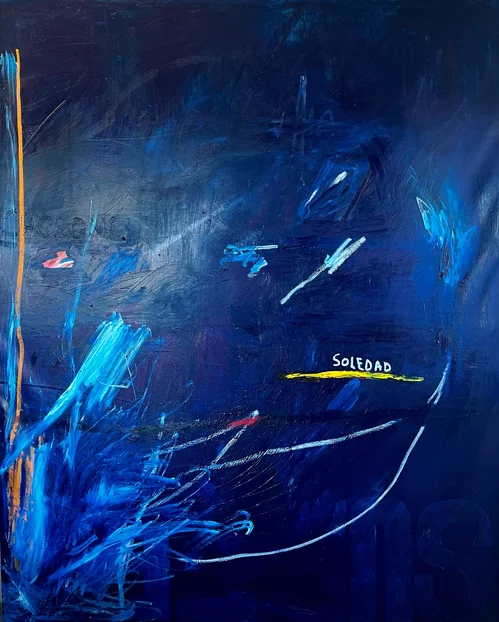

La Soledad del Mar, 2023
Alexander Mignot
Rancho Kaya
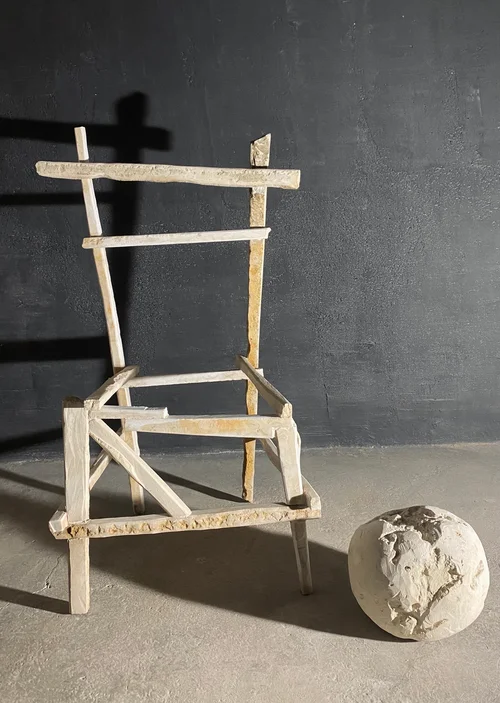

Hermanas, 2024
Ivan Daniel Cova
Rancho Kaya
It’s a novel concept that favors something far more domestic. The invited artists become houseguests, having breakfast together, cooking in the kitchen, and spending time with Mignot’s family as they work on the show. Previous exhibitions have included works by Venezuelan street artist Harif Guzman and American painter Magnus Sodamin.
“The relationships we built with the artists become friendships, not business,” Mignot said. “We don’t see [Rancho Kaya] as just a house, but as a sculpture that changes and transforms over time with every artist who comes through it.”
Chilli Gallery
Based in London
Founded by: Aubrey Higgin
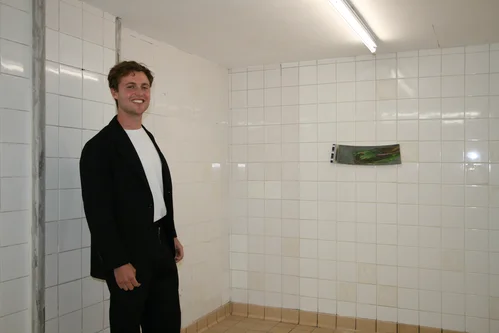
In London’s Chalk Farm neighborhood, Chilli Gallery stands out. Occupying a former Japanese restaurant just steps from an underground station, it’s defined by a DIY spirit and a collaborative approach to programming, informed by the active artistic practices of founder Aubrey Higgin and assistant director Max Rumbol.
“Artists are more willing to give us a chance as a gallery, knowing that we have been in their shoes and have a deep interest in their work beyond the business side of things,” Rumbol told Artsy. “It’s more just a bunch of artists working together on a vision for the overall show, putting that front and center.”
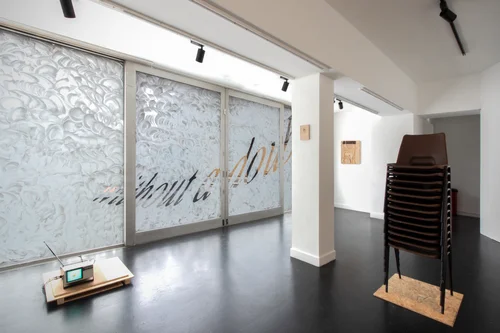
Chilli features a tiled kitchen-turned-exhibition space in the basement, plus a ground-floor room with street-facing windows. The gallery draws a genuinely mixed crowd that isn’t afraid to give refreshingly honest feedback.
“Hearing a non-art audience give their ‘unfiltered’ take—good or bad—is one of the best parts,” Rumbol said. “Their perspectives are often way more refreshing than what you hear in the usual art circles.”
Dotted Line LA
Based in Los Angeles
Founded by: Margaux Rocher
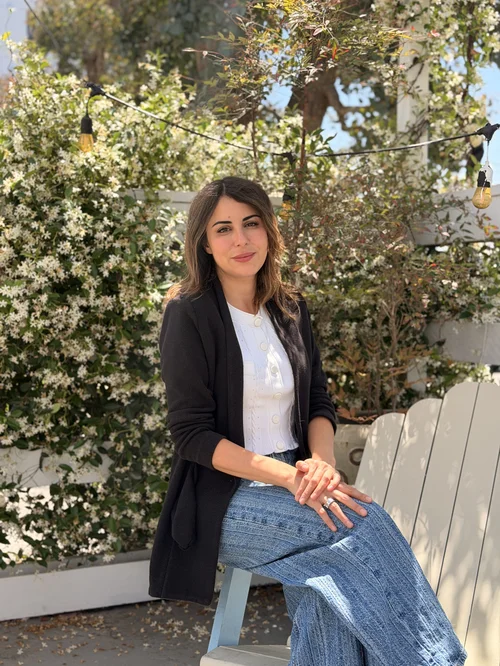

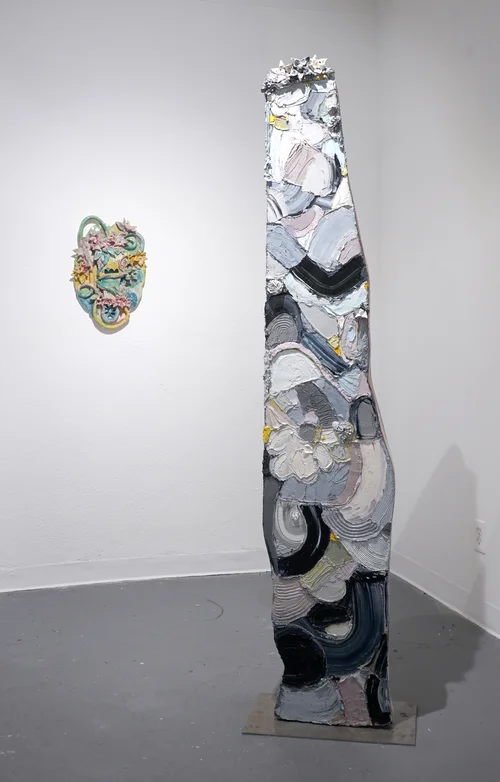

Opened this past February in Inglewood’s Beacon Arts Building—a longtime creative hub for local artists—Dotted Line LA is the project of French sculptor and painter Margaux Rocher, whose ties to the neighborhood led her to the gallery’s assistant curator, Jacob Barr. With Dotted Line LA, Rocher aims to create a space that explores the full artistic process, moving beyond showing only the finished work.
In practice, this has meant that artists like Dena Novak—who was in the inaugural exhibition—are free to teach an impasto painting course that deepens participants’ understanding of her technique.
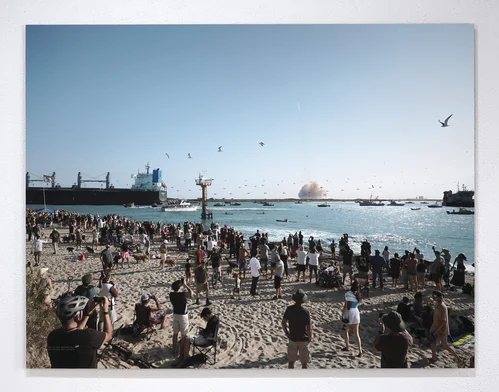

Of Course, Still Here #5, 2026
Zengyi Zhao
Dotted Line LA
“As the space finds its footing, we’ll keep following the artists’ lead,” Rocher told Artsy. “They know what they want to transmit; our role is to create the conditions for that to happen.”
This exploratory approach to running the space has also been a boon for Rocher’s own interdisciplinary practice: “Being a person who brings art and people together has opened my eyes to a 360-degree view of the world of art and exhibitions,” she said. “I experience art from every angle: writing, curating, shaping space, programming, and the dialogue with artists. All of it feeds back to its source: artmaking.”
BBA Gallery
Based in Berlin
Founded by: Renata Kudlacek and Vishal Shah
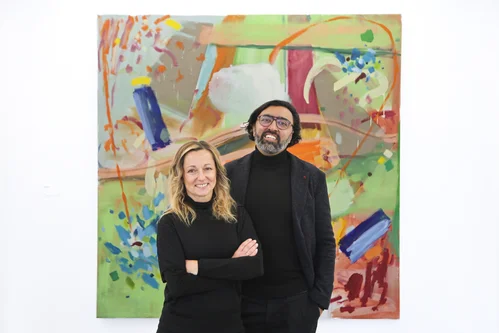
“Building BBA over the last decade hasn’t been a linear path; it has been a 10-year experiment,” noted Renata Kudlacek, the gallery’s co-founder. Kudlacek launched the gallery with Vishal Shah, a fellow artist and Royal College of Art alumnus, in 2015. The duo describes the gallery’s mission as “art over background,” prioritizing the urgency of a message over market logic.
Central to this mission is the BBA Prizes, open calls for art and photography inspired in part by the duo’s own experience as working artists. “We know how rare it is to be discovered and how even fewer artists can actually sustain a living from their work,” Kudlacek told Artsy. “Our goal is to break the painful barriers of the market and give talented, passionate artists the nurture and visibility they need to reach a turning point in their careers.” Previous recipients of the prize have included photographers Luca Ortis, Pierre-Yves Cruaud, and, in 2025, Taiwanese artist Chung-Kun Wang.
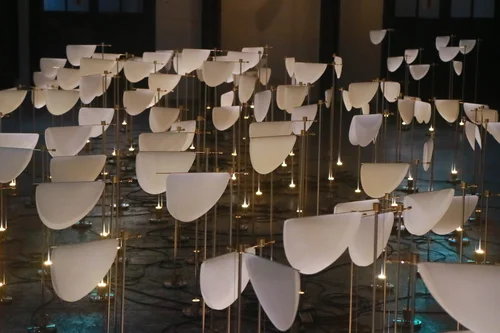
Field -2023, 2023
Chung-Kun Wang
BBA Gallery
Operating amid Berlin’s tumultuous cultural climate has only sharpened their conviction. “It is a constant challenge to find sponsors in this climate,” Kudlacek said. “When the local government stops prioritizing culture, the smaller, independent spaces and emerging artists suffer first.”
Stanek Gallery
Based in Philadelphia and Miami
Founded by: Katherine Stanek
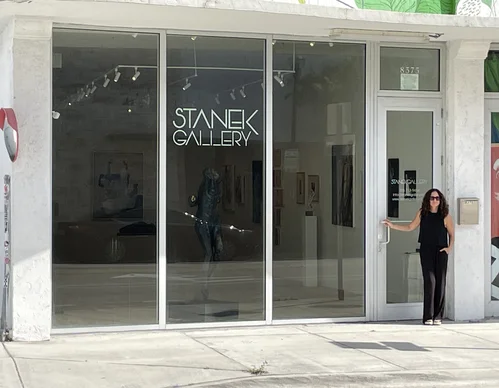

Founded partly in response to the closure of local Philly stronghold Rosenfeld Gallery in 2016, Stanek Gallery was built not on a traditional model, but on a diagnosis of what the city’s art scene was missing.
“Opening a gallery using a traditional structure did not make sense to me,” founder and figurative sculptor Katherine Stanek told Artsy. “There was already plenty of that in the city, and much of it was falling short.”
A decade on, the gallery’s success has exceeded her expectations. “Stanek Gallery is not what I originally imagined,” she said. “It’s stronger, more responsive, and ultimately more impactful.”
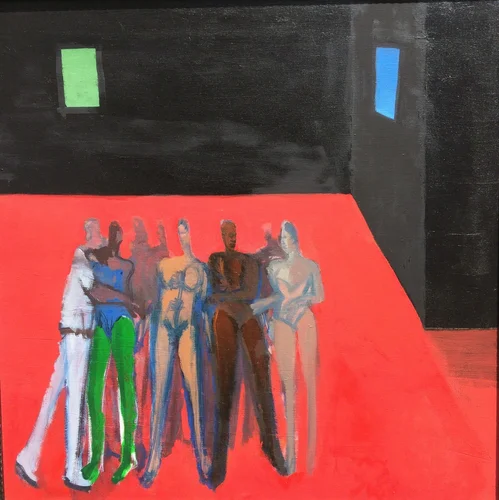

Room Full of Mirrors, ca. 2010
James Brantley
Stanek Gallery
Central to its survival during the pandemic, for instance, was the Master Artist Series, launched to provide a platform for underrepresented artists whose community influence had outpaced their market recognition—including printmaker John Dowell and painter James Brantley.
The program was inspired, in part, by Stanek’s own experience: “As an artist who studied with several of the Master Artists in the program, I was directly influenced by their example. The goal was to share those stories so other artists could benefit in the same way I did, while also reminding collectors of the importance, influence, and quality of these artists’ work.”
Uncool Gallery
Based in New York City
Founded by: Carolina Paz

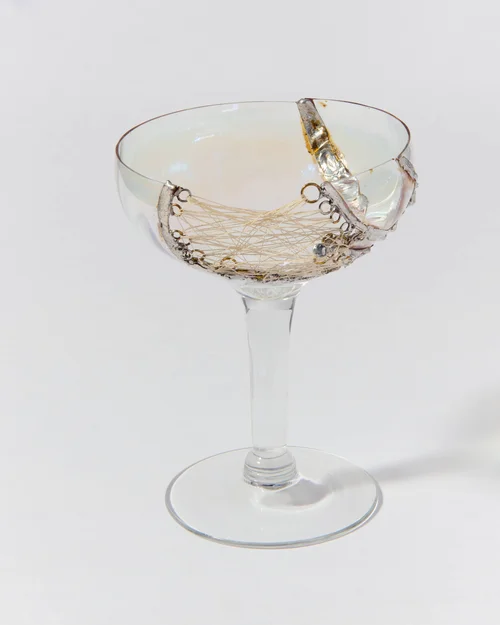

This Was When It Started, 2025
Paige Mostowy
Uncool Gallery
When Uncool Gallery opened in 2024, it began as a genuine experiment in collective ownership: its founding board of over 10 artists shaped the gallery’s vision, positioning, and partnerships. But it has since dissolved as the costs and overhead of maintaining this structure proved too much to bear.
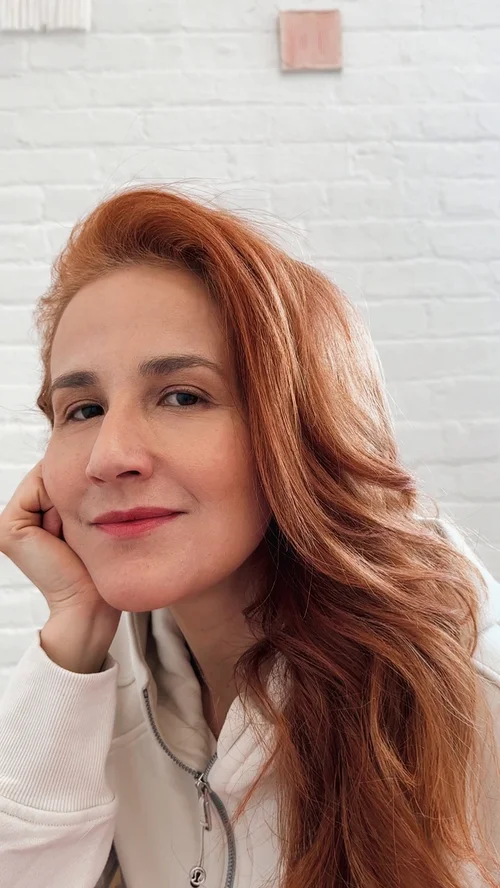
This rocky beginning proved instructive for the gallery’s founder and director, Carolina Paz: “Uncool Gallery is a living thing,” she told Artsy. “The format is adaptable and has changed from its inception, but the level of commitment and collaboration remains the same.”
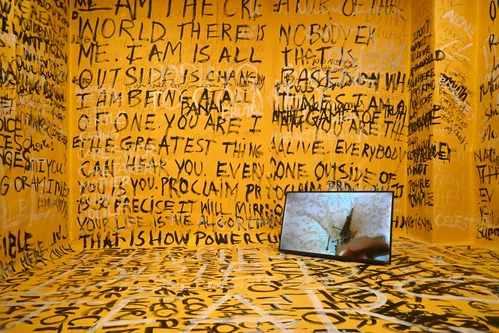
The philosophy echoes the Brazilian artist’s other venture, Uncool Artist, a grassroots network of resources and opportunities for artists worldwide. As part of its quarterly Solo Show Open Call program, Uncool Gallery has provided a $1,000 stipend and given a two-week solo show to young talent, including a recent show of works by architect and artist Campbell Brod for spring 2026.
Directing both ventures has strengthened Paz’s own practice. “Helping artists bring projects into form and supporting that process seriously feeds my own work. The two things strengthen each other,” she said.
ILY2
Based in Portland, Oregon
Founded by: Allie Furlotti
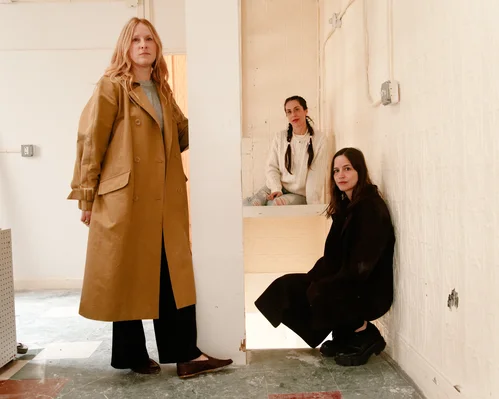

Portland’s ILY2 began as a direct response to local artists’ needs. When the gallery opened in 2020, its founder, Allie Furlotti, handed the keys to whoever needed space, paid the rent, and let them run it however they wanted.
“As a young artist, she experienced the barriers to grants and funding, and she wanted to break down that bureaucracy in her own way,” senior director Jeanine Jablonski told Artsy.
Now with spaces in Portland and New York, ILY2 is built on a philosophy of long-term care that meets each artist where their specific needs are, which, as Jablonski noted, “sometimes isn’t relevant to the work they are making, but is always relevant to how they thrive.”
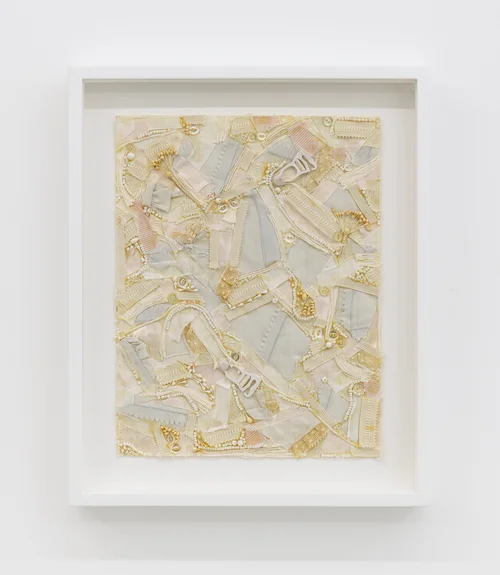

Untitled, 1978
Bonnie Lucas
ILY2
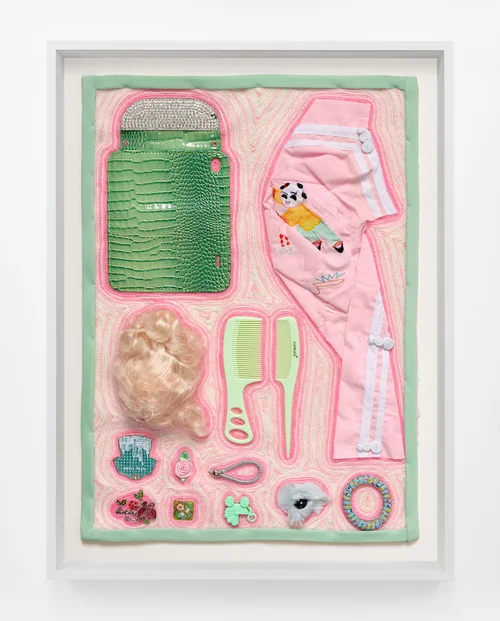

Some Favorite Things, 2018
Bonnie Lucas
ILY2
In practice, this has meant going to the fourth-floor walk-up studio of Bonnie Lucas, a 75-year-old New York artist, to help clear out old works she couldn’t move herself, so she could make large-scale pieces again for the first time in years.
“We go above and beyond because we genuinely want the people we work with to have a better experience than we’ve had,” Furlotti told Artsy. With Lucas set for her first institutional show at The Aldrich Contemporary Art Museum in 2027, the ILY2 approach has paid off.


