






This spring, museums across the globe are reconsidering the frameworks that have shaped art history.
MoMA’s Marcel Duchamp show celebrates the father of conceptual art, while the Guggenheim considers the long legacy of mid-century Pop art art. Shows devoted to Frida Kahlo and Agnes Martin complicate our ideas of the art “icon,” while in Beijing, a Duan Jianyu survey at UCCA Beijing showcases how Chinese painting has both engaged with and evolved outside of Western narratives.
These exhibitions, which open as major biennials launch in Venice; Lyon, France; and Gwangju, South Korea, are part of a larger conversation that moves between past and present, what we see and why we see it.
Arthur Jafa & Richard Prince
“Helter Skelter”
Fondazione Prada, Venice, Italy
May 9–Sep. 23
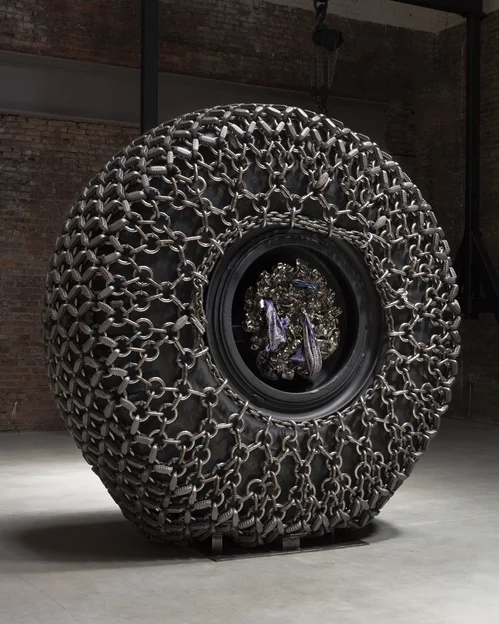

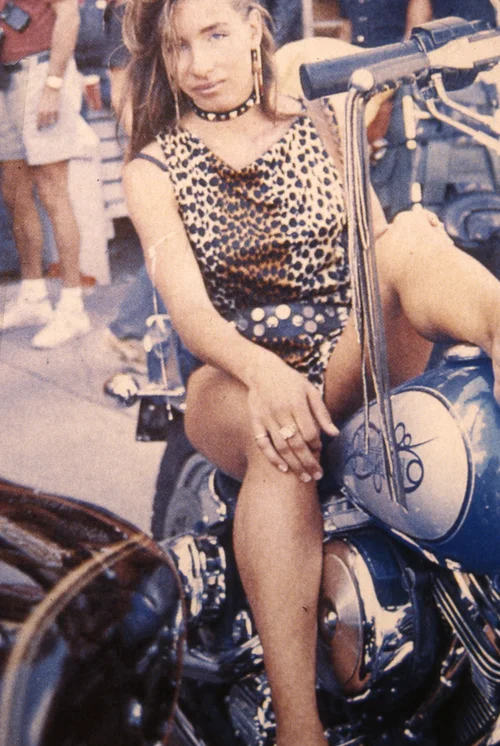

“Helter Skelter: Arthur Jafa & Richard Prince,” curated by Nancy Spector, brings together two American icons born a decade apart. The pair share a lawless approach to authorship as they repurpose the visual detritus of American culture: Across disparate genres, both artists draw from film, advertising, music, literature, and social media as they mine the contradictions and excesses of popular culture.
Jafa’s work reflects his identity as an African American man and his mission to invigorate the language of Black cinema and art. Prince, by contrast, hovers between critique and complicity, probing white masculinity and the undercurrents of the American psyche. Together, the artists will present more than 50 works across photography, video, installation, sculpture, and painting, including new works by each. They have also collaborated on a zine composed of images they exchanged during the show’s making.
The exhibition will open in Venice during the Biennale and offer a charged conversation about appropriation as both strategy and worldview.
Frida Kahlo
“Frida: The Making of an Icon”
Tate Modern, London
Jun. 25–Jan. 3, 2027
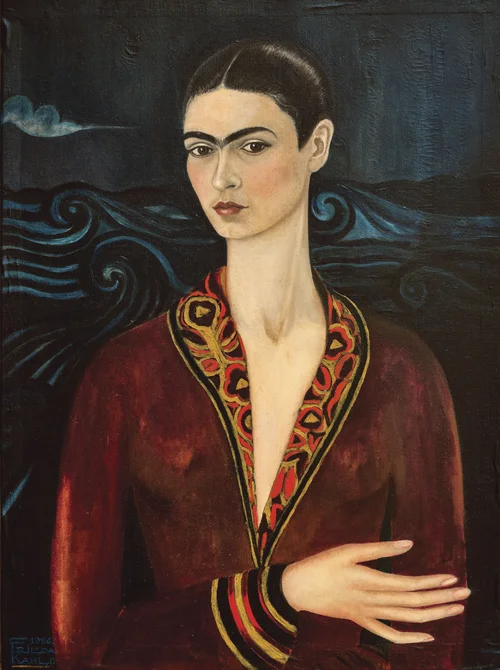

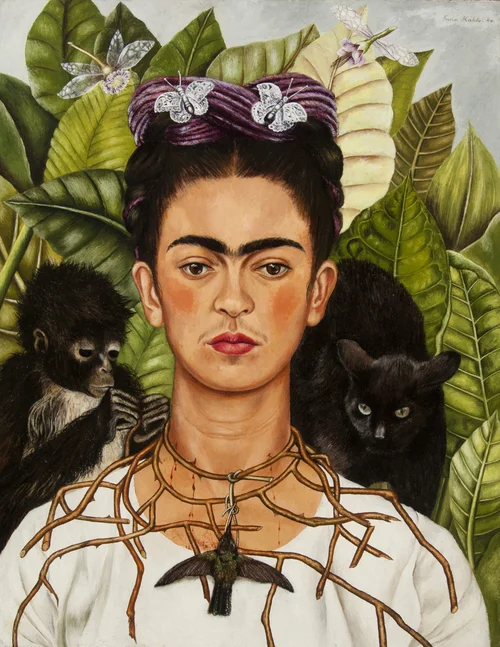

Following its debut at the Museum of Fine Arts, Houston, “Frida: The Making of an Icon” will arrive at Tate Modern to chart how Frida Kahlo went from a relatively unknown painter to a global cultural phenomenon.
More than 30 of Kahlo’s works, particularly her defining self-portraits including Self-Portrait (With Velvet Dress) (1926), will appear alongside photographs, personal artifacts, and works by a constellation of artists who have drawn from her singular visual language.
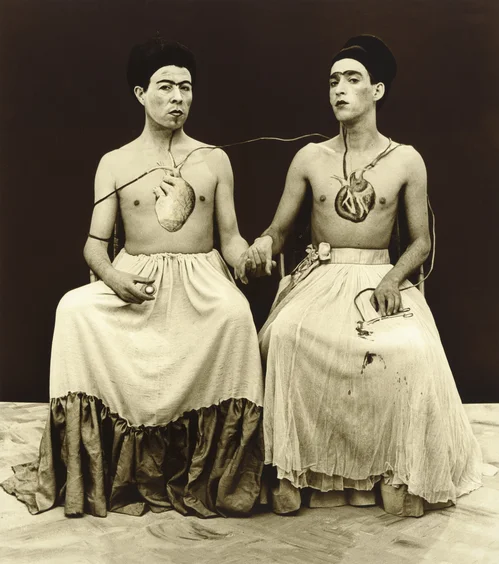

The show highlights how Kahlo became a master of self-construction. Through painting, dress, and the performance of identity, she fashioned a series of selves at once intimate, political, and symbolic. These carefully constructed images will unfold in dialogue with works by her contemporaries, including her husband Diego Rivera, and by later generations of artists, such as Nahúm B. Zenil and Georgina Quintana, who similarly repurposed Mexican imagery and popular traditions to undermine nationalism, patriarchy, and gender norms.
A final section devoted to “Fridamania” will explore the proliferation of Kahlo’s image across fashion, media, and consumer culture through more than 200 objects. Part biography, part cultural archaeology, the exhibition positions Kahlo as a constantly shifting figure, reimagined across time.
Pierre Huyghe
Fondation Beyeler, Basel
May 24–Sep. 13
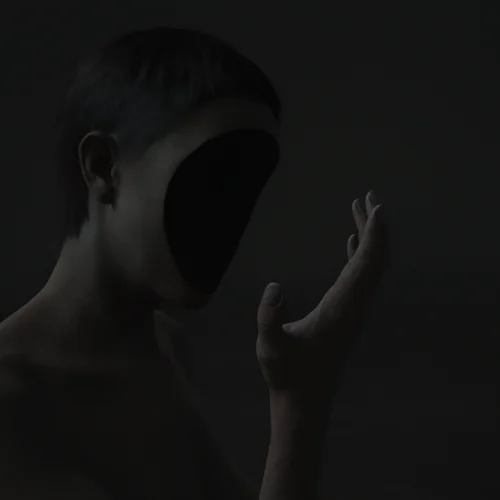

A new Pierre Huyghe show, conceived especially for the Fondation Beyeler, unites new and recent work within an environment that feels like a system in motion. Across galleries, boundaries blur: between natural and artificial, real and constructed, human and nonhuman. Images, objects, and living elements coexist, responding to one another with both precision and instability.
Huyghe’s practice resists easy categorization. His works often combine film, technology, biology, and architecture, creating situations that evolve over time rather than settle into fixed forms. What you encounter on one visit may not be quite the same on the next. As many exhibitions look backwards, this one considers the future of art.
“Dancing the Revolution: From Dancehall to Reggaetón”
Museum of Contemporary Art Chicago, Chicago
Apr. 14–Sep. 20
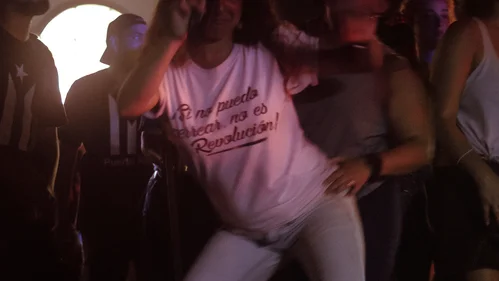

At MCA Chicago, “Dancing the Revolution: From Dancehall to Reggaetón” will turn the museum into a sonic and social landscape where music, movement, and image converge.
The exhibition will bring together work by more than 35 artists who use disparate genres to bring the sounds of Kingston, San Juan, and beyond to a global audience. They include Jean-Michel Basquiat, Isaac Julien, Alberta Whittle, and Carolina Caycedo, who celebrate the bass-driven heart of dancehall culture and promote the notion that movement is power.
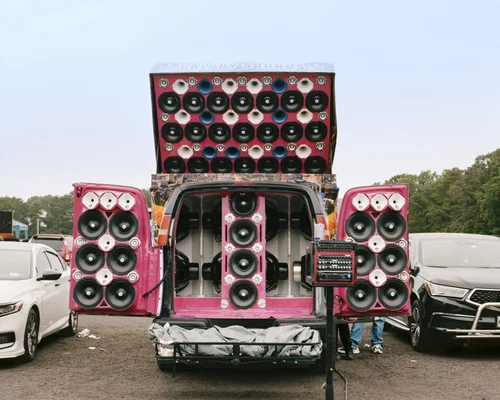

The exhibition will spotlight San Juan’s 2019 “perreo combativo,” in which reggaetón dance spilled into the streets as a form of political protest. A newly commissioned mixtape by artist Juan Rivera will deepen this atmosphere, blurring the line between exhibition and experience.
More than anything, “Dancing the Revolution” will suggest that these cultural forms cannot be contained. They carry histories of struggle and celebration, shaped by the Black Atlantic and reimagined across generations.
Jasper Johns
“Night Driver”
Guggenheim Museum Bilbao, Bilbao, Spain
May 29–Oct. 12
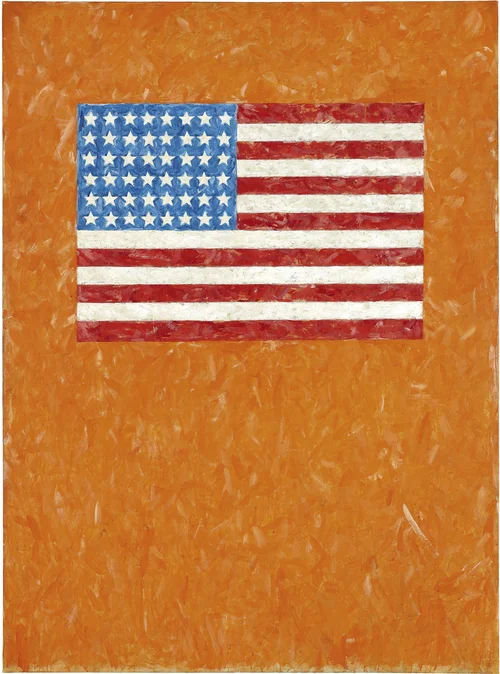

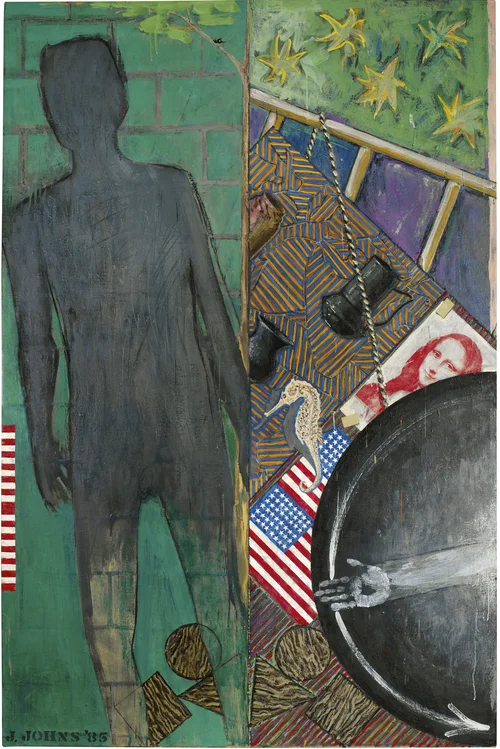

“Jasper Johns: Night Driver” reflects on seven decades of work by one of postwar art’s most influential figures. It brings together around 100 pieces from public and private collections worldwide.
The exhibition opens with the paintings that changed everything: Johns’s flags, targets, numbers, and maps of the 1950s, which broke decisively with Abstract Expressionism, replacing gesture with immediately recognizable motifs, as in Flag (1954–55) and Target with Four Faces (1955). From there, it moves through the 1990s, following how these images are destabilized, disappear, and return in altered form.
The fractured, layered surfaces of the 1960s give way to the structured crosshatch paintings of the 1970s, exemplified by Corpse and Mirror (1974), before the 1980s reintroduce imagery in a more personal, fragmented register, as in The Four Seasons (1985–86).
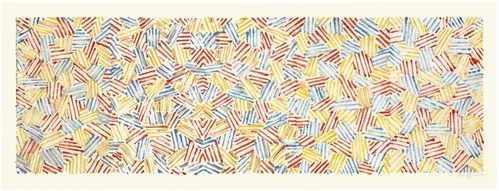

The final section turns to Johns’s later work, where imagery becomes quieter and more elusive. Faded, ghostly motifs, such as flags, surface within muted, often gray fields. This restraint carries into the Catenary series, in which a real string arcs across the canvas, introducing a subtle sense of tension, gravity, and time.
Altogether, “Night Driver” shows how Johns continually reworked familiar forms, shifting them from fixed symbols into something more unstable, and ultimately more reflective, over time.
Marcel Duchamp
Museum of Modern Art, New York (also traveling to the Philadelphia Museum of Art, Philadelphia, and the Grand Palais, Paris)
Apr. 12–Aug. 22


This spring, MoMA will present the first North American retrospective of Marcel Duchamp in over 50 years. The expansive exhibition brings together nearly 300 works across six decades, proving why Duchamp, the progenitor of conceptual art, was one of the most influential artists of the 20th century.
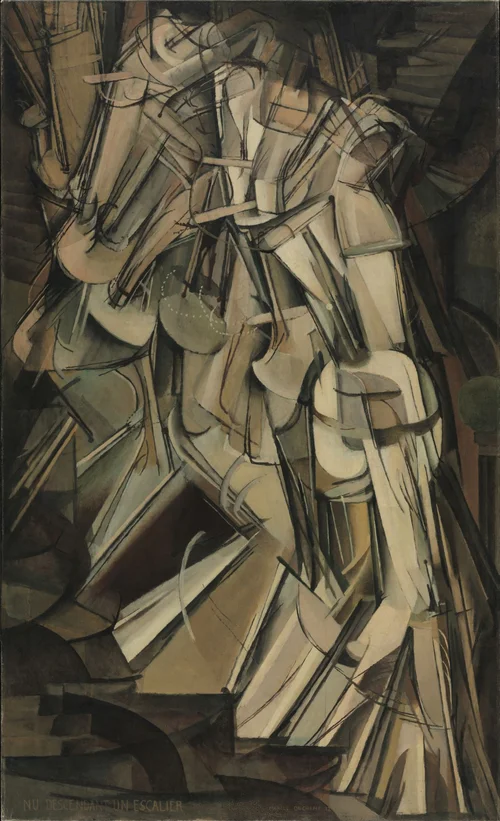
The exhibition will unfold chronologically, beginning with early paintings like Nude Descending a Staircase (No. 2) (1912), a fractured, almost cinematic depiction of movement. Next, the show focuses on Duchamp’s radical invention of “readymades,” ordinary objects presented as sculpture. In 1961, the artist described these as “the most important single idea to come out of my work.”

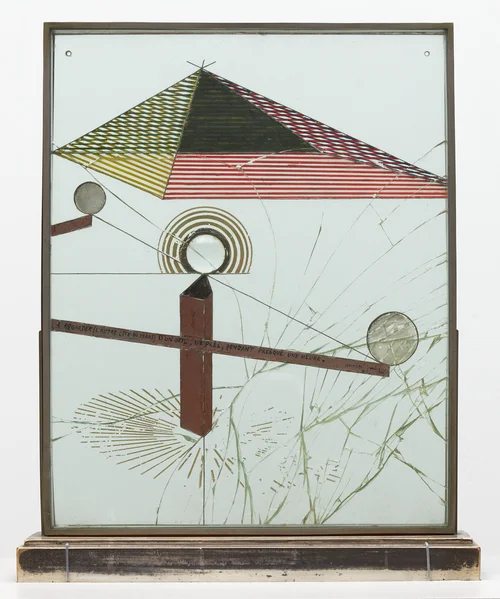

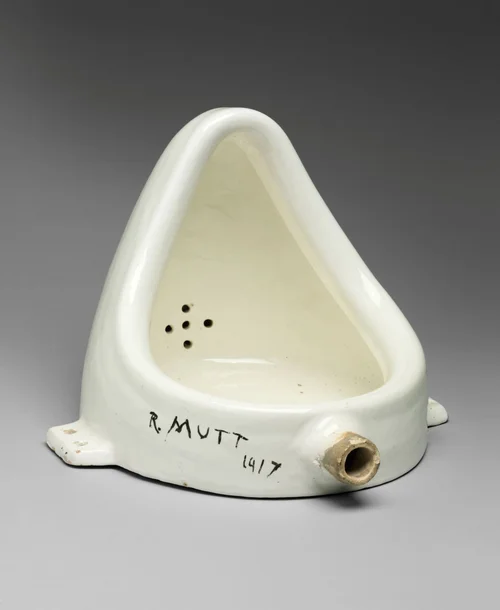
While several of the original readymades are now lost, such as the world-famous urinal Fountain (1917), the exhibition will include replicas alongside those still in existence. Created concurrently with the “readymades,” The Bride Stripped Bare by Her Bachelors, Even (The Large Glass) (1915–23), a monumental, enigmatic painting on glass that explores desire and mechanics, will appear alongside its preparatory studies.
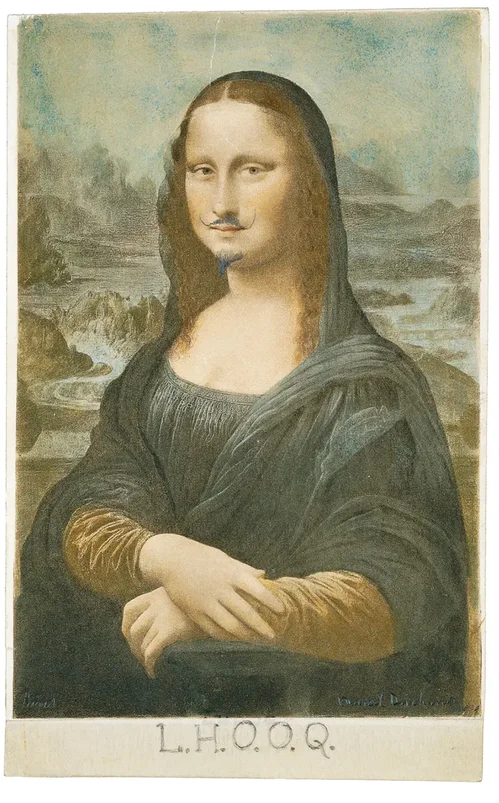
A subsequent, Dada-focused section will include the painting L.H.O.O.Q. (1919), Duchamp’s irreverent reworking of a Mona Lisa reproduction. The central gallery will be devoted to the most extensive presentation of Box in a Valise (1935–41) to date. To make this “portable museum,” the artist painstakingly reproduced, in miniature, his life’s work before 1941. Viewers will reach the end of the show with a greater understanding of how Duchamp forever changed conversations about what art could be.
Agnes Martin
“Painting Is Not Making Paintings”
Dia Beacon, New York
From Apr. 4 (long-term view)
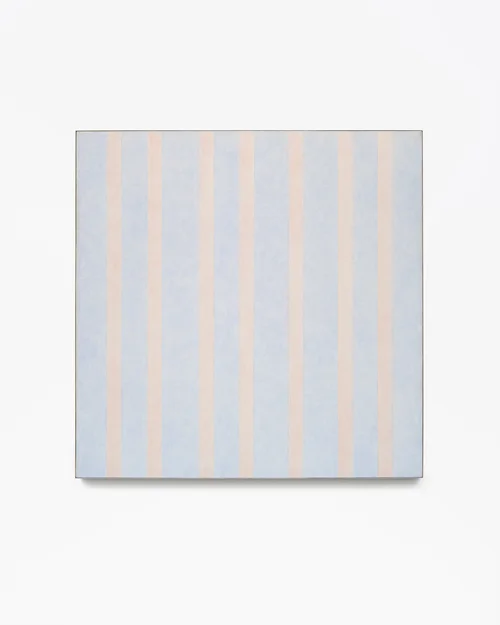

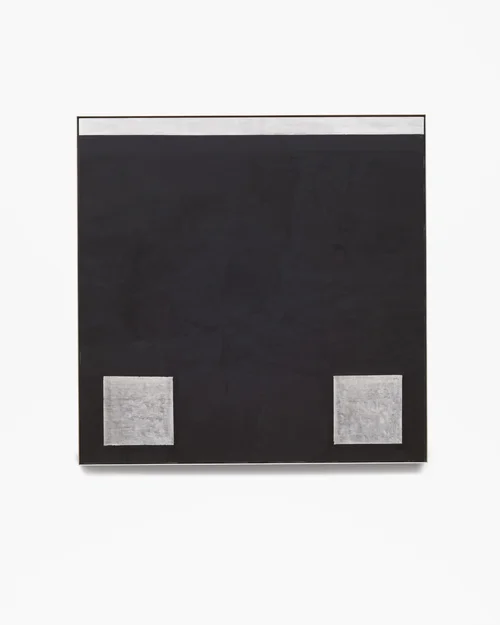
After many years, Agnes Martin’s paintings will return to Dia Beacon: a quiet, expansive, and light-filled space ideal for the meditative work. Spanning nearly five decades, “Painting Is Not Making Paintings” gathers canvases full of pale grids, faint pencil lines, and soft washes of color. Stay with them, and lines begin to waver, colors warm or cool, and surfaces breathe. What initially reads as restraint opens into something more emotional, less about the minimalism of Martin’s day than about perception itself.
The exhibition will move from Martin’s early works of the late 1950s, where geometry starts to take hold, to the serene, rhythmic compositions of her later years. Along the way, her signature grids give way to horizontal bands and luminous fields. Each variation is subtle but deliberate. Martin herself believed that painting was not about producing objects, but about reaching a particular state of mind.
“Guggenheim Pop: 1960 to Now”
The Guggenheim, New York
Jun. 5–Jan. 10, 2027
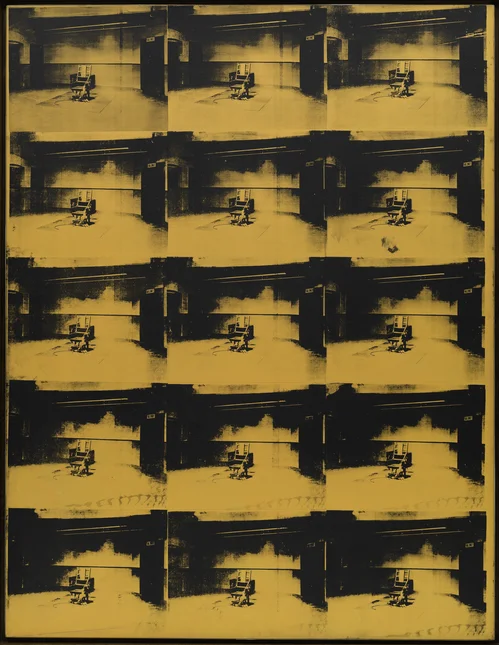

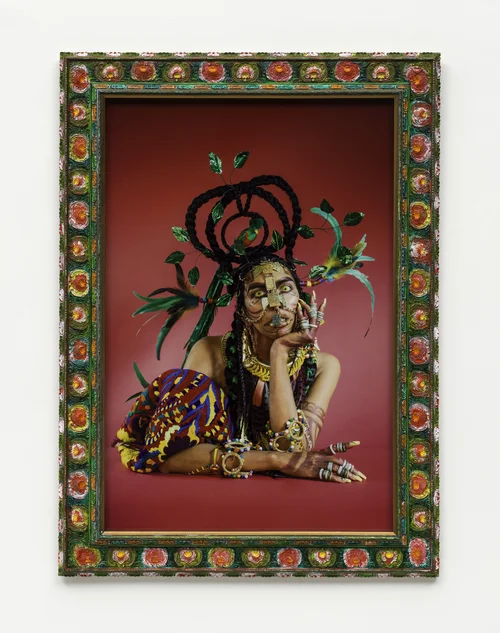

Few works sum up the strange afterlife of Pop quite like Comedian (2019), Maurizio Cattelan’s duct-taped banana: absurd, instantly legible, and endlessly reproduced. At the Guggenheim, “Guggenheim Pop: 1960 to Now” traces how this sensibility and a desire to work with the imagery of everyday life took hold.
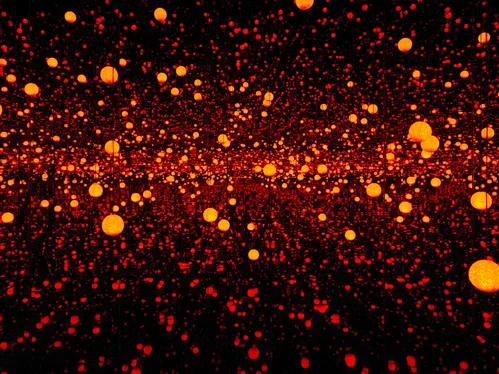
Early works by Andy Warhol, Roy Lichtenstein, and Claes Oldenburg exemplify how artists began lifting images from advertising, comics, and consumer goods in the mid-century. Via repetition and shifts in scale, they transformed the ordinary into sharp, strange new styles. More recent, pop-inspired works by artists including Cattelan, Lucía Hierro, Josh Kline, Martine Gutierrez, Lauren Halsey, and Mohammed Ahmed Ibrahim will also be on view. A Yayoi Kusama “Infinity Room” rounds out the greatest hits.
Across the Guggenheim’s tower galleries, the exhibition will unfold as a kind of visual echo chamber, where images of consumer culture bounce between past and present, gaining new meanings along the way.
Keith Haring
“Keith Haring in 3D”
Crystal Bridges Museum of American Art, Bentonville, Arkansas
Jun. 6–Jan. 25, 2027
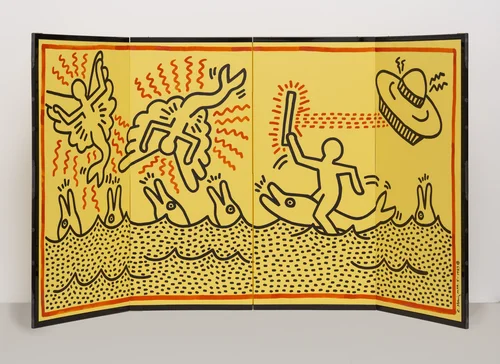

“Keith Haring in 3D” asks what happens when Keith Haring’s bold, looping, instantly recognizable lines leave the wall. It’s the first-ever show to highlight Haring’s work in three dimensions.
At Crystal Bridges, the artist’s unmistakable visual language spills into space, wraps around surfaces, and invites viewers to move through the artist’s unique universe. The show unites Haring’s early experiments, in which he painted found objects pulled from the street, with large-scale sculptures in wood and metal.
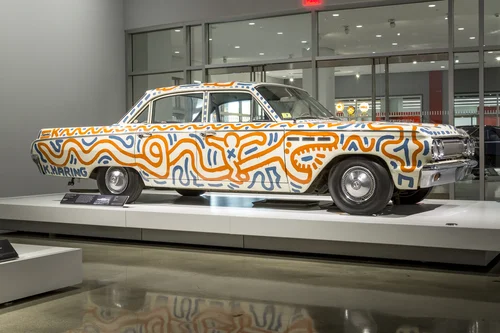

For the artist, everything was a potential canvas. Haring worked with totems, masks, skateboards, clothing, and boomboxes; he even painted a 1963 Buick Special. Haring was often credited with shaping the visual culture of the 1980s, and he anticipated a world where art moves fluidly across media, surfaces, and public space. He fluctuated between subway drawings, murals, sculpture, and commercial objects, collapsing distinctions between fine art and mass culture.
By focusing on a lesser-known aspect of Haring’s practice, the exhibition highlights just how expansive and imaginative the artist really was.
Duan Jianyu
UCCA Beijing, Beijing
May 1–Aug. 30
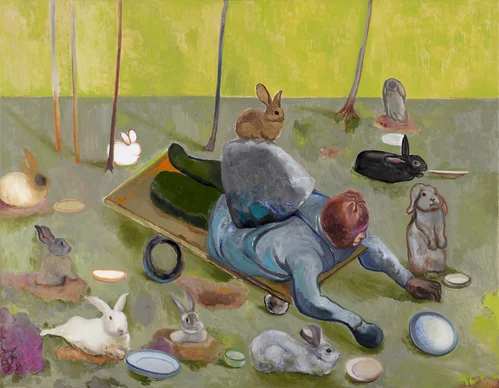

Duan Jianyu is one of the most distinctive painters working in China today. She draws on sources as varied as Socialist Realism, literature, folk imagery, and contemporary subcultures, combining everyday rural scenes with surreal, often dissonant elements. This exhibition at UCCA, her first institutional solo presentation in Beijing, brings together key works from the past decade alongside new paintings.
At the center of the exhibition, curated by Chelsea Qianxi Liu, is Sharp, Sharp, Smart (2014–16). The series crystallized Duan’s move away from structured narrative toward a looser, more fragmented, and associative approach to painting. The title references shamate, a youth subculture in rural China known for their exaggerated, hybrid style. Rather than depict its members directly, Duan obliquely explores tensions between rural life and rapid modernization. In Sharp, Sharp, Smart No. 1 (2014), for example, two peasant women appear in a stark, geometric style that echoes early modernism and evokes a contemporary rural context. Throughout Duan’s work, figures often appear doubled or distorted, introducing a subtle sense of unease.
Later works in the series introduce a recurring, monkey-like figure that moves through fragmented vignettes, linking disparate scenes and references. Throughout, Duan loosens her brushwork and pushes her compositions toward excess and dissonance, creating images that resist stable interpretation while reflecting the contradictions of contemporary Chinese society.


