






One question is on the internet’s mind this month: Was 2016 the last good year? Celebrities and the chronically online have posted throwback images on Instagram and other social media platforms, reminding us what life and fashion were like a decade ago.
It was certainly a good time for art. We recently looked back at our list of top emerging artists from 2016, and the list stands. The selected talents have since gone on to present in major international shows, join the rosters of mega-galleries, and start their own exhibition spaces.
We recently asked this same group of artists to reflect on 2016 and share new portraits as well as any snapshots from that year. Their responses suggest all that’s changed and all that’s stayed the same—in the art world and beyond.
Tschabalala Self
B. 1990, New York City. Lives and works in Hudson Valley, New York.
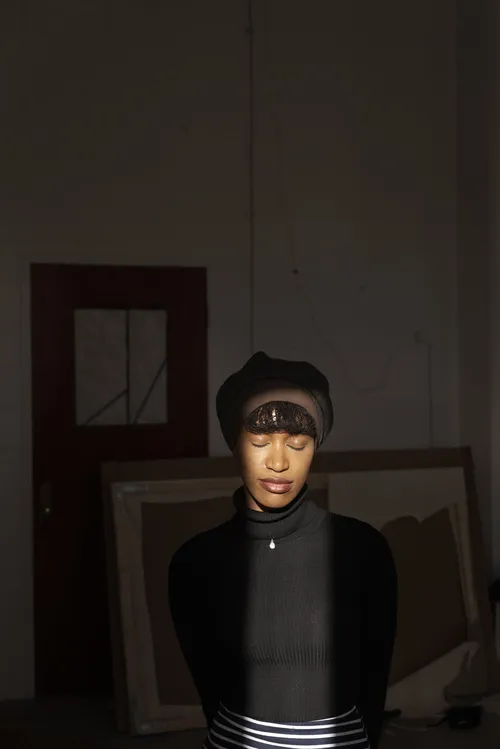

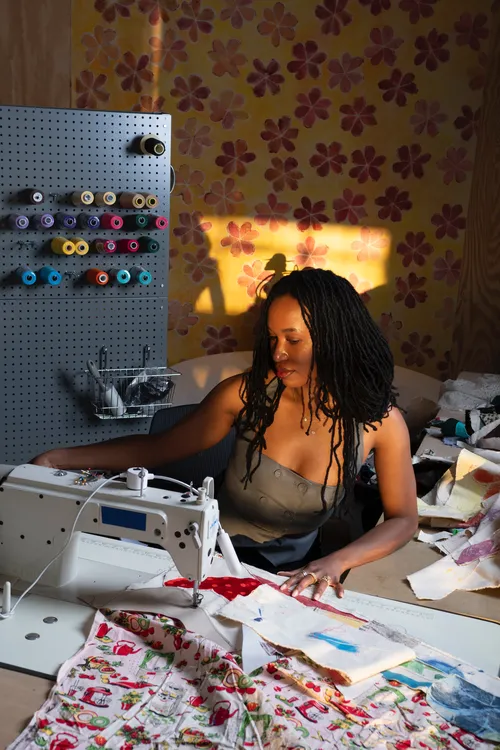

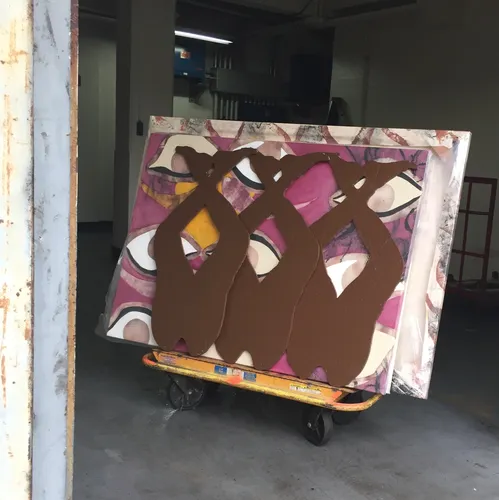

“In 2016, I was one year out of grad school and working at the New York Central Art Supply. I was commuting from Connecticut to the city while building out my studio in New Haven. Everything was just beginning, and I was looking ahead to what was to come. That year was filled with many first experiences, good, bad, and neutral. But looking back, it was the beginning of a lot of the best things to come for the next 10 years of my life.”
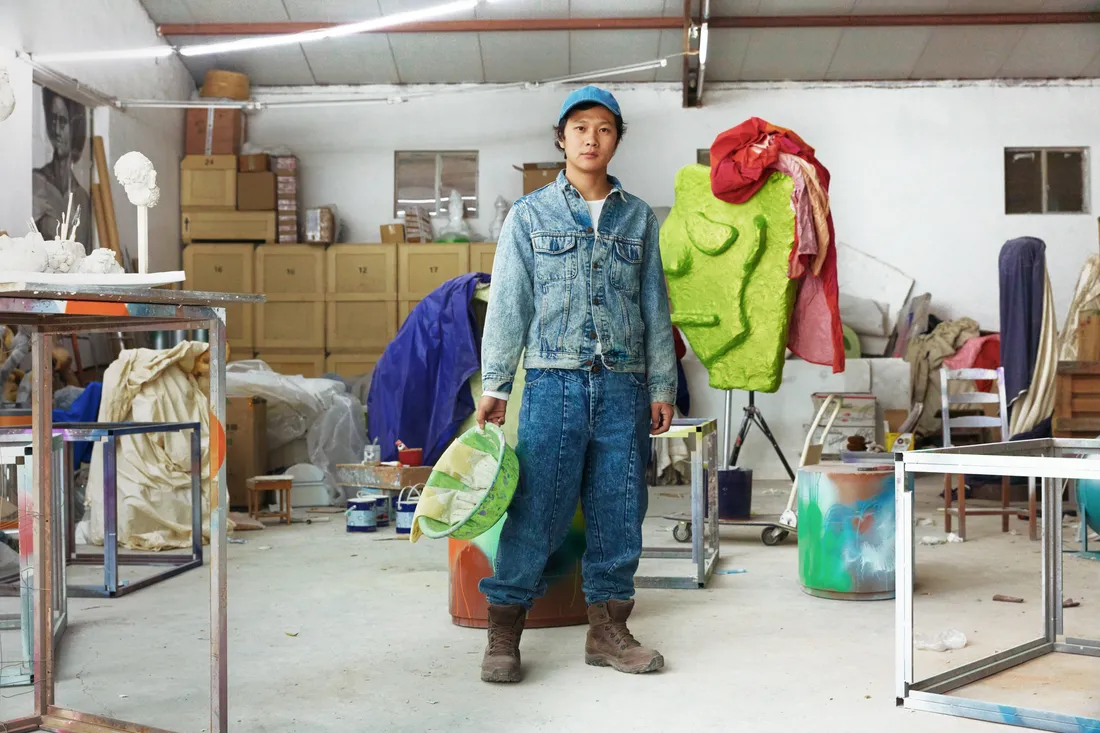
Cheng Ran
B. 1981, Inner Mongolia, China. Lives and works in Hangzhou, China.
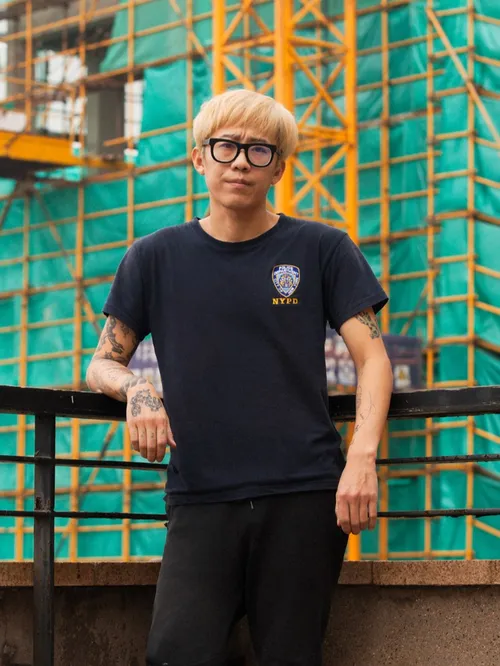

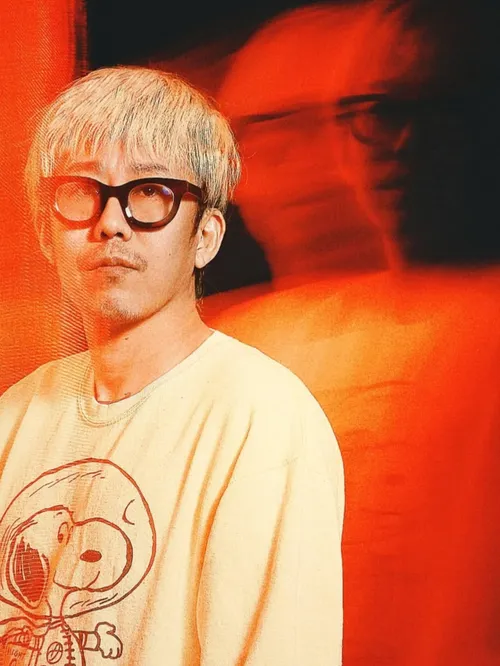
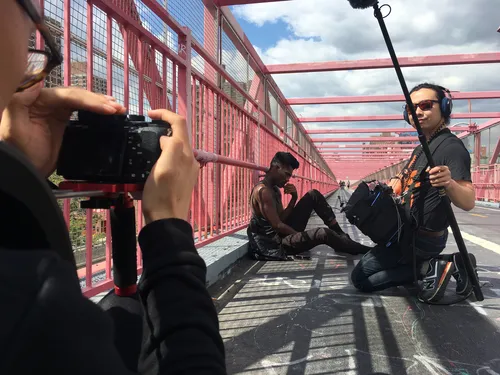

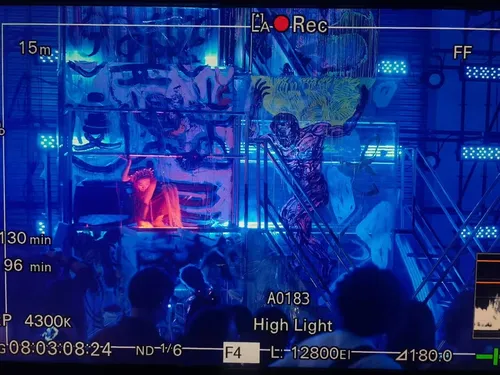
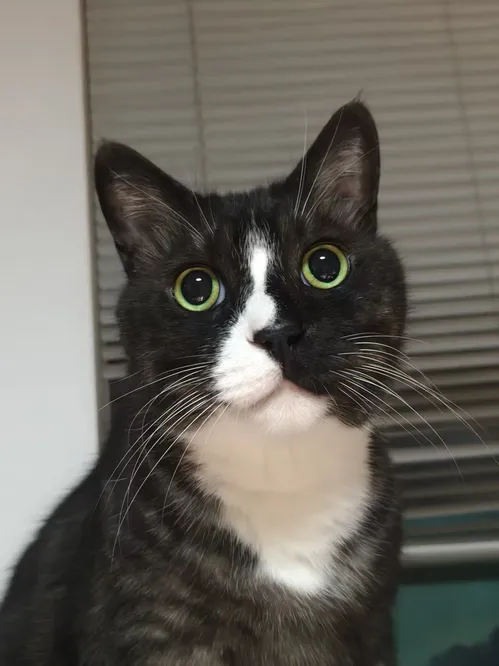
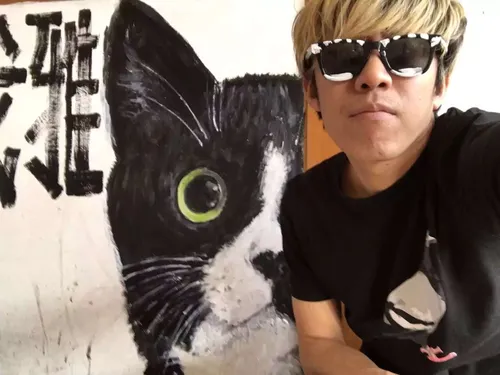
“In 2016, I had only one cat; in 2026, I have 24. In 2016, I had just finished shooting a nine-hour film; in 2026, I’ve completed a 24-hour-long video work. In 2016, Martin was still my little kitten. In 2026, it has become the name of an artist-run space I co-founded: Martin Goya Business. We have produced over 150 exhibitions and performances, collaborated with more than 600 young artists, and won the ‘Next Cultural Producer’ award initiated by the Power Station of Art Shanghai and Chanel Culture Fund. We also opened a canteen with the slogan: ‘Artists need creativity and food.’ In 2016, many things had yet to begin; in 2026, that remains a question. Just like Matthew McConaughey said in his [Dazed and Confused] speech: ‘Alright, Alright, Alright…’”
Raúl de Nieves
B. 1983, Morelia, Michoacan, Mexico. Lives and works in New York.
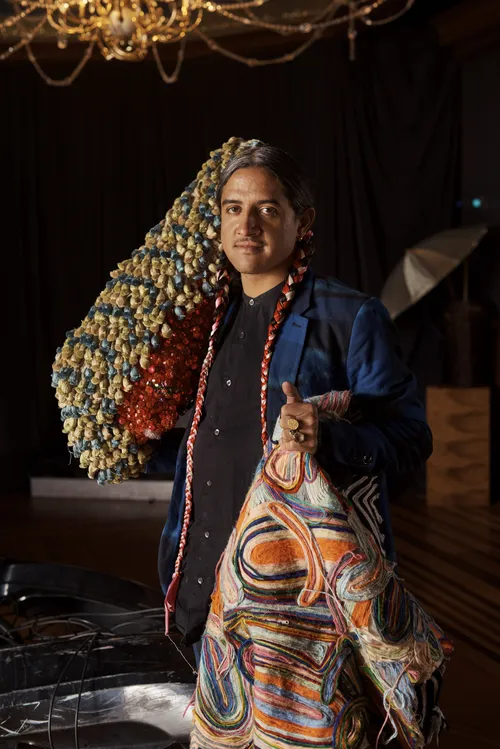
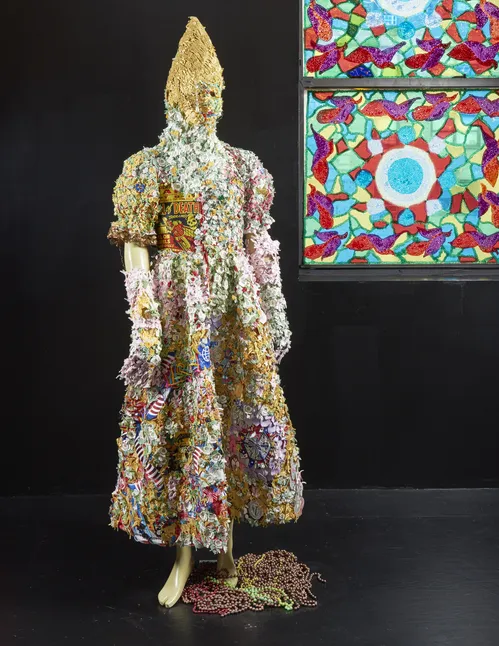

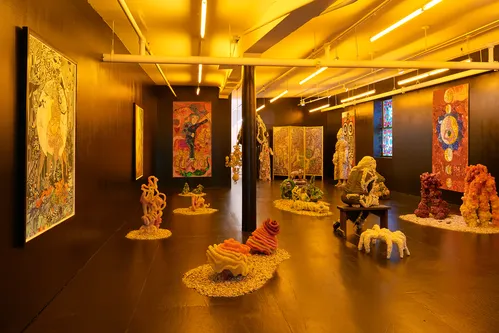

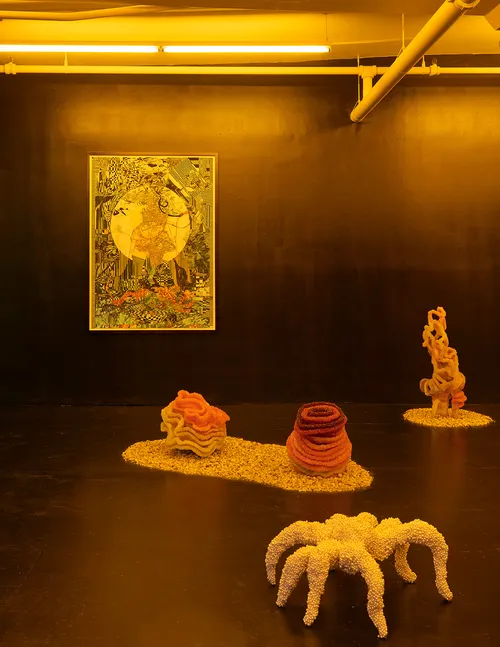

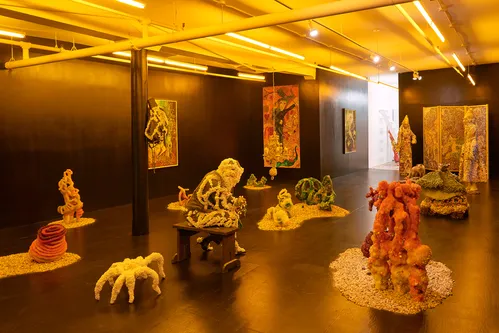
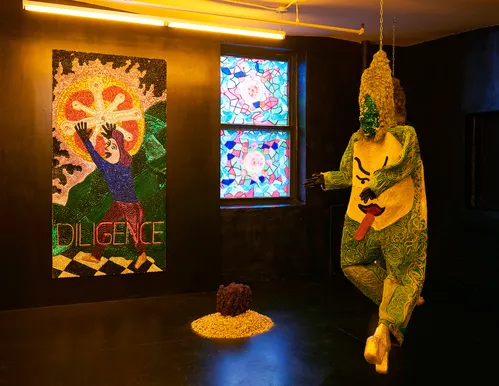

“In 2016, I had my first show at Company. That exhibition led to an invitation to show at the Whitney Biennial, which changed my life.”
Rachel Rossin
B. 1987, West Palm Beach, Florida. Lives and works in New York, New York.
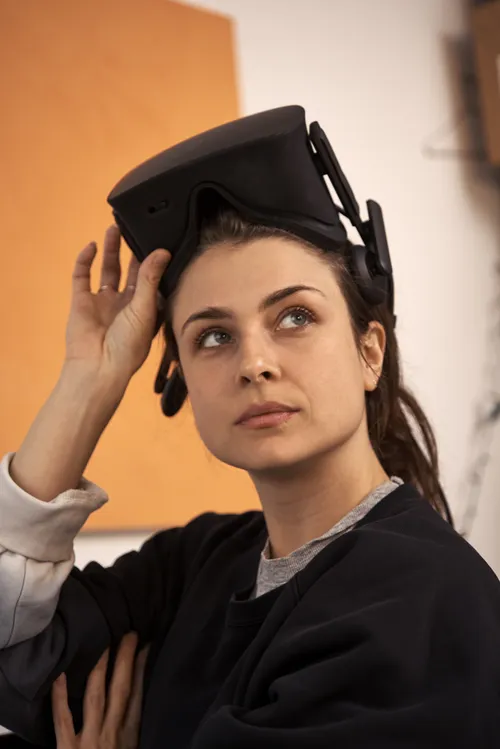
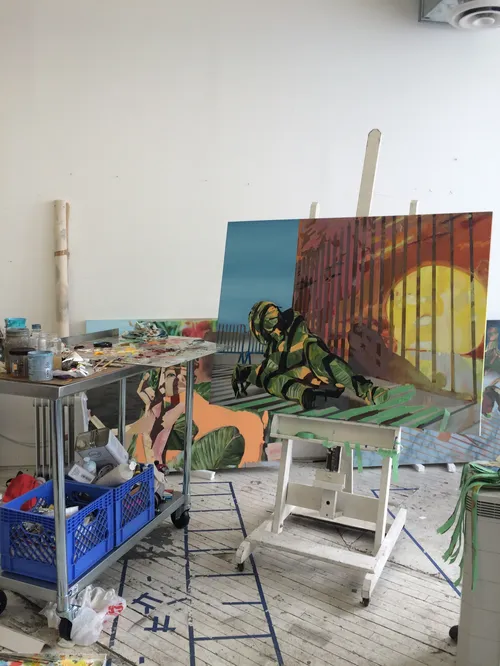
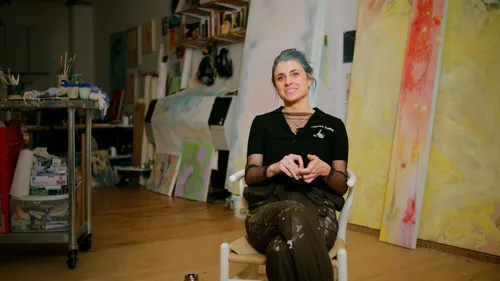

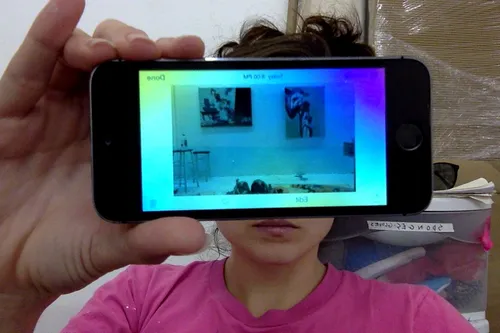
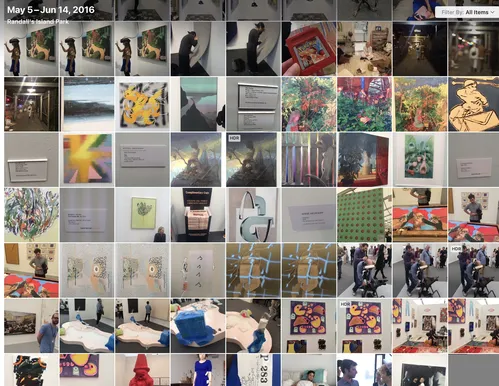

“When I look back on 2016, I think of accruing time and the vocation of art-making—the value of accumulating years of practice, not just of a ‘career.’ I’ve done a lot over the past decade: major commissions at the Whitney, the Guggenheim, and KW Institute for Contemporary Art, as well as paintings both enormous and small. I’ve made stadium-scale installations and thrown myself into every project that’s come my way. It’s a lifelong process.”
Christopher Kulendran Thomas
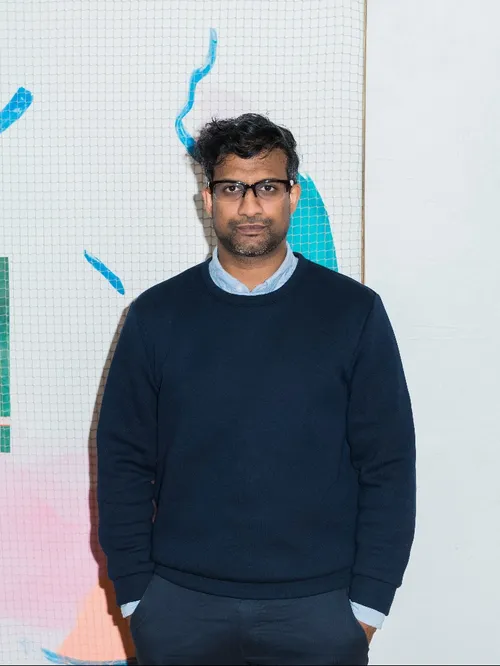
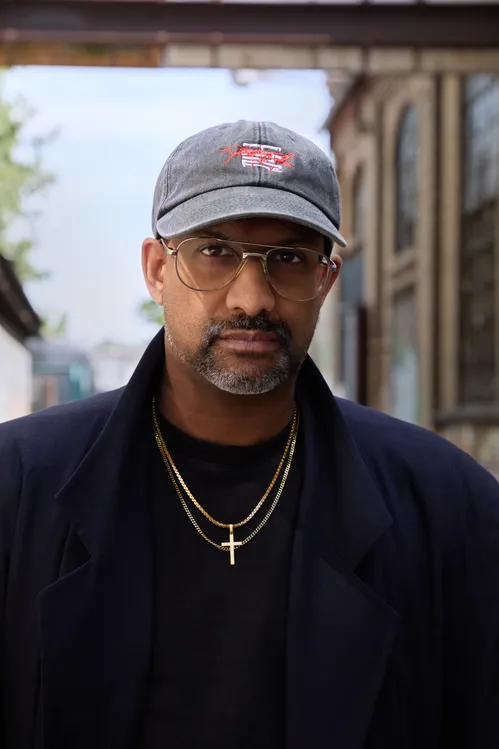
“I remember 2016 feeling like the end of something, at least in the so-called West, a more innocent time perhaps. For me this shift was articulated with remarkable prescience by DIS in their curating of the 9th Berlin Biennial, which not only felt like the culmination but also—at least by the time it had closed in the fall—like the end of a particular trajectory of artistic thought and experimentation that I think has left a lot of unfinished business on the table: a lot of questions about the new forms of art that might emerge through an era of incredible technological acceleration. And for me it was the beginning. I’d left art school not long before and taking part in that biennial was a big break for me.
“In a way, everything I’m working on now was born in that moment and in unpacking this shift in a balance of power between a polarized West and the so-called East. That was also when I started working with two of my closest collaborators—Annika Kuhlman and Jan-Peter Gieseking—and when we started playing with the machine learning tools (which would seem quaint now) that were the precursors to the AI tools we rely on now for the work we do together.”
Cécile B. Evans
B. 1983, Cleveland, Ohio. Lives and works in Saint Denis, France.
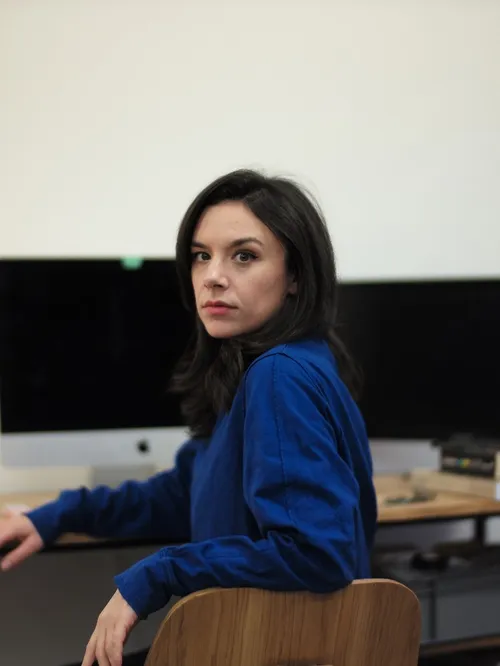
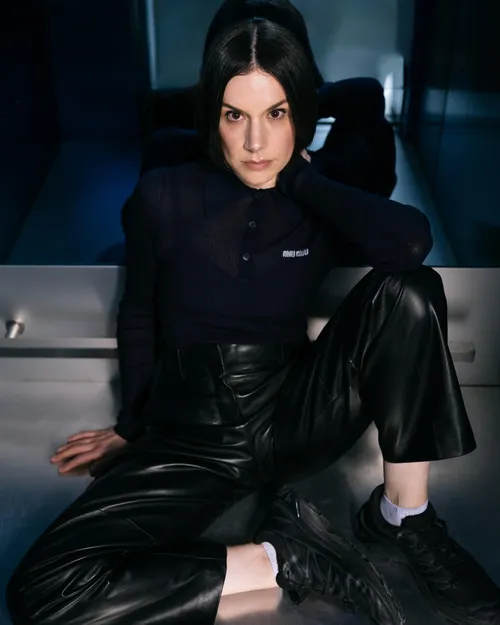

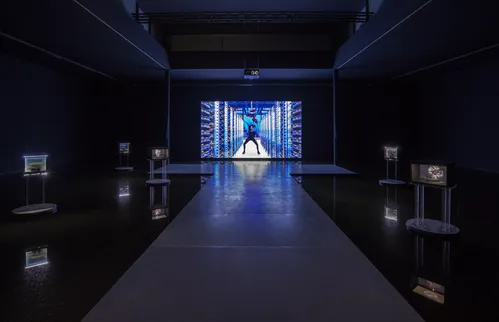

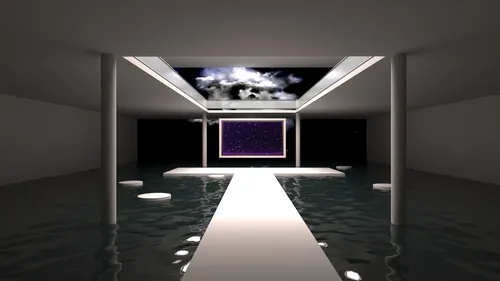
“In 2016, curators began trusting the ‘ambitious’ visions I was having about how systems were failing most people. I remember showing DIS a render for the Berlin Biennale, suggesting (as an unknown artist) one of the biennale’s most prominent spaces for a challenging 45-minute video installation-cum-flood. Together we agreed to ‘go BIG or go home.’ The following decade only amplified that command, starting with Hannah Black penning an open letter calling for the destruction of a cash-valuable painting, on to comrades insisting to take up space with their complex artworks, and of course, the art workers demanding a better quality of life. I’m grateful for anyone still keeping those BIG dreams warm and surviving beyond the limits of the oppressive structures humanity lives in. I hope some of them make it through the next 10 years, love and solidarity to them.”
Yu Honglei
B. 1984, Inner Mongolia, China. Lives and works in Beijing.
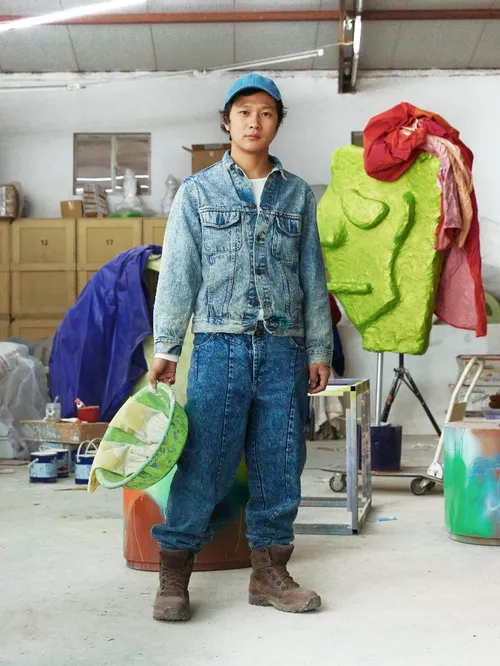
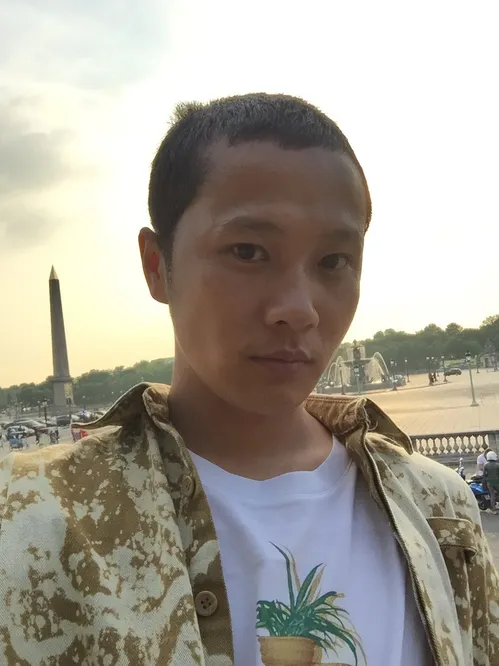
“Looking back at 2016 now, I often feel that it was a period of great inspiration and boundless energy. That feeling wasn’t just about ‘being seen,’ but more like suddenly being thrust into a globalized art system, quickly being named, interpreted, and having many expectations projected onto me. Looking at the works from that time today, I can still see a youthful drive, but I also feel a certain impatience—an eagerness to respond to art history, to enter into international dialogue, and to prove myself. Later, especially starting with the pandemic in 2020, I gradually shifted my creative focus to painting, which in a way distanced me from that fast-paced external rhythm and allowed me to return to a more internal, slower working state. That year was like a door for me; after experiencing ‘very fast’ and ‘very noisy’ artistic phenomena, I wasn’t swept away, but instead slowed down.”
Andrew Norman Wilson
B. 1983, Milpitas, California. Lives and works in New York.
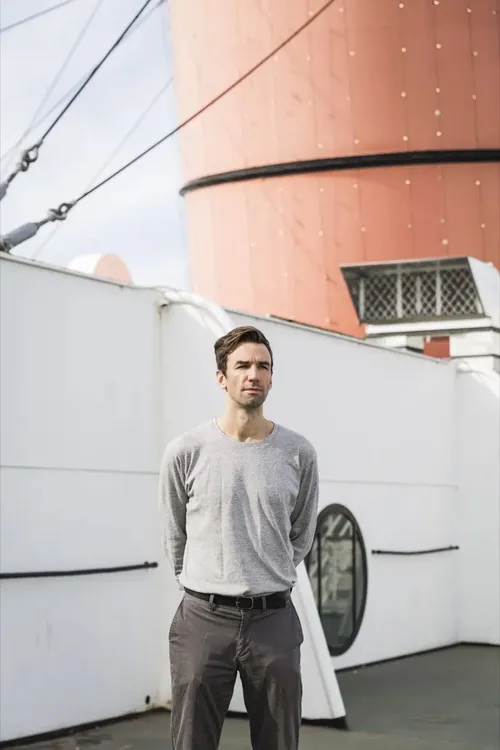
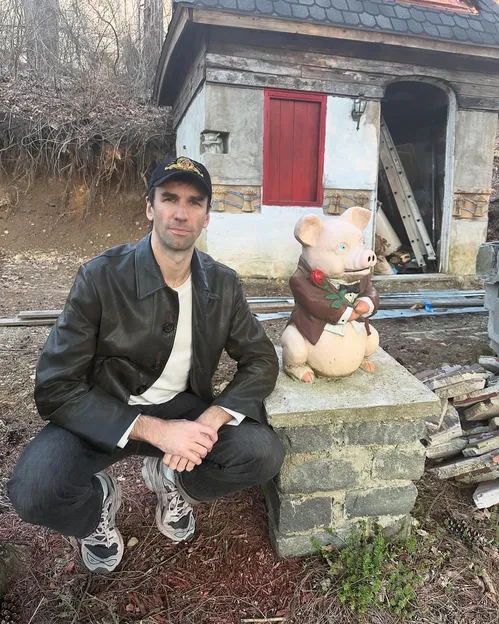

“I work on my laptop in my bedroom, so when the online art brokerage platform Artsy asks to photograph me in my studio for a ‘Top Emerging Artists of 2016’ listicle, I lie and say that I have Emirati collector-patrons who let me live and work in their long-term rental on the RMS Queen Mary, the retired British ocean liner-turned-hotel in the port of Long Beach [California]. I rent a suite for the day of the shoot. The photographer is very curious about my live/work situation, which unbeknownst to her, I’ve only had for two hours. I tell her my patron’s daughter Abitha is still asleep in my room, and the whole family will get upset if we disturb her, so we should just take photos of me on the deck.”(Wilson originally published this story in a 2024 essay for The Baffler).


