







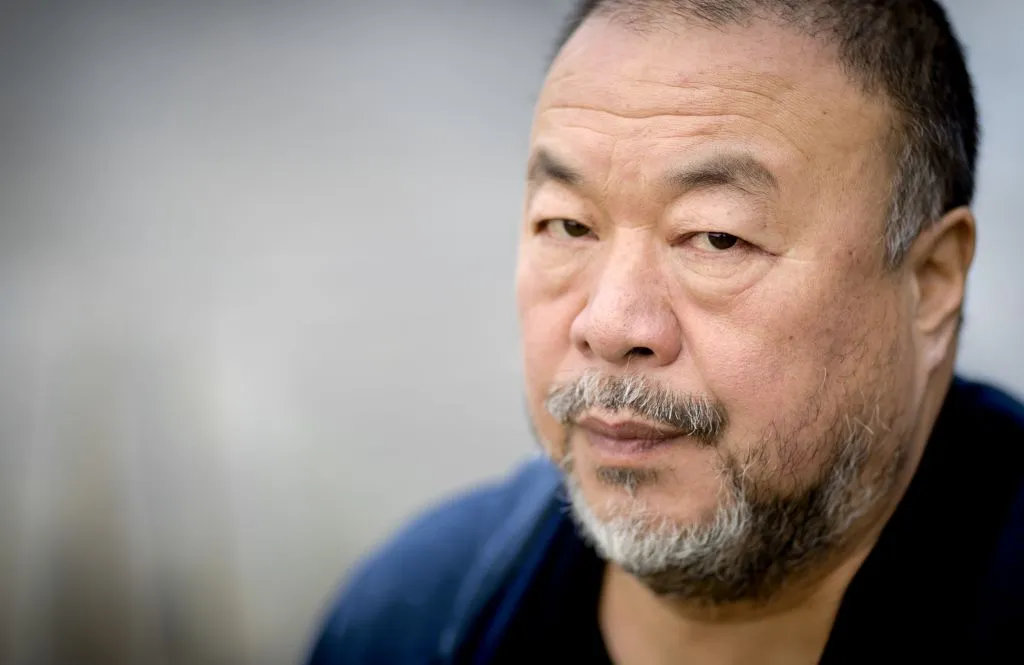
Chinese artist Ai Weiwei returned to China last month after a decade-long exile in Europe. The three-week trip to Beijing marked his first visit since authorities returned his confiscated passport in 2015, ending years of travel restrictions tied to his political dissent.
Ai is internationally famous for his criticism of authoritarianism and its cultural consequences—censorship, police brutality, extrajudicial incarceration—making him a longtime target of the Chinese government. The artist has lived in Germany, the UK, and Portugal after leaving China in 2015. He told CNN that his reentry to China included a brief airport interrogation, signaling a possible shift in tactics in how Beijing treats its high-profile critics. Ai later shared on Instagram photographs and videos from his three-week stay, during which time his 17-year-old son and 93-year-old mother met.
“It felt like a phone call that had been disconnected for 10 years suddenly reconnecting,” Ai told CNN about the visit. “The tone, rhythm, and speed all returned to how they were before.” He added: “What I missed most was speaking Chinese. For immigrants, the greatest loss is not wealth, loneliness or an unfamiliar lifestyle, but the loss of linguistic exchange.”
He told CNN he didn’t take any special precautions before boarding his flight to Beijing, but he was “inspected and interrogated” for nearly two hours at Beijing’s airport before he was granted entry to China. “The questions were very simple: How long do you plan to stay here? Where else do you plan to go?”
Ai was detained in 2011 by Chinese authorities on charges of tax evasion and spent 81 days in a police detention center under 24/7 surveillance and frequent interrogation—an experience he later described as “the toughest situation a human being can be in.” His prison, a windowless cell less than 170 square feet, was recreated as a series of dioramas titled S.A.C.R.E.D (2012). After his release, Ai spent four years under house arrest before leaving China in 2015. No formal charges were ever filed against him.
In recent interviews promoting his new book Ai Weiwei on Censorship, the artist said that he was unsure why China did not interfere with his visit to Beijing. He also shared his belief that China is in an “upward phase,” while Western society, newly beset by incidents of artist censorship, is in decline.


