




Two scholars used radiocarbon dating to determine when Pharaoh Nebpehtire Ahmose reigned over Egypt, providing scholars with the ability to better understand events described in the Book of Exodus and a volcanic eruption in the Aegean Sea.
The study, published in Plos One last month, was conducted by Hendrik J. Bruins from Ben-Gurion University of the Negev in Israel and Johannes van der Plicht from the University of Groningen in the Netherlands.
It considers the timeline of the Thera-Santorini volcano’s eruption, which has served as a source for such stories as the Greek legend of Atlantis and the Biblical narrative of the emancipation of the enslaved Israelites from Egypt.
Though the volcano is situated 75 miles north of Crete, pumice from the eruption has been discovered in both modern-day Israel and Egypt. Previous assessments determined that the eruption occurred around 1500 BCE.
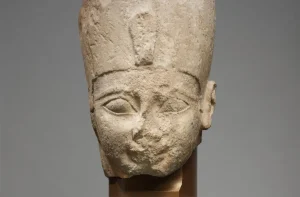
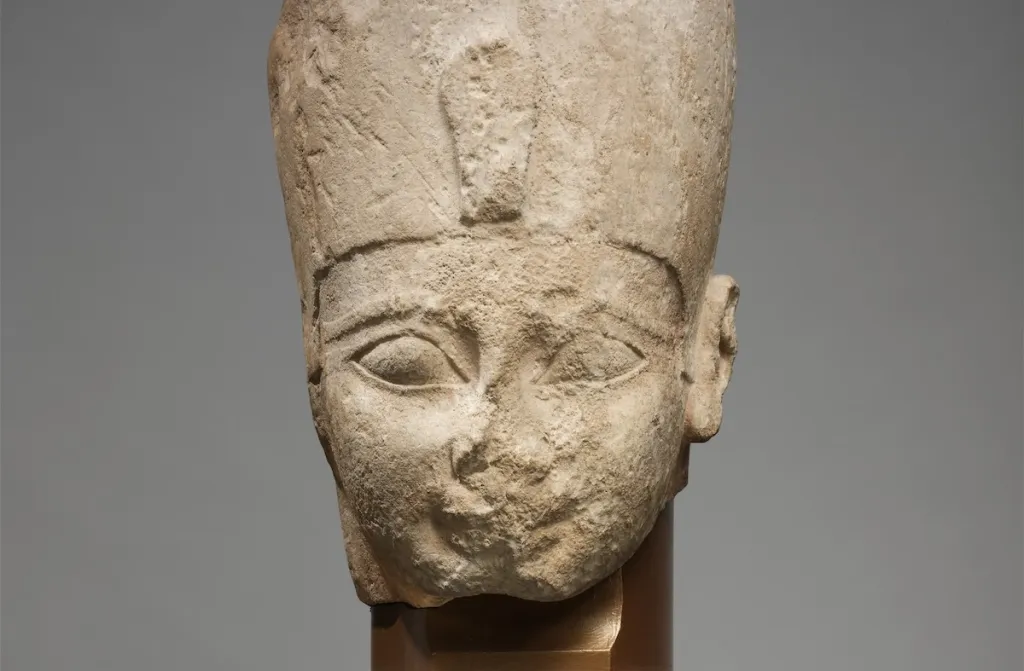
Ahmose was the founder of the 18th Dynasty and the New Kingdom, a period of renewed prosperity in ancient Egypt after several difficult centuries. The Tempest Stela, an artifact from the reign of Ahmose, describes a climate event that scholars have thought might refer to the Thera-Santorini volcanic eruption.
In trying to understand a possible connection between these timelines, the pair conducted radiocarbon dating analyses on artifacts associated with Ahmose from collections at the British Museum and the Petrie Museum of Egyptian and Sudanese Archaeology at University College, London, and seeds and branches that were charred in the eruption, before comparing the results.
“The most important object has been a mud brick excavated around 1900 by British archeologists in the temple of Ahmose in Abydos, in southern Egypt,” Bruins told the Times of Israel. “The brick is stamped with the throne name of the king Nebpehtire. Ahmose was a quite common name in Egypt at the time, and other pharaohs were carrying it, but thanks to his throne name, this marked the first time that we could put our hands on an object that can be confidently related to this particular pharaoh.”
The researchers extracted a piece of a straw that had been added to the brick during the time of construction to strengthen it. Radiocarbon dating of the brick determined that they were made to construct the Pharoah’s temple around 1517 or 1502 BCE.
The temple depicts scenes of Ahmose’s battles against the Hyksos Dynasty, which ruled over Egypt’s Lower Kingdom before they were united under the Pharaoh. Therefore, the brick dates to a time after the war during his reign.
The pair also studied six shabtis, or human figurines, that were carved from wood and represented mummies buried with the deceased.
“One shabti carries the name of a person that is also mentioned on an important tomb in Southern Egypt as the mayor of Thebes, and his rule covered part of the time of Pharaoh Ahmose and of his son Amenhotep I,” Bruins told the Times. “The radiocarbon date of this shabti is virtually the same as that of the mud brick. They confirmed each other.”
According to their analysis, the Thera-Santorini eruption occurred 60 to 90 years earlier than previously thought. The Tempest Stela, they discovered, refers to another climate event. They also found that Pharaoh Ahmose ascended the throne in the second half of the 16th century BCE. This research marks the first radiocarbon dating comparison between these two timelines.