






Amid rising operating expenses and dwindling international financial support, the artist-led Picha Art and Research Center in the Democratic Republic of Congo (DRC) has launched an “urgent” crowdfunding campaign on GoFundMe. It has received support from a number of leading artists and cultural figures including Elvira Dyangani Ose, who was recently announced as the new artistic director for the Zeitz Museum of Contemporary Art Africa in Cape Town; the Belgian-born, Mexico-based artist Francis Alÿs; and Paula Nascimento, the co-curator of the upcoming Sharjah Biennial 17. So far, the fundraiser has raised more than €6,000 of its €10,000 target.
Picha was founded in 2008 in Lubumbashi, the second largest city in the DRC, by a group of artists and cultural workers including Sammy Baloji and Jean Katambayi Mukendi. The space has been a leading platform for artists in the city and across the country, hosting exhibitions, residencies, training programmes, workshops and art projects. It’s main initiative is the Lubumbashi Biennale, one of the key art events held on the African continent.
“Creating art [in] countries such as ours can be considered a luxury. But it’s not,” Baloji tells The Art Newspaper, pointing to artists’ work on issues like colonialism and environmental concerns in the country. He describes funding in the arts ecosystem in the DRC as “fragile” and states that financing Picha is “an everyday challenge”.
The donations from the crowdfunding campaign will cover Picha’s operational costs, including rent, programming and the upcoming ninth Lubumbashi Biennale, which takes place in October.
The Picha Art Center team Courtesy of the Picha Art Center
‘Lasting cultural infrastructure’
The Lubumbashi Biennale and the Picha Art Center were established after Baloji and a fellow artist were invited to participate in the 2007 Bamako Encounters African Biennale of Photography, organised by the Cameroonian curator Simon Njami. While Baloji had been part of biennials in Europe, Bamako was his first in Africa. The experience, including the work showcased and the scale of the event on the continent, encouraged him to start initiatives to build and support the local art scene in the DRC.
The lack of infrastructure and the absence of state funding has made their mission difficult. Up until now, Picha’s work—especially the Lubumbashi Biennale, which brings in artists from across Africa—has been self-funded by the founders alongside donations from private individuals and international bodies, including French and Belgian cultural agencies and organisations. A reduction in international backing has led to the organisation’s current call for funding.

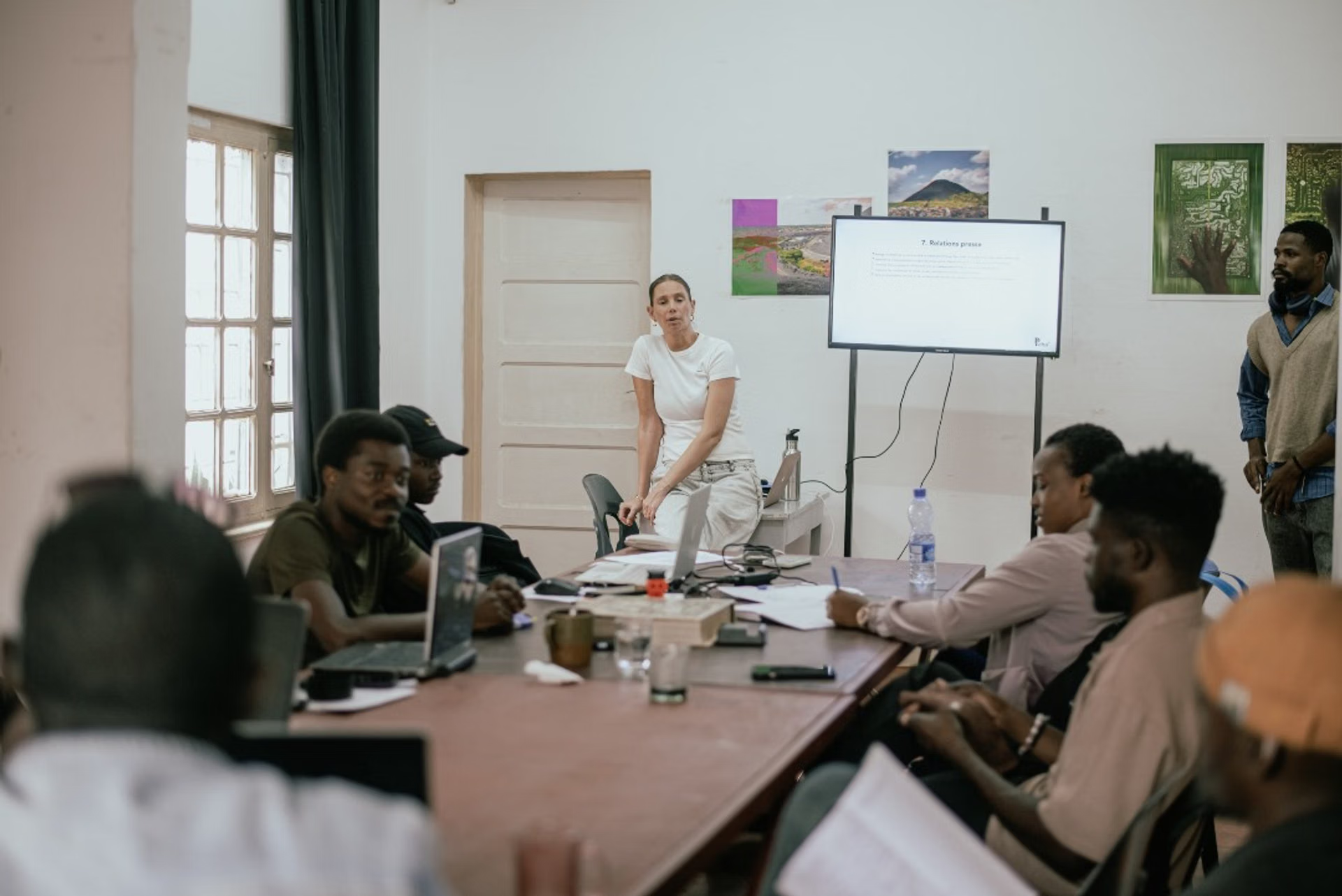
Picha Art Center Courtesy of the Picha Art Center
“I donated because Picha is a long-term cultural institution that creates the conditions for artists, researchers and communities to produce knowledge, exchange ideas, and shape their own narratives,” says the consultant and curator Camille Ostermann, who invited Picha to be part of the special projects initiative at the 2025 edition of 1-54 Contemporary African Art Fair in London when she was an associate director. “Independent spaces like Picha are essential because they build lasting cultural infrastructure and strengthen local ecosystems while contributing to global conversations.”
Hannah O’Leary, a London-based art historian, curator and specialist in Modern and contemporary African art who has also donated, says Picha is “one of the most effective” and important artist-led initiatives in Africa, with others including Yinka Shonibare’s Guest Artists Space Foundation, Ibrahim Mahama’s Red Clay, Michael Armitage’s Nairobi Contemporary Art Institute, and Barthélémy Toguo’s Bandjoun Station.

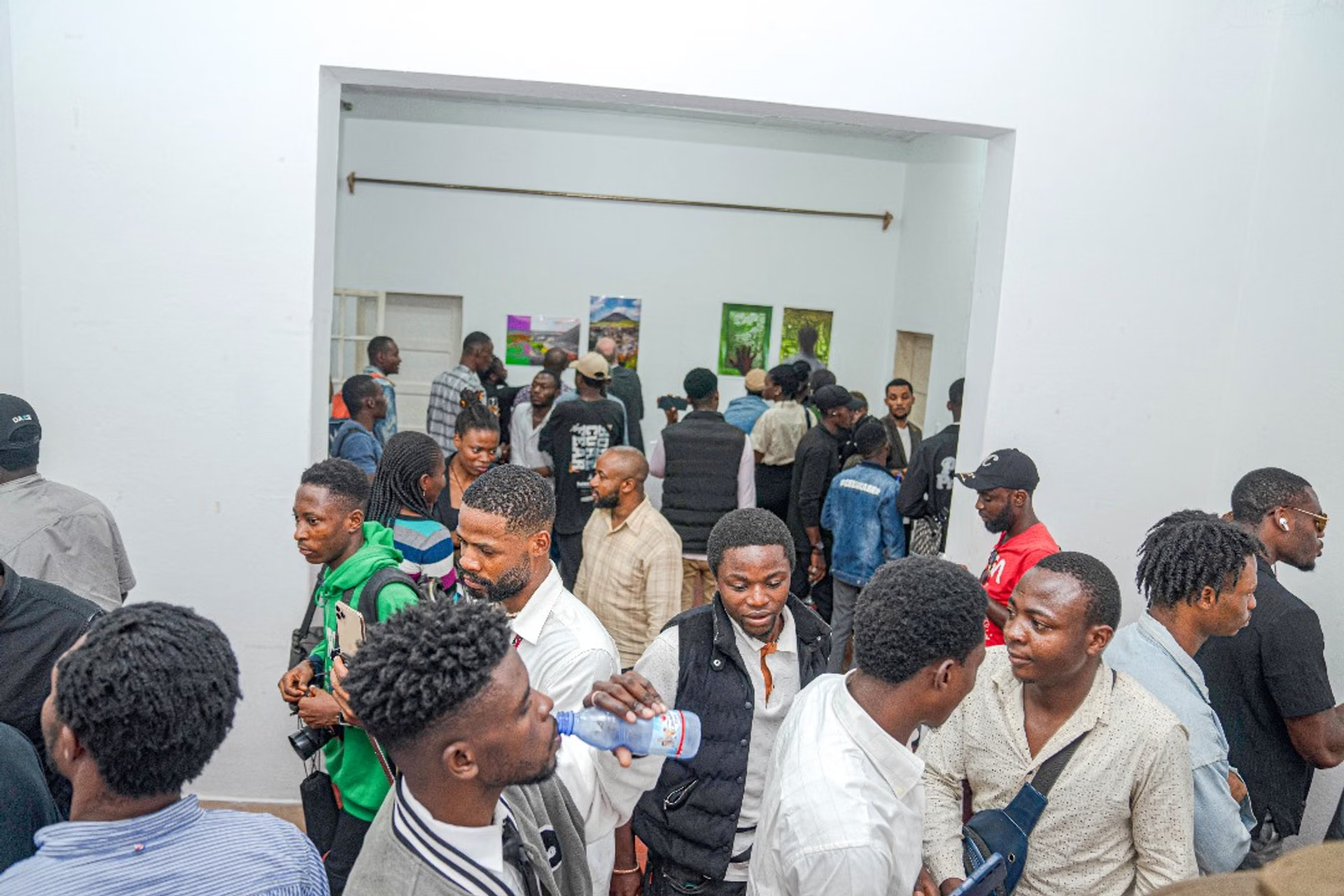
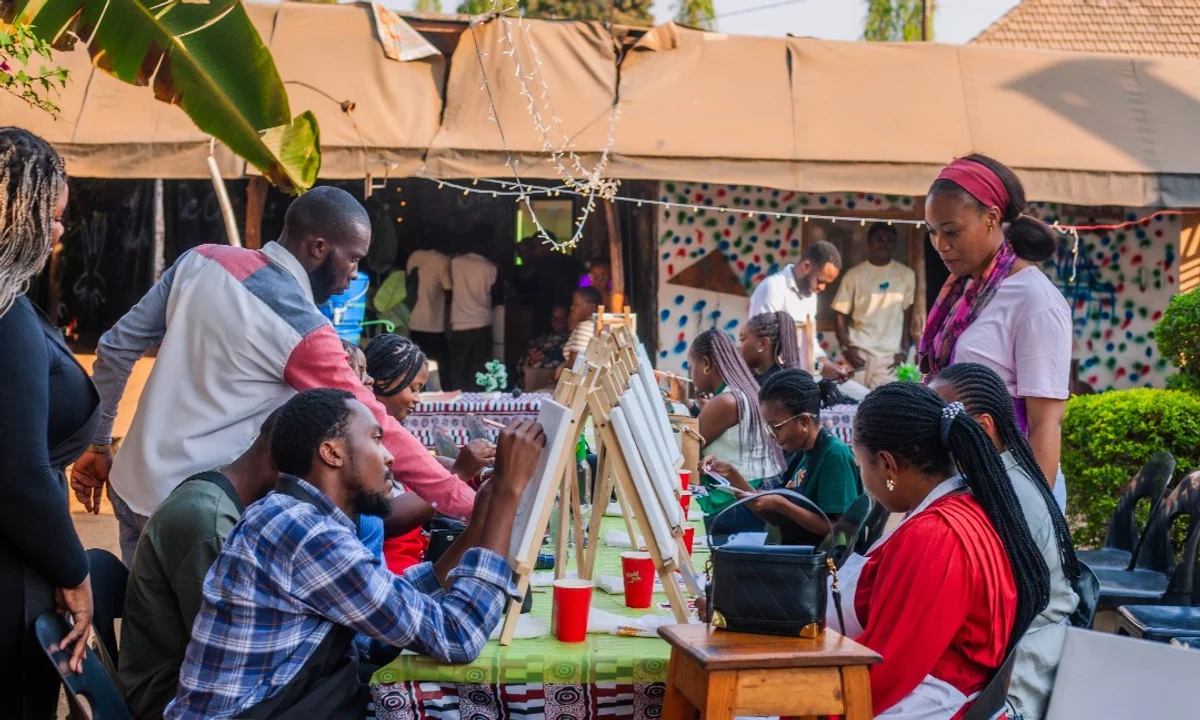
A Picha Art Center event Courtesy of the Picha Art Center
“These artists had to forge their own paths in an international art world historically closed to African perspectives and with limited opportunities on the ground,” O’Leary says. “As a result, founders like Baloji understand better than anyone what artists actually need, especially in a challenging landscape like the DRC, where traditional support is scarce.”
Moving forward, Baloji and his team are considering the long-term process of approaching the state for funds and also trying to garner local support, which is less forthcoming in Lubumbashi—where there is less infrastructure, resources and access—than in the DRC’s capital Kinshasa, he says. Picha has already built a relationship with the University of Lubumbashi and is looking to explore collaborations with new institutions and residency programmes.
“Opportunities for artists on the African continent are essential to building a sustainable, independent art ecosystem,” O’Leary says. “Picha is paying it forward for current and future generations of artists and their audiences by building something deeply rooted and durable, which is why it deserves our full support.”


