





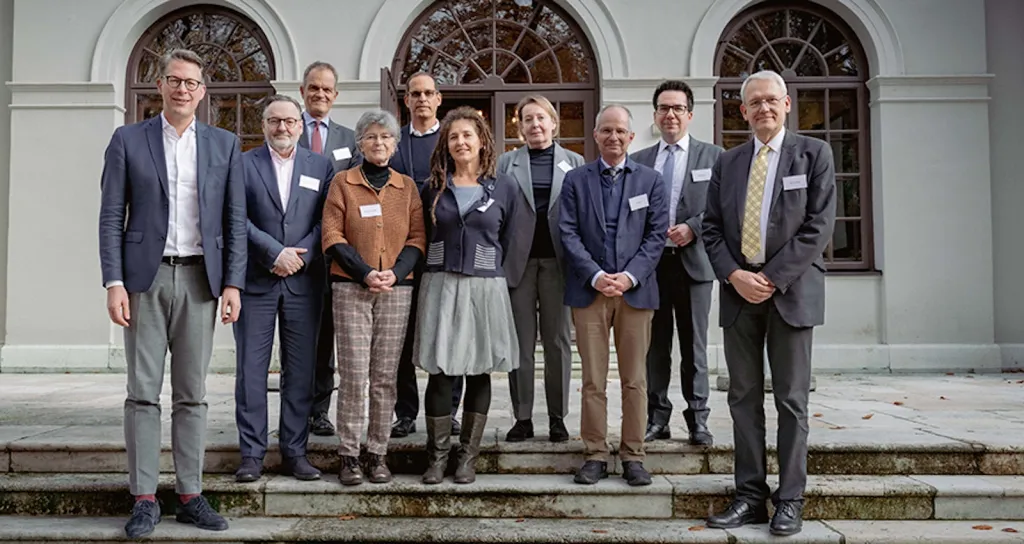
The German state of Bavaria has overhauled the way that claims for restitution of Nazi-looted artworks will be evaluated. The state will establish a Center for Provenance Research and Restitution Issues of Nazi-Looted Art at the Institute for Contemporary History (IfZ). This takes the provenance research outside of the museums that own the works and thus could be suspected of being less than objective in evaluating such claims. Andreas Wirsching, director of the IfZ, called the move a “quantum leap” in a press announcement. Wirsching headed up the Roundtable on Historical Responsibility that devised the new procedures.
The group will be chaired by Raphael Gross, director of the German Historical Museum in Berlin and will have eight members specializing in history, art history, and law. It will initially operate for a five-year term.
“We have faced up to our historical responsibility,” says Bavaria’s Minister of Art, Markus Blume, in the announcement. “With the establishment of the Independent Commission and a scientific center for provenance research and restitution issues at the IfZ, we are strengthening research and providing restitution recommendations based on the new nationwide assessment framework for arbitration for Nazi looted property.”
Bavarian State Paintings Collections director Bernhard Maaz resigned in April 2025 amid reports of Nazi-looted art in the collections. At the time, Blume said there had been “indications and allegations of misconduct and organizational failure” at the institution, prompting an internal investigation by a former public prosecutor. He also acknowledged a “crisis of confidence” and said that greater “transparency, accountability and consistency” were needed.
The decision is in line with procedures by other nations, including Austria and the Netherlands, that similarly handle such claims, according to the Art Newspaper (TAN), which first reported the news.
Also on Wednesday, Blume returned a Pablo Picasso bust, Fernande/Beatrice (1905), to the descendants of German-Jewish dealer Alfred Flechtheim, who was persecuted by the Reich, reports TAN. The state had rebuffed a bid for the sculpture by a Flechtheim heir in 2024, but Blume said that new national guidelines for a new arbitration panel had led to that decision being overturned. The lawyer representing Flechtheim’s estate called the move “long overdue justice” but noted that the estate is still awaiting the return of two paintings by Paul Klee and other artworks, adds TAN.


