








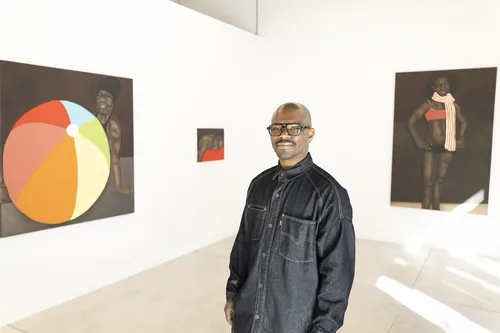
I’ve collaborated with Storm Ascher, founder of Superposition Gallery, for nearly a decade. We cross-promote each other’s shows (I run DOMINIQUE in Mid-City, Los Angeles), share artists, and split costs for various resources. Five years ago, we did one of our first in-person fairs in New York. It was an intimidating venture, and we stood out as Black gallerists in a predominantly white space.
While prominent Black art dealers, such as Jenkins Johnson and Mariane Ibrahim, have been in the fair circuit for years, Storm and I are part of a new generation of Black gallerists continuing to push through art world barriers. Last February, Storm and I sat across the aisle from each other as exhibitors at Frieze LA. It was an important moment of solidarity; over the past half-decade, we’ve been thrilled to look across convention centers to see a growing number of artists, collectors, art advisors, and other gallerists who look like us.
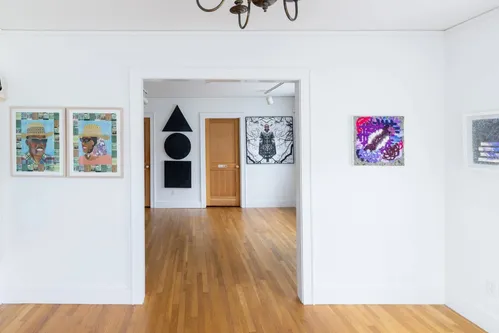

Since Storm and I met, the number of Black gallerists at fairs seems to have doubled. In 2015, there wasn’t a single Black-owned gallery in the main section of Art Basel Miami Beach. In 2025, Nicola Vassell and Jenkins Johnson were there, and Welancora Gallery participated in the Nova sector. Their presence allows Black and otherwise marginalized artists to find opportunities and partnerships within their own communities. After all, many prominent Black artists start out by showing in small Black art spaces.
Unfortunately, those outlets face significant financial pressures and biases that often lead them to shutter, and Black artists have to seek representation elsewhere. This is a problem, because Black artists who get scooped up by blue-chip galleries may have less access to the Black collectors who will champion and protect their work. They become easier to exploit. Black art dealers, in contrast, support their communities and cultivate cultural stewardship as they prioritize relationships with Black museums, universities, and individual collectors.
This Black History Month, I asked three Black gallerists how they stay resilient in the face of today’s economic and political instability. They are part of a robust tradition. In 2026, almost every major U.S. city has a Black-owned gallery. Some have been around for almost 40 years. New York’s Peg Alston worked with the late, legendary artists Ed Clark and Romare Bearden. New Orleans’s Stella Jones has shown the celebrated Elizabeth Catlett for over 15 years. Newcomers Superposition and Jonathan Carver Moore champion younger voices and aim for such longevity and depth. This February is an ideal time to visit these spaces, plan a vacation around an art fair where they’ll participate, or shop their websites. Patronage is critical to supporting these programs. In the words of Jean-Michel Basquiat, “The greatest treasures of the world are art. They are the most lasting; they are still here after people.”
Stella Jones
Stella Jones Gallery, New Orleans
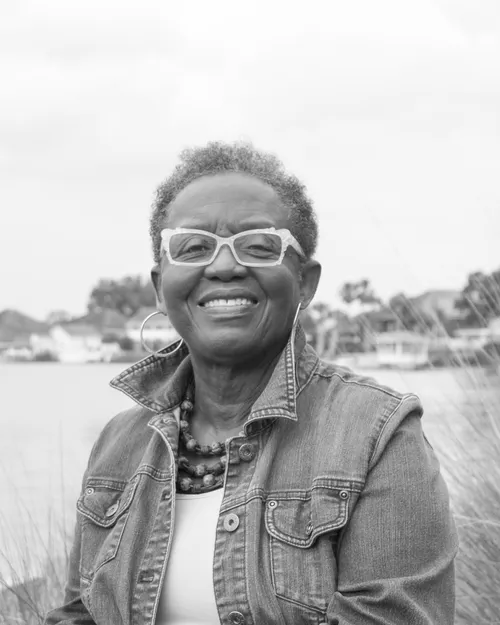

“For me, resilience has always been both strategic and personal. From the beginning, I focused on keeping overhead low, offering works that spoke to a wide range of collectors, and staying deeply connected to my community. You have to understand who you are serving and build accordingly. Sustainability comes from knowing your environment and serving it thoughtfully. But resilience is also about preservation of energy, of joy, of perspective. I take my days off. I love football and basketball. I treasure family gatherings and time with my children. And I travel. Travel resuscitates you. I especially love going to Africa, because it reconnects me to history, to creativity, to possibility.
Over the years, I’ve learned to roll with the punches and to find myself in whatever moment I’m facing. You step in where you fit in. You have to know what’s within your power and what isn’t. When Hurricane Katrina hit, I couldn’t stop it. No one could. That was an act of God. But I could figure out how to leave New Orleans safely, how to return, and how to continue supporting artists afterward. I was able to do that because I had prepared for years before—financially, emotionally, and professionally.
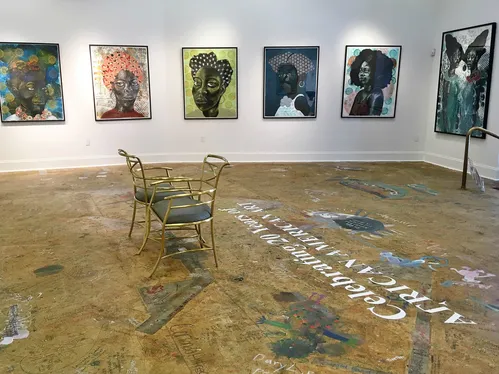

I didn’t come into the gallery world seeking a new career. I come from medicine, where you make decisions, often quickly, and often with serious consequences. That training shaped how I operate as a gallerist. You don’t have to be a doctor to survive in this field, but you do have to be decisive. You have to assess the situation in front of you, trust your judgment, and move forward with purpose. That mindset has sustained me.”
Storm Ascher
Superposition Gallery, New York

“For me, resilience comes from a long tradition of care that extends beyond the self. Being accustomed to cycles of oppression and resistance teaches you how to think systemically—and how to care for the world, not just survive within it.
“That mindset shows up in our current programming. This Black History Month, we’re presenting new work by Alex Anderson in Artsy’s online Black-Owned Galleries Now sector. His ceramics practice looks at how forces like heat, pressure, gravity, and time shape material into form, revealing endurance and pattern as fundamental conditions of life.
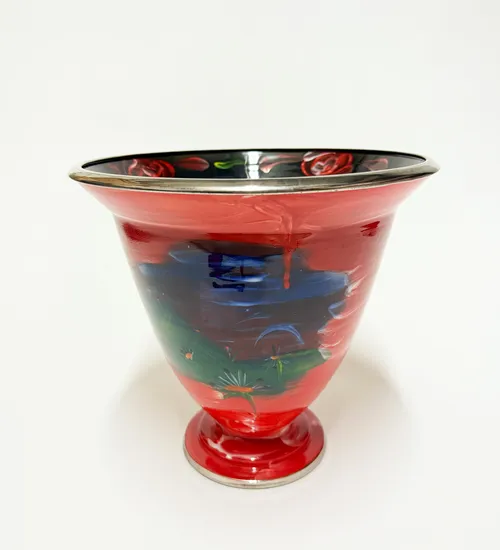

Blood Vessel 3, 2025
Alex Anderson
Superposition
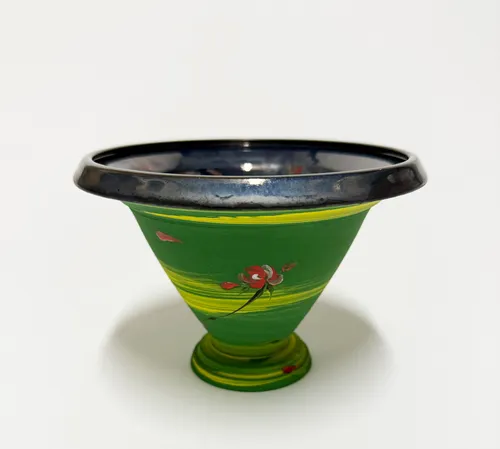

Rose and Grass Vessel, 2025
Alex Anderson
Superposition
“At Frieze Los Angeles, our presentation of Greg Ito centers on a family heirloom—a trunk used during his family’s World War II incarceration—and reflects on how memory, care, and history are carried forward across generations.
“These projects reflect Superposition’s mission to lead with healing, continuity, and collective responsibility—I’m adamant about building worlds, not just exhibitions.”
Jonathan Carver Moore
Jonathan Carver Moore Gallery, San Francisco
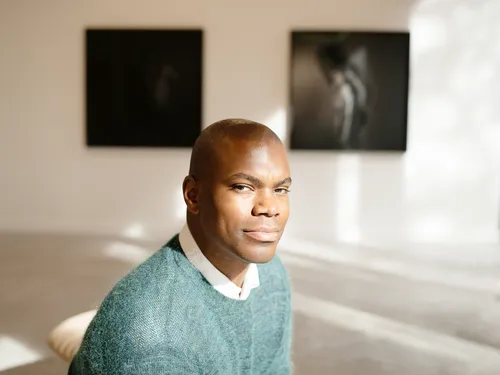

“For me, staying resilient during Black History Month as a gallerist means holding both visibility and responsibility at the same time. It’s a month when attention intensifies, but so do expectations, extractive asks, and symbolic gestures. Resilience comes from staying rooted in the long view—continuing to advocate for artists beyond a calendar moment, protecting their labor, and resisting the pressure to overperform or dilute the work for temporary validation.
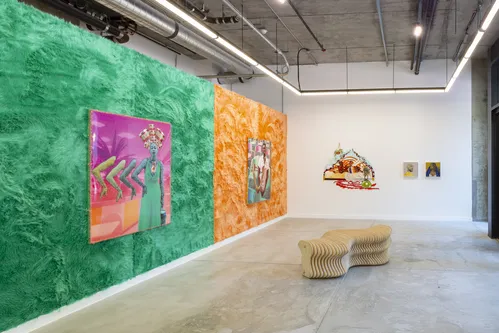
“I stay grounded by centering care: care for the artists I represent, for myself, and for the community we’re building. That looks like setting boundaries, prioritizing depth over scale, and honoring the fact that Black history is not an annual theme but a living, ongoing practice. Resilience, for me, is continuing to move with intention—building infrastructure, nurturing relationships, and trusting that slow, values-driven work is itself a form of resistance and preservation.”


