






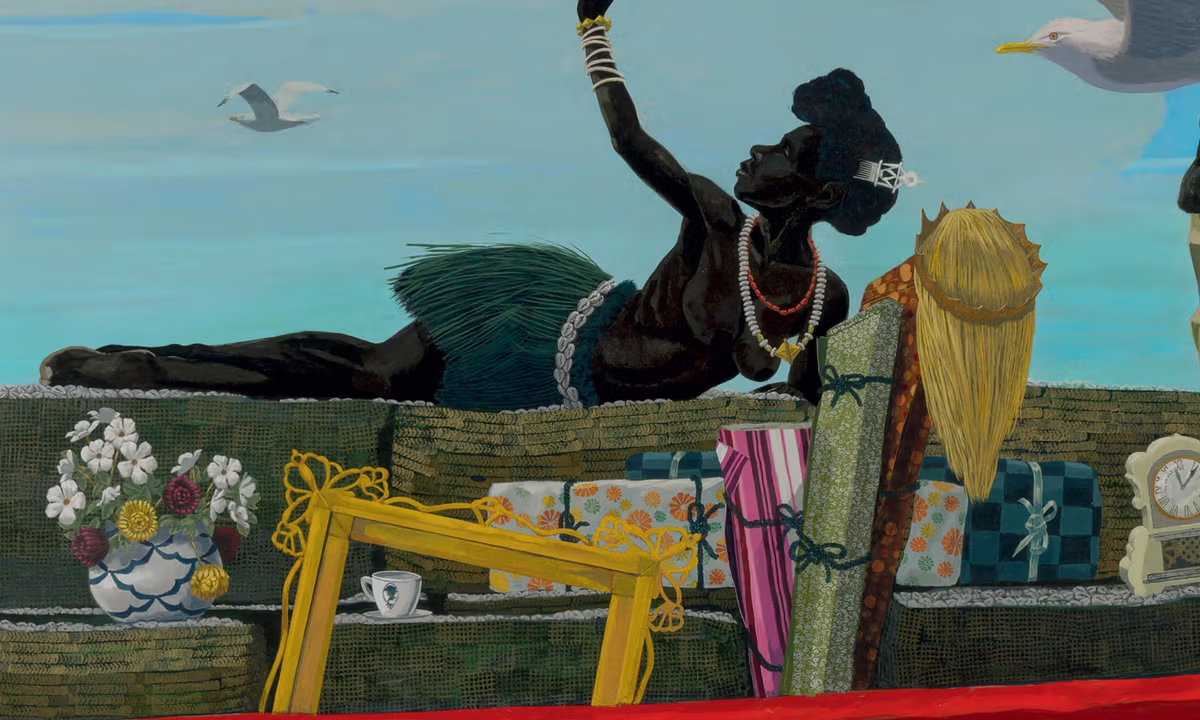
Kerry James Marshall: The Histories, edited by Mark Godfrey (Royal Academy of Art)
This stunning catalogue of the major Royal Academy of Arts exhibition, surveys the American artist’s powerful response to the Western Art “great style” history-painting tradition. While registering his artistic ancestry, from Giotto’s Renaissance frescoes to Picasso’s Guernica (1937), Marshall situates the historically absent and marginalised Black figure at the centre of his striking, large-scale compositions, and at the heart of his narratives. J.R.

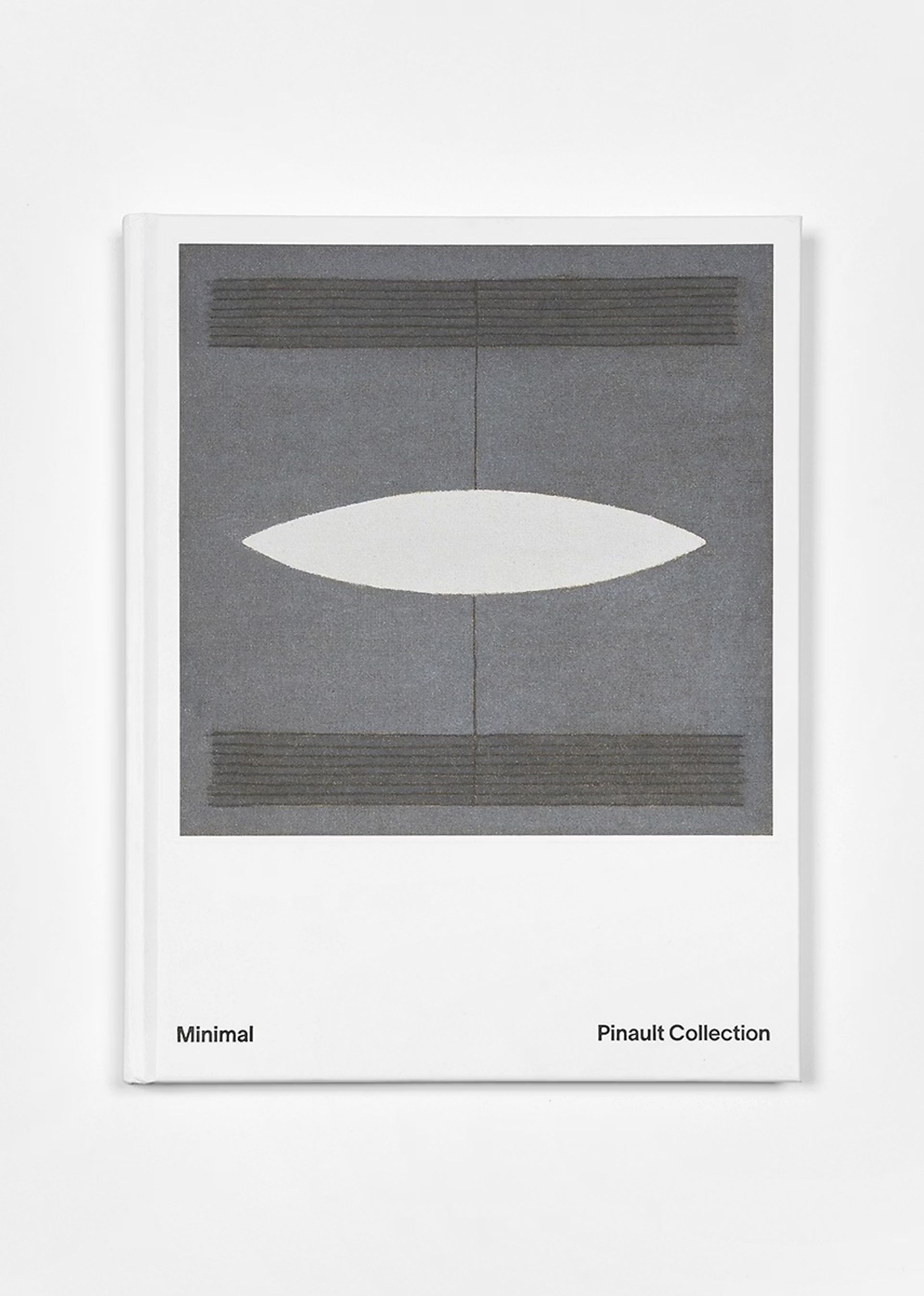
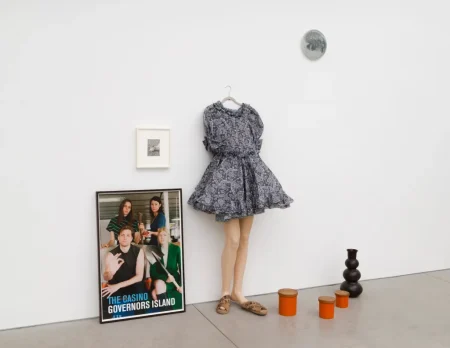
Minimal, edited by Jessica Morgan (Pinault Collection/Éditions Dilecta)
Minimalism as a movement is regularly dissected and deconstructed, but this publication, accompanying the Bourse de Commerce Pinault Collection show, “points to the ongoing need to dig deeper into the less documented and established histories and figures from this time [1960s onwards]”, writes the curator Jessica Morgan. Overlooked artists such as Meg Websterand Kishio Suga of Japan are among the practitioners surveyed and reassessed. G.H.

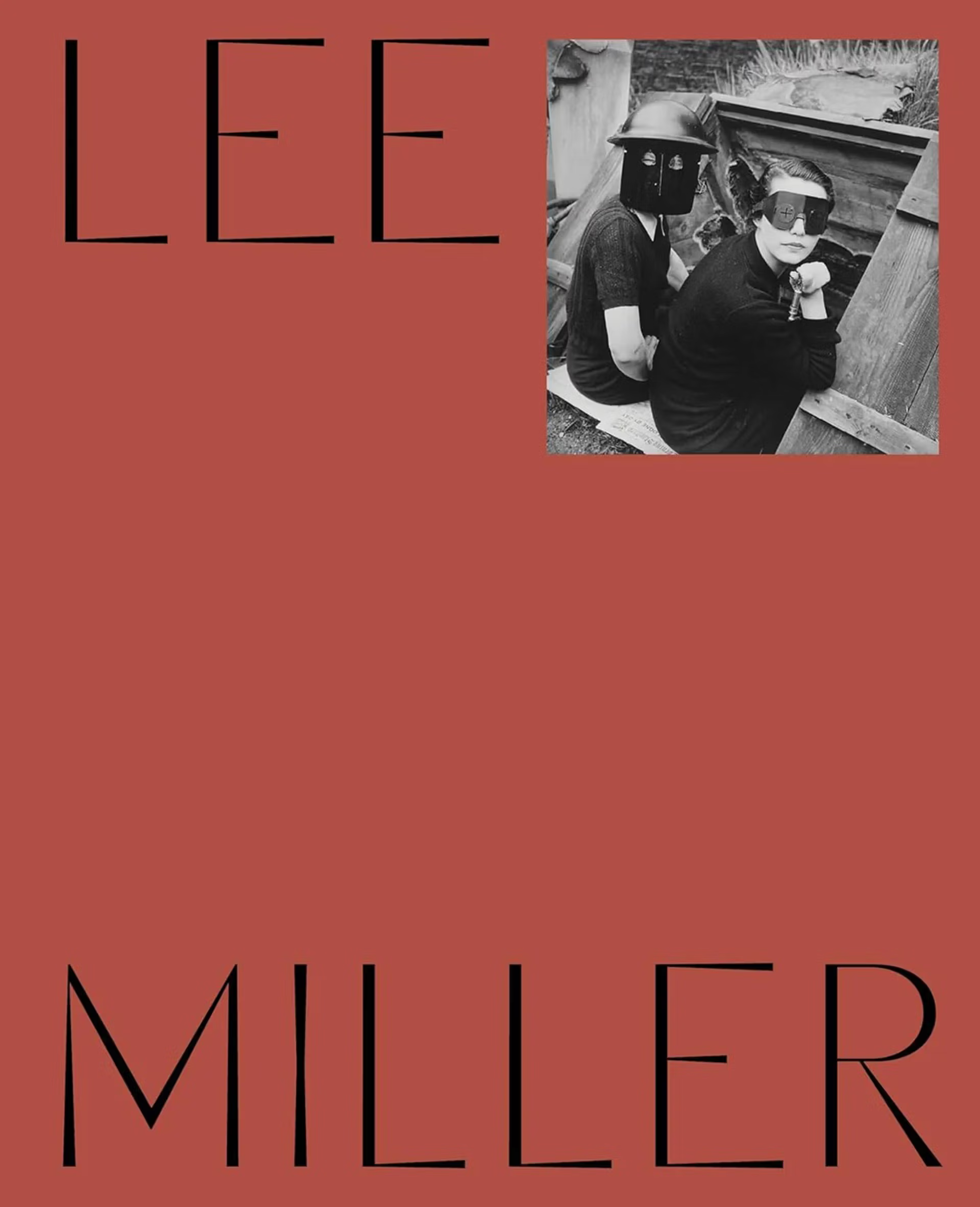
Lee Miller, edited by Hilary Floe and Saskia Flower (Tate Publishing)
Tate Britain’s exhibition catalogue takes us through Lee Miller’s many lives: Vogue, experiments with Man Ray, portraits of famous friends, photographing the horrors of Buchenwald and Dachau. Miller’s exceptional work is the focus here, but it is impossible to separate it from her remarkable life. As the novelist Deborah Levy writes in her catalogue essay: “[Miller] stepped out of the delicate gowns of a fashion model and into the khaki uniform of a war photographer. Yet so much work and life had happened in between.” J.S.

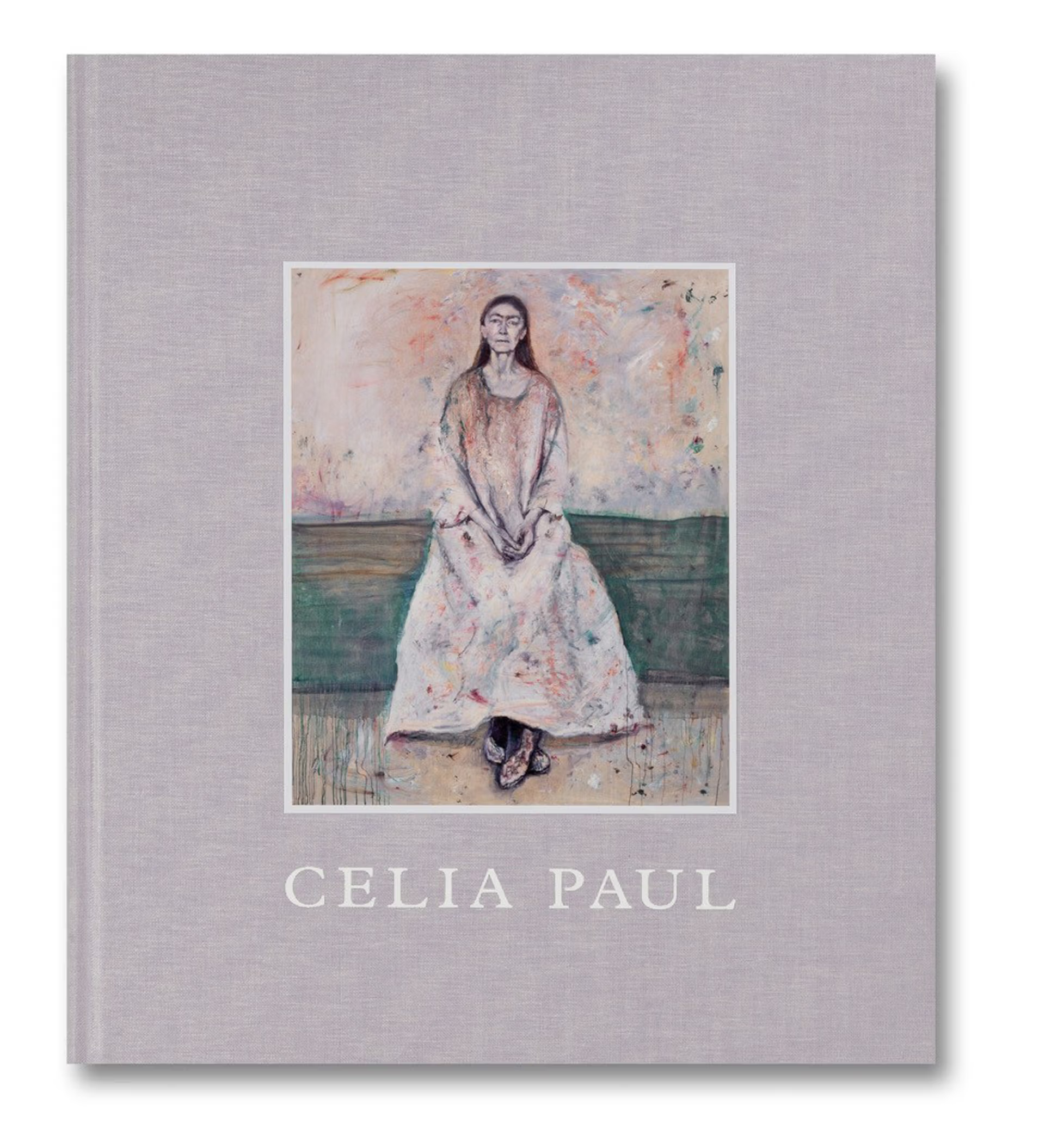
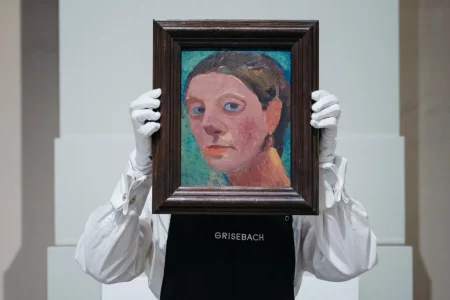
Celia Paul: Works 1975-2025 by Celia Paul (MACK)
This survey of half a century of the Indian-born British painter’s haunting work is as gorgeous as it is hefty. The high production values—linen bound, whole page reproductions—are reflected in the £150 price. Although it was produced to accompany this year’s Victoria Miro exhibition, it stands alone and must signal, once and for all, Paul’s triumph over the hoary machismo of Lucian Freud and other Colony Club habitués. J.R.


Shahzia Sikander by Jason Rosenfeld (Lund Humphries)
Lund Humphries’s beautiful survey of the Pakistan-born, New York based multimedia artist is part of its Contemporary Painters series and reflects its commitment to promoting women practitioners. With painting as the focus, Rosenfeld guides us expertly through Sikander’s career, notably as a pioneer of the “Neo-Miniature” movement and as a feminist disruptor of diverse traditions and the homogeneity of contemporary art. J.R.


Artists of the Middle East: 1900 to Now by Saeb Eigner (Thames & Hudson)
The Arab art expert’s timely overview of Middle Eastern art is nothing if not ambitious, featuring more than 250 artists and schools dating from 1900 to today. Eigner expertly analyses key artistic movements from the Maghreb, including the Casablanca School, focusing also on Egypt’s vibrant art scene in the early 20th century, Sudan’s Khartoum School and the thriving art scenes in Damascus and Beirut until the onset of the 1975 civil war. G.H.

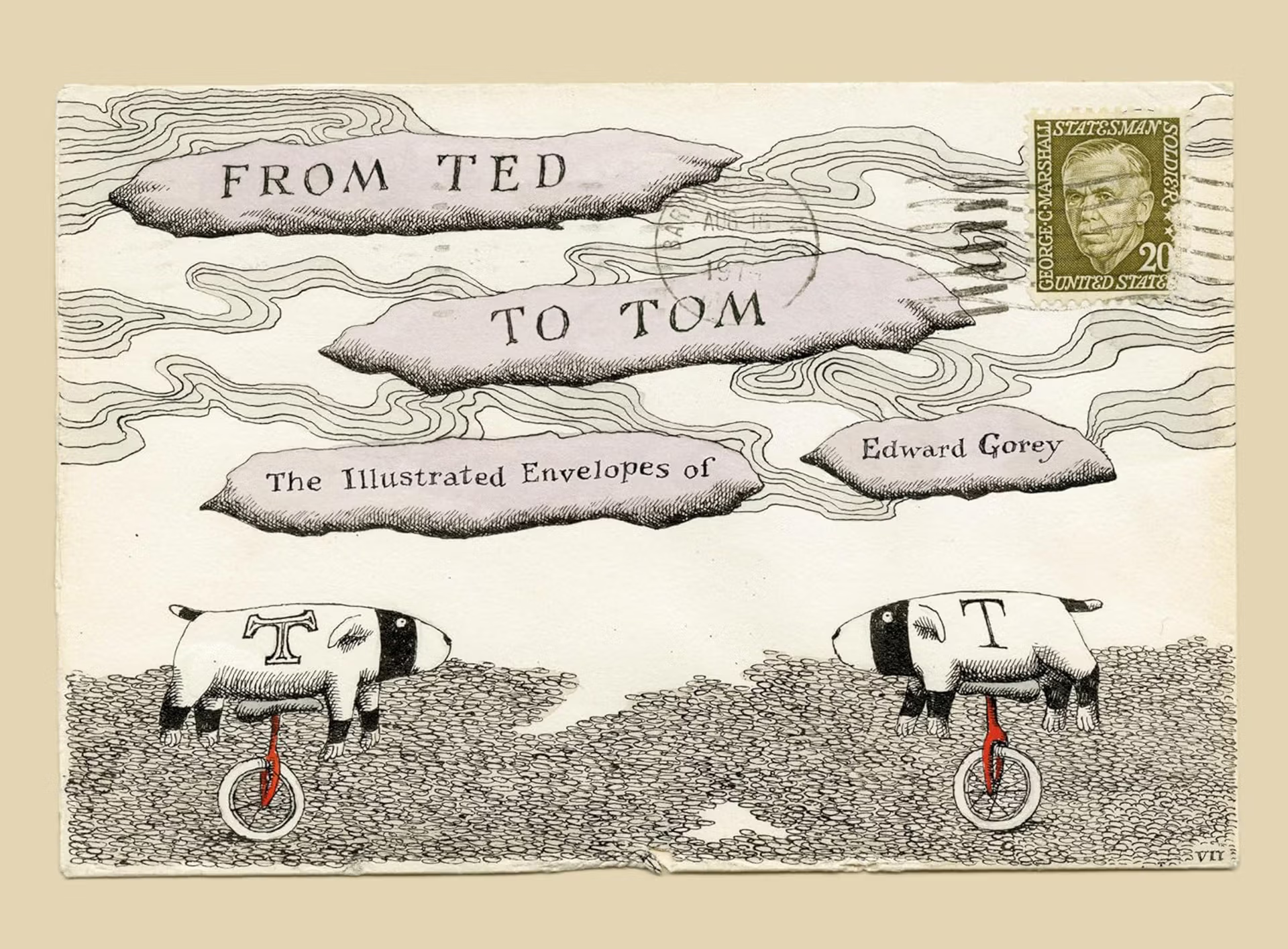

From Ted to Tom: The Illustrated Envelopes of Edward Gorey, edited by Tom Fitzharris (New York Review Books)
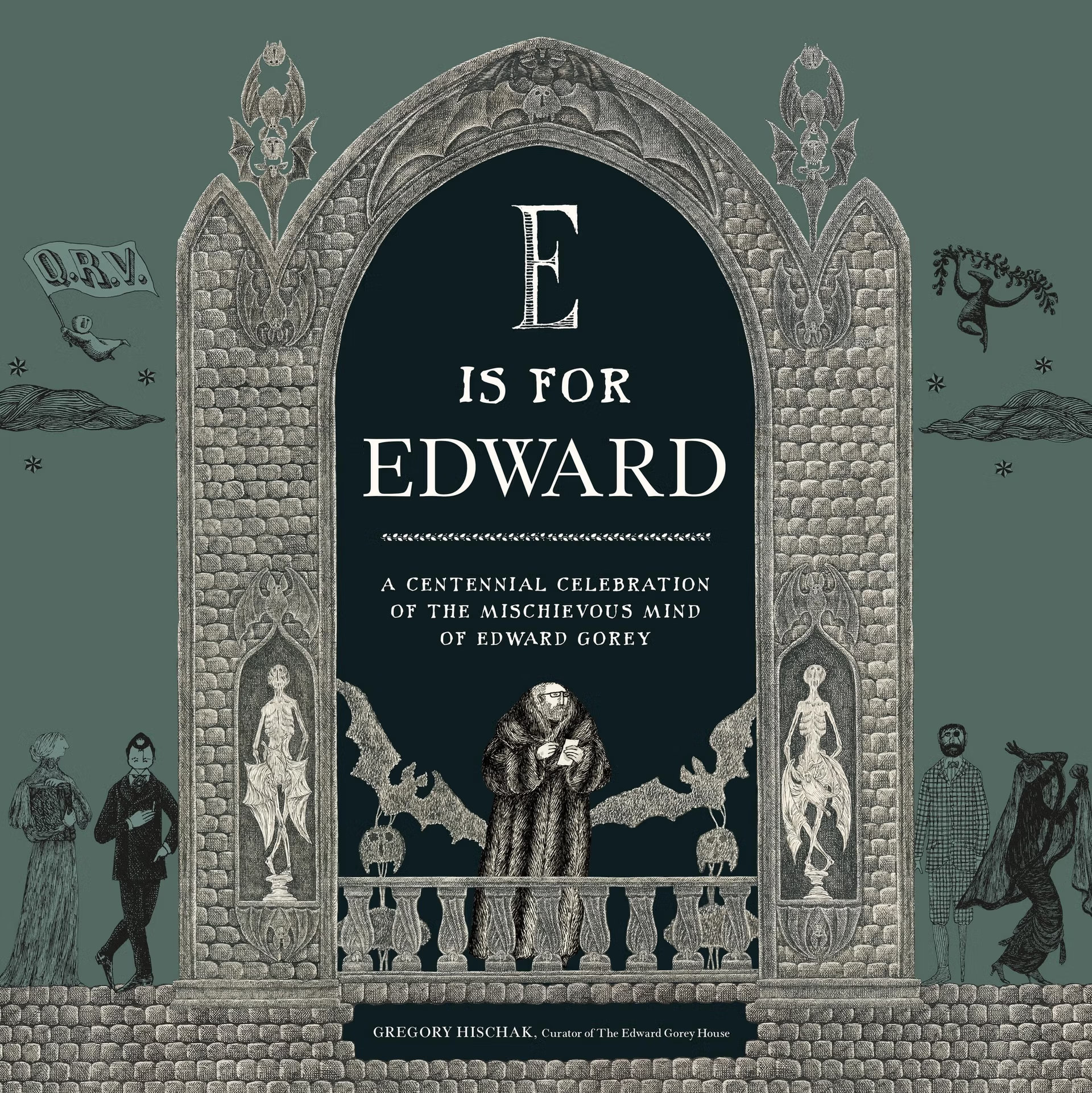
E is for Edward : A Centennial Celebration of the Mischievous Mind of Edward Gorey by Gregory Hishak (Black Dog & Leventhal)
Published to celebrate the centenary of Edward Gorey’s birth, both publications are a must-have for fans of self-illustrated books in the mode of Edward Lear’s “nonsense”, or Tim Burton’s Goth-graphics. E is for Edward is a beautiful survey of Gorey’s exquisite art, uncanny characters and surreal narratives alongside previously unseen archive material, while Fitzharris presents a tender portrait of friendship. J.R.

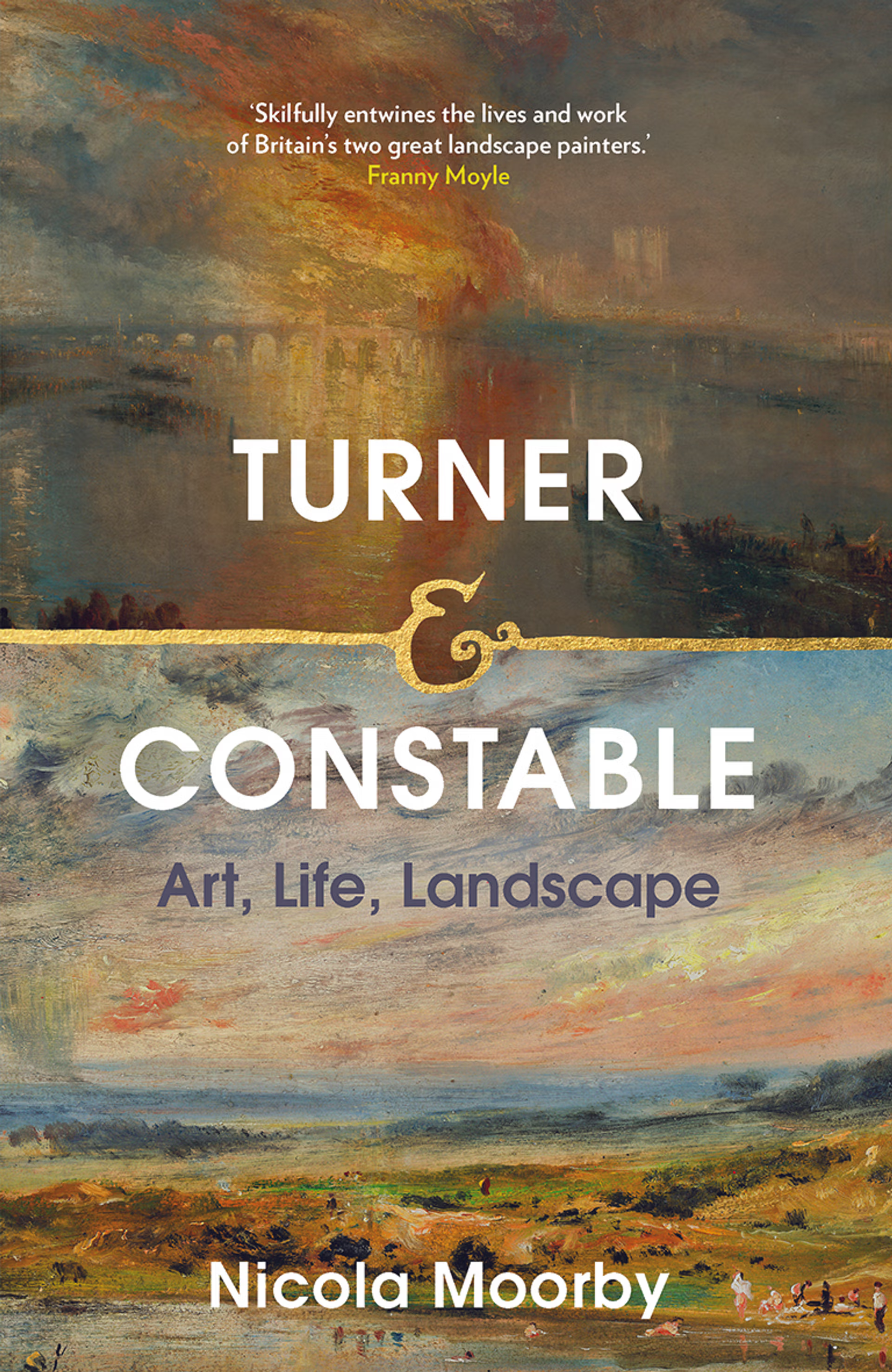
Turner & Constable: Art, Life, Landscape by Nicola Moorby (Yale University Press)
Who was better, J.M.W. Turner or John Constable? They are often pitted together in one of art history’s most memorable and enduring battles. The art historian Nicola Moorby astutely explores the parallels in their practices, highlighting how both men furthered British landscape painting. “Perhaps more than most, Constable and Turner have been susceptible to polarised opinions, ridiculed one minute and revered the next, sometimes for the self-same things,” writes Moorby. G.H.

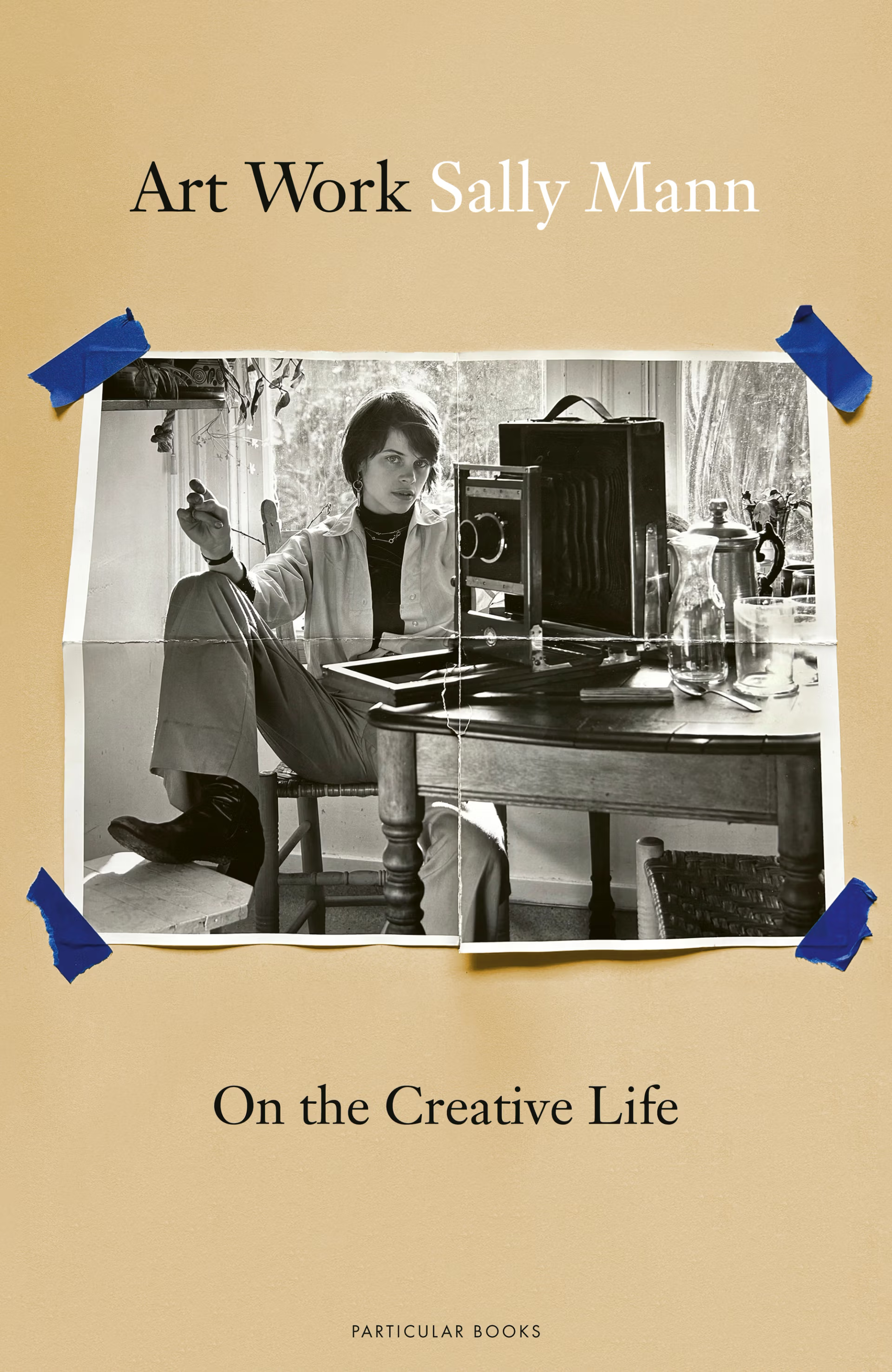
Art Work: On the Creative Life by Sally Mann (Particular Books)
The photographer Sally Mann’s latest book is a biographical how-to. Mann writes openly and candidly with a near-naïve sincerity at times, which is refreshing. Equally, she understands that yes, she has had success, but that it has come thanks to the confluence of many things, including blind luck, hard work, determination, risk taking, family support and some degree of talent. Although ostensibly about being an artist, the book is really about living a good life. J.S.