





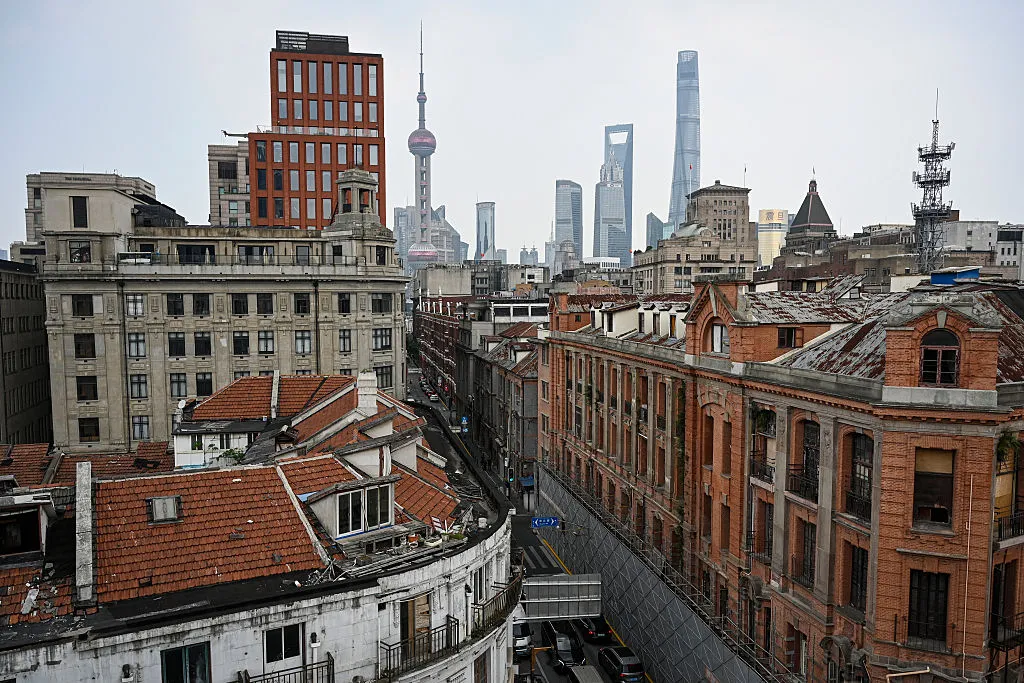
Two former managers of a prominent Shanghai auction house have been sentenced to lengthy prison terms for orchestrating an extensive fraud scheme that led one collector to spend about RMB 500 million ($74 million) on counterfeit or grossly overpriced artifacts.
Hong Kong media reported on Wednesday that the collector, from Shandong province, purchased more than 40 items from Shanghai Jiahe Auction Co., Ltd., only to discover that authentication documents revealed many were forgeries or had been assigned artificially inflated valuations. The two former managers were convicted in four cases and sentenced to 14 years and six months and 12 years in prison, respectively.
According to the court judgment, the pair arranged for employees and associates to drive up bidding prices at auction, inducing the collector, identified under the pseudonym Li Pin, to purchase the items at inflated prices. The profits were then divided between the consignors according to a prearranged agreement.
In one reported instance, Li paid RMB1.68 million (US$247,000) for a vase purportedly from the Qianlong era of the Qing dynasty, only for experts to later appraise it as a modern replica worth just RMB250 (US$37). The collector was also persuaded to pay RMB23 million (US$3.4 million) for an ink painting attributed to the pioneering artist Fu Baoshi. The consignor was later identified as an accomplice in a separate auction fraud case in Hebei province.
In Hebei, a collector identified as Mr. Ding reportedly entrusted a Shanghai auction house with the sale of a painting. According to prosecutors, the auction was manipulated through the use of planted bidders, resulting in Mr. Ding unknowingly repurchasing his own artwork for RMB6.8 million (US$1 million)—far below its reserve price of RMB12 million (US$1.8 million)—in a tactic known as “staged hammering.”
An investigation into the as-yet unnamed auction house is ongoing amid mounting concerns over misconduct in Shanghai’s auction industry.


