






In a statement released on January 10, the South African Ministry of Sport, Arts, and Culture has denied censoring its 2026 Venice Biennale pavilion. As reported by ARTnews last week, the ministry canceled the proposed artwork for the pavilion on December 2.
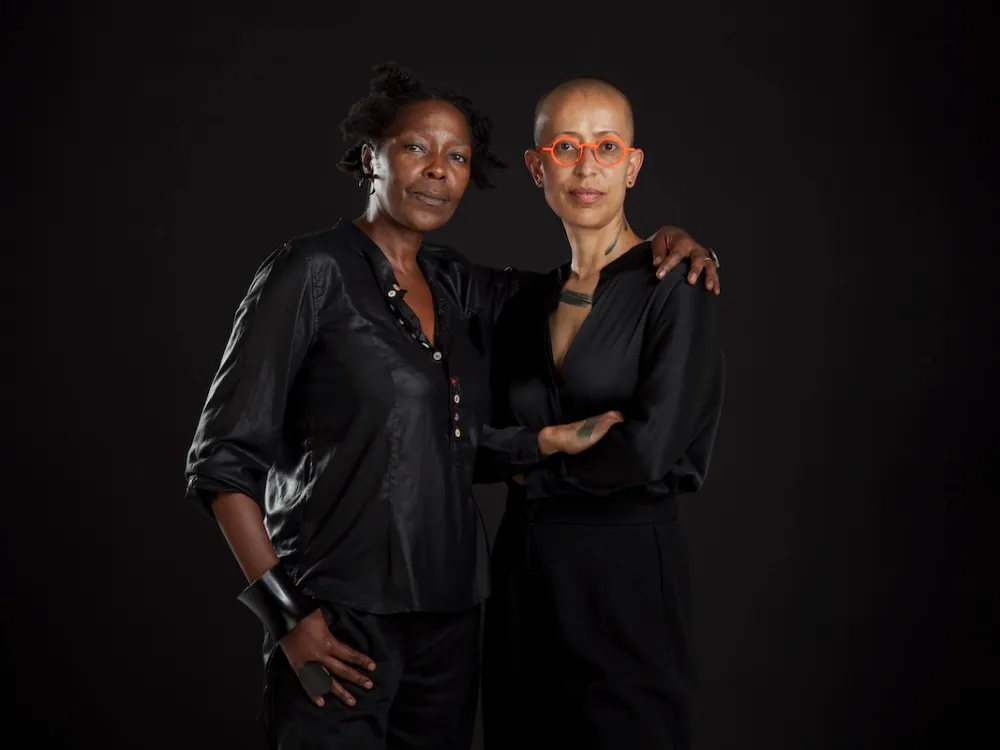
A selection committee appointed in November by the nonprofit organization Art Periodic, the ministry’s partner in administering, producing, and fundraising for the South African Pavilion, had chosen a work by South African artist Gabrielle Goliath as the nation’s entry in the Biennale. The proposed piece, curated by Ingrid Masondo, would have been the latest installment of Goliath’s series “Elegy,” a project begun in 2015 as a performance about sexual assault and femicide, both in South Africa and outside it.
As described by the Daily Maverick,, a South African publication, the new “Elegy” work was set to explore the killings of women and queer people in South Africa, as well as the killings of women in Namibia by German forces during a genocide in the early 20th century. A final section was to honor Palestinian poet Hiba Abu Nada, who was killed, along with her son, during an Israeli airstrike in October 2023.
According to the Maverick, South African culture minister Gayton McKenzie, claimed in a letter to the selection committee that the work was “highly divisive in nature and relates to an ongoing international conflict that is widely polarizing” before pulling the submission. On January 8, the selection committee published a response protesting the ministry’s decision.
The new statement, signed by McKenzie, casts that decision not as censorship, but as a safeguard against foreign interference in South African politics. It reads in part, “[W]hen it was brought to my attention that a foreign country had allegedly undertook [sic] to fund South Africa’s exhibition, this was raised as a concern with Art Periodic, who clarified that—according to their understanding—this foreign country had actually undertaken to purchase the artworks concerned following the conclusion of the Biennale. This nevertheless still raised alarm, as it was being alleged that South Africa’s platform was being used as a proxy by a foreign power to endorse a geopolitical message about the actions of Israel in Gaza.”
The Ministry of Sport, Arts, and Culture has not responded to ARTnews’s enquiries about the source of these allegations, which foreign entity is being referred to, or how that entity might have directly or indirectly interfered with the funding of the pavilion. For their part, Art Periodic states on its website that the company “no longer holds a mandate to proceed with the project or to make any announcements in relation to it.”
Participating countries were to have submitted their final plans for this year’s Venice Biennale by January 10.


