






The US Supreme Court said on Monday that it will not hear a case over whether art by artificial intelligence can recieve copyright protection.
The decision all but ends the years-long quest by computer scientist Stephen Thaler to have art crafted by his AI system “DABUS” recieve federal copyright protection.
In a 2024 profile in Art in America, Thaler told Shanti Escalante-De Mattei that he viewed DABUS as a “proto-conciousness” capable of experiencing stress and trauma. Gaining copyright protection, as Thaler painted it, was about affirming the agency of his AI model, rather than ensuring some financial benefit. “Is DABUS an inventor? Or is he an artist?” he said at the time. “I don’t know. I can’t tell you that. It’s more like a sentient, artificial being. But I even question the artificial part.”
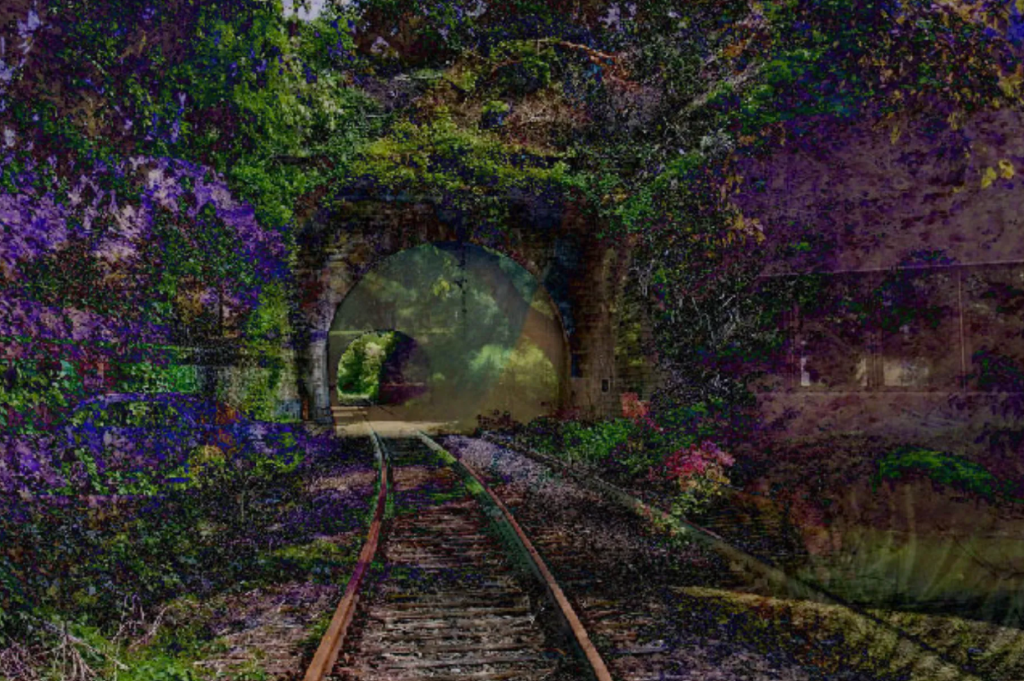
Thaler’s quixotic quest began when he submitted a federal copyright registration in 2018 for the artwork A Recent Entrance to Paradise, produced during one of his many experiments with DABUS. The Copyright Office rejected the application in 2022, determining that a work must have a human author to recieve a copyright.
In contrast to other (failed) efforts to gain copyright on AI-generated work, Thaler was not trying to get a copyright for himself, or claiming that he created the work with AI assistance. Instead, he argued that DABUS created “A Recent Entrance” independently.
Thaler appealed the case, which was brought to a federal judge in Washington in 2023; the judge ruled that human authorship is “a bedrock requirement of copyright.” The US Court of Appeals for the District of Columbia Circuit affirmed the ruling last year.
The Trump Administration urged the court to not take up Thaler’s case, coming down firmly on the side that copyright belongs only to humans.
Thaler’s lawyers said the decision will “irreversibly and negatively” impact AI development in creative industries, according to Reuters.


