








The global race for critical minerals has begun. As the US stares down a future of massive industrial shifts, the strategy is clear: secure the supply chain or get left behind. Demand for nickel is hitting overdrive, fueled by its role in electric vehicle (EV) batteries, high-strength stainless steel and high-stakes defense tech.
But there’s a catch. The US is still leaning heavily on international sources, which makes the hunt for stable, domestic “homegrown” supply a national security priority.
For US policymakers, domestic independence is now a requirement, evidenced by the 2026 launch of Project Vault, a strategic mineral reserve with US$12 billion in initial funding designed to shield domestic manufacturers from supply shocks.
This is where Oregon poses an opportunity as a strategically vital region holding what might be the best domestic nickel opportunity in the US. By tapping into Oregon’s nickel laterite deposits, the US potentially has an answer to its own domestic supply chain challenges.
Nickel is essential to the green energy transition
While 70 percent of nickel production goes into stainless steel for infrastructure, the real growth engine is the EV market.
However, with global supply often tethered to volatile regions or controlled by a handful of international players, the risk for investors is real. Long-term demand is moving up, but controlled supply is keeping the pressure on.
Nickel production worldwide
By 2026, Indonesia is on track to control more than half of the world’s nickel output, producing 2.2 million metric tons of nickel in 2024. The biggest hub of this expansion is the Weda Bay operation, currently the largest nickel mine on the planet and a massive testing ground for high-pressure acid leach technology, which is the industry’s go-to for churning out battery-grade material.
Indonesia isn’t the only big player. In New Caledonia, the Goro mine sits on one of the deepest pools of laterite reserves found anywhere, capable of hauling in 60,000 tonnes of nickel a year. Next is the Ambatovy project in Madagascar. It’s one of the most ambitious setups in Africa, successfully pulling roughly 30,000 metric tons of nickel out of the ground as of early 2026.
In North America, laterite deposits, like those found in Oregon, are massive, significant and typically sitting near surface. The Klamath Mountains in Southwestern Oregon, extending into Northwestern California, host numerous nickel laterite occurrences.
The nickel laterite advantage
Unlike deep, expensive sulfide mines that take decades to build, laterites offer a different profile for scale and development. They represent a strategic pillar for long-term supply because they can often be brought online with more predictable timelines and manageable risk. Because nickel laterite deposits are surface-level systems, they allow for lower-cost, open-pit mining and significantly shorter timelines to production than the deep, complex underground operations required for sulfides. This accessibility is paired with a massive opportunity for domestic supply; while much of the world’s laterite is tucked away in tropical regions like Indonesia or New Caledonia, having these deposits in a stable jurisdiction provides a secure, localized chain for US markets.
Additionally, the state of Oregon offers a rare mix of high-grade laterite potential combined with regulatory stability and infrastructure with its existing solid road access and power. These align perfectly with current US initiatives to bring critical mineral production back to American soil.
The Hanna nickel mine in Riddle, Oregon, was a prominent nickel laterite operation between 1950 and 1987. The mine was shuttered in the late 1980s, but in 2023, Homeland Nickel (TSXV:SHL,OTCQB:SRCGF) acquired several nickel laterite deposits located within 100 kilometers of the Hanna nickel mine and within the same geological sequence.
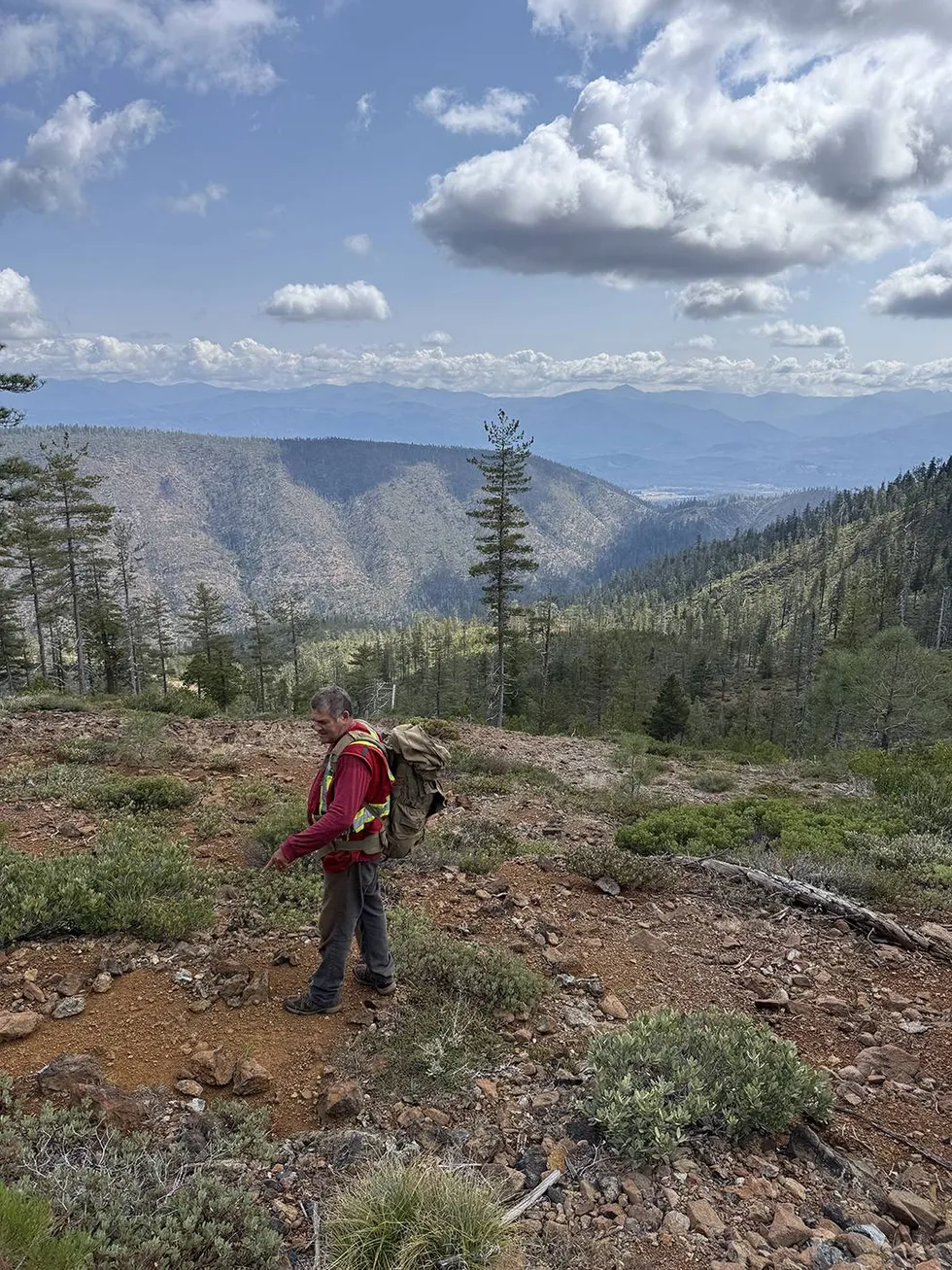

Homeland Nickel is focused on nickel laterite assets in Oregon that fit the US supply chain priority list, positioning themselves right where the national interest meets the market need.
The company controls nine nickel laterite projects in Southern Oregon, which represents the most comprehensive consolidation of historically identified occurrences in the US. If the world’s biggest nickel laterite mines are any indication, there is big potential for Homeland Nickel to scale up in Oregon.
Investor Takeaway
Between skyrocketing EV demand, global supply bottlenecks and a massive push for domestic security, Oregon’s nickel laterites are moving into the spotlight. It’s about more than just mining, it’s about securing the future of the American industry.
This INNspired article is sponsored by Homeland Nickel (TSXV:SHL,OTCQB:SRCGF). This INNspired article provides information which was sourced by the Investing News Network (INN) and approved by Homeland Nickel in order to help investors learn more about the company. Homeland Nickel is a client of INN. The company’s campaign fees pay for INN to create and update this INNspired article.
This INNspired article was written according to INN editorial standards to educate investors.
INN does not provide investment advice and the information on this profile should not be considered a recommendation to buy or sell any security. INN does not endorse or recommend the business, products, services or securities of any company profiled.
The information contained here is for information purposes only and is not to be construed as an offer or solicitation for the sale or purchase of securities. Readers should conduct their own research for all information publicly available concerning the company. Prior to making any investment decision, it is recommended that readers consult directly with Homeland Nickel and seek advice from a qualified investment advisor.
Read the full article here


