








Surveys of the Brazilian states of Acre and Amazonas turned up evidence of pre-Colombian civilization that thrived in southwestern Amazonia.
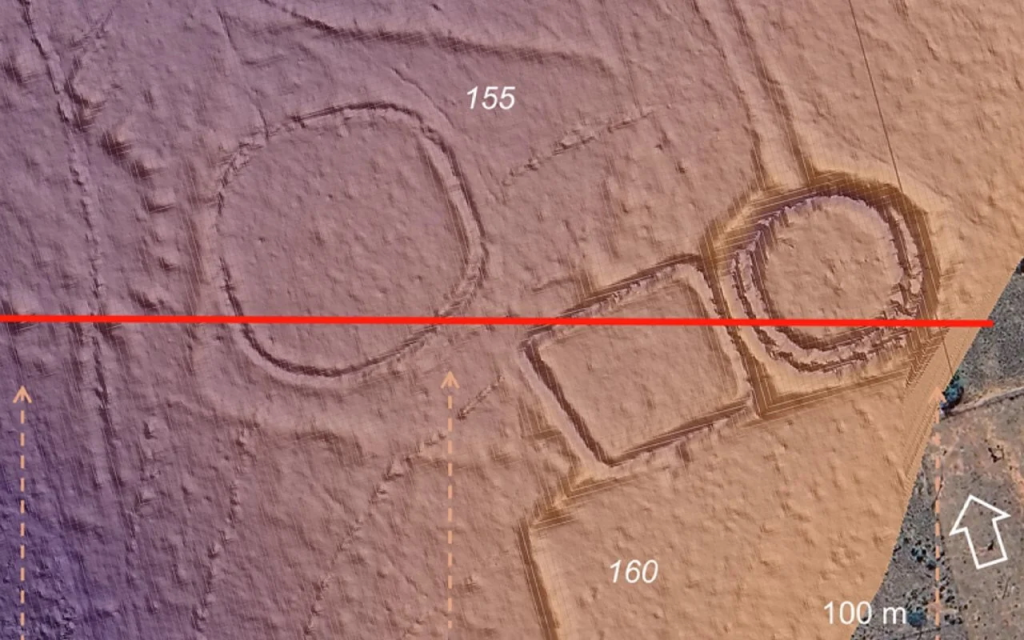
As reported by Heritage Daily, the new findings—published in the journal Nature—include signs of hundreds of earthworks that had not previously been identified. “The team conducted more than 4,400 kilometers of airborne LiDAR surveys over the Brazilian states of Acre and Amazonas. The laser-based technology, which can penetrate dense forest canopy, identified 432 earthworks, only 36 of which had previously been recorded,” Heritage Daily wrote.
The new findings, including evidence of geometric ditched enclosures, embankments, and ceremonial complexes dating as far back as 600 BCE, challenge notions that the pre-Columbian Amazon was sparsely populated. The surveyed area is thought to have been home to as many as 3 million people during its peak between the years 100 and 300.
“The findings add to growing evidence that pre-Columbian Amazonia was home to complex societies that actively engineered their environment through agriculture, landscape management and large-scale monument construction, not a wilderness as such,” according to Heritage Daily. “The study also shows that these communities planted crops like maize, squash, manioc, beans and peanuts and managed economically important tree species like Brazil nut and peach palm. These long-term land use practices may have contributed to the formation and biodiversity of the modern Amazon rainforest.”


