





To receive Morning Links in your inbox every weekday, sign up for our Breakfast with ARTnews newsletter.
Good morning!
- An inside look at the realization of Koyo Kouoh’s Venice Biennale.
- A Chicago judge has sentenced a man to 23 years for an art-backed cryptocurrency scam.
- A Renoir painting once owned by the Duchess of Alba will return to Spain.
The Headlines
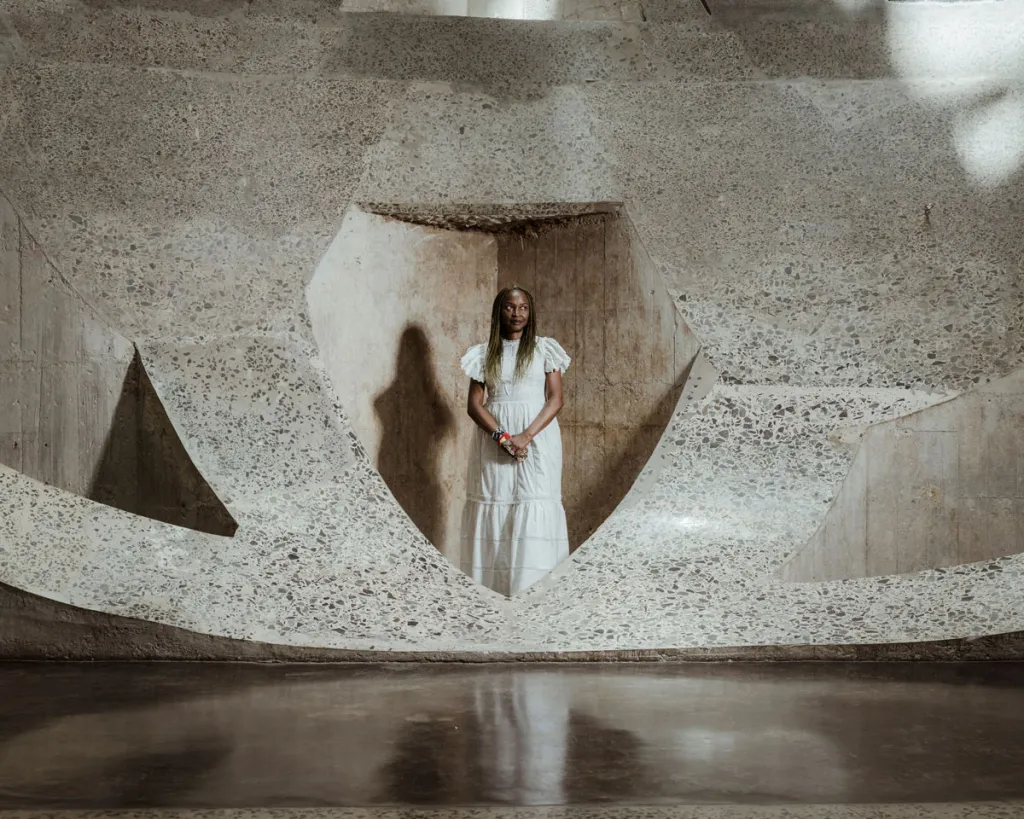
THE SHOW MUST GO ON. Ahead of the opening of the 2026 Venice Biennale next week, the New York Times takes an inside look at how its central exhibition, “In Minor Keys” is being put together without its curator, Koyo Kouoh, who died last May from liver cancer. Her husband, Philippe Mall , who recalled her saying that curating the Biennale had been her dream, expected it to be canceled. But Biennale president Pietrangelo Buttafuoco reached out to Mall and Djibril Schmed, Kouoh’s son from a prior relationship, asking to continue. They agreed, and the exhibition will open to the public on May 9, executed by the team of advisers she had assembled and decided on the artist list before her death. Schmed felt it should go on because Kouoh was working on “her deathbed essentially,” he said. “I don’t want to be dramatic about it, but she was … [she] wanted to get the job done.”
CRYPTO CROOK. A Chicago judge has sentenced Robert Dunlap to 23 years in federal prison and to pay damages for a cryptocurrency scam that he claimed was backed by major artworks, reports The Art Newspaper. The Texas native was also convicted last year on mail fraud charges. From 2018 to 2023, Dunlap operated a cryptocurrency business selling digital tokens through what he called the “Meta-1 Coin Trust.” Fake legal documents in hand, he claimed the “trust” was backed by billions in gold, and as much as $1 billion in art, by the likes of Pablo Picasso, Salvador Dalí, and Vincent van Gogh. Nearly 1,000 people fell for his trap, for a total of over $20 million in losses.
The Digest
Almost since it was announced last year, the US Pavilion’s commissioner the American Arts Conservancy (AAC) has been seeking donations of a minimum of $100 to help cover “the fees we have to pay” to realize the exhibition. The year-old nonprofit’s executive director Jenni Parido told Hyperallergic that AAC did not receive “corporate or foundation funding,” opting instead for “the generous support of private citizens who believe in the importance of American artists and cultural exchange.” [ Hyperallergic]
Last year, French authorities seized 12 percent more looted artifacts than the previous year, and more recently, intercepted a trove of ancient art from Iran on its way to the UK. [Le Figaro and AFP]
An 1884 painting by Pierre-Auguste Renoir, titled The Cherry Hat,is headed back to Spain, where it once belonged to the Spanish Duchess of Alba. The return is thanks to a Spanish buyer who cited “historical and cultural” reasons for the purchase. [El País]
The Belarus Free Theatre discusses its plans for “Official. Unofficial. Belarus.,” a collateral event at the Venice Biennale that aims to present “the voice of unofficial culture representing what usually only a nation-state represents,” according to Daniella Kaliada, the company’s curator of art projects. [ARTnews]
A robot on wheels named R1 is the new docent at the 18th-century Palazzo Madama in Turin. [Artnet News]
A new contemporary art fair in the small town of Fiuggi, south of Rome, will debut on September 11, and its founder Nicola Monti tells us all about it. [Artribune]
The Kicker
ORIGINIAL INSPIRATION. Loie Hollowell believes her anatomical, colorful abstractions, which speak of pregnancy and birth, would not have been as well-received 20 years ago as they are today. “When I first started showing, I didn’t talk about the works … being influenced by an abortion I had,” she told the Guardian about her current Pace Gallery show in London. “But over the years … I’ve been able to highlight that original inspiration.” Her pastel drawings are more identifiable depictions of vulvas and breasts, with titles like Happy Vagina, or Let Down. “When I think about making the earlier works, I was super horny,” she remembers. Lately, that’s evolved, and Hollowell describes a new sense of empowerment over her evolving practice. “I feel so in control, in a way that I haven’t felt in the past, and that’s so interesting,” she said. “The art will change again. My favorite artists really blossomed in their 50s and 60s, and I can see why.”


