









As we commemorate the 250th anniversary of American independence, the life and legacy of Gilbert du Motier, Marquis de Lafayette invites us to reflect on the origins of democracy and the enduring power of transatlantic ideals. Celebrated throughout history as the “Hero of Two Worlds,” Lafayette stands apart not only for his contributions to the American Revolutionary War, but also for his lifelong commitment to liberty and equality on both sides of the Atlantic. His ideals, inspired by the French Enlightenment, the Declaration of Independence, and tested in the trials and tribulations of the revolutions, continue to shape present-day debates on human rights, constitutional governance, and the universal promise of freedom.
My work on projects such as A True Friend of the Cause: Lafayette and the Antislavery Movement, a public exhibition held at the Grolier Club in New York City from 2016 to 2017, have underscored the depth of Lafayette’s moral and political commitments, particularly his early and sustained opposition to slavery. With the latest exhibition Lafayette between France and America: History and Legend, we seek to expand this understanding by bringing together rare documents and new scholarship that illuminate the legacy of this prominent figure.
Presented in a historic partnership between the French National Archives in Paris and Lafayette College, the exhibition and its accompanying international symposium offer a unique opportunity to reconsider Lafayette’s role not only as a military leader, but as a cultural and intellectual bridge between nations. By examining lesser-known facets of his career alongside iconic moments, we hope to foster a deeper appreciation of the shared democratic heritage that continues to unite France and the United States.

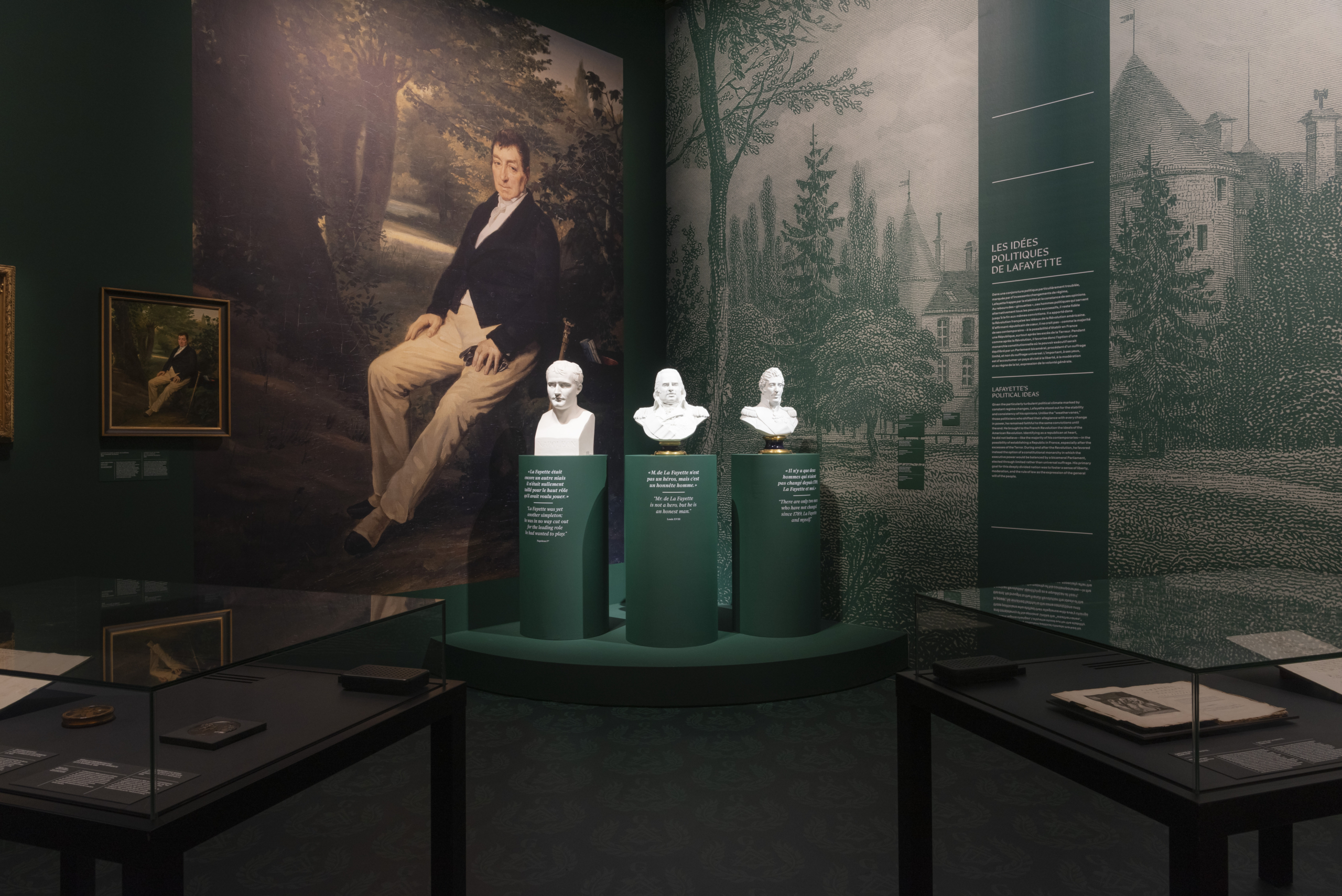
Lafayette between France and America: History and Legend, on view from April 1 to July 14 at the National Archives Museum in Paris, showcases an exceptional range of materials that illuminate the breadth of Lafayette’s enduring impact. Manuscripts, portraits, memoirs, printed works, and artifacts drawn from collections in both France and the United States reveal the multifaceted dimensions of a figure who moved seamlessly across military, political, and intellectual spheres. Among the highlights is the Declaration of the Rights of Man and of the Citizen, an early draft of which Lafayette submitted to the National Assembly, offering visitors a rare glimpse into the collaborative process that shaped one of the most influential documents of the modern era.
The exhibition situates Lafayette within a broader historical narrative encompassing the American and French Revolutions as well as the ongoing struggle to define and defend democracy. By tracing his involvement across key moments, from his service in the American War of Independence to his leadership during the early years of the French Revolution, Lafayette between France and America: History and Legend demonstrates the continuity of his beliefs even as political circumstances changed dramatically. In doing so, it invites audiences to move beyond simplified portrayals and embrace the full complexity of his legacy.

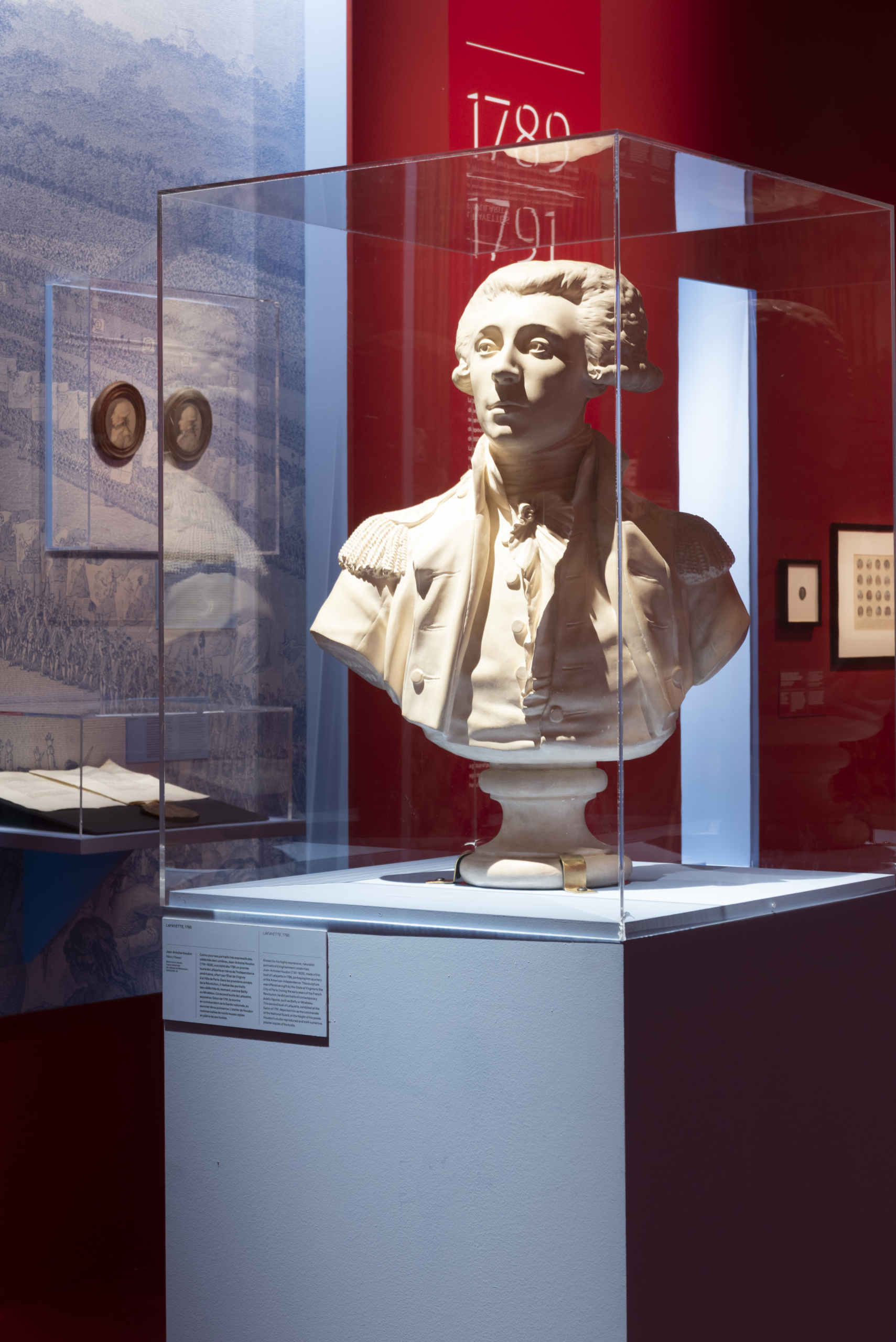


Complementing the exhibition, an international symposium held in April 2026 invites leading scholars to explore new perspectives on Lafayette’s life and work. Through interdisciplinary dialogue and the presentation of original research, the symposium aims to deepen our knowledge of a figure whose significance extends far beyond the historical moments with which he is most associated. It also reflects the collaborative spirit that this project has embodied from its inception, bringing together institutions, researchers, and audiences from across the globe.
As we commemorate America 250, Lafayette’s story reminds us that the underlining ideals of independence were never confined to a single nation; they emerged from a dynamic exchange of ideas, people, and experiences that transcended borders and reshaped the political landscape of the modern world. Lafayette himself personifies this exchange, moving between France and the United States as a soldier, statesman, and firm advocate of his moral and political convictions. His story illustrates the extent to which the pursuit of liberty has always been a shared endeavor, one that requires both courage and collaboration.
Revisiting Lafayette’s legacy offers more than historical perspective – it encourages renewed participation with the principles that continue to define democratic societies today. His belief in the universality of rights, his willingness to confront injustice, and his dedication to fostering connections across cultures remain deeply relevant. By examining his life through exhibitions, scholarship, and public dialogue, we are reminded that history is not static, but an ongoing conversation. At a moment when the values Lafayette championed are as vital as ever, this transnational dialogue reminds us that history is not only to be remembered but actively engaged.
The post Commemorating America’s 250th: Through the Eyes of Lafayette, The Original Transatlantic Ally appeared first on Art Business News.


