





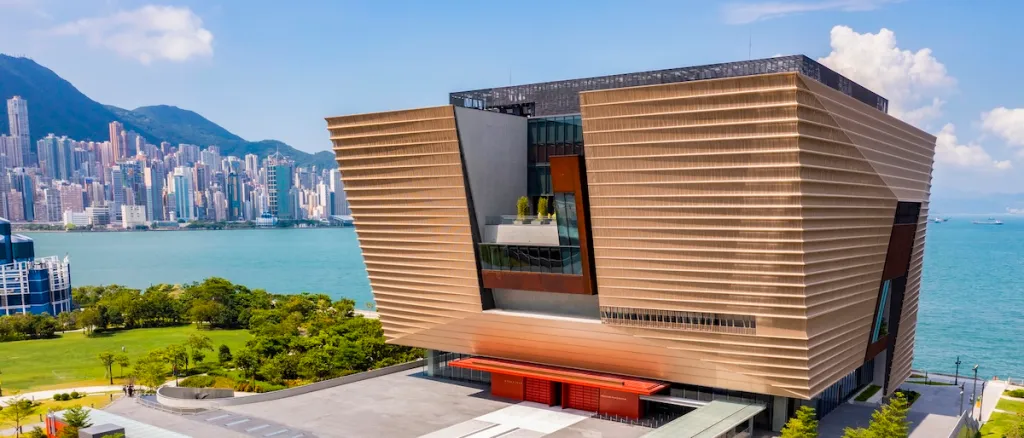
The Hong Kong Palace Museum entered into an agreement with the Islamic Civilization Center in Uzbekistan to collaborate on exhibitions, academic research, and other projects.
At a signing ceremony on Monday, the connection forged between the two institutions marked the first official reciprocal visit by a Central Asian cultural institution since Hong Kong’s chief executive, John Lee Ka-chiu, led a delegation including the Palace Museum’s director to the region last month. It follows a similar deal struck with the State Museum of History of Uzbekistan.
As reported by the South China Morning Post, Hong Kong Palace Museum director Louis Ng Chi-wa said, “During my trip to Uzbekistan, I had the privilege of meeting [the center’s director] to discuss potential collaborative opportunities. I am delighted to see those initial conversations translate so quickly into this present here in Hong Kong today. This swift follow-up [in just a month] is a powerful testament to how eagerly the people of both Uzbekistan and Hong Kong wish to work together to promote cultural exchange and dialogue.”
A memorandum of understanding calls for joint exhibitions and research as well as initiatives related to professional training and development. Firdavs Abdukhalikov, director of the Islamic Civilization Center, said, “The Silk Road is actually what connected us. There was not only an exchange of trade and goods, but also ideas and new inventions … We want to bring our exhibitions here, not only in Hong Kong but other cities as well.”
Of the Islamic Civilization Center, which was initiated by Uzbekistan’s president in 2017, the country’s ambassador to China, Farhod Arziev, said, “The center represents the great history of our people, our country and the great contributions of our ancestors, scholars to the development of humankind.”
According to the South China Morning Post, the Hong Kong Palace Museum’s collection might feature in a special exhibition in Uzbekistan in October, as part of a wider event involving about 50 global museums showing Central Asian heritage pieces.


