





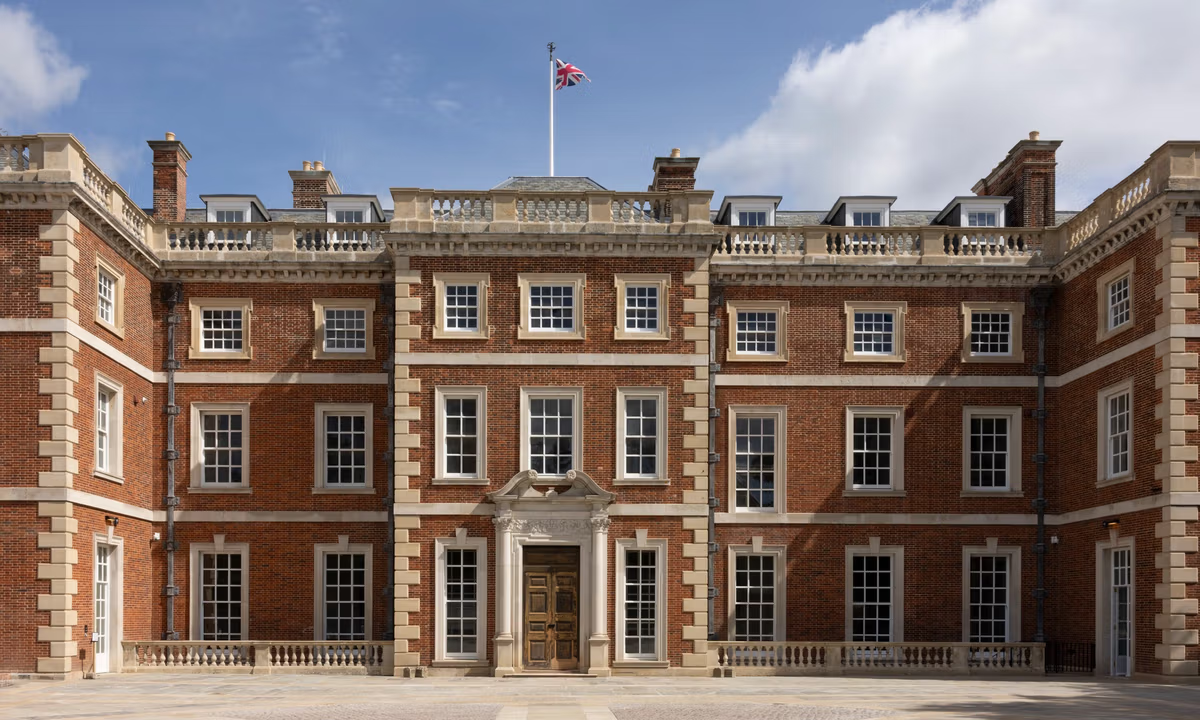
A London mansion where walls had ears—and not just walls but lamps, tables and garden benches—opens to the public today (21 July) as a new museum. The House of Secrets, located in Trent Park in Enfield, north London, tells for the first time its story as a Second World War interrogation and covert listening centre, where German officer prisoners of war were treated as house guests—and every word they said was listened to, translated and transcribed.
Among the revelations from the conversations among prisoners, mainly recorded by German-speaking Jewish refugees, were the development of V2 bombs that would wreak havoc in the Blitz; eye witness accounts of concentration camps; and the opinion of one disillusioned officer that Hitler was insane and Germany would lose the war.
Trent prisoners of war leaving a Christ Church, Cockfosters service © Houghton Hall
“This is not just a little local museum,” Jason Charalambous, the founder and co-chair of the Trent Park Museum Trust, says. “This is a story that needed to be told.” It was a story of which Charalambous knew absolutely nothing, as a local councillor brought up nearby, when he and passionate campaigners armed with a 10,000 signature petition, set out in 2014 to save the beautiful but derelict house and acres of park. The museum trust now has a long lease from the property developers Berkeley Homes, which has built residential units on the site, for the fully restored ground floor state rooms and the warren of basement rooms that were the lair of the secret listeners.

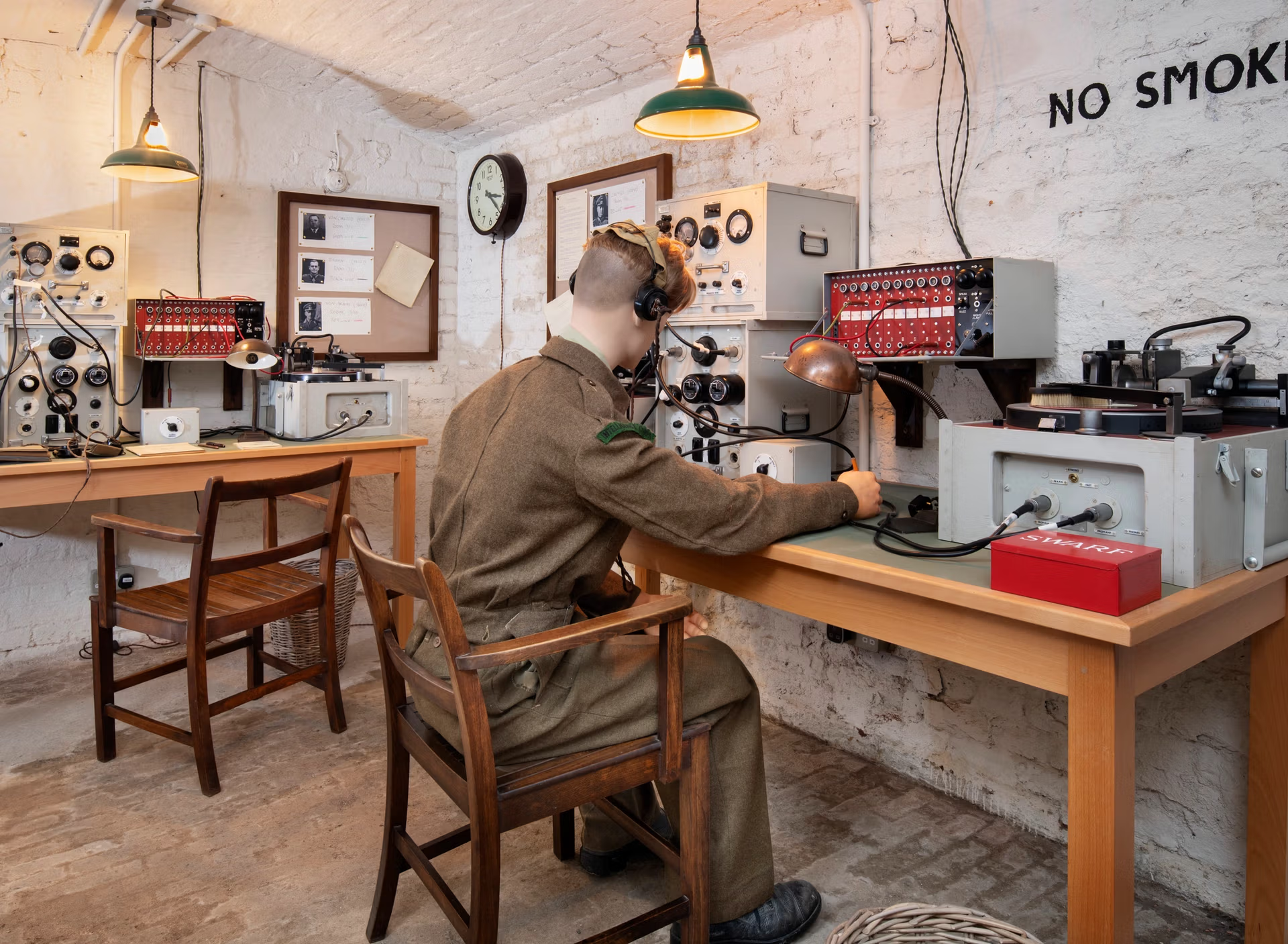
A basement M (miked) room in Trent Park House of Secrets, where secret listeners translated and transcribed the conversations of the prisoners of war upstairs © James O.Davies
The original house was built in the 1780s by the Swedish-born British architect William Chambers (best known for designing London’s Somerset House) for the royal physician Richard Jebb, who was presented with an estate by George III in gratitude for successfully treating his brother in the Italian town of Trento. This inspired the name of Jebb’s new abode, which at the time cost the enormous sum of £19,000.

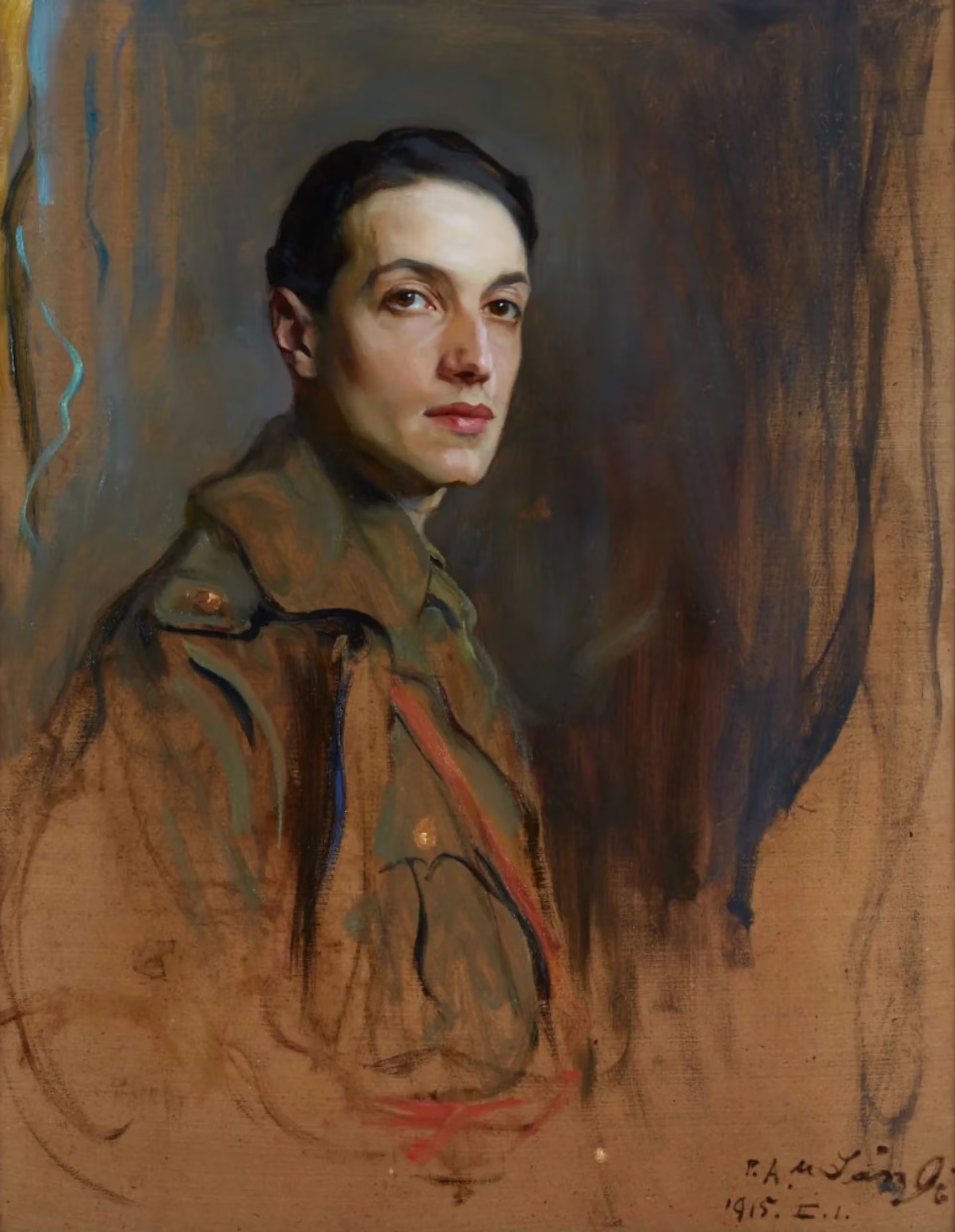
Philip de László’s Portrait of Sir Philip Sassoon (1915) © Houghton Hall
Trent Park passed through several owners, extensions and rebuilds in the 19th century, before being bought in 1909 by the Jewish merchant banking tycoon Edward Sassoon. The house entered its most glamorous period when his son Philip—a Unionist Member of Parliament famous for his huge circle of political, arts and socialite friends, and his spectacular parties—inherited in 1912. He gave the Victorian mansion a Georgian makeover, incorporating salvaged material and elegant antique furniture. Regular guests included Winston Churchill, the future king Edward VIII and Mrs Simpson, Charlie Chaplin, Fred Astaire, the artist Rex Whistler, and the writers George Bernard Shaw and TE Lawrence (better known as Lawrence of Arabia).

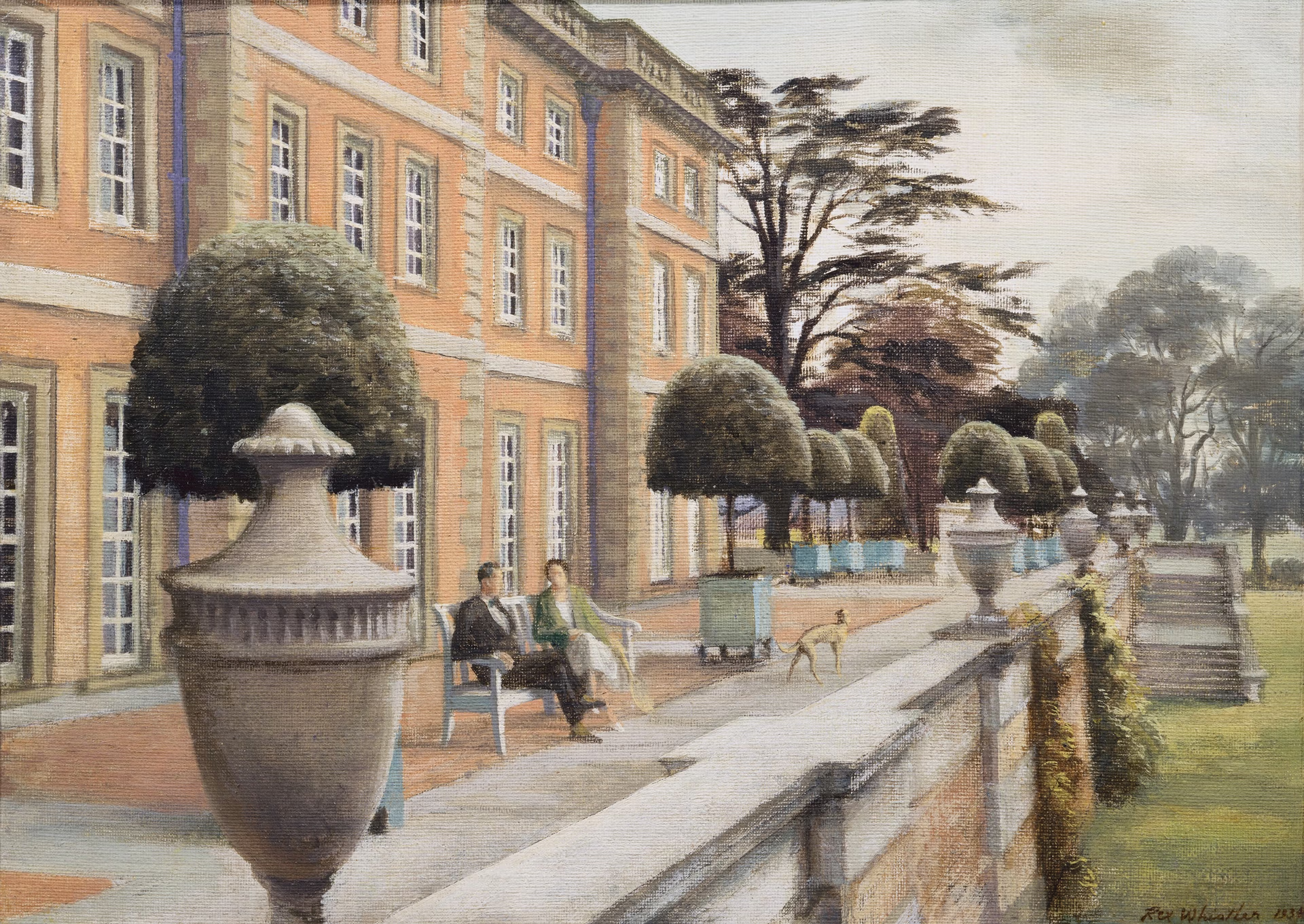
Rex Whistler’s painting of Philip and Hannah on the terrace with Blazer, the whippet (1934) © Bridgeman; Private Collection
Some of the original contents of the house have been returned on loan from Philip Sassoon’s great nephew David Cholmondeley and other members of his family, including a decoration by Rex Whistler incorporating a favourite Sassoon dog, rediscovered by a cousin and hung only yesterday.
On Philip’s death in 1939, aged just 50, the house was requisitioned by the British government and became a secret surveillance centre known as “Cockfosters Camp”, which is the history explored in the new displays. The hospitality continued, but for German guests who were bugged by listening devices concealed all over the house. Thousands of hours of their conversations were recorded, seven minutes at a time, on equipment specially designed by General Post Office engineers. The recordings were then transcribed by the listeners hidden in the basement. Most never spoke of their experiences—the comedian Helen Lederer, now a trustee of Trent Park, said her own grandfather was a listener but took the secret to his grave.

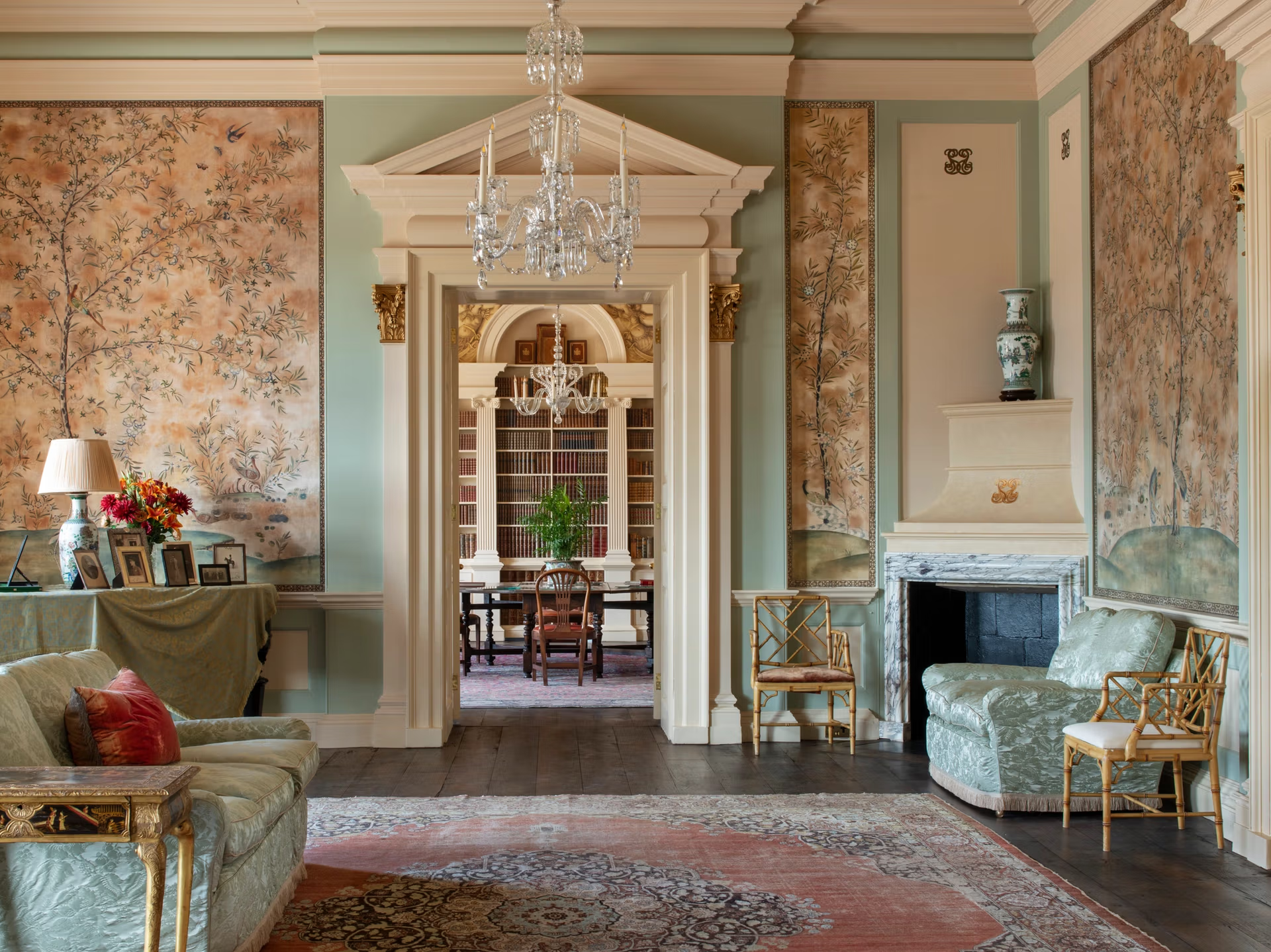
The enfilade from the saloon to the library, Trent Park House of Secrets © James O. Davies

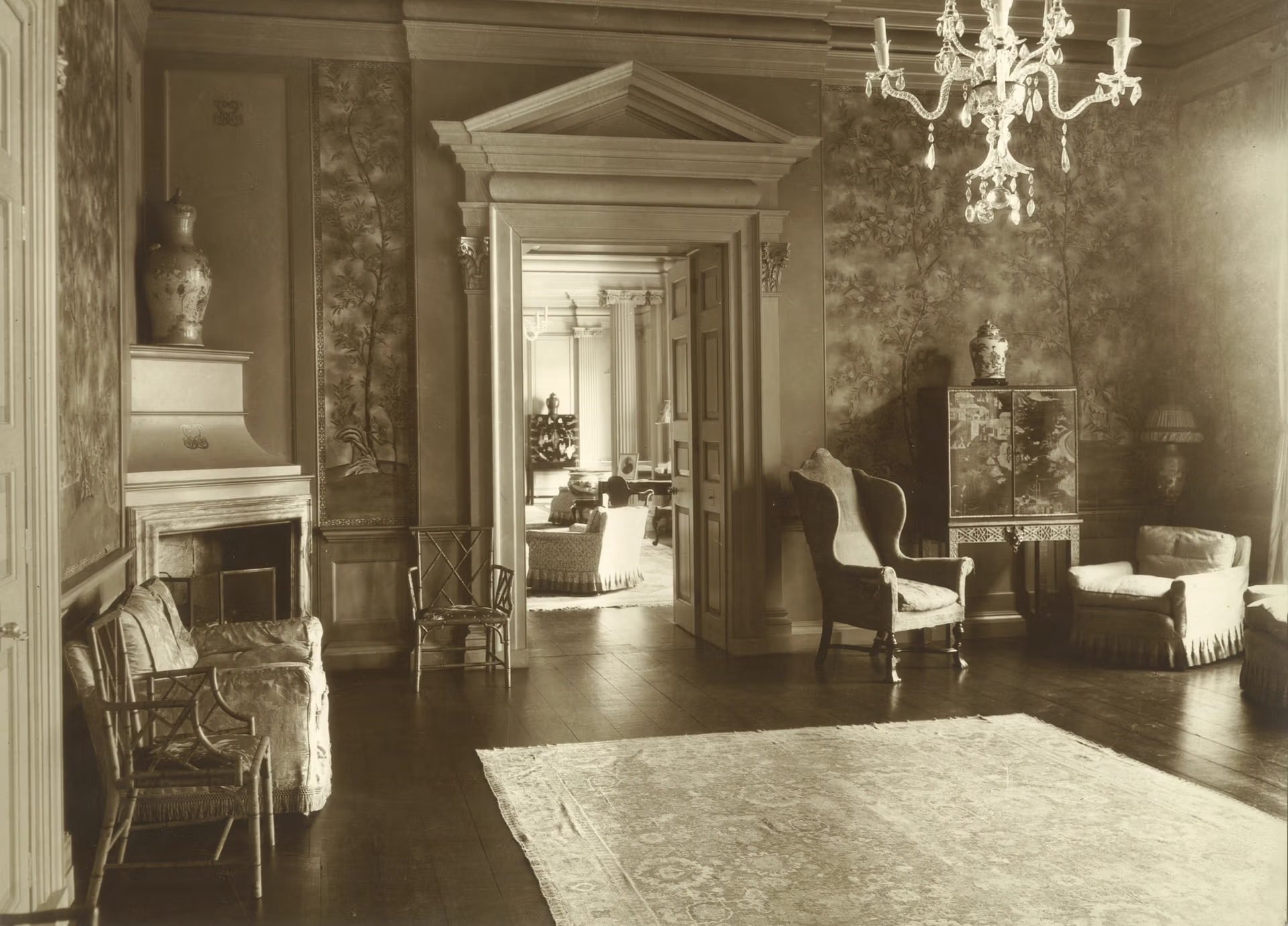
An archival image of Philip Sassoon’s saloon at Trent Park House in the late 1930s © Houghton Hall
The house now stands in London suburbia, on a branch of the Piccadilly line tube. After the war it was requisitioned again as a teacher training college, but after Middlesex University left in 2012, and a Malaysian purchase to turn it into a university also collapsed, it fell into disrepair.
The house will have luxury private apartments in the upper floors, and hundreds of houses and flats have been built in the grounds, but its most important rooms now house the museum, and most of the park remains as free public space.


