
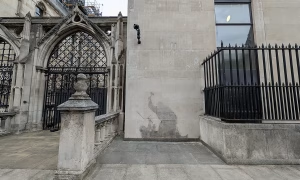





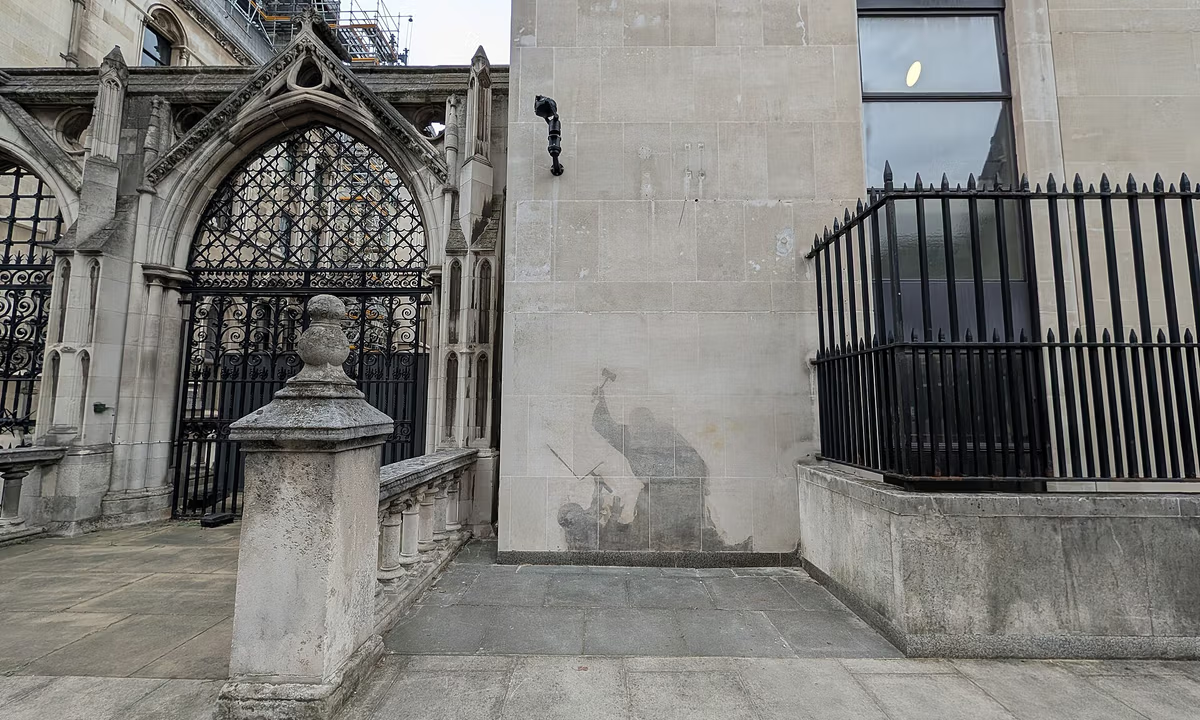
A mural painted on a wall at the Royal Courts of Justice in London last September by the UK street artist Banksy was removed at a cost of £85,300.
The painting, which was verified by the artist on his Instagram account, depicted a judge in a traditional wig and black robe hitting a demonstrator lying on the ground with his gavel, blood splattering the placard. Banksy captioned the work online: “Royal Courts of Justice: London”.
The work was quickly covered up while the HM Courts and Tribunals Service denounced the action, saying: “The Royal Courts of Justice is a listed building and HMCTS are obliged to maintain its original character.”
According to the BBC, The Ministry of Justice spent £50,000 trying to remove the paint from the wall of the Grade II-listed building in Carey Street, says the BBC. Images showed that the mural was scrubbed off with chemicals. A further £35,300 was spent on overtime and security costs.
The amount was disclosed to the BBC through Freedom of Information requests and is likely to “reignite debate over whether Banksy’s work is vandalism or valuable public art”, says the report.
The Metropolitan Police reportedly launched an investigation into the work; should any charges proceed to court, the anonymous street artist would be forced to reveal his name. No charges have yet been brought against Banksy. A spokesperson for the Metropolitan Police confirmed to The Art Newspaper on 10 August: ”At this time, no arrests have been made and the investigation remains on.”
Meanwhile Westminster council has spent almost £60,000 on safety barriers, administration and security for a Banksy statue that appeared on Waterloo Place in central London in April.
The work by the ubiquitous street artist depicts a suited man carrying a large flag which covers his face, blinding him as he steps forward halfway off of the plinth.
Last month a spokesperson for Westminster city council told The Art Newspaper that the statue will remain in situ for the next few weeks at least, with the council due to make a decision “by the end of the summer” on whether it should be permanent.


