





The world is witnessing the start of a new copper supercycle.
Copper supply and demand have long been dependent on electricity and industrial sectors, with the previous mining cycle cemented by infrastructure projects, manufacturing expansion and rapid city growth. The growing focus on generative technology and daily artificial intelligence (AI) applications has changed this. The use of copper in powering data centers is driving demand further, bringing the metal into a new era of supply security and investment.
Just as this demand accelerates, the world’s largest copper mines are slowly reaching their peak. This stirs pressure across the globe, but also creates an opportunity for junior exploration companies such as Star Copper (CSE:STCU) to fill the gap. Miners are building the foundations that AI will stand on to stay powered.
AI metals and mining
AI chips are made of silicon, but without copper to power electricity, they fail to function.
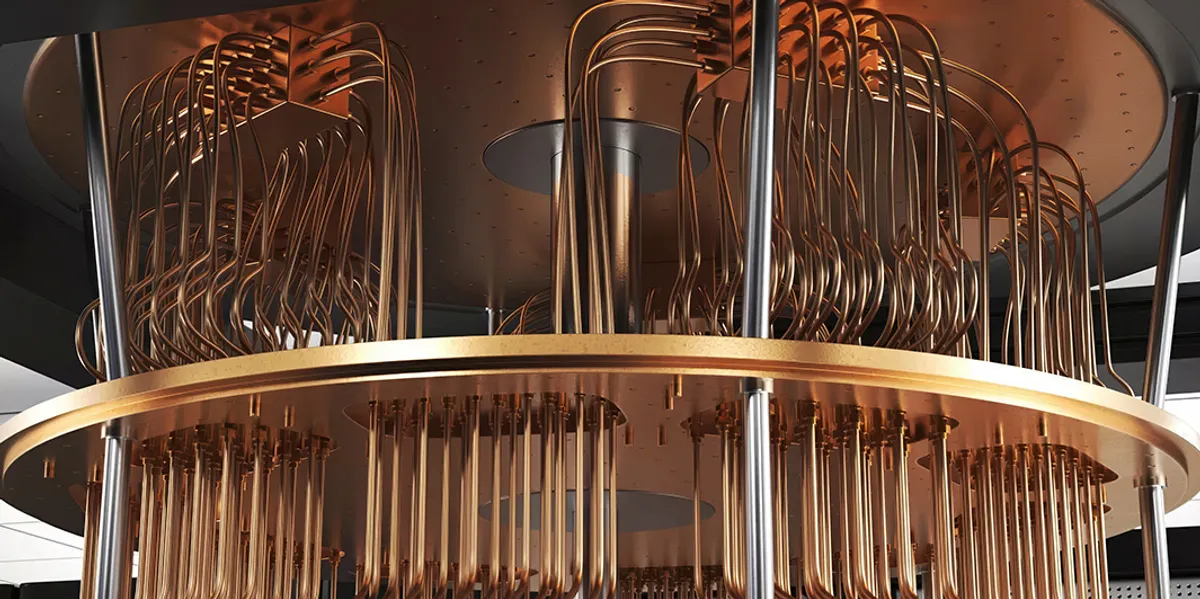
Inside each chip are copper wires that permit signal transmission and power transfer through various components, deeming copper “essential for high-performance computing and energy-efficient devices.” It also assists in thermal control to ensure no overheating in AI machinery like servers and components.
The metal is a convenient option and has few to no substitutes for the performance it provides. Above it in terms of conductivity is silver, which isn’t exactly affordable. Aluminum can replace copper in certain thermal control applications, but not in high-performance transmission or dense wiring. This makes copper indispensable in the AI sector, making the security of its supply both a strategic and market challenge.
While alternative sources such as recycling scrap metal and refining through international smelting operations exist, copper supply still relies primarily on mining.
The Society for Mining, Metallurgy & Exploration said said that mining is currently providing the short-term supply of copper. The downside is that current ores are running out, with grades and tonnages continuously decreasing and certain deposits nearing retirement. The slow disappearance of these mines could lead to an inadequate and disrupted supply of copper.
The biggest copper contributors
Copper demand is expected to rise to a peak in 2050 and continue an upward slope, and some of the biggest mines will be nearing or at their exhaustion by then. The largest in the globe is BHP’s (ASX:BHP,NYSE:BHP,LSE:BHP) Escondida mine in Chile, the world’s largest copper-producing country. Escondida produced 5.3 million metric tons, approximately 23 percent of global output, in 2025. Based on its commencement of operations in the 1990s and an estimated 50 to 60-year mine life, the project is set to retire in the next few decades.
Another project in the mix is the Kamoa-Kakula complex in the Democratic Republic of Congo’s African Copperbelt, operated by Ivanhoe Mines (TSX:IVN,OTCQX:IVPAF). It is the highest-grade, lowest-carbon-emitting major copper mine, with a production record of 388,838 metric tons in 2025. The project commenced production in 2021 and has an expected mine life of approximately 40 years.
Peru’s largest mine, Freeport-McMoRan’s (NYSE:FCX) Cerro Verde, produced 391,450 metric tons in 2025. The country remains a stable supplier, but its mines are aging and facing declining grades. Mining activities at Cerro Verde, for example, are projected to end in 2052 , when the current reserves are expected to be exhausted. Its production also saw a decline, with its 2025 output falling 3.7 percent from the 2024 record.
While most of these mines hold possibilities for mine life extension, the reality is that global copper supply is threatened as demand accelerates. The International Copper Association states that there are currently copper resources of 5,000 million tons, alongside global reserves of 870 million tons. Meanwhile, copper production is estimated by global data platform MacroMicro at 22.8 million to 22.9 million metric tons annually.
How Star Copper shines
New copper supply reinforces the urgency of new exploration, making miners the “picks-and-shovels” in the AI sector, specifically junior explorers and producers.
Among the junior explorers in the middle of this opportunity is Star Copper, which is developing what it believes to be the next big Canadian copper deposit.
Located within the prolific Golden Triangle and Golden Horseshoe regions of BC, the 6,829 hectare Star project holds over 19,000 meters of historical drilling. The copper porphyry asset hosts high-grade characteristics, holding potential to first address Canadian and North American copper demand, then assist in meeting global demand.
New copper mines take an average of 17 years to move from discovery to production, which means the deposits capable of meeting demand in the 2030s and beyond need to be advancing now. This puts projects like Star on a development clock that could land squarely in the window when mines like Escondida and Cerro Verde are well ahead of their retirement and when the projected supply gap is about to open.
The Star project is selling the possibility of copper in a digital future, offering investors early access to the very metal that powers algorithms and chips. Star Copper provides exposure to copper not as it trades today, but to have early positioning in the supply technology will demand once the current generation of large mines has run its course.
Investor takeaway
AI will continue powering through, and it will continue to need power that leans on copper supply. As the world’s largest mines run out, junior explorers like Star Copper stand to take over and play a critical role in the AI supply chain. Investing now offers exposure not to short‑term price swings, but to the long‑term infrastructure story of the digital age.
This INNspired article is sponsored by Star Copper (CSE:STCU,OTCQX:STCUF,FWB:SOP). This INNspired article provides information which was sourced by the Investing News Network (INN) and approved by Star Copper in order to help investors learn more about the company. Star Copper is a client of INN. The company’s campaign fees pay for INN to create and update this INNspired article.
This INNspired article was written according to INN editorial standards to educate investors.
INN does not provide investment advice and the information on this profile should not be considered a recommendation to buy or sell any security. INN does not endorse or recommend the business, products, services or securities of any company profiled.
This INNspired article contains forward-looking information, including statements regarding planned activities, timelines, business objectives, and market conditions. Forward-looking information is based on assumptions and is subject to known and unknown risks and uncertainties that may cause actual results to differ materially from those anticipated. Readers should not place undue reliance on forward-looking information, which reflects the views of the profiled company as of the date of this profile and is not updated by INN.
The information contained here is for information purposes only and is not to be construed as an offer or solicitation for the sale or purchase of securities. Readers should conduct their own research for all information publicly available concerning the company. Prior to making any investment decision, it is recommended that readers consult directly with Star Copper and seek advice from a qualified investment advisor.
Read the full article here


