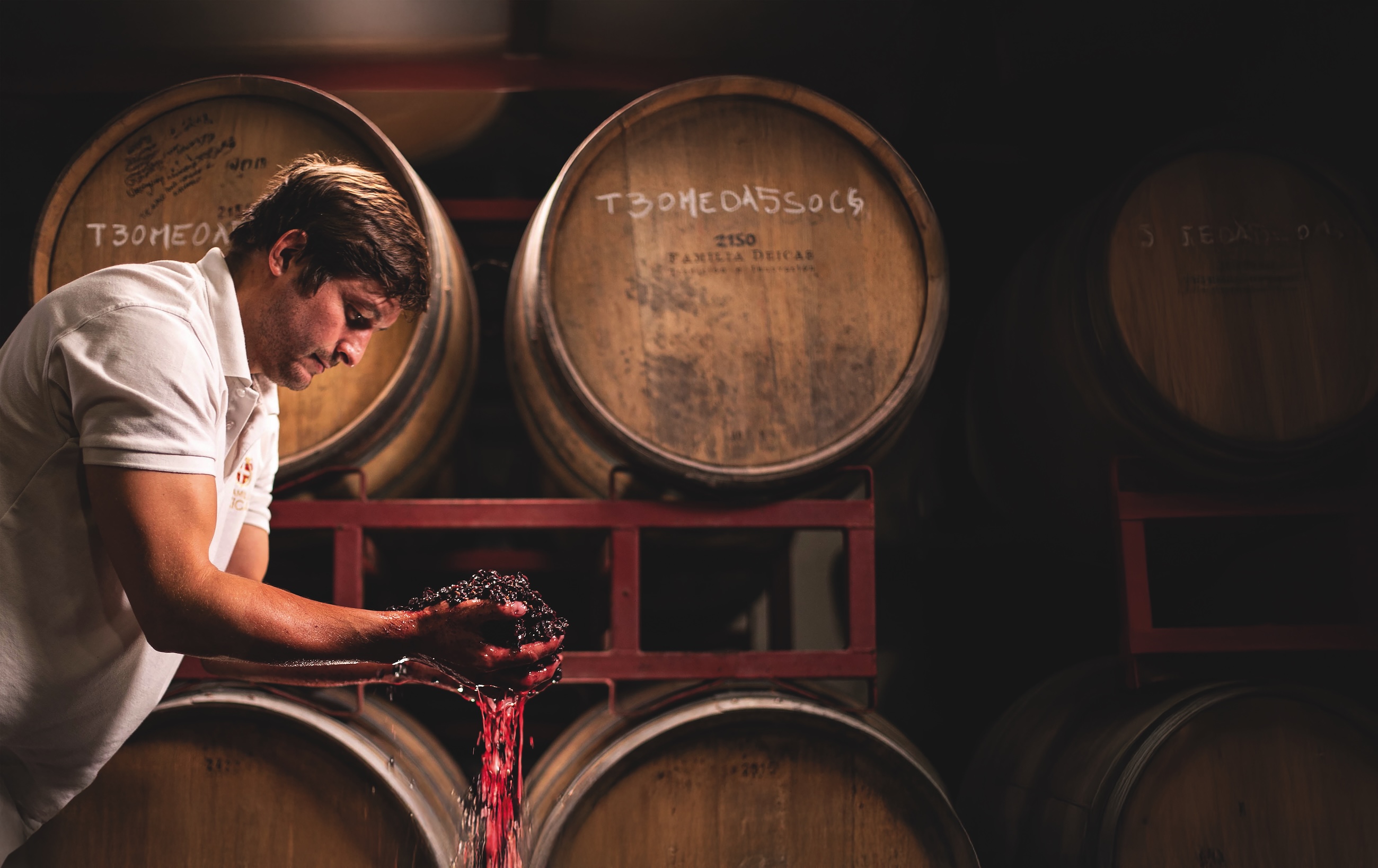







In the department of Chuquisaqa in southern Bolivia, 150km from the border with Argentina at an elevation of 2,400m, the Cinti Valley shapes one of the most spectacular vineyard landscapes imaginable.
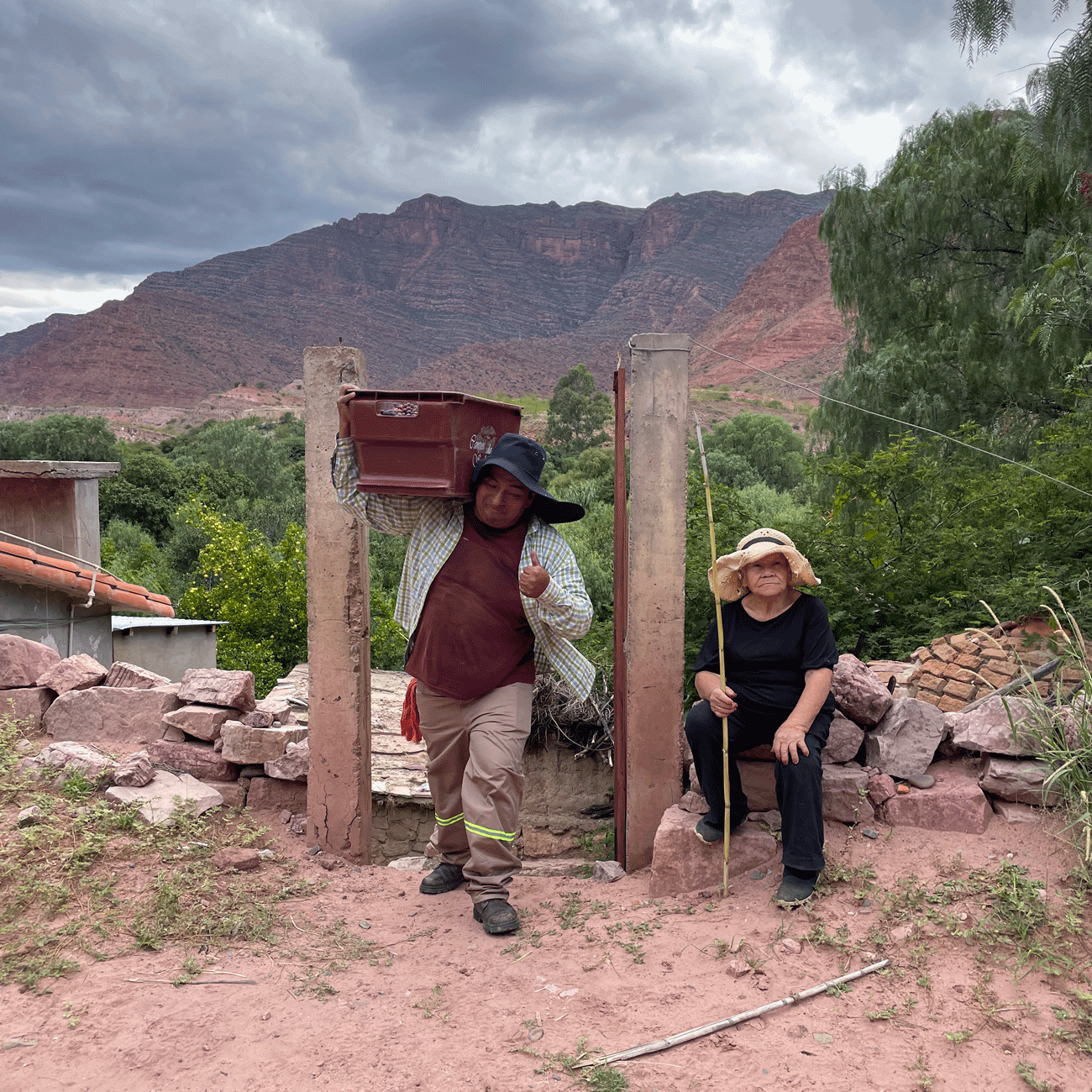
Spanning approximately 80km north to south, its main geological feature is a vast canyon of millefeuille pink sandstone, whose skyscraping vertical rock faces appear hyperreal in dazzling high-altitude sun.
At the base of this canyon, lush green valleys skirt the Rio Grande and Rio Chica rivers.
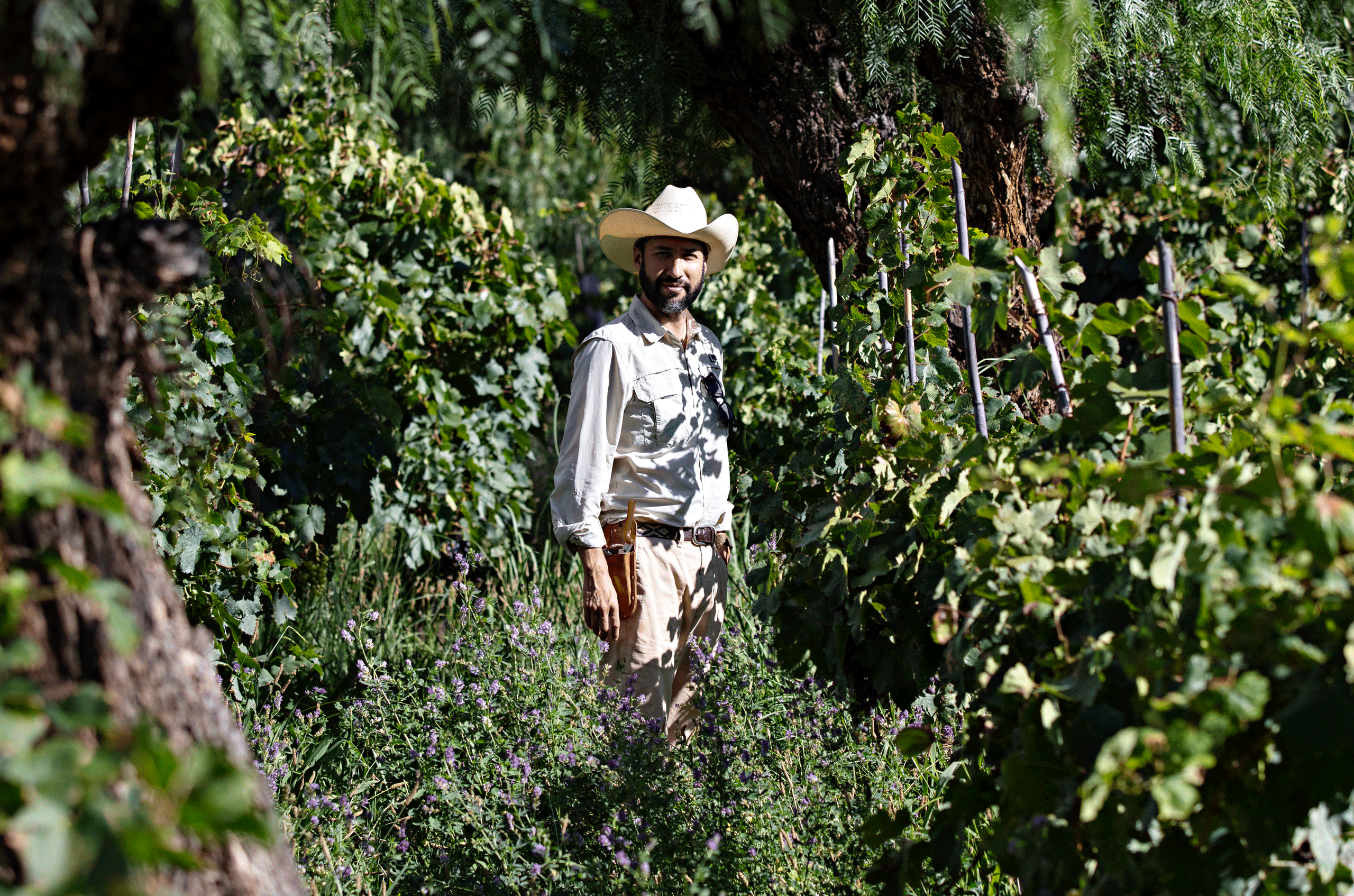
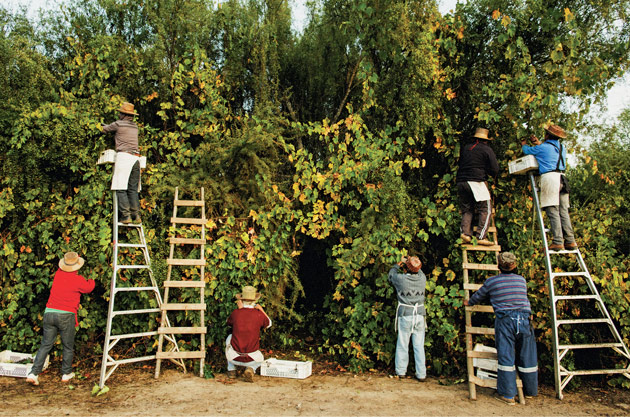
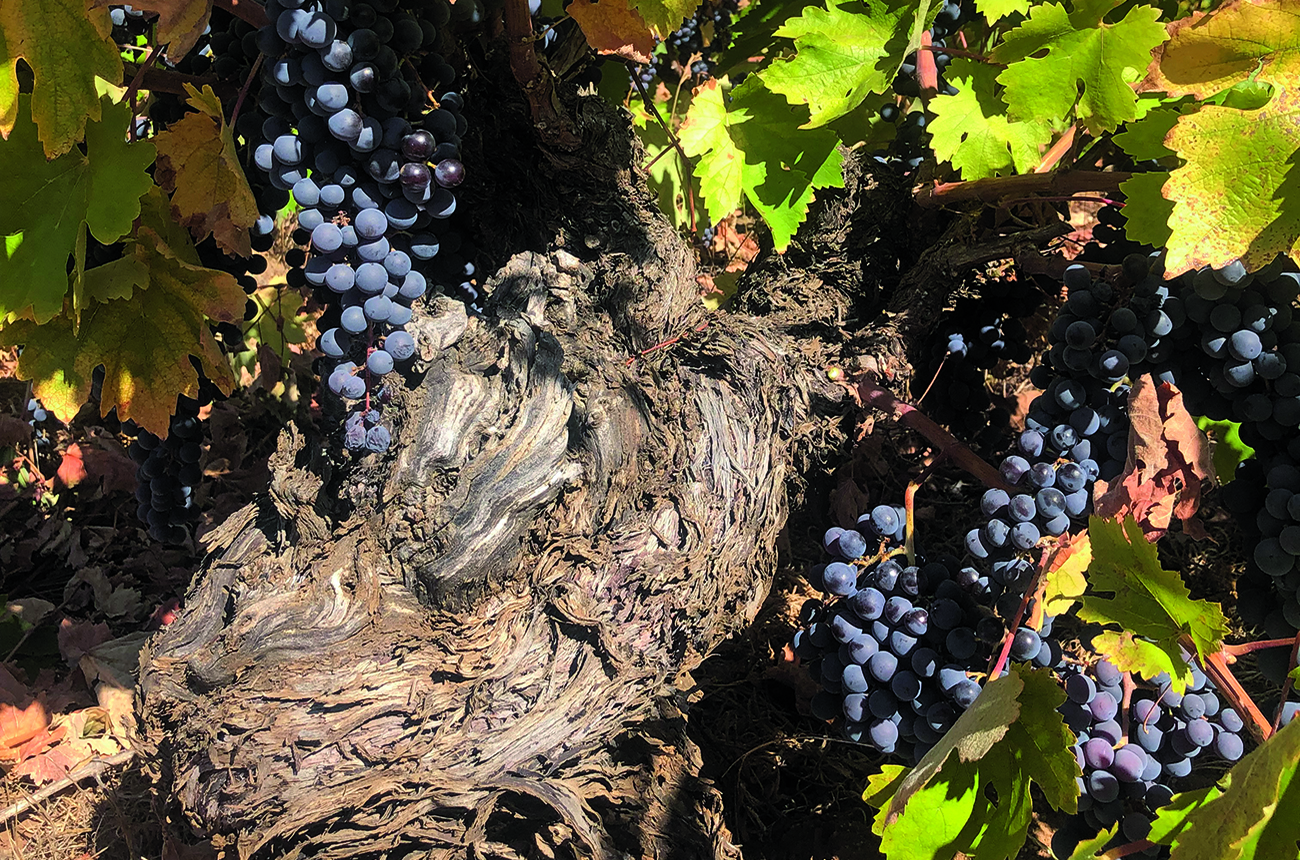
Closer inspection reveals them to be ‘forest’ vineyards, where ancient, ungrafted criolla grapevines wind up into the canopy of molle (pink peppercorn), algarrobo (white carob) and chañar (green wood) trees.
Small-scale and high-altitude
Though viticulture has existed in Cinti since the arrival of the first Spanish missionaries more than 500 years ago, this remote region’s emergence as a South American premium wine region of note is new.
The majority of Bolivia’s wine production – mostly large wineries working with international varieties – centres on Tarija, a three-hour drive across deep valleys and mountain passes to the south.
Wine is also made in a tiny coffee-producing sub-region of Santa Cruz called Samaipata.
Cochabamba, a region far better known for producing coca, also has a smattering of wineries.
But Cinti stands out from them all.
The valley encompasses three principal districts – Camargo, Villa Abecia and Las Carreras, all characterised by extreme high-altitude viticulture and small-scale production that is necessarily focused on premium wines.
Typically, wine is subordinate to the production of singani – a clear brandy made from Moscatel de Alejandría and Bolivia’s national spirit – but in recent years the region’s winemakers have begun to show greater ambition.
Paradise regained

The first vines were planted in Cinti in the mid- to late 1500s, brought by Dominican Spanish missionaries who followed the route of the conquistadores from Peru.
Augustinian monks further established viticulture in the valley, also producing singani and wine for the silver mining settlement of Potosí to the north.
At the time, Potosí was home to the largest silver deposit in the world, which bore the riches upon which the Spanish Empire was founded.
Towards the end of the 16th century, Jesuits arrived in the valley, continuing to industrialise winemaking and distillation as they extended their influence from La Plata (present-day Sucre) and Potosí into the southern valleys of Chuquisaca.
To this day, along the northern Cinti Valley, ruins of adobe haciendas provide evidence of the Jesuits’ industry.
Some have been preserved by wine and singani makers who continue the work their families have been doing in Cinti for generations.
Following the Jesuits’ expulsion in 1767, four families – Vacaflores, Rivera, Mendoza and Leyton – rose to prominence.
These families retain a presence in the valley through several important wine and singani producers: Luis Balanza, fifth-generation owner of Hacienda Virreinal Real Compañía Baja in Camargo, of Vacaflores lineage; Jaime Rivera, fifth-generation owner of Bodega Cepa de Oro in Camargo; Patricia Mendoza, fifth-generation owner of Bodega Yokich in Camargo (raised in Cinti, trained at Plumpton College, Sussex); and fourth-generation Marcelo Vacaflores of Bodega San Francisco de la Horca in Camargo.
To these names one should add other important wine producers with Cinti family roots: Jorge ‘Don Piti’ Samos, of Bodega La Encantada in Villa Abecia, and Alejandro Medina of the négociant label Bitoque, also co-owner of the natural wine-focused restaurant Bibi-Ji in Santa Barbara alongside Rajat Parr.
Sister act
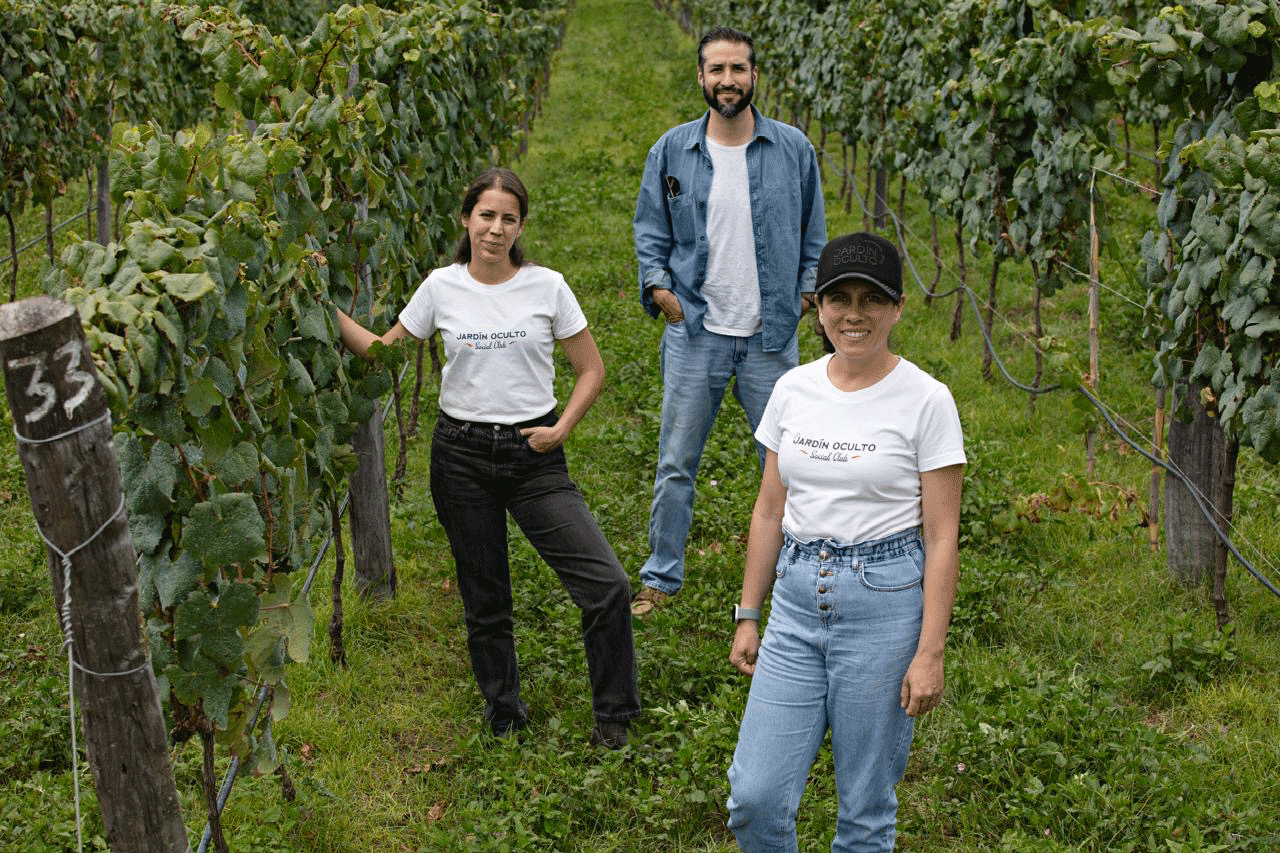

With similarly deep roots in wine and singani, though based in Tarija, is Jardín Oculto (secret garden).
Established in 2019 by sisters Maria José and Mercedes Granier – and from 2020 until 2024 guided in the cellar by well-travelled British winemaker Nayan Gowda – this winery offers perhaps the clearest evidence of Cinti’s winemaking ambition.
The Graniers’ link to Cinti comes through their great-grandfather, Julio Ortiz, the owner of Bodega San Pedro at its productive peak in the 1920s.
Founded in the 16th century, San Pedro grew to become the biggest distillery in Bolivia. As Maria José explains, when the distillery fell into decline in the 1990s – the cumulative effect of the decline of Potosí, geographic isolation and competition from other distilleries – the knock-on effect for Cinti was huge.
While grapes were once transported from Tarija to be processed at San Pedro, suddenly the tide turned; Tarija’s wine industry grew as Cinti shrunk.
Then came the intervention of Cees van Casteren, a Dutch Master of Wine recruited by the Dutch-funded Fautapo Foundation to help prepare Bolivian wineries for export.
In 2014, Van Casteren introduced Maria José Granier to Cinti’s extraordinary ‘forest’ vineyards, ultimately persuading her to purchase the historic Hacienda San Roque in Camargo.
In 2018 he organised the first MW trip to Bolivia, visiting wineries in Cinti and Tarija.
‘It’s impossible to talk about Bolivian wine today without talking about Cees,’ says Maria José Garnier.
‘He recognised right away how special the Cinti Valley’s arboreal viticulture is, and he became a dedicated advocate for it.’
Arbolito viticulture
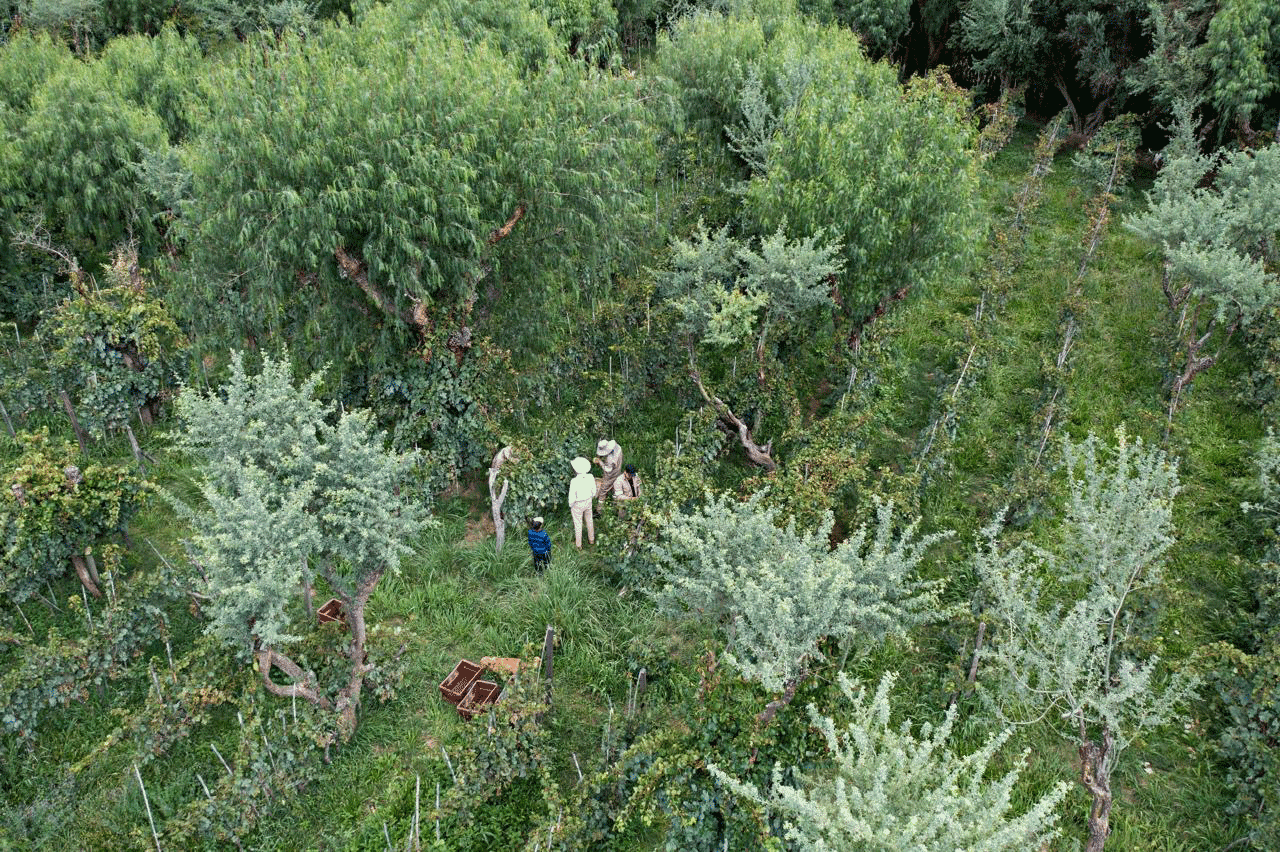

Cinti’s arboreal, or ‘arbolito’ (‘little tree’), vineyards are a powerful living symbol of Bolivia’s little-known viticultural history. Maria José estimates that 15-20% of Cinti’s 300ha of vineyards are of the arbolito kind.
Some, including Jardín Oculto’s San Roque, are single-ownership and dedicated to winegrape cultivation.
Others remain fully functioning polycultures of stunning fecundity and colour, in which as many as a dozen people may each own a parcel of a quarter or half a hectare.
The arbolito vines tower over gobelet-style vines and, occasionally, V-shaped trellises planted to optimise crop yields within a densely planted area.
Anecdotal estimates of their age range from 100 to 200 years, if not more.
But they are no mere historical curio; they can produce extraordinary wines, often with a gargantuan fruitload – 30kg of grapes per vine is not unusual – which defies all that is taught about grapevine cultivation in textbooks.
Helios McNaught, husband of Maria José Granier, has overall responsibility for the management of Jardín Oculto’s vineyards.
He believes one of their most important tasks is to apply a modern, scientific understanding of viticulture to this ancient heritage.
‘It’s about respecting and trying to understand why people did what they did,’ he says, ‘but also when to know that’s not enough […] Each year we try to make small adjustments, like in the pruning, because you can’t make large adjustments to a complex ecosystem without messing it up.’
Cinti’s unique terroir
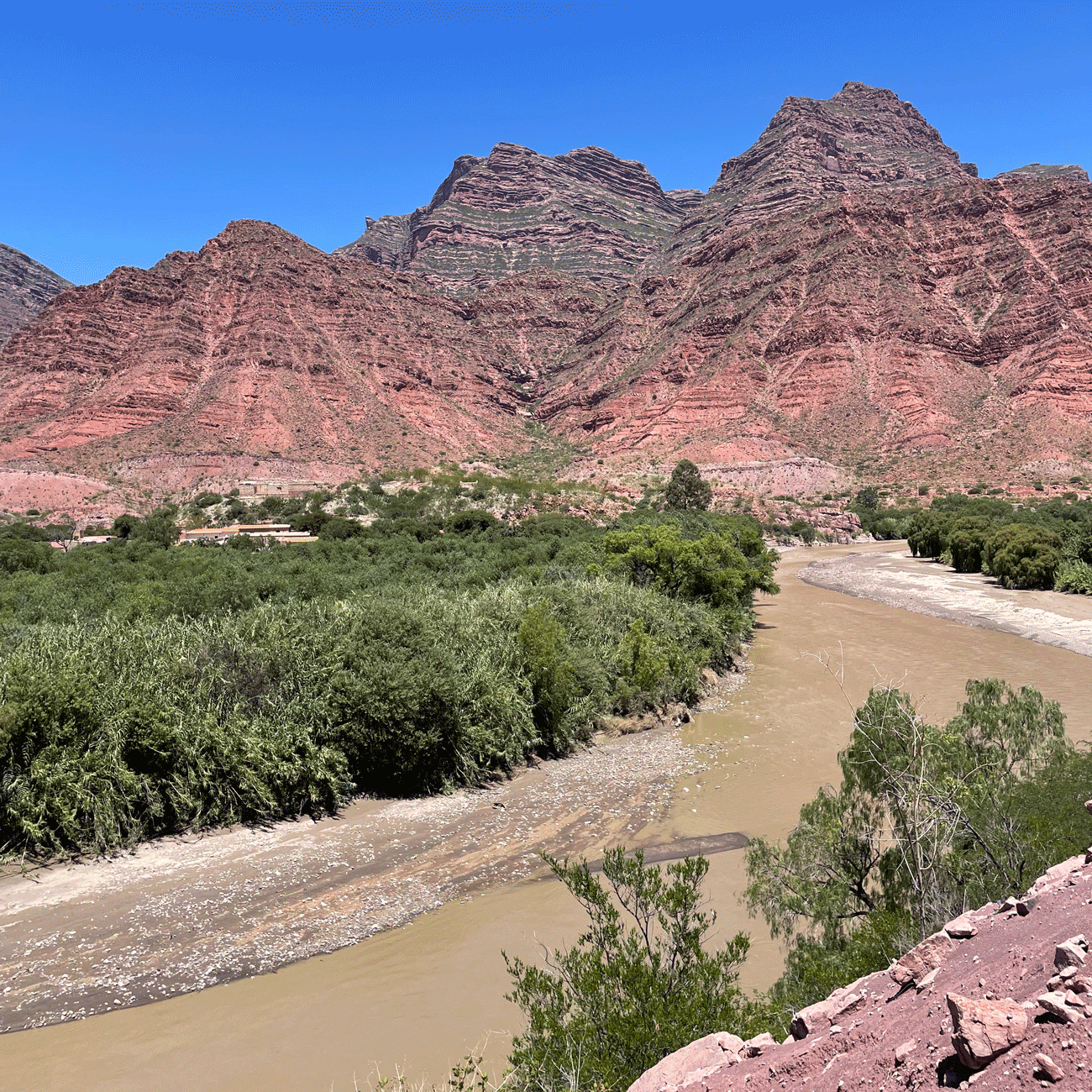
While the concept of ‘terroir’ is relatively new in Cinti, the valley’s favourable conditions for producing superior wine grapes have long been understood.
Its extreme high altitude generates a big diurnal temperature shift – around harvest, daytime highs of 35°C can drop to 15°C – which helps the grapes to retain acidity.
The altitude intensifies the UV exposure, thickening grape skins and encouraging the development of complex aromas and flavours.
Frequent winds and a semi-arid climate foster vine health, while a complex geology – in which sandstone, shale and quartz are found within deep alluvial gravels, alongside sand and calcareous deposits – gives a distinct mineral dimension to the wines.
Another crucial terroir element is the river water used for traditional channel irrigation in the vineyards.
The water of the Rio Grande contains unusually high levels of sodium ions and other dissolved minerals from the ancient shales over which the river runs for several kilometres before it reaches Cinti.
In the Rio Chica, the water is described as ‘agua dulce’, fed by fresh snowmelt and rainwater that descends from the Andes.
This makes it possible to distinguish between Cinti wines based on their water source: salty-mineral from the Rio Grande, softer and more fruit-led from the Rio Chica.
The rise of criollas
Central to Cinti’s identity is its dedication to criolla grape varieties. In the past five to 10 years South America has witnessed an explosion of criolla wines as South American wine producers have honed in on their own viticultural heritage.
In Bolivia, this has been fuelled by La Paz’s newfound status as one of the gastronomic capitals of the world, with stellar restaurants like Gustu and Arami offering 100% Bolivian wine lists on which criolla wines predominate.
The three most important Cinti criollas are Negra Criolla (Listán Prieto/País/Criolla Chica), Moscatel de Alejandría and Vischoqueña, the latter a crossing of Negra Criolla and Moscatel that is unique to Bolivia.
Cinti’s mixed-planted arbolito vineyards feature more than a dozen other criollas. These include Imporeña and Uvilla and others that DNA analysis has so far failed to identify.
Genetic jewel box
Much investment in research is needed to fully catalogue and preserve these rare varieties, which have evolved in isolation in this remote valley for centuries, though this work is already under way.
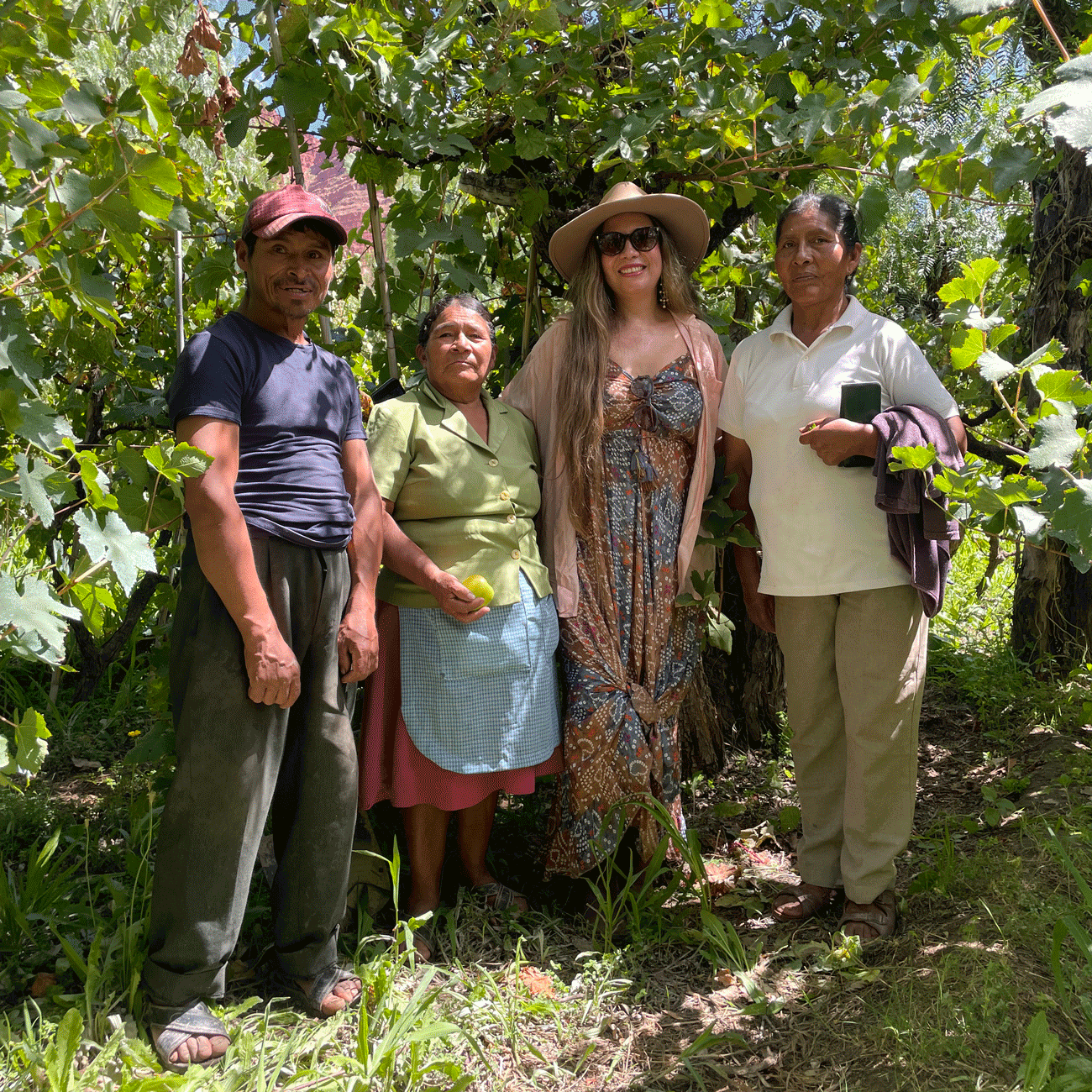
At Bodega Yokich in Camargo, winemaker Patricia Mendoza and her family are the custodians of Cinti’s only grapevine genetic bank.
Based on the extensive work of her father and grandfather – once the vineyard manager of San Pedro – they are working not only to preserve Cinti’s grape varieties, but also to propagate and distribute them to vineyard owners across Bolivia.
‘The main concern for my grandfather, especially, and my father was that in a few years the old vineyards were going to disappear and then we would lose the genetic diversity that we had,’ Mendoza explains.
‘Nowadays, some of those vineyards no longer exist, but we have the genetic material here. This is a huge responsibility for us, as the new generation. We also work with the governments, for example in Chuquisaca, in Potosí, in Santa Cruz… so the genetic material from the Cinti Valley is all around Bolivia now.’
A new chapter
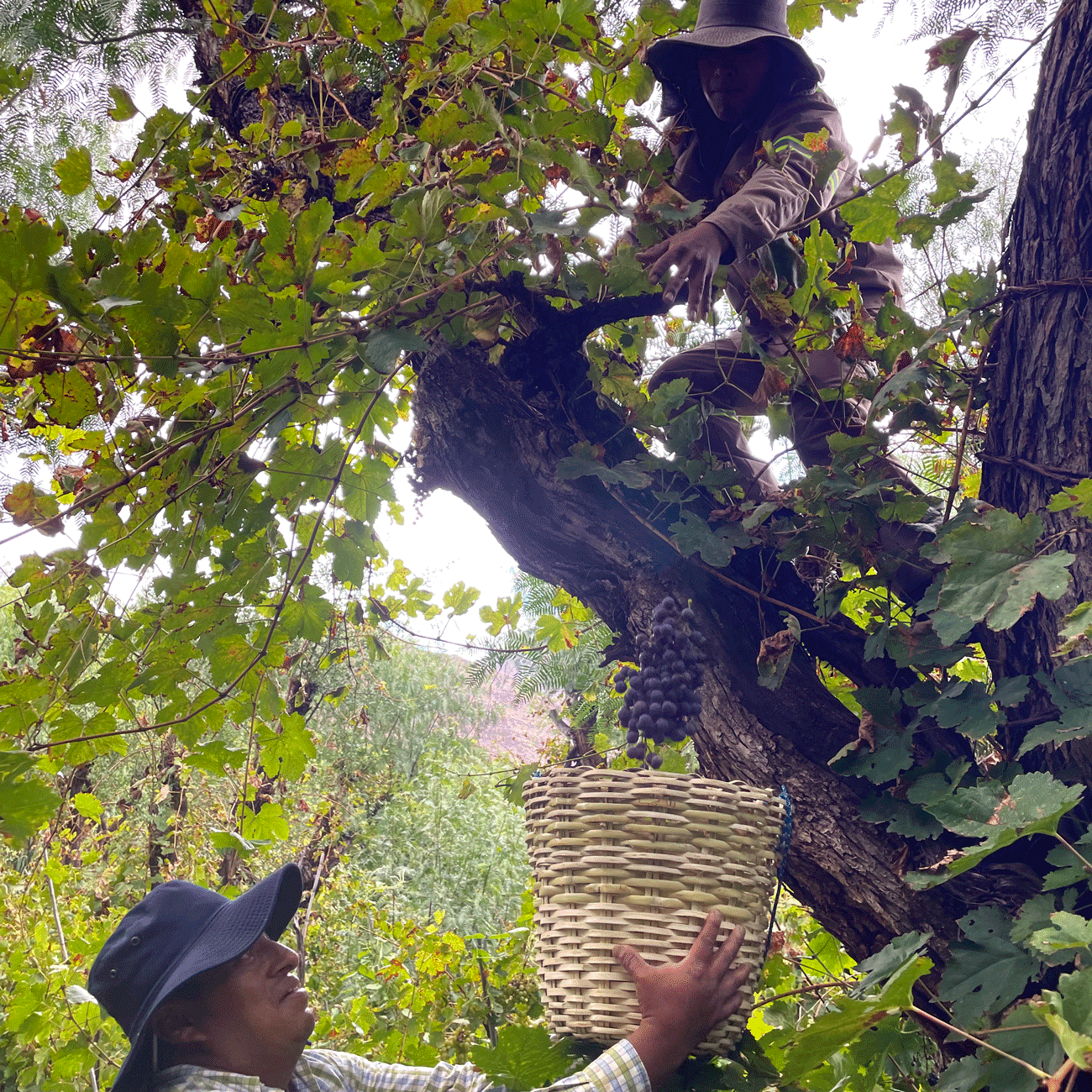
Bolivia is still trying to find its own identity as a wine country. For now, one is more likely to hear about the big, oak-aged Tannats or Cabernets of Tarija than about the more esoteric delights of Cinti’s high-altitude criollas – if one is to hear about Bolivian wine at all.
‘We used to look up a lot to Argentina,’ Maria José Granier admits. ‘Now we’re trying to learn more about what we have, and that’s very important.’
Momentum is building, in Bolivia generally, in Cinti especially. Clear evidence came with the establishment of Denominación de Origen Valle de Cinti – the only DO for wine in Bolivia – in 2014.
Comprising 11 bodegas divided between the valley’s three main winegrowing districts, the DO has an explicit objective to protect the wines and viticultural heritage of the Cinti Valley.
Locally, considerable hope also now exists on the political front: first, from the election in 2025 of centre-right President Rodrigo Paz, who marked his overturning of almost two decades of socialist rule with the declaration that Bolivia was ‘open for business’.
Secondly, the installation of a new mayor for the Cinti region, Marcela Mendoza, whose family owns the Yokich estate in Camargo.
With a sympathetic new mayor’s influence, and appeals to previously overlooked constitutional provisions for support – critically important is statute 774, introduced in 2016 to protect and promote Bolivian singani and wine – Cinti’s artisan producers hope to be able to apply for low-interest government loans that will enable them to purchase new winery equipment, develop their businesses and make even better wines.
With this momentum continuing to build, it won’t be long before the wines of this remote canyon reach their deserved global audience.
Exploring the wines of the Cinti Valley

Tasting South American wine history: The ‘Criolla’ revival

Criolla: 15 great buys from South America’s trailblazing family of grapes