





Occasionally people ask me if I can recommend a light Châteauneuf-du-Pape.
It’s a bit like asking a zookeeper if he has any slim hippos or short-necked giraffes.
What I usually do in this situation is direct them towards wines from naturally slimmer and more athletic nearby appellations.
After all, the very best Châteauneufs tend to be those that embrace its natural plus-size magnificence.
But thanks to the appellation’s liberal rulebook and the diversity of its soils, Châteauneuf can be a broad church.
And occasionally I do come across excellent wines that, while not exactly light, are at the lighter end of the spectrum.
Wines with drinkability and a lightness of touch, but – crucially – still taste and act like Châteauneuf.
One estate that embodies this style is Domaine Juliette Avril.
The outer fringes
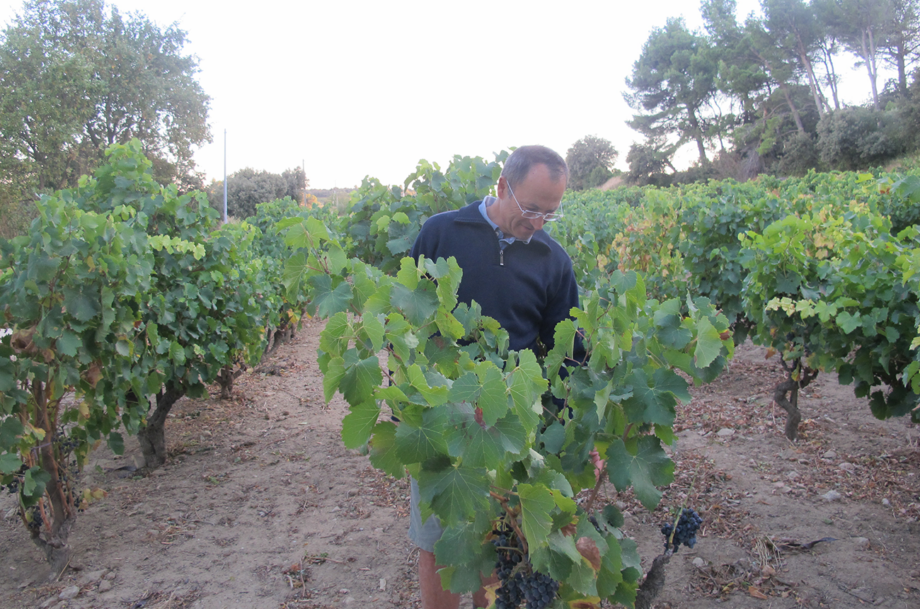
Stephan Brun-Avril has an infectious energy, a broad smile and is never short of something to say.
He finds it hard to concentrate but has plenty of ideas. ‘I’m like an upside-down tree,’ he says, ‘with roots that go all over the place up in the sky.’
He says his staff help keep him grounded.
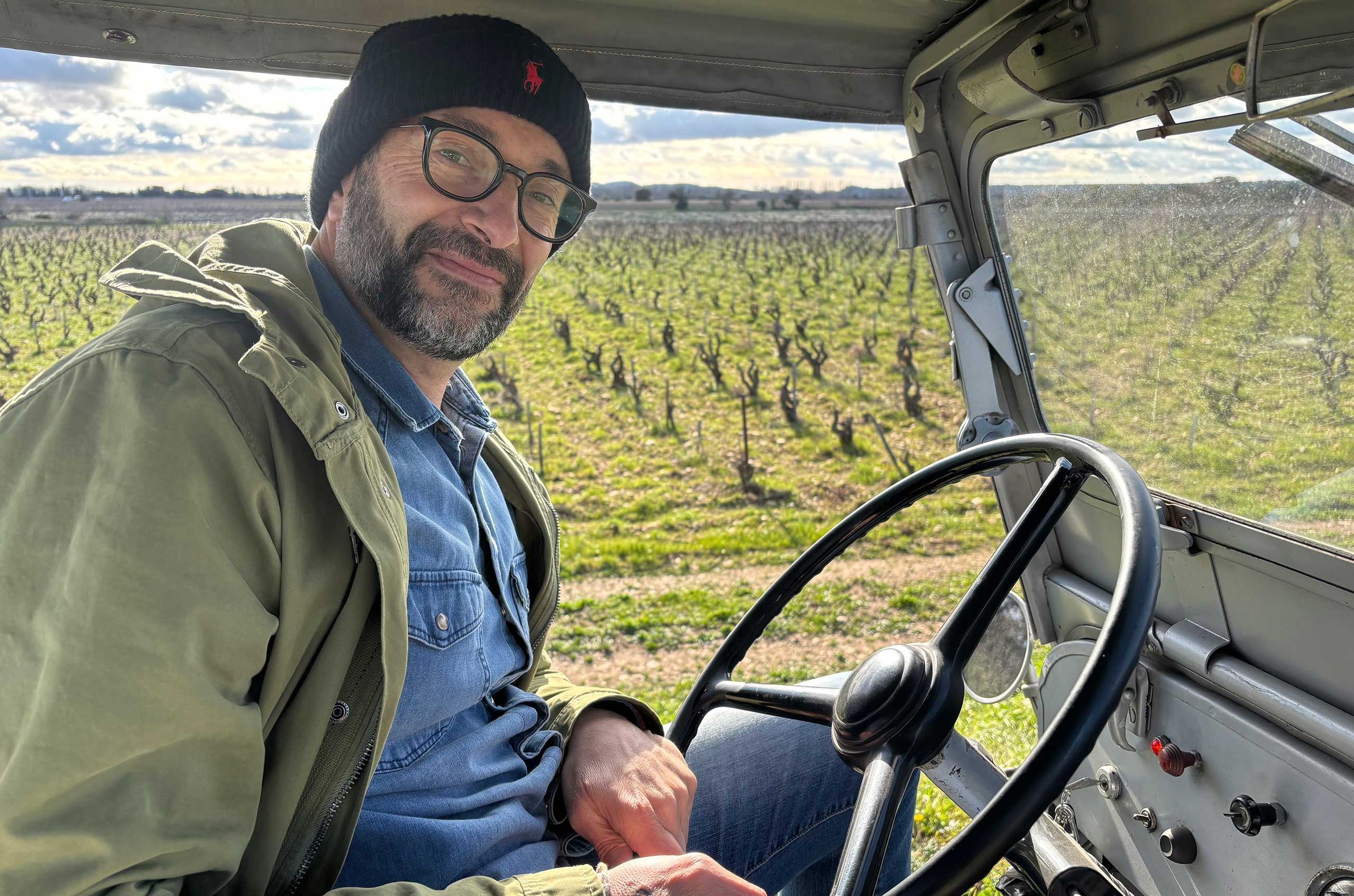
I asked if we could visit the vineyards – of course, he says. He proceeded to jump-start a (long-)retired French army Jeep, and in we hopped.
As we rumbled through the pebbly vineyards, Stephan says: ‘I’m not a typical winemaker – I’m not from Châteauneuf.’
Many top Châteauneuf winemakers went to the village school and all grew up together. But not Stephan.
He’s half Italian, and grew up in Italy. It was only after completing his studies, that he travelled to France and joined the family estate.
It can’t be easy moving from a foreign country to this tight-knit community of 2,500 people and trying to fit in.
Perhaps that’s one reason Stephan is happy to make wines that don’t follow the local template.
New estate, ancient roots
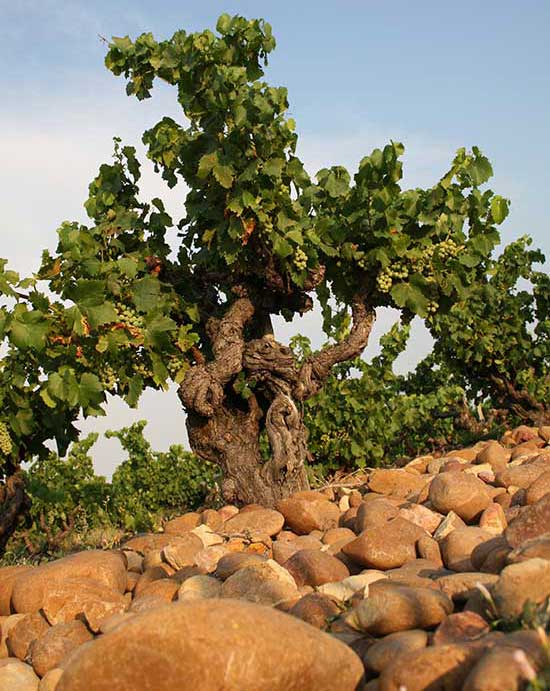

The Avril name, however, is deeply embedded here – Stephan says that members of the Avril family lived in Châteauneuf before the French Revolution (1789–1799).
Different branches of the family have long been part of the winemaking scene; Maurice Avril owned Domaine le Père Caler (now closed), and Vincent Avril owns Clos des Papes.
In 1982, local landholder Jean Avril bequeathed 20ha of Châteauneuf vineyards to his daughter Juliette Avril, and in doing so, she established her own estate.
Juliette’s daughter, Marie Lucille Brun, started working at the estate in 1988. Marie Lucille was joined by her son Stephan in 2002.
Their holdings have grown since Stephan arrived; he bought land in Cairanne, Plan de Dieu and Côtes du Rhône. But the family’s heart, and winery, remains in Châteauneuf.
‘There are really two climates in Châteauneuf-du-Pape,’ says Stephan, ‘south and north.’
They have holdings in both – half in the hot, dry lands of lieux-dits Les Gallimardes, Les Serres and Les Plagnes to the south; the other half in the higher, slightly fresher terroirs of lieux-dits of Farguerol, Coteau de l’Ange and Pied de Baud to the north.
Towards the light
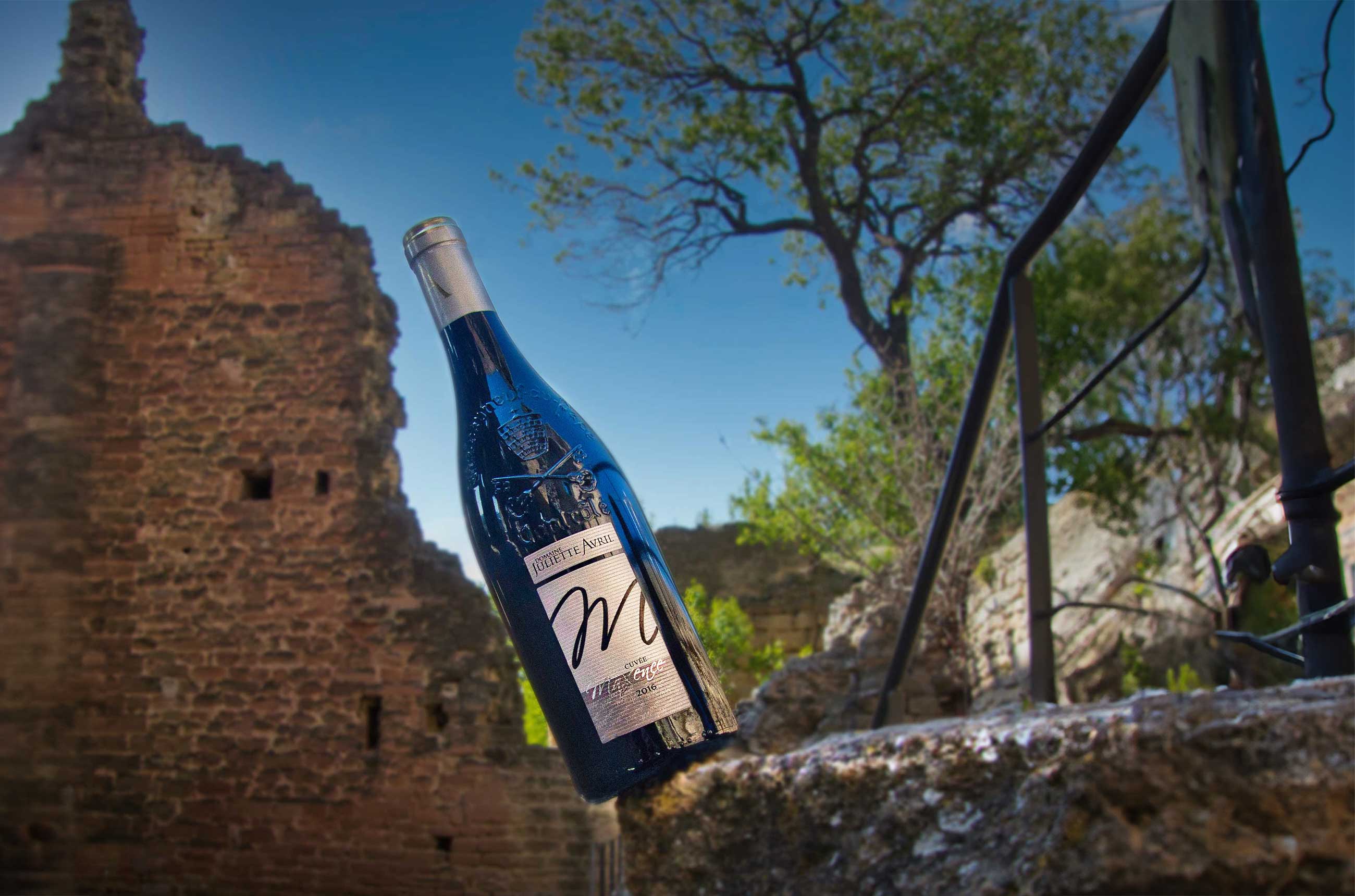

In other hands, these parts of Châteauneuf make powerful wines. But Stephan creates a style that is less potent and muscular. He achieves it through a combination of methods.
Firstly, he picks relatively early to preserve acidity and keep alcohol levels in check.
Secondly, he keeps maceration times short (around 12 days) in order to preserve freshness and not to extract too much tannin. He doesn’t age the wines for very long, and he only uses larger barrels.
Thirdly, he’s beginning to coferment his Grenache with a little Cinsault and Counoise.
‘We use them for juice,’ he says, and ‘they help to temper the Grenache and naturally reduce the alcohol’.
‘What made our reputation is balance,’ he says, and he aims to make a wine that he enjoys drinking himself.
Light, but authentic
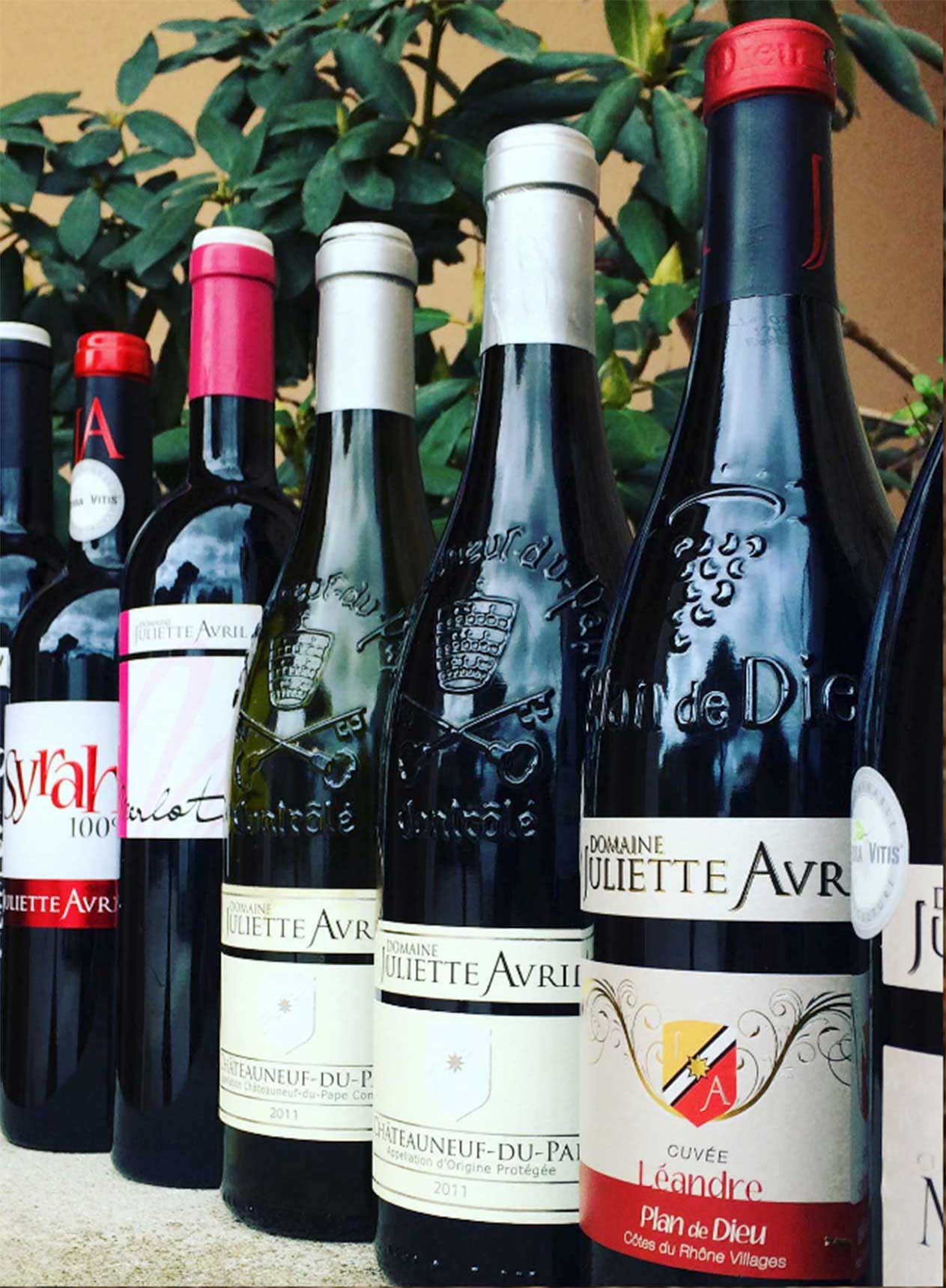

Successfully producing a lighter style of Châteauneuf isn’t easy. It’s a terroir that naturally wants to make generous, ageworthy bottles.
Picking early is a dangerous game; if your grapes aren’t fully ripe, you risk making something puny or unconvincing – a toothless crocodile or a three-legged cheetah.
But Stephan treads carefully, managing to capture a high-toned floral expression of Grenache without sacrificing the gravitas of a genuine Châteauneuf.
Most Châteauneufs find their way to the dinner table in winter months. But that’s another rule that Stephan’s wines gleefully break.
A lightly chilled, summer Châteauneuf? Look no further.
Domaine Juliette Avril wines to try
Vacqueyras 2022 retasted in bottle: 25 top wines for southern Rhône lovers
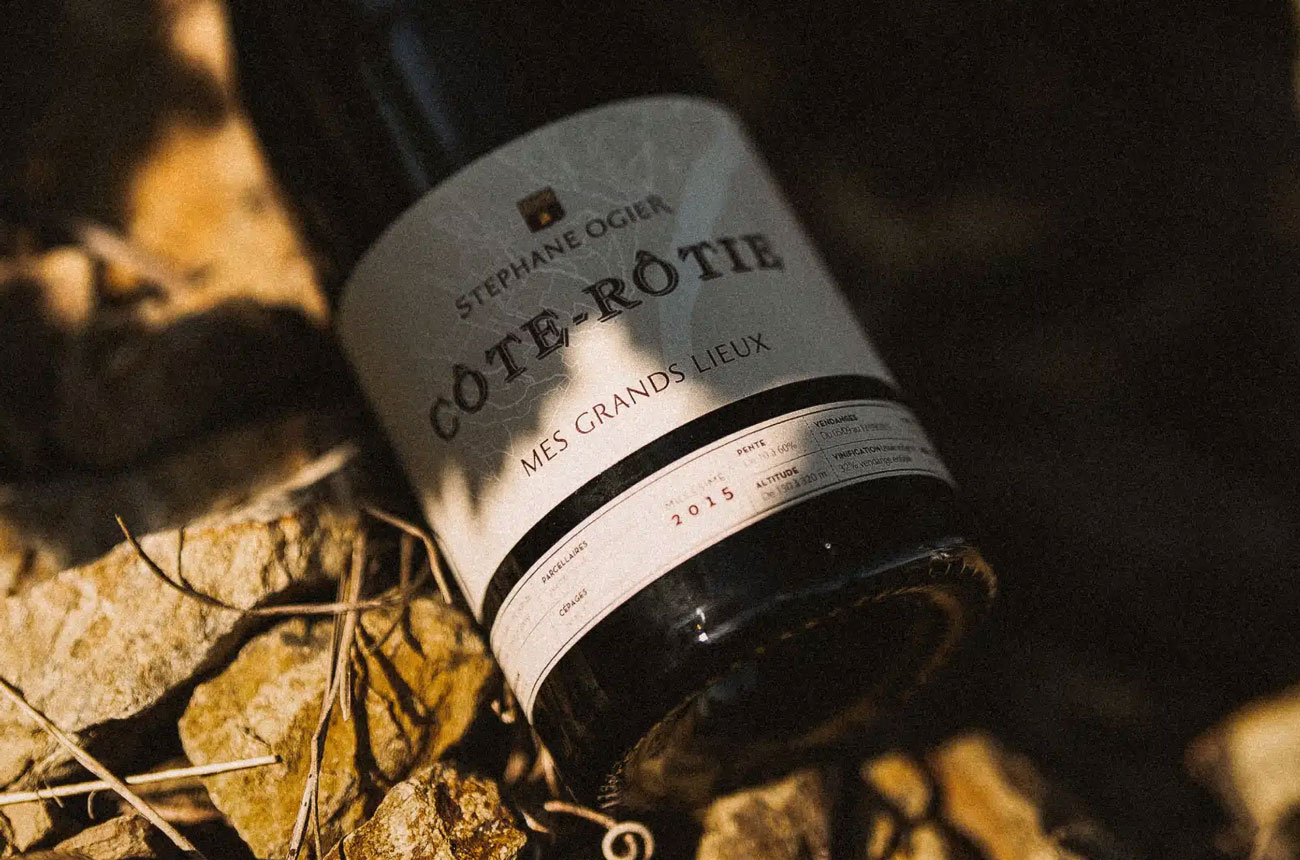

Why wait a decade for Côte-Rôtie? Stéphane Ogier’s done it for you