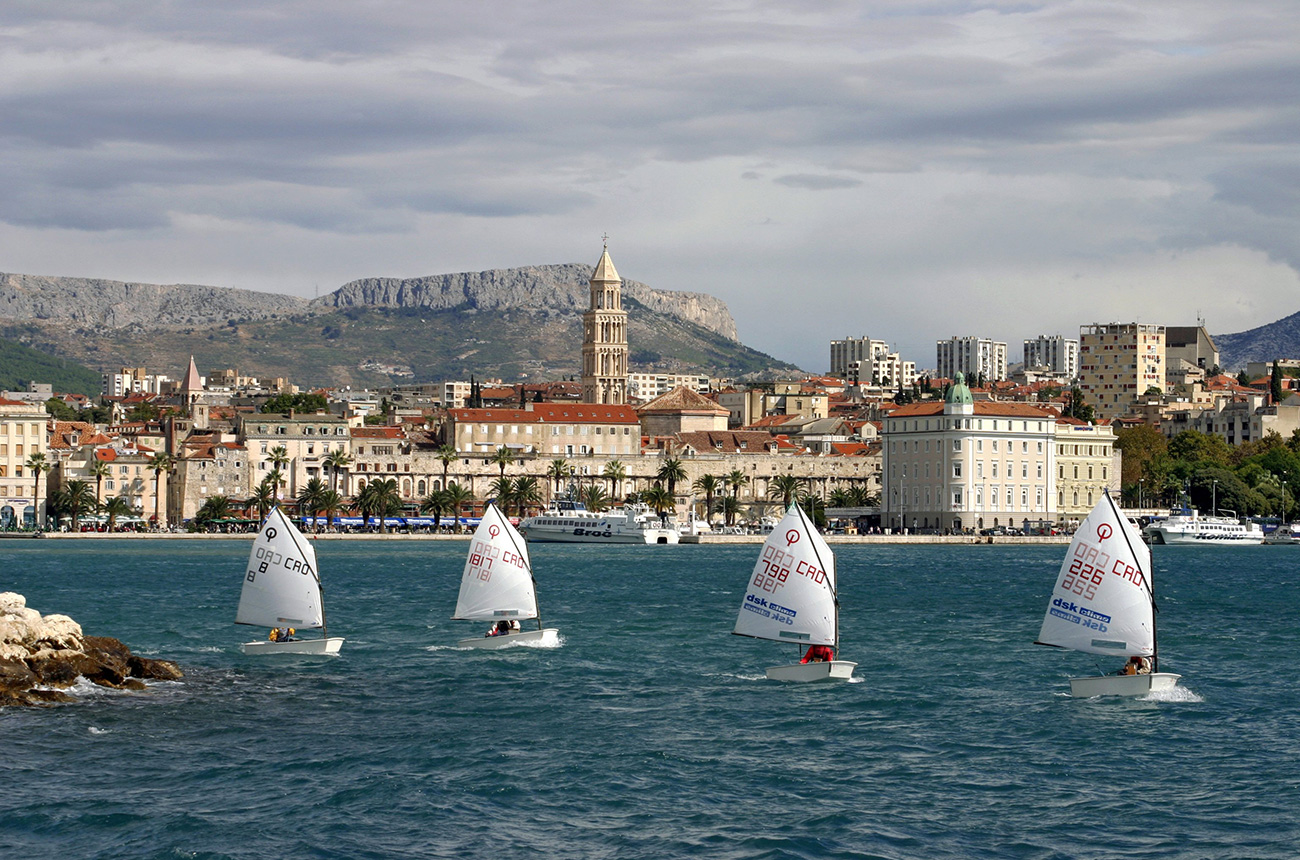








You’re in the mood for something a little unexpected. A conversation opener for a lingering summer evening with friends. A refreshing glass or two with a good story attached. A variety you can’t pronounce with origins that offer alluring potential for that quick get-away from the sweltering desk job.
Then look no further than the wines of Central and Eastern Europe (CEE).
The Ultimate Central and Eastern Europe wine fair, now in its third year, takes place in London each June. Showcasing wines spanning Armenia, Bosnia and Herzegovina, Bulgaria, Croatia, Czech Republic, Cyprus, Greece, Hungary and even Georgia, the trade fair’s burgeoning success is testament to the growing interest and array of wine styles these lesser-known regions can offer.
And don’t just take our word for it. We asked three regional experts for their view.
For wine specialist and DWWA co-chair Beth Willard, we are just seeing the tip of the iceberg. ‘These are old wine-producing countries that have undergone something of a renaissance over the last 20–30 years, and now we are seeing just how good these wines are.’
The personal touch
And one of the key reasons for this growing interest? The personal side of things. As regional expert and CEE fair organiser Caroline Gilby MW puts it, ‘I love the human story: I think that is what is so exciting about this part of the world’.
Recent decades have witnessed a huge wave of investment and winemaking experimentation. For regional specialist and fellow CEE fair organiser Zsuzsa Toronyi, ‘CEE wines also come with compelling stories. Many family-owned wineries have revived historic vineyards and traditions, creating wines that reflect local culture, heritage, and a strong sense of place’.
As new generations take the lead of these revived traditional family wineries, excellence is to be found from both international and local varieties. In the mood for pale pink bubbles? Try a Moldovan pink spumant from Dom Davidescu made from the Rară Neagră variety. Keen on a traditional Blanc de Noirs style? Why not pick up a bottle of Serbian producer Aleksandrović’s saline and steely Trijumf Noir Brut.
Travel through the glass to the Croatian island of Vis, where intriguing red wines are made from the local Plavac Mali variety. Pair a sticky Tarte Tatin with a decadently sweet late harvest Furmint–Muscat blend from Hungary.
Taste widely. Most importantly, have fun while you are at it.
A journey of discovery that’s kind on the wallet
More than a mere talking point for the table, there is great value to be found among these lesser-known discovery varieties and regions. As Toronyi comments, ‘They offer a combination of quality, value, authenticity, and discovery that is increasingly hard to find in more established wine regions’.
Bolstered by year-on-year successes at the Decanter World Wine Awards and a promising rise in carefully curated wine bar lists featuring lesser-known wines, the diversity on the UK market is exciting.
As Gilby puts it, ‘You may still have to hunt down some of these wines with specialist importers and indies, but even some supermarkets are recognising that CEE wines deserve space in their ranges.’
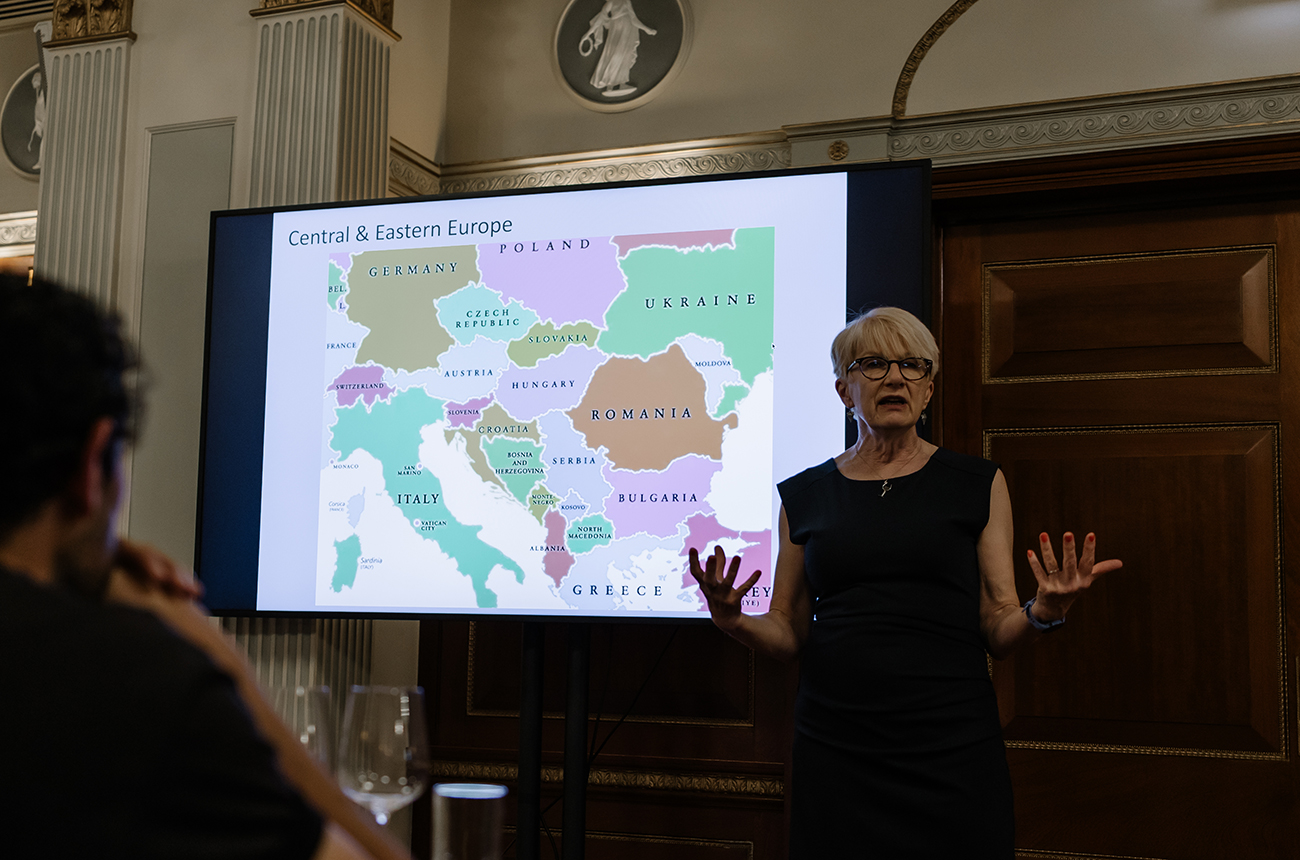

1. Hunt down unusual local varieties.
Don’t be afraid to explore – you will be rewarded. Willard puts it well: ‘Be adventurous. Can’t pronounce the variety or name of the wine? Who cares! You didn’t know that Poland was a wine-growing country? Well, now’s the time to try its wonderful Chardonnays and Pinot Noirs’.
2. Look for the personal stories behind the bottle.
Pair your vinous choices with your next holiday plan. Visit the producer, ask questions, and pair with local cuisine.
3. Try before you buy.
Head down to your local wine bar and dip your toe in – by the glass. From wines made from staggeringly old vines to low-intervention expressions, there is superb quality to be found at a range of price points.
4. Seek out varieties that match your preferred style.
Willard advises, ‘Look to countries like Slovenia if you like fresh, elegant whites, or Dalmatia if you want satisfyingly jammy reds. Istria’s Malvazija offers whites that reflect its Adriatic origins, while Serbia’s bold red wines are making waves’.
5. Ask questions. Try widely. Enjoy exploring!
As Toronyi puts it, ‘The region offers many approachable, fruit-driven wines at attractive price points, making it easy to explore without spending a lot’.
Five wines to try
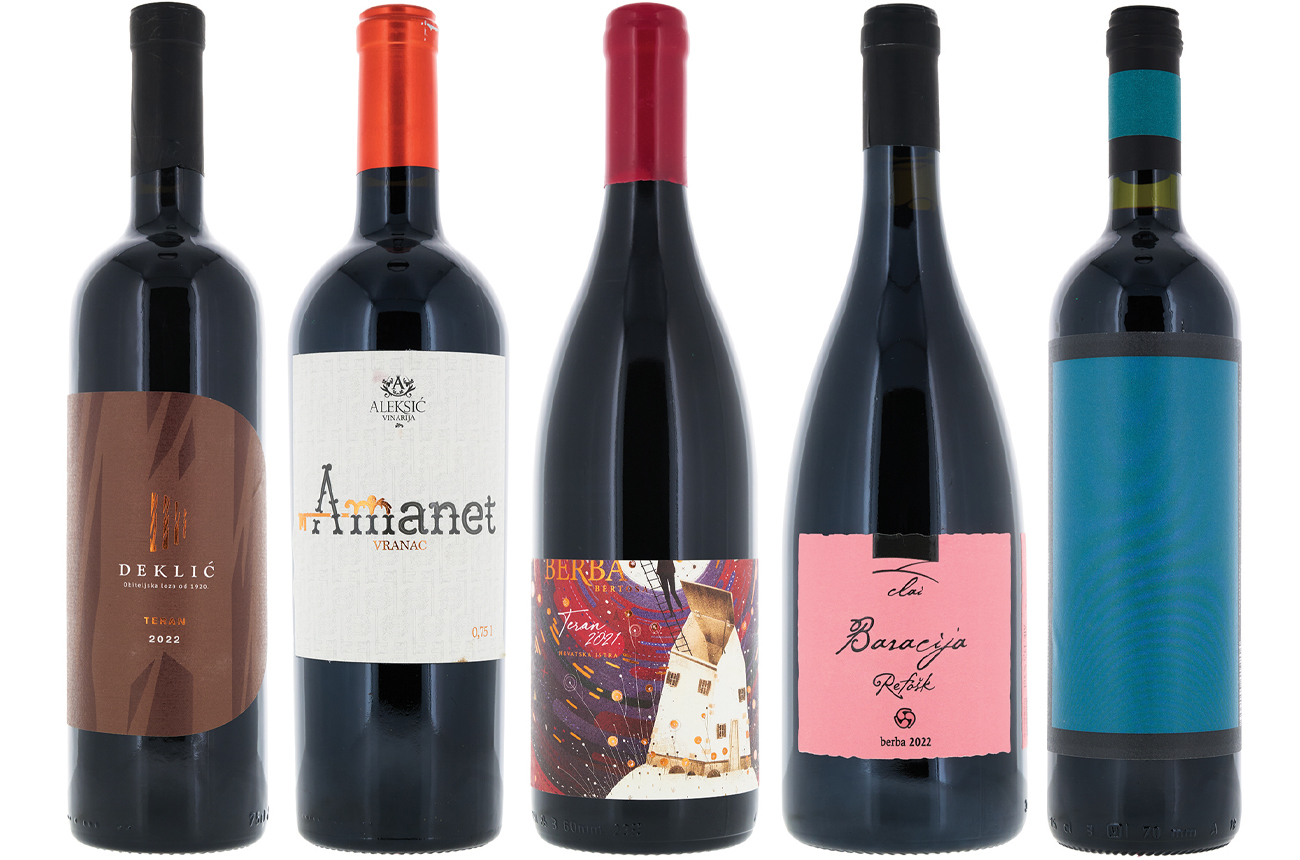
Southeastern European reds: Panel tasting results
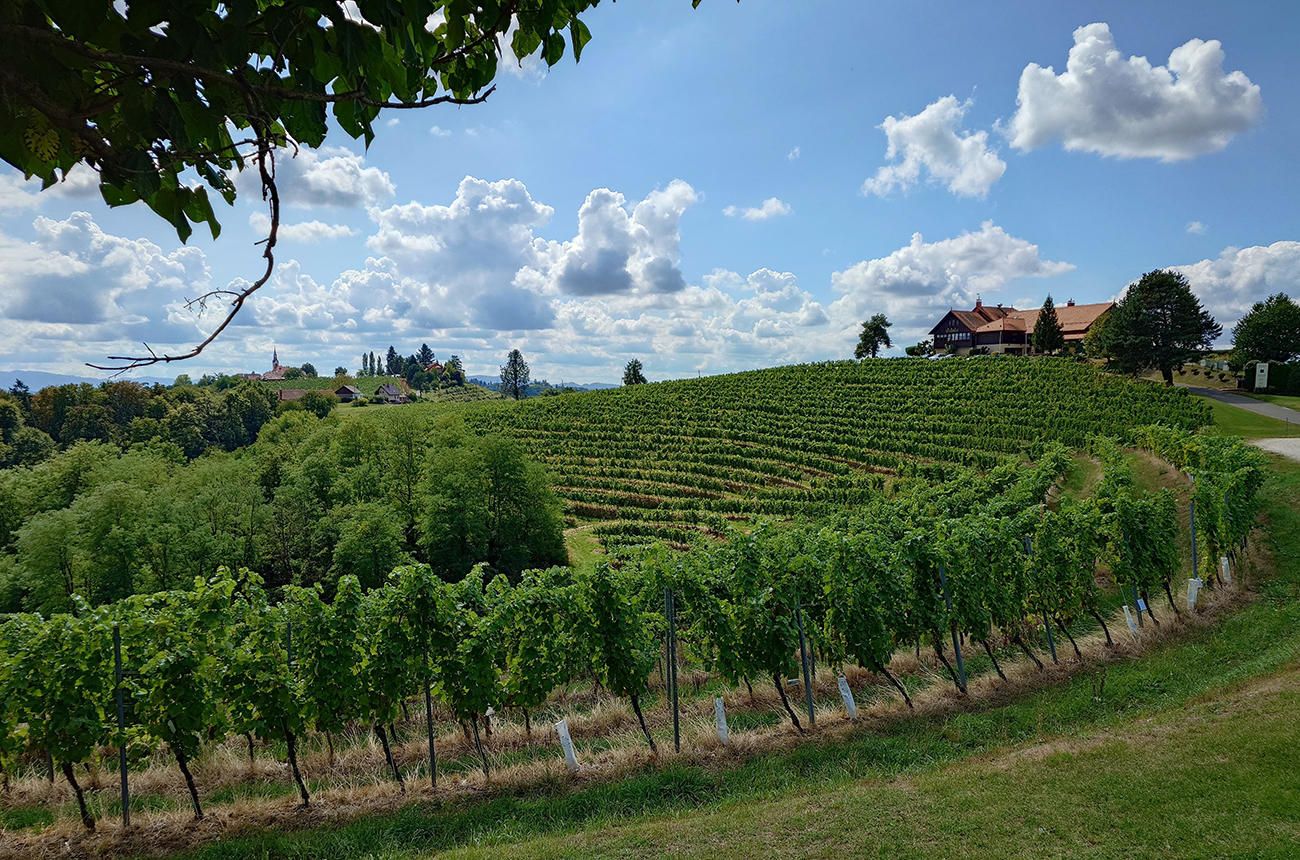
Why Eastern Slovenia is one of Central Europe’s great unsung wine regions