




While cooler-climate regions in the US, such as Oregon’s Willamette Valley, are better known for sparkling wine, a growing cohort of Washington state winemakers have been producing fizz worthy of fireworks.
The state’s principal appellation, the Columbia Valley, is larger than the country of Belgium and a growing region of extreme diversity.
Across its microclimates, sub-appellations, and high-elevation vineyards, traditional sparkling varieties such as Chardonnay and Pinot Noir seem to grow as well as the human talent required to transform those grapes into premium wines.
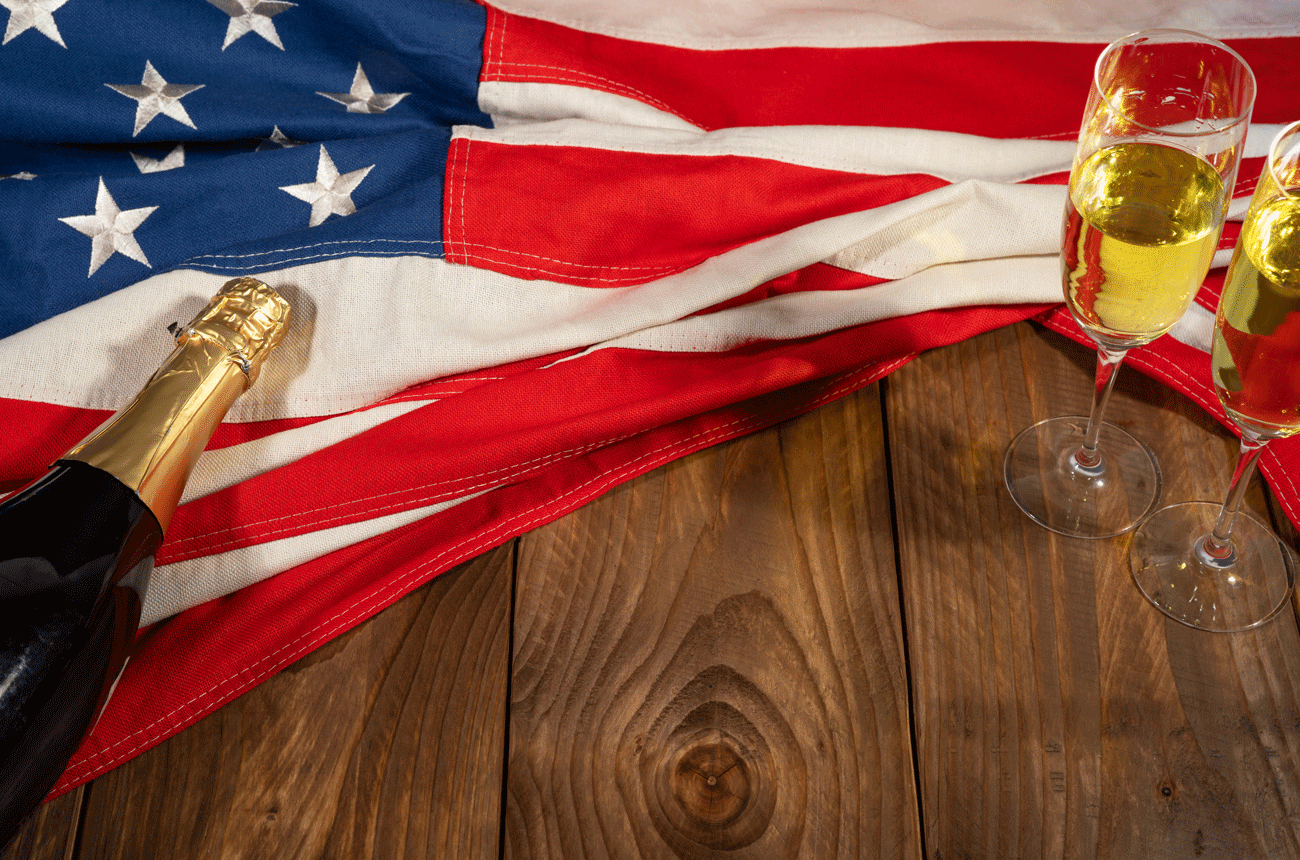
As US wine drinkers prepare to celebrate the nation’s 250th birthday on the Fourth of July, here are five reasons to consider a bottle of Washington state fizz for the festivities.
Five sparklingly good reasons to choose Washington state fizz for your Fourth festivities
1. A range of prices puts Washington bubbly in reach of most buyers
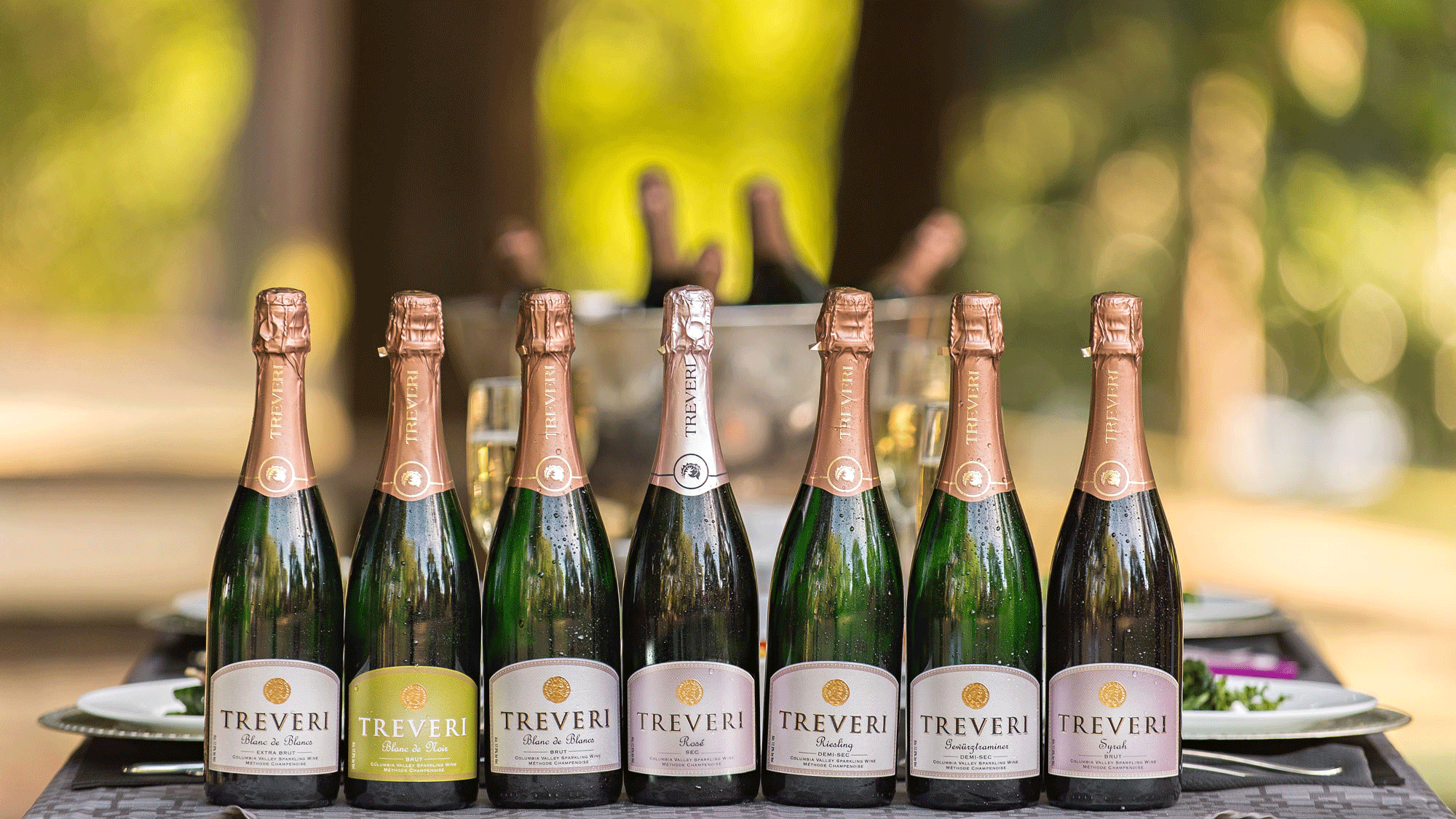
Entry-level, traditional-method bottles from established Yakima-based producers such as Treveri start below $20. Newer upstart brand Tirriddis prices its value House line at just over $20 a bottle.
Gabriel Crowell, co-founder and director of winemaking at Tirriddis in Prosser, attributes this competitive edge to the state’s established agricultural infrastructure and what he calls the ‘pursuit of flavor’.
‘What makes sparkling so unique is that you have the option of flavor, but you have the possibility of being able to actually produce enough cases to get a traditional-method Pinot Gris to St Louis, Missouri.’
2. Cool-climate varieties are grown with success across the state
‘I’m always looking for the coolest spots,’ says Chris Sherry, who crafts traditional-method sparkling wines for his brand Elentone in the Woodinville wine district north of Seattle.
He sources fruit from higher-elevation vineyards within the rugged Columbia Gorge.
His preferred sites, such as Celilo on Underwood Mountain and nearby Rainmaker in White Salmon, are further west in the Gorge appellation.
These areas are closer to maritime influences from the Pacific Ocean, and benefit from more moderated temperatures as well as an extended growing season.
‘It just helps things ripen a bit more evenly,’ says Sherry.

3. Styles are suited to every taste
From natural, low-intervention styles, to extended lees ageing, or bottlings made using non-traditional grape varieties, there is something for everyone on Washington’s sparkling spectrum.
Grosgrain winemaker Matt Austin, who helped popularize pet-nat (pétillant naturel) in the state with his Red Mountain Lemberger, now produces a traditional-method wine from the variety, albeit in a largely hands-off style.
‘We still make that wine in a fairly natural way, with no fining, filtration, or cold stabilization, to keep it a little more wild and textural,’ Austin says.
4. Washington fizz is fantastically food friendly
Picnic salads, corn on the cob, burgers, barbecue: few wines are better with a variety of traditional cookout foods than Washington’s many high-acid bubblies.
In Walla Walla, Kinhaven winemaker Kasey Davenport suggests seafood with her fizz, The Four Stars.
‘We love it with oysters, Dungeness crab pasta salad, or a lobster roll.’
5. You can toast to the promise of a brighter tomorrow (like a State official)
Second-generation winemaker Christian Grieb of Treveri in Wapato, Washington, says his brand’s Blanc de Blancs Brut Zero has made its way to the nation’s capital more than once.
‘We’ve been served at the State Department on several occasions,’ Grieb says.
‘We love its mission, which is American diplomacy through American food and wine.’
10 great Washington state sparkling wines to try

Canada Day pairings: BC wines for 10 Canadian summer dishes
Eight Napa Valley bargains at Costco