





In 1985, the Italian government passed a law establishing a legal framework for farmers to offer hospitality services, with the aim of protecting rural and agricultural heritage while helping struggling farms diversify their income.
The law unleashed the first wave of ‘agriturismo’.
Its effects were felt most strongly in Tuscany, where historic wine estates and olive farms began to open their gates to visitors, transforming centuries-old agricultural properties into experiential destinations.
Agriturismo is ‘actually really old’, says Mania Castelli. ‘It was abused for many years and now it’s coming back properly.’
Castelli runs La Torre alle Tolfe, a 700-year-old wine estate near Siena in Tuscany – part of the modern, ‘new wave’ of agriturismo.
While tax benefits and simplified bureaucracy made the agriturismo label attractive to people who weren’t actually farmers, this new wave is agricentric.
La Torre alle Tolfe exemplifies this.
Castelli, a veterinarian who returned to run the family property in 2015, now runs a working wine and olive oil estate that integrates hospitality, agricultural education and regenerative farming practices.
Authentic experiences
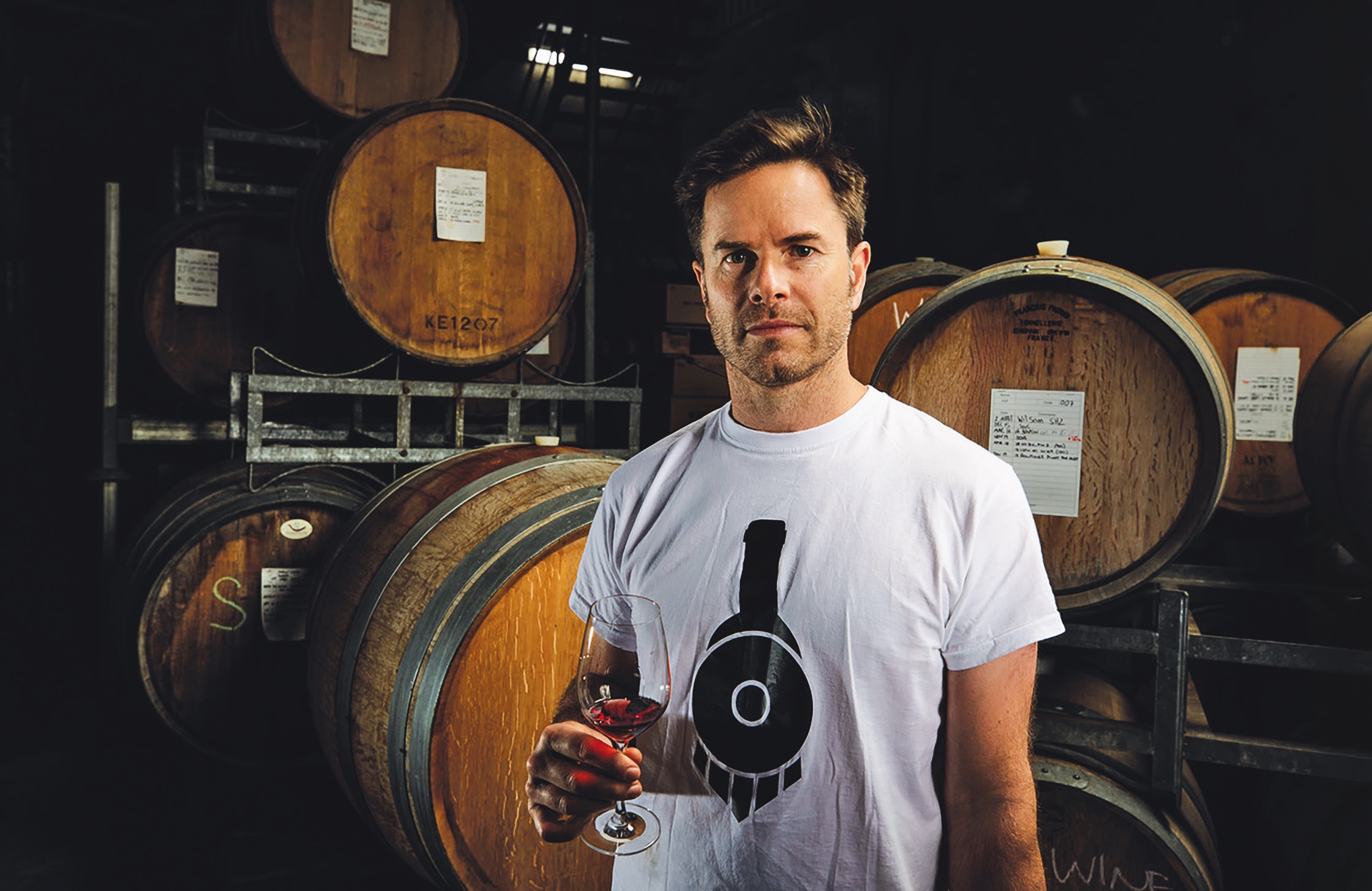
Like Castelli, Alessandro Varagnolo – owner of Cadgal, a winery and agriturismo in Piedmont (pictured, above) – thinks the key to successful agriturismo is staying true to its agricultural roots.
‘Here,’ he says, referring to Cadgal’s location between Langhe and Monferrato, ‘vineyards are not just a backdrop for tourism, but an active part of everyday life and work.’
Today, Cadgal offers a B&B experience with breakfast prepared using local produce, wine tasting, horse riding and more. ‘It’s a genuine connection to wine, land and people,’ he says, ‘rather than a standardised tourism product.’
Capitalising on the tourism boom, today’s agriturismo model gives wineries an opportunity to share their area’s heritage and winemaking traditions with visitors from around the world.
‘We have to do something to tell our stories, especially if we’re small,’ Castelli says. ‘People coming to your farm is much more powerful than any kind of internet or social media [exposure].’
Castelli notes that another driver of the new wave of agriturismo is the fact that many wine producers are trying to diversify their income streams in today’s climate of market instability and extreme vintage conditions.
This is particularly powerful when direct sales can achieve the same margins as exporting far larger volumes.
‘People coming to your farm is much more powerful than any kind of internet or social media exposure’
Alessandro Varagnolo, Cadgal
Strength in diversity

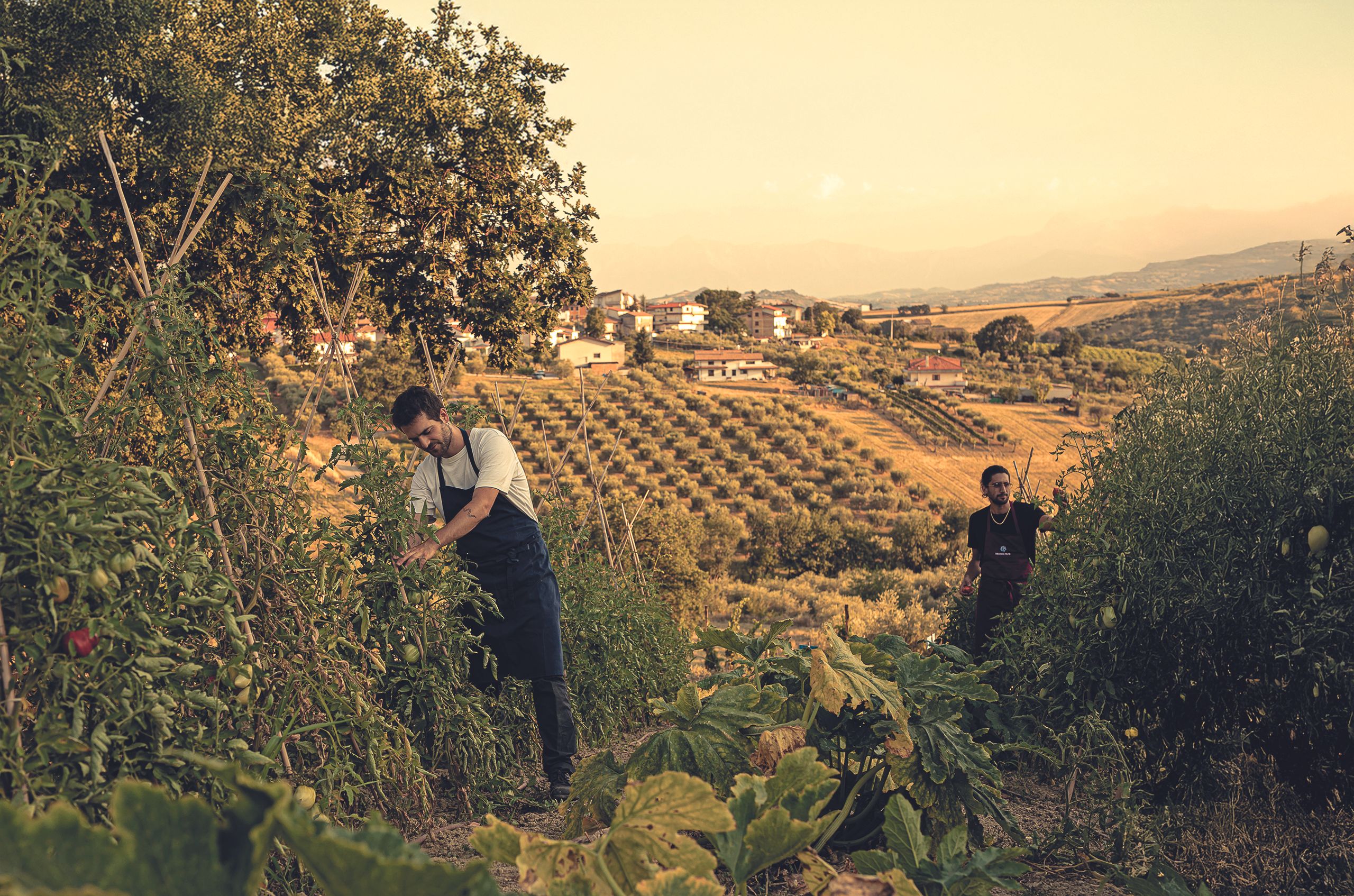
But for Elisa De Lulis of legendary biodynamic estate Emidio Pepe in Abruzzo, it isn’t about money.
‘For us, diversifying into agriturismo was never about following a market trend or seeking a simple revenue stream,’ she says.
‘It was a natural, almost inevitable, extension of our winemaking philosophy. We realised that the best way to communicate and protect our heritage was to let people see it with their own eyes.’
Regional differences shape the form agriturismo takes.
De Lulis describes Abruzzo, a region located between the Gran Sasso massif and the Adriatic sea, as ‘wild, rugged and profoundly honest’.
She explains: ‘Unlike other more manicured Italian regions, our agriturismo scene is still deeply rooted in true peasant culture. Guests here can experience a biodiversity that is still intact and spontaneous.’
In Piedmont’s rolling hills, where tourism is more advanced, different agricultural sectors feed into one another.
Truffles and hazelnuts are part of the same cultural ecosystem as wine, creating what Varagnolo calls ‘slow, experiential tourism’.
As for Tuscany, the region that experienced a tourism renaissance in the late 1980s and early ’90s, when the agriturismo movement was first taking shape, wineries face a different set of considerations.
‘The word Tuscany helps you, in the sense that it attracts,’ reflects Castelli. ‘On the other hand, there’s a lot of competition.’ And high expectations.
Rather than competing in isolation, producers recommend tourists visit each other’s wineries, sell each other’s olive oils and create wine trails across regional lines.
‘Our mission is not individualistic,’ Castelli explains. ‘We’re just trying to contribute to a much bigger cause.’
Looking ahead, she envisions farms integrating tourism, education and ecological restoration into their operations, with each property shaped by its unique landscape and history.
‘Every place is different,’ she says, ‘so there’s much less competition once you do that.’
Five new-wave wine-country properties to visit
Cadgal
Piedmont
cadgal.it
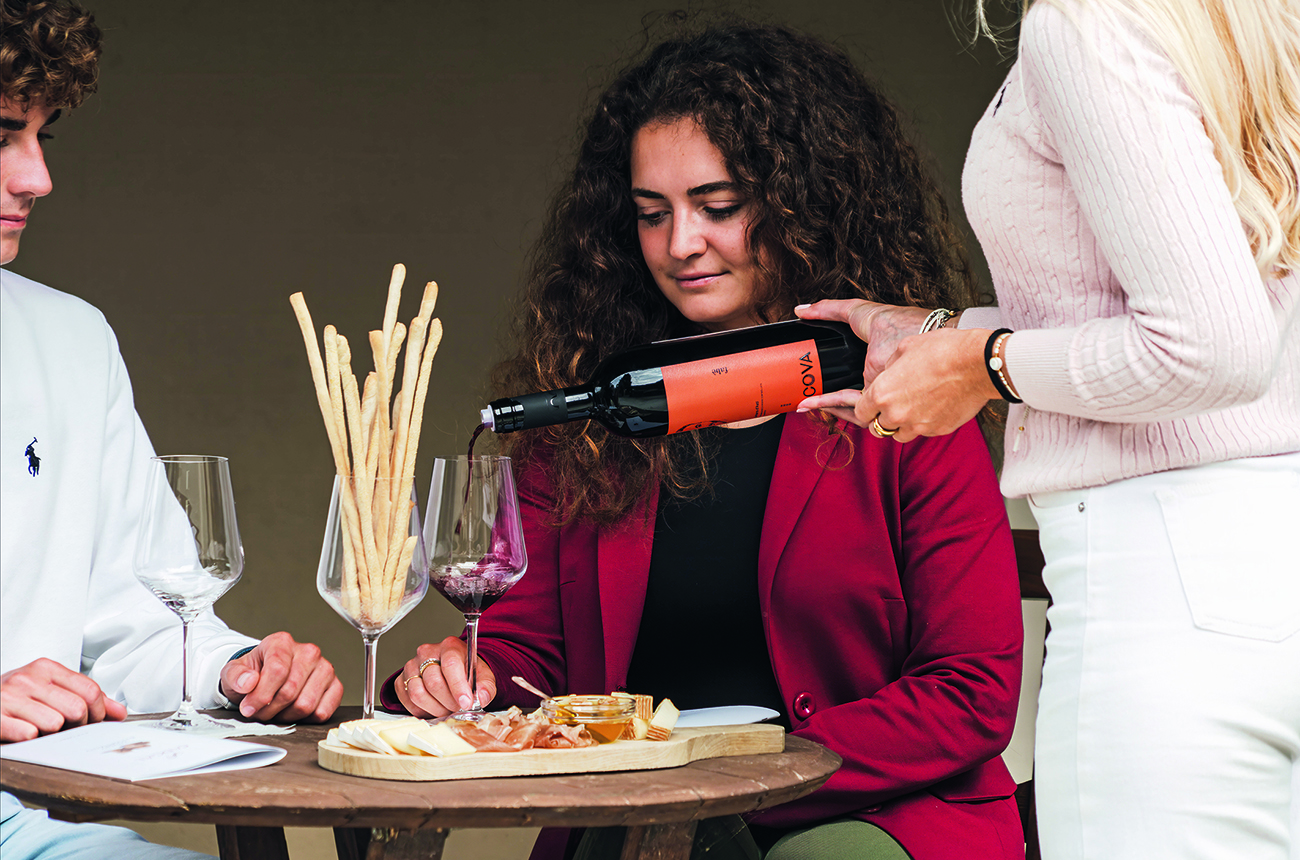

Alessandro Varagnolo runs Tenuta Valdivilla and Tenuta La Cova, two agriturismo estates between Langhe and Monferrato, where he has built a business around what he calls ‘genuine, familiar hospitality’.
When he took over the properties, one already operated as an agriturismo; the other he immediately expanded.
‘From the very beginning, I strongly believed in wine tourism as a key driver for the future,’ he says.
Guests can stay in B&B accommodation with homemade breakfast prepared using local products.
Wine experiences centre around the estates’ signature Moscato variety and tastings of their most representative bottles.
Guided vineyard walks trace the journey from vine to bottle, while partnerships offer truffle hunting, horse riding and e-bike rentals in the surrounding hills.
According to Varagnolo, the model works because guests develop connections, which more often than not means they return after their first visit.
‘People become emotionally involved with the place, the wines and the people behind them,’ he says. ‘That level of loyalty is something you don’t always expect.’
Cascina Degli Ulivi
Gavi
cascinadegliulivi.it
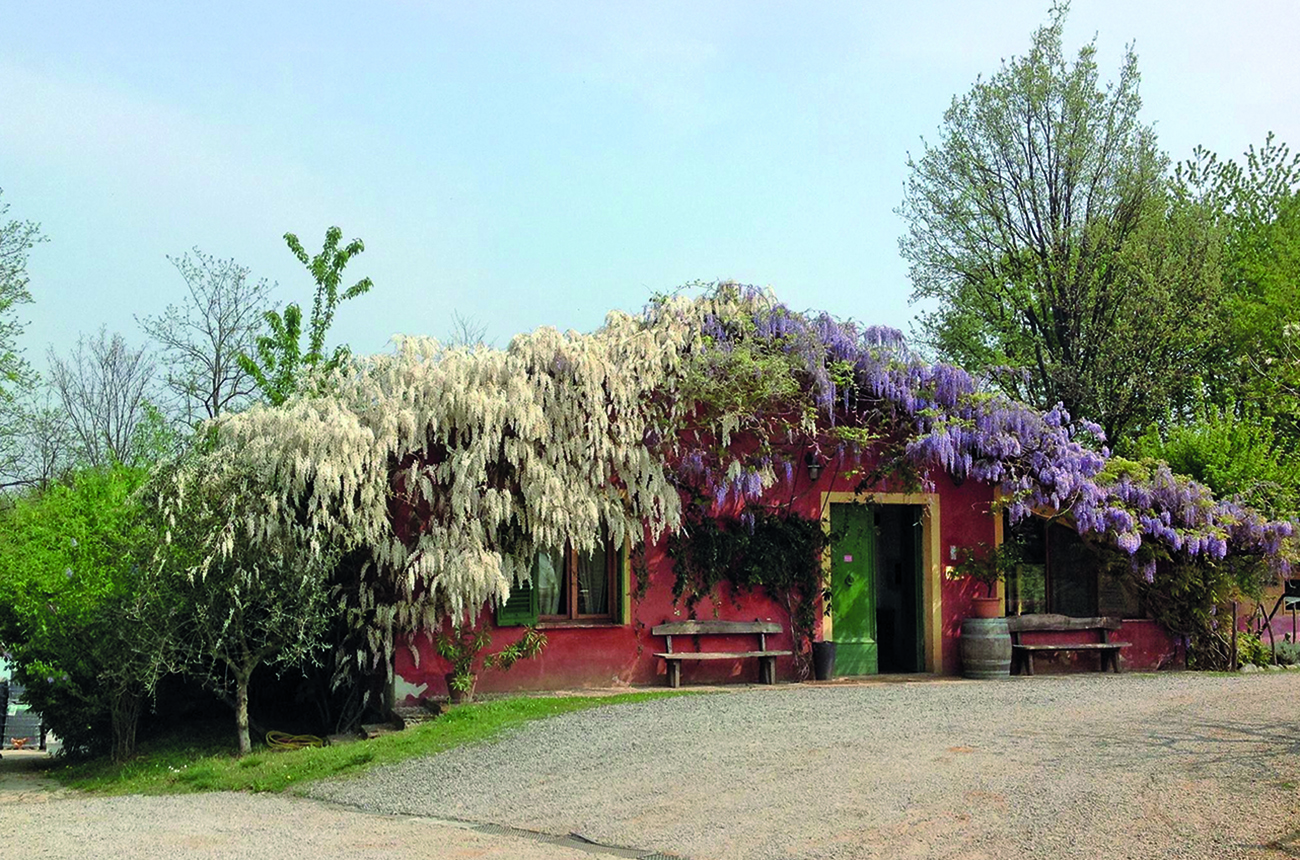
Zita and Stefano Bellotti opened Cascina Degli Ulivi’s agriturismo in 1998 to introduce guests to the winery and its natural wines.
Today, daughter Ilaria Bellotti runs four rooms – all built using bio-construction methods – with 12 beds in the Gavi area.
The farm-to-table restaurant serves lunch on weekends and dinner from Wednesday through Saturday, using ingredients harvested directly from their biodynamic gardens.
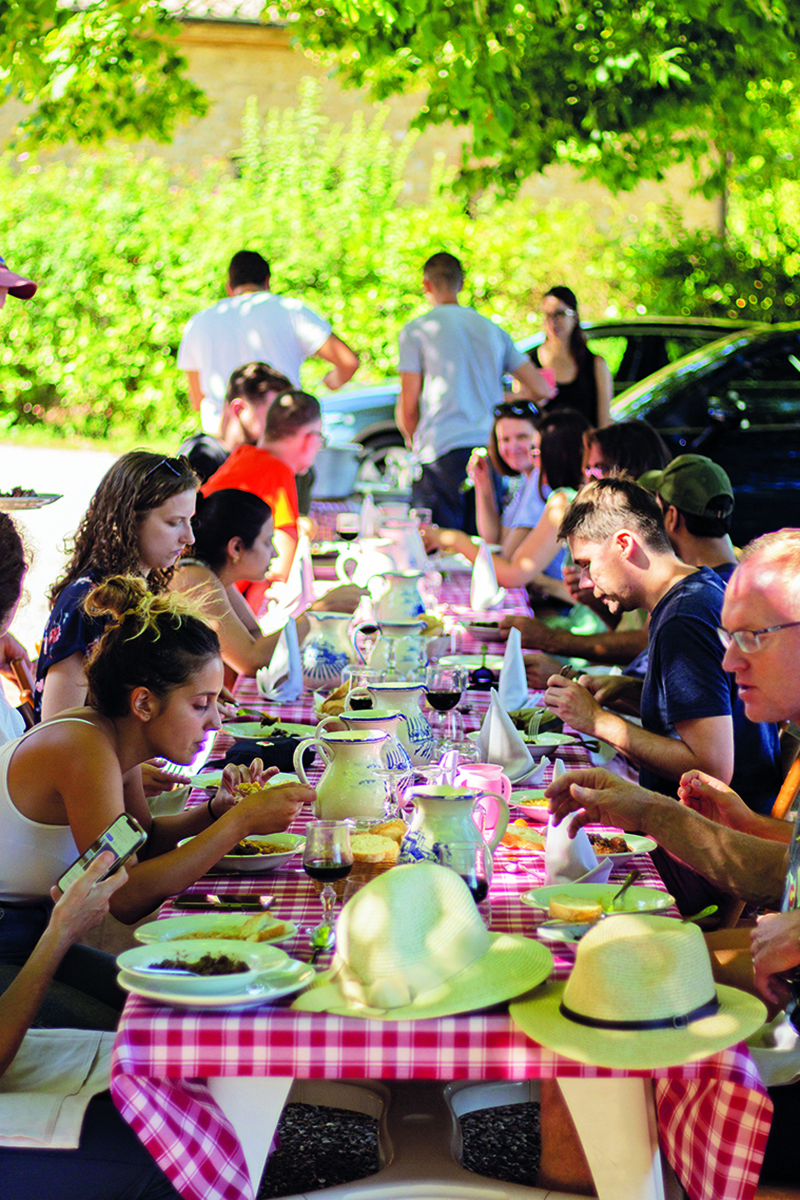
Guests tour vineyards and the cellar, walk scenic trails through the Piedmont hills and participate in educational grape harvests. Many young people come specifically for the harvest experience.
The agriturismo generates direct income while building lasting connections with customers who experience the estate’s philosophy first hand.
‘We’re very well known in the world of natural wine,’ Ilaria says, ‘and people want to see where it’s produced.
Valleponci
Liguria
valleponci.it
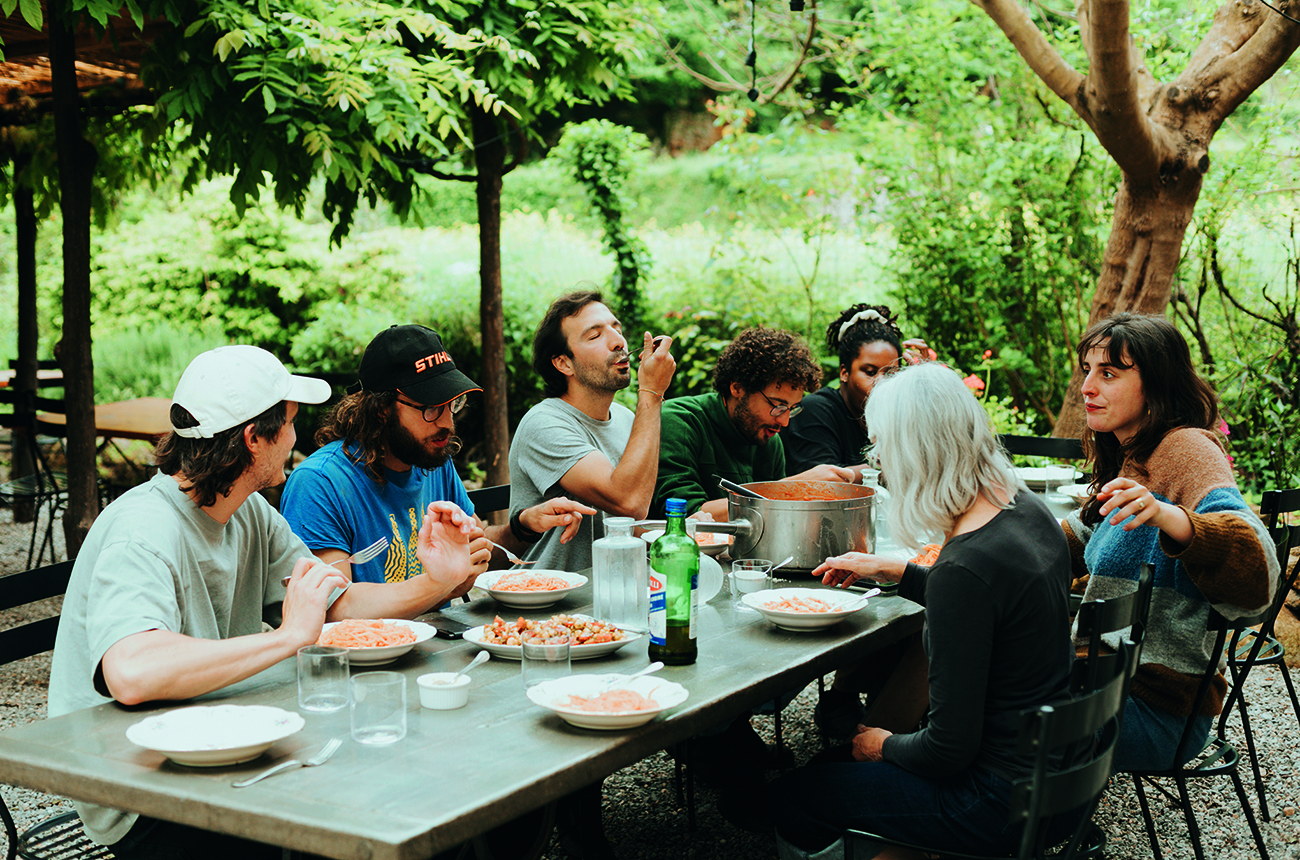
In contrast to the more familiar, family-run properties, Valleponci emerged with a different origin story: five friends who met while studying food ecology at the Slow Food movement’s University of Gastronomic Sciences in Piedmont, united by a vision of ‘using food as a tool to reactivate local economies and regenerate the landscape’, according to one of Valleponci’s co-founders, Gianluca Demarchi.
Unable to secure traditional financing for the 50ha property near Finale Ligure, on the coast west of Genoa, they created a cooperative model in 2021, selling shares to about 70 investors who became co-owners with annual credits to visit.
After two and a half years of fundraising, they had their first season in 2024.
Today, an international team of up to 18 people representing eight nationalities runs four bedrooms, two apartments and a restaurant that can cater to up to 70 guests.
The restaurant reflects the network they’re building.
While 90% of the ingredients come from their regenerative vegetable gardens and Korean natural farming practices, the rest is sourced from nearby producers.
The menu blends regional Ligurian ingredients with international influences such as Nordic ferments and Middle Eastern spices.
Two hectares of vines in the humid, forested valley produce a Pigato (Vermentino) white blend and a Granaccia (Grenache) red, plus a pét-nat made using Barbera sourced from friends in Piedmont. But hospitality serves a larger purpose:
‘At the very core of our model is the cultural development of the farm,’ which Demarchi explains means publications, university partnerships and educational programs.
La Torre alle Tolfe
Tuscany
latorrealletolfe.com
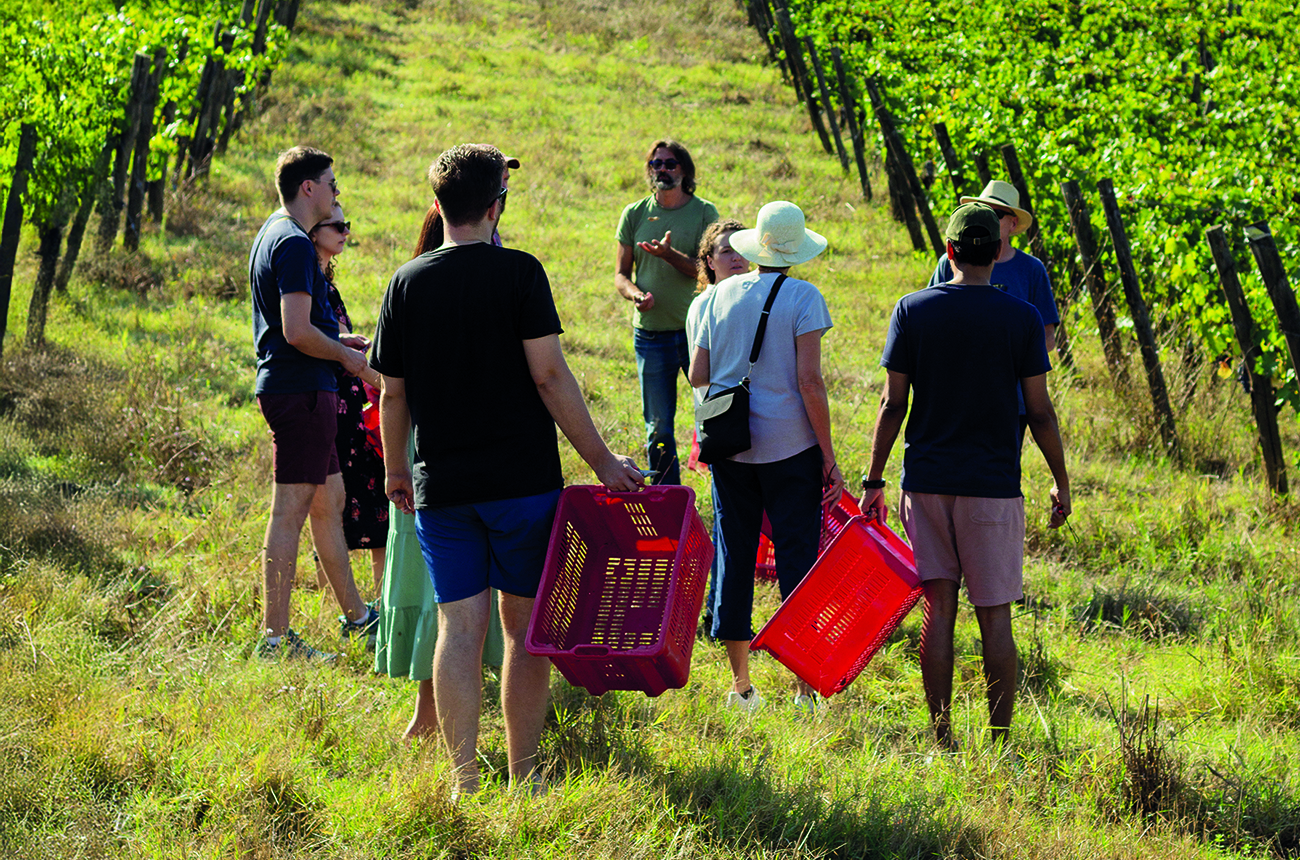
Mania Castelli returned from the UK in 2015 to revive her family’s 700-year-old property near Siena, creating a 54-bed hotel and restaurant that serves up to 10,000 guests annually, alongside 13ha of regeneratively farmed vineyards and 17ha of olive groves.
Guests can join morning and evening animal feeding rounds, tour underground passages and an eighth-century tower, and participate in a variety of agricultural courses.
The property also runs a social agriculture project – a permaculture vegetable garden employing people with autism – where breakfast eggshells become compost, grape skins mix with biochar from olive prunings, and animals that graze the vineyards double as educational encounters.
‘We don’t talk about tourists, we talk about visitors who join our community,’ Castelli says.
But if that all sounds a little serious, there’s ample space to indulge and relax, too.
The restaurant menu reads like a map of the property. Alongside wines from the estate’s cellar, they serve up dishes such as hand-cut pici with Sienese garlic from the vegetable beds, and guinea fowl stuffed with cinta senese (a local heritage-breed pig) sausage and wild herbs.
Guests can engage as deeply as they want, or simply enjoy the landscape over an organic Tuscan feast.
Emidio Pepe
Abruzzo
emidiopepe.com
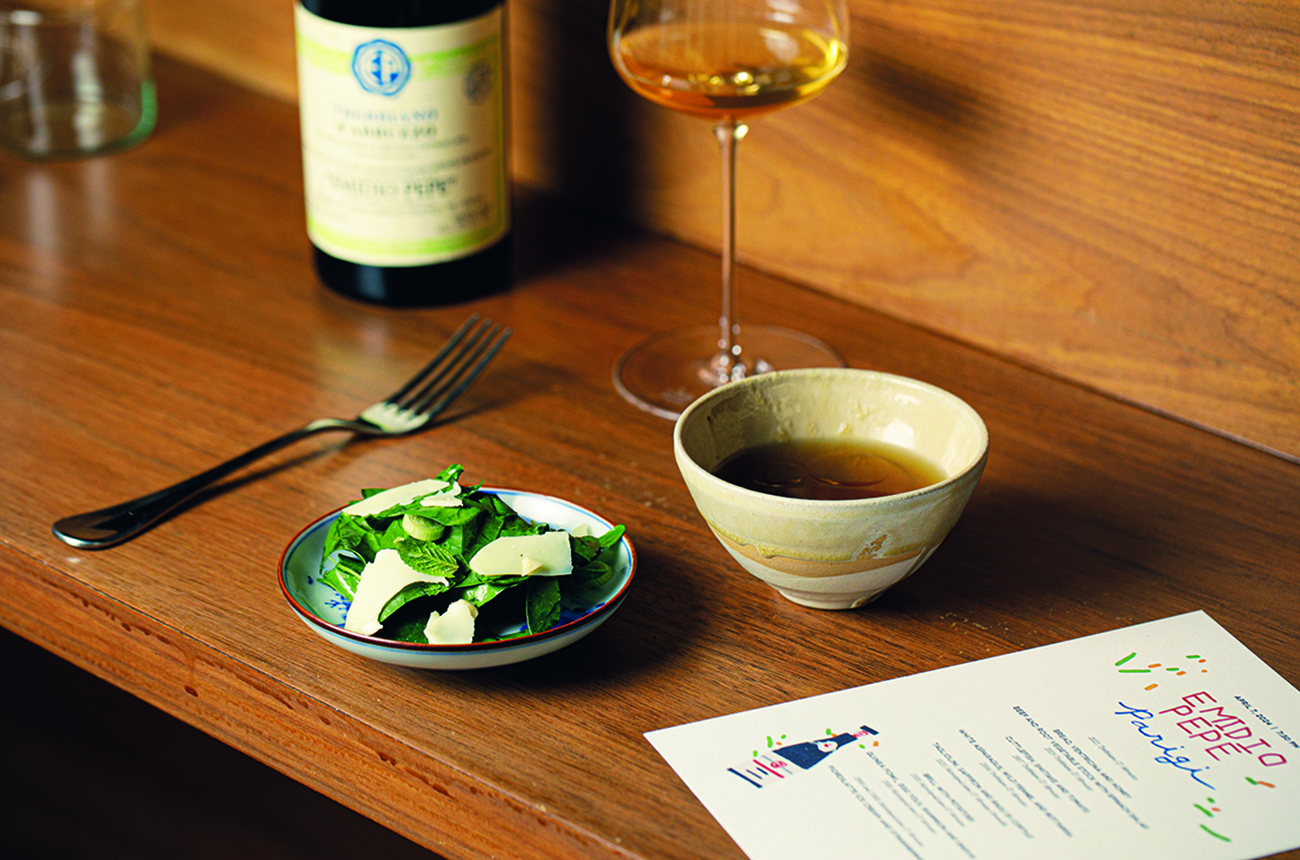
‘Our agriturismo is, above all, a reflection of our family’s DNA,’ says Elisa De Lulis, third-generation member of the Emidio Pepe winemaking family in Abruzzo.
‘We are a large, close-knit family, and our hospitality is rooted in the way we live every day – the decision to formally open the agriturismo was the idea of making it an extension of our home.’
Launched in 2020, the agriturismo offering has evolved from accommodation into something far deeper.
With eight rooms and a restaurant that can serve 30 guests four to five times a week, it offers privileged access to the Emidio Pepe universe: the historic wine library, artisanal winemaking traditions and a working farm where ancient grains grow alongside organic vegetable gardens. A stone mill and bakery are on the way, too.
‘We don’t offer a curated “tourist version” of farm life; we offer the life itself,’ De Lulis explains.
The restaurant – run by chefs Giuseppe Polzinetti and Jonathan Maravalli in collaboration with gardener Martina Pasqualini – serves a tasting menu that changes near-daily, dictated by what’s available. De Lulis curates wine pairings featuring rare vintages from the family’s cellar.
It’s a closed-loop ecosystem: the same biodynamic soil that nourishes the vines produces the vegetables on guests’ plates.
‘We don’t offer a curated “tourist version” of farm life; we offer the life itself’
Elisa De Lulis, Emidio Pepe
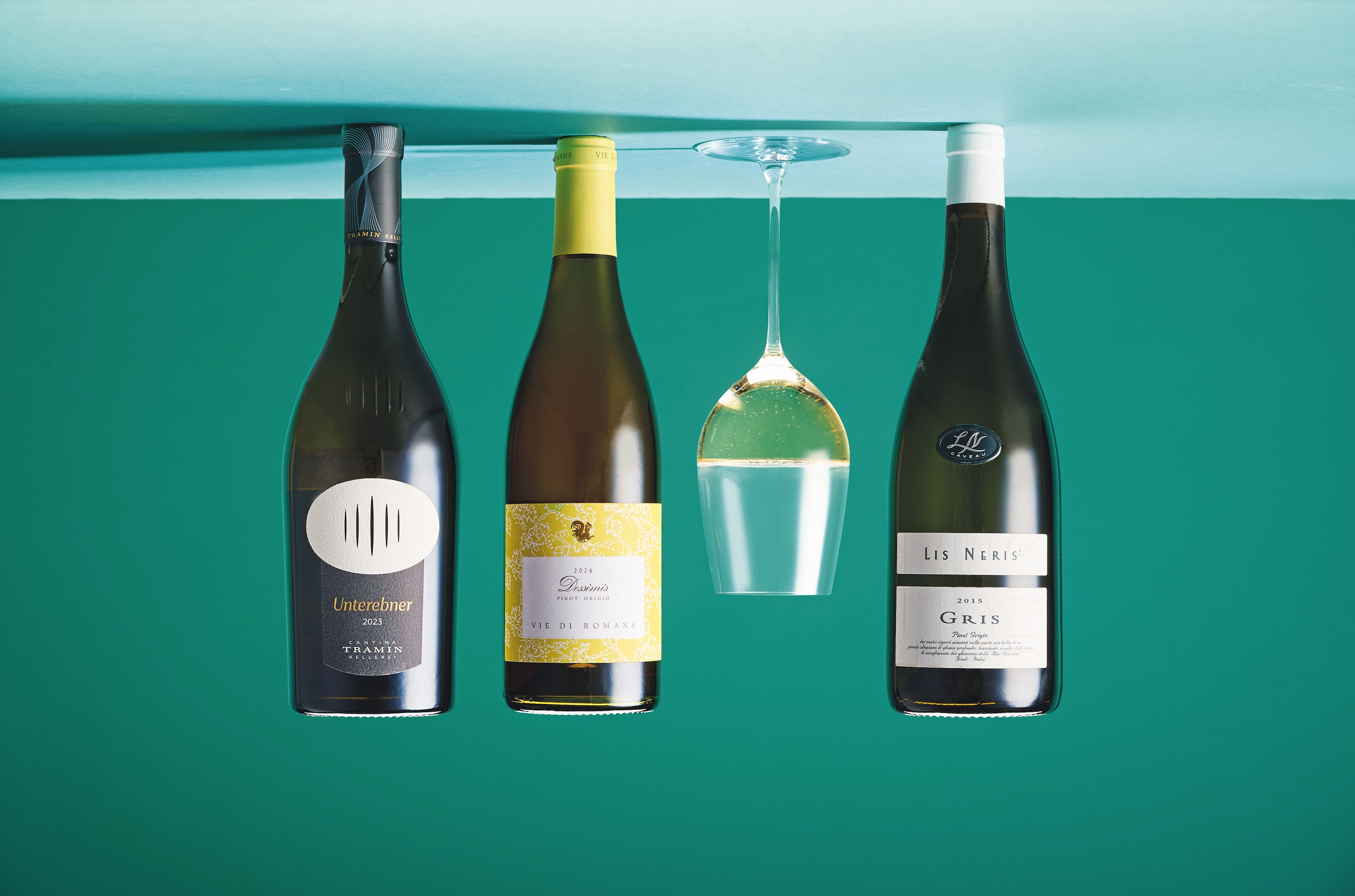

Panel tasting results: North Italian Pinot Grigio bursting with character
Three reasons to start drinking Albana, Romagna’s signature white grape