





If you haven’t experienced the refreshing glory of a chilled Spanish red, you’re yet to fully understand some of the country’s most seductive, drinkable and authentic wines – and to fully discover the multifaceted, energetic essence of the country’s wine culture.
Before Spain’s wine industry was taken over by a necessary, but in some cases destructive, professionalisation, many Spanish reds were far removed from the deep, intense, long-lived, single-varietal examples for which the country has become known.
Crisp, juicy field blends – low in alcohol and full of flavour and energy – abounded.
These were true low-intervention wines, produced with little if any machinery, following the rhythm of the days and the whims of wild yeasts.
Most were wines made for own consumption – quenching pours that provided sustenance and a safe source of hydration throughout the working day, helping to soften the edges of a life of hard labour, poor living conditions and little if any pay.
They were often carried in botas (traditional leather wineskins) by field workers and cosecheros (harvesters), and enjoyed alongside a simple lunch of bread, olives and charcuterie.
And small glasses were poured direct from the barrel (properly chilled at cellar temperature) when neighbours stopped by for an evening chat – before heading next door for more wine and more gossip.
Whatever you do, don’t overthink it. Spain’s lighter, chillable reds are made to be enjoyed without having to plan too much ahead, or having to plan everything else around them – other than making sure that there’s some space in your fridge.
The island-born Listán Negros, with their smoky volcanic whiff, call for nuanced, elegant aromas: grilled white fish, braised tuna or sushi will work well, as will a good plate of freshly sliced jamón ibérico – just the right amount of smokiness and salt.
Mencías and light-footed Garnachas are great all-rounders that will pair as well with juicy lamb chops and suckling pig as with oily fish such as sardines and mackerel.
They’re also great with seafood paellas and hearty salads, and can take the heat of a spicy curry or pad thai.
Speaking of lamb chops, cool bottles of red are of course must-haves at any respectable barbecue. Juicy, fruity, carbonic maceration wines are a great match for grilled meats and vegetables.
They’re also outright delicious on their own, or as a base for a good, irresistibly refreshing tinto de verano (see boxout below) – a great way to moderate your alcohol intake without compromising on flavour.
Back to the future
Not merely a style, lighter Spanish reds evoke another time, another pace of life, another way of socialising; one that’s more in tune – financial and social hardship notwithstanding – with the rhythms of nature and of oneself.
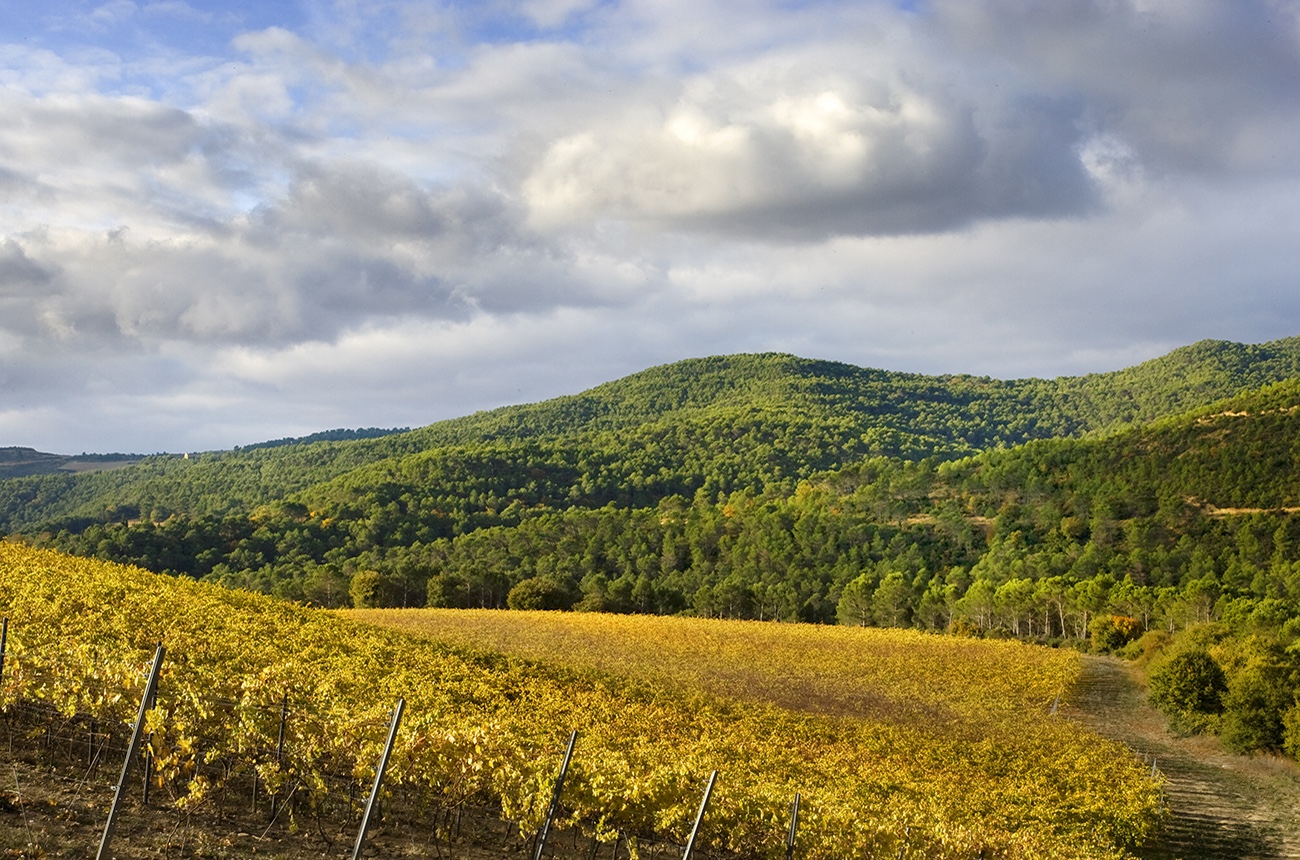
They also evoke a scenery that isn’t dominated by large swaths of mono-clonal vineyards, instead formed by a patchwork of co-planted indigenous varieties, where red-, white- and pink-skinned grapes coexisted.
Today, there’s renewed interest in these wines, whose levity appeals to those seeking elegance, freshness, immediate appeal and lower alcohol, as well as a more complete, layered understanding of Spanish wine history, where small growers, old vineyards and maverick producers play central roles.
Discovering the crunchier, quenching side of Spanish reds is an opportunity to engage with a palette of grape varieties and winemaking approaches that preceded the modern understanding of Spanish (commercial) winemaking.
They’re important symbols of the movement that, since the turn of the 20th century, has upended simplistic beliefs of what Spanish wine should be, forming the different swells of ‘New Wave Spain’: from the great Garnacha revival to the fascination with the volcanic-spirited wines of the Canary islands, by way of the recovery of quasi-abandoned, gnarly field blends and the renewed enjoyment of so-called cosechero wines – the carbonic maceration reds that nurtured harvesters and fuelled harvest fests.
What was old is new
More than catering to a different, predominantly younger demographic, these wines also offer clues to the future of Spanish wine from a technical standpoint.
With climate change looming large, the grapes that were once difficult to ripen are now the key for lower-abv, fresher wines; the ancient, low-yielding vines – once neglected in favour of newly planted, mechanised vineyards – are now important assets that offer lessons on drought and virus resistance.
But beyond any historical or scientific arguments, these wines deserve attention (and fridge space) first and foremost because they’re delicious, alluring and extremely versatile.
By playing with serving temperature you’ll get different textures and dominant aromas, with different presentation of tannins suggesting alternative food pairings.
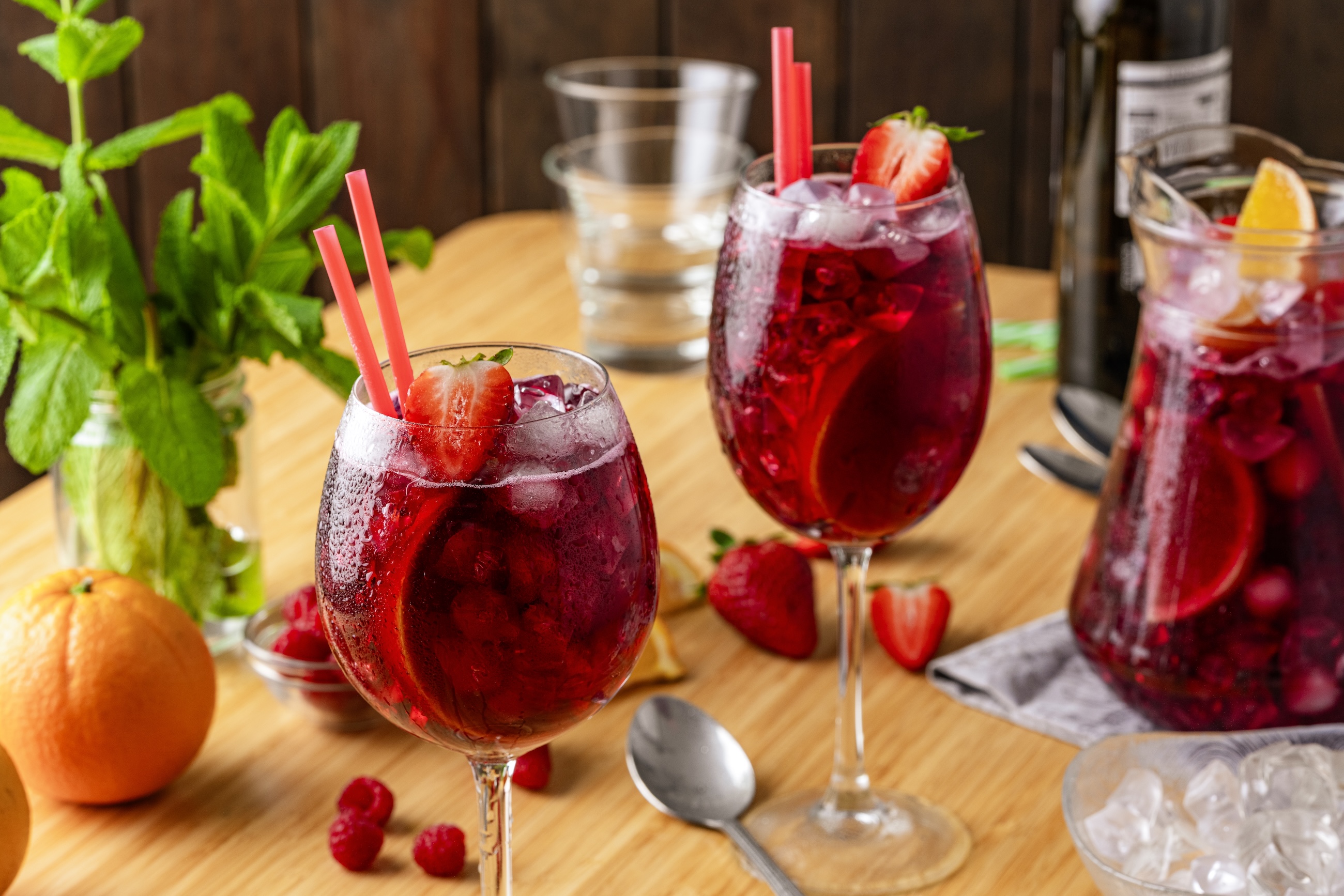

Wine snobs will cry heresy at the sight of a jar of sangria. Pay them no heed.
In wine there should be no rules other than celebration, enjoyment and moderation – all of which make the case for the mixed deliciousness of a sangria or tinto de verano.
But what’s the difference?
What is tinto de verano?
Tinto de verano is a combination of one part red wine and one part fizzy soft drink, usually lemon-flavoured, but also potentially orange-flavoured or bitter lemon. It’s sometimes served with ice and a slice of orange and/or lemon.
Although there are ready-made iterations, a proper tinto de verano should definitely be mixed to order – you’ll be sure of the quality of the wine and avoid unwanted and unnecessary added preservatives and sweeteners.
But what about sangria?
Sangria is a mixture of wine (red, white or rosé) with chopped fruits and other ingredients, in various quantities and combinations according to taste. These might include orange juice, sparkling water, brandy, fruit liqueurs and/or spices. The alcohol content and taste therefore vary greatly. As with tinto de verano, avoid packaged sangrias full of ‘bad stuff’.
Does the quality of the wine matter?
It certainly does. While many think of tinto de verano and sangria as conduits for lesser-quality wines, using a good, fruit-driven red as a base for your mix makes a world of difference. Favour carbonic maceration Tempranillos, Bobals or Garnachas.
Get mixing and have fun – and don’t be afraid of being burnt at the stake!
Chillable Spanish reds


No DO – The Spanish wines pushing the boundaries of tradition
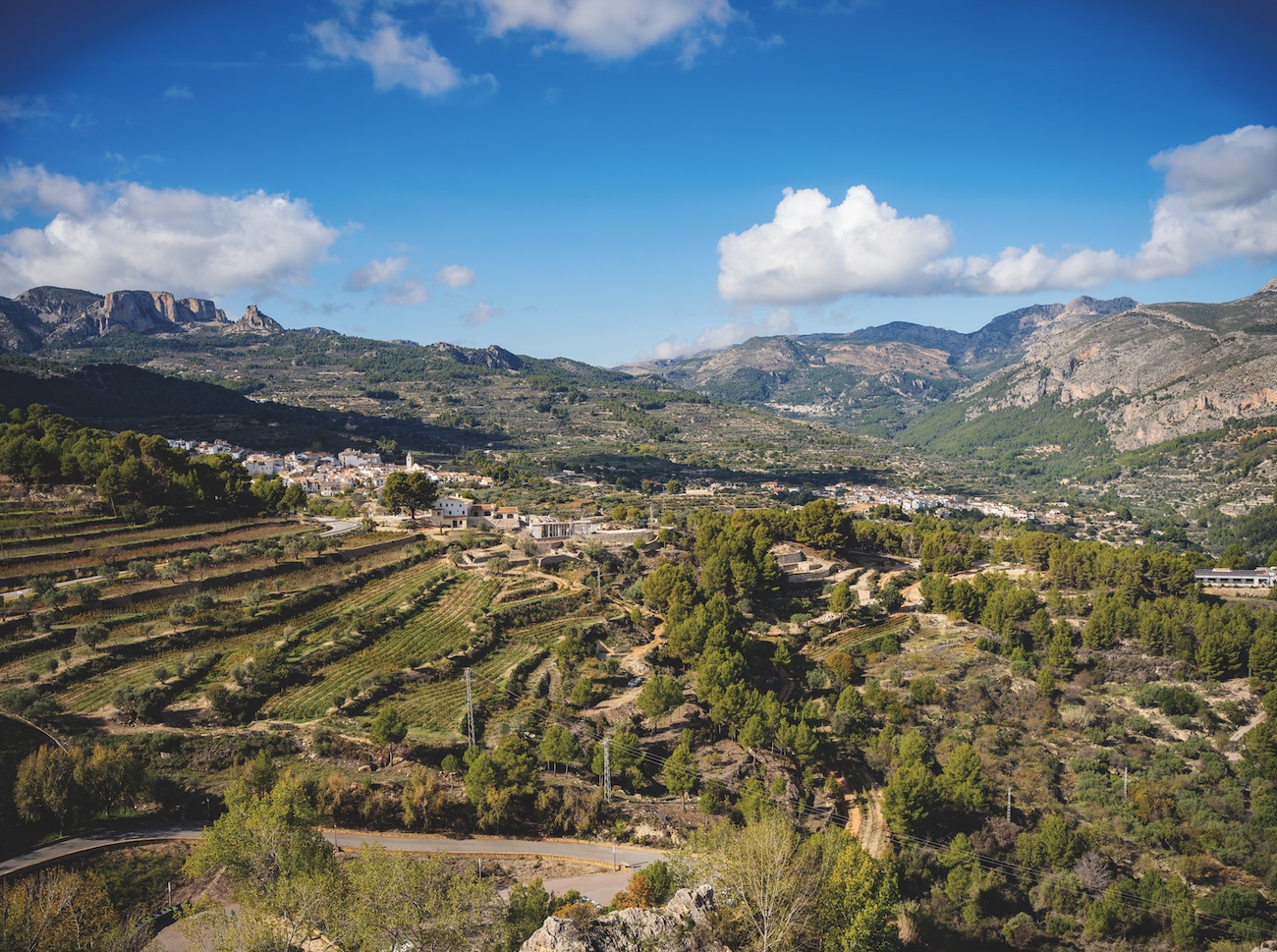

Lighting up Levante – the new taste of south-eastern Spain