






Jason Millar, David Kermode and Anne Krebiehl MW tasted 51 wines, with 2 Outstanding and 24 Highly recommended
Vintage Cap Classique: Panel tasting scores
51 wines tasted
Exceptional 0
Outstanding 2
Highly recommended 24
Recommended 23
Commended 2
Fair 0
Entry criteria: producers and UK agents were invited to submit their vintage-dated Cap Classique wines made in any style, including blanc de blancs, blanc de noirs, rosé and blends
Vintage pays dividends
This impressive tasting focused on single-vintage wines made mostly from Pinot Noir and Chardonnay on the same principles as in Champagne, with extended ageing on the lees – the expired yeast cells that accumulate in the bottle during secondary fermentation – and cool-climate fruit both notable features of the best wines.
Like all sparkling wines made in the style of Champagne, South Africa’s Cap Classique is inevitably judged against the high bar of the world’s best.
And in this wide-ranging panel tasting it certainly rose to the challenge: half of the wines scored 90 points (Highly recommended) or more. In addition, all three judges noted the exceptional value on offer given the quality in the glass.
‘Absolutely unbeatable when it comes to value’
Although our two top wines are priced on a par with their equivalents in Champagne, ‘Cap Classique is absolutely unbeatable when it comes to value’, according to sparkling specialist Anne Krebiehl MW.
David Kermode agreed: ‘While non-vintage Cap Classique makes a fantastic party starter – a superior alternative to Prosecco or Crémant – it’s definitely worth climbing the quality ladder. I doubt that you’ll find anywhere that offers better value.’
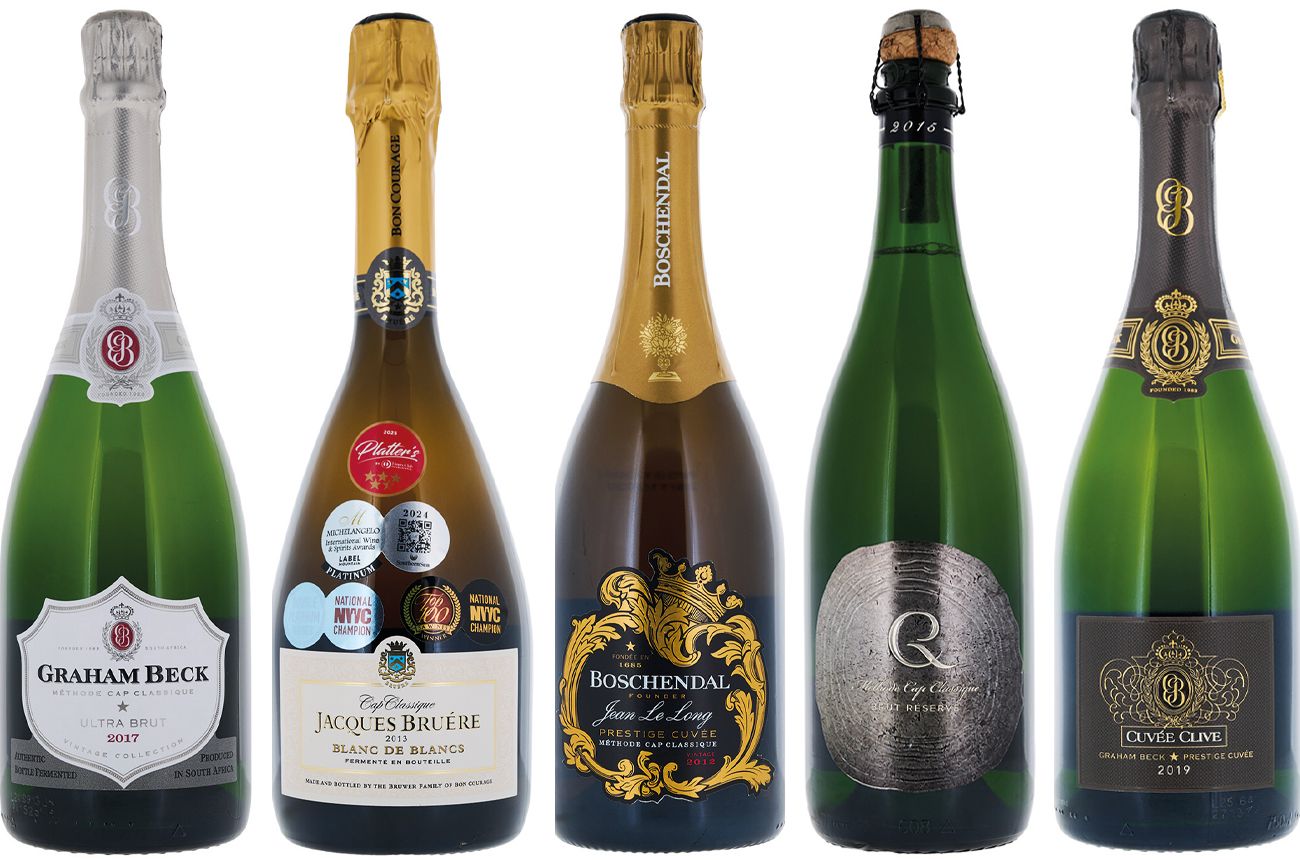
To pick just one example, with more than a decade of lees ageing and a big, bold flavour, the extravagantly rich Jacques Bruére Blanc de Blancs 2013 from Bon Courage (see recommendations, below), can be found for less than £20 via independent merchants – about the price of non-vintage Crémant from France.
Go a little further up the price scale and wine lovers can easily find long-aged, vintage-dated Cap Classique wines, such as Graham Beck’s Cuvée Clive, for around the same price as a non-vintage Champagne.
Yet Cap Classique remains under the radar among Champagne drinkers, because many excellent producers lack mass-market distribution in the UK.
Any lucky readers heading to South Africa should make a special effort to taste them there.
As with the first wave of grower Champagnes a decade ago, wine drinkers must make the effort to track down vintage Cap Classique, but those in search of complexity, richness and finesse will find lots to enjoy.
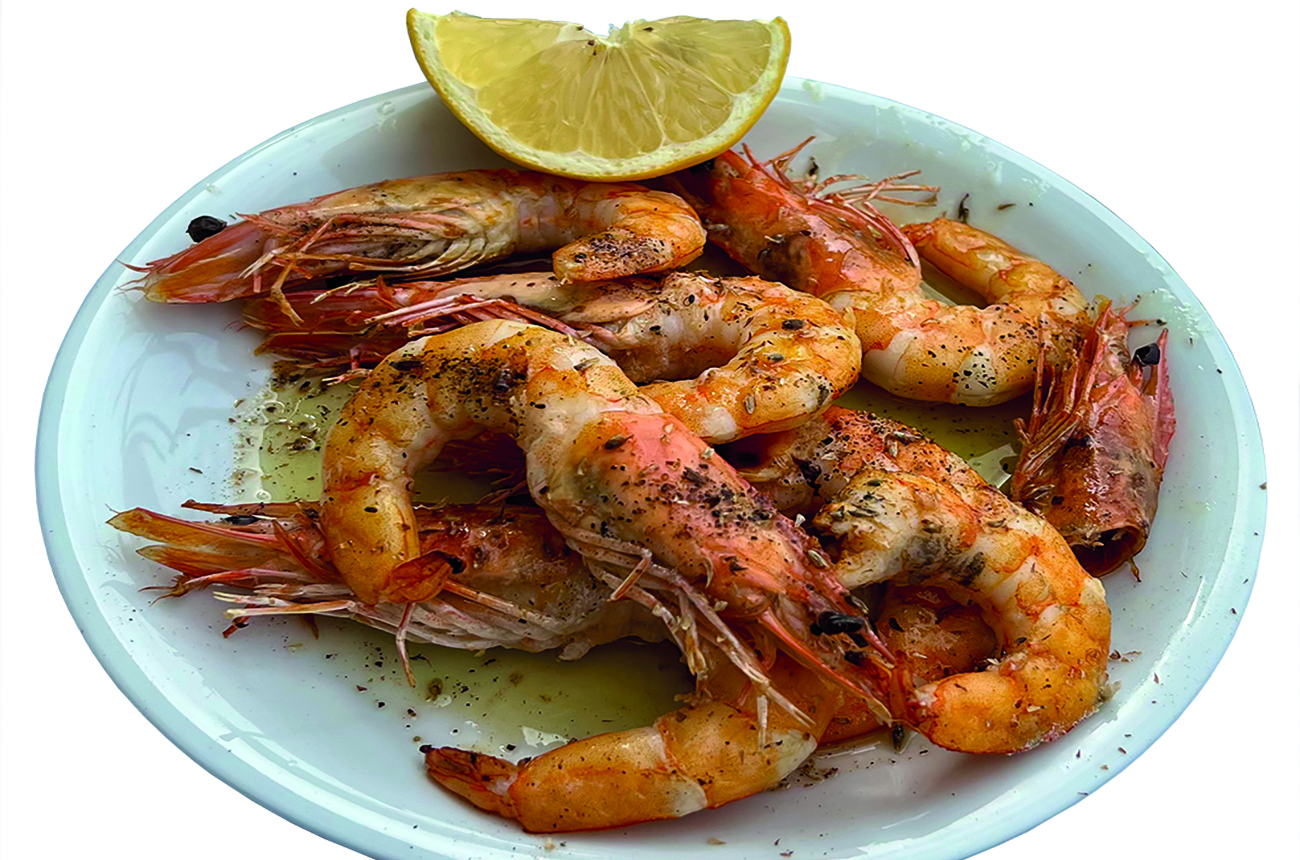

Given the similarity of vintage Cap Classique to vintage Champagne, it will come as no surprise that it goes with similar food. South Africa has great seafood, so I’d be inclined to make that a starting point.
Grilled lobster, seared scallops, giant tiger prawns – the best seafood you can lay your hands on, cooked on a braai. (The added richness and complexity of these mature wines will be able to handle the charring and even the spiciness of many South African marinades.)
Kudu in London has some sublime flatbreads with melted shrimp butter that would be perfect, or think of a hot crab dip.
A simple roast chicken would be a great showcase, but you could happily drink these wines with a steak or simply grilled venison or springbok, or with raw meat dishes such as carpaccios and tartares.
Cheese would also be a fine pairing; a Vacherin Mont d’Or in season would be a luxurious match, or a gooey British Tunworth.
At these prices, you can afford to take these wines right through a meal.
See all notes and scores from the Cap Classique tasting
The judges
Vintage Cap Classique panel tasting results:
wines were tasted blind
South Africa’s next generation: Six brilliant winemakers forging a new scene
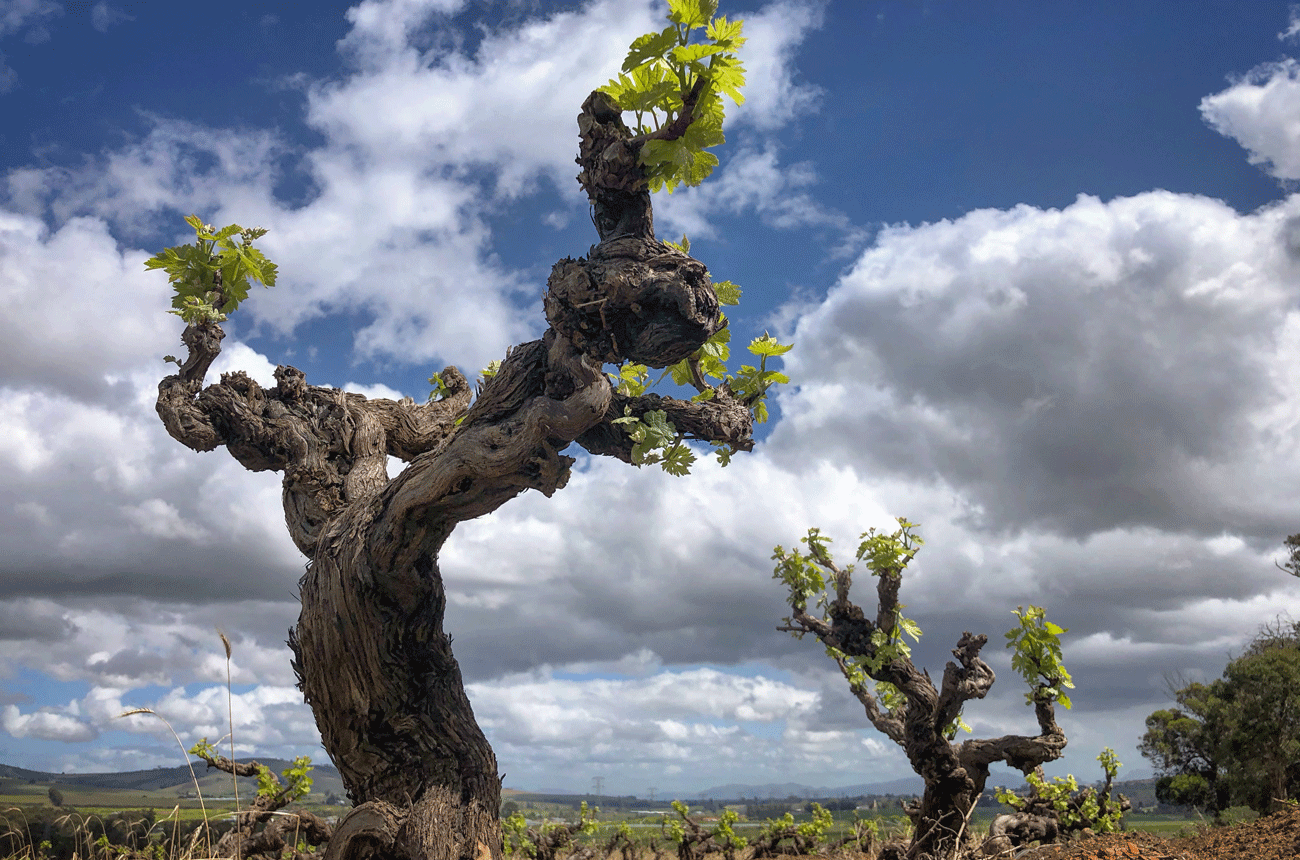
Get to know South Africa’s old vines in six wines