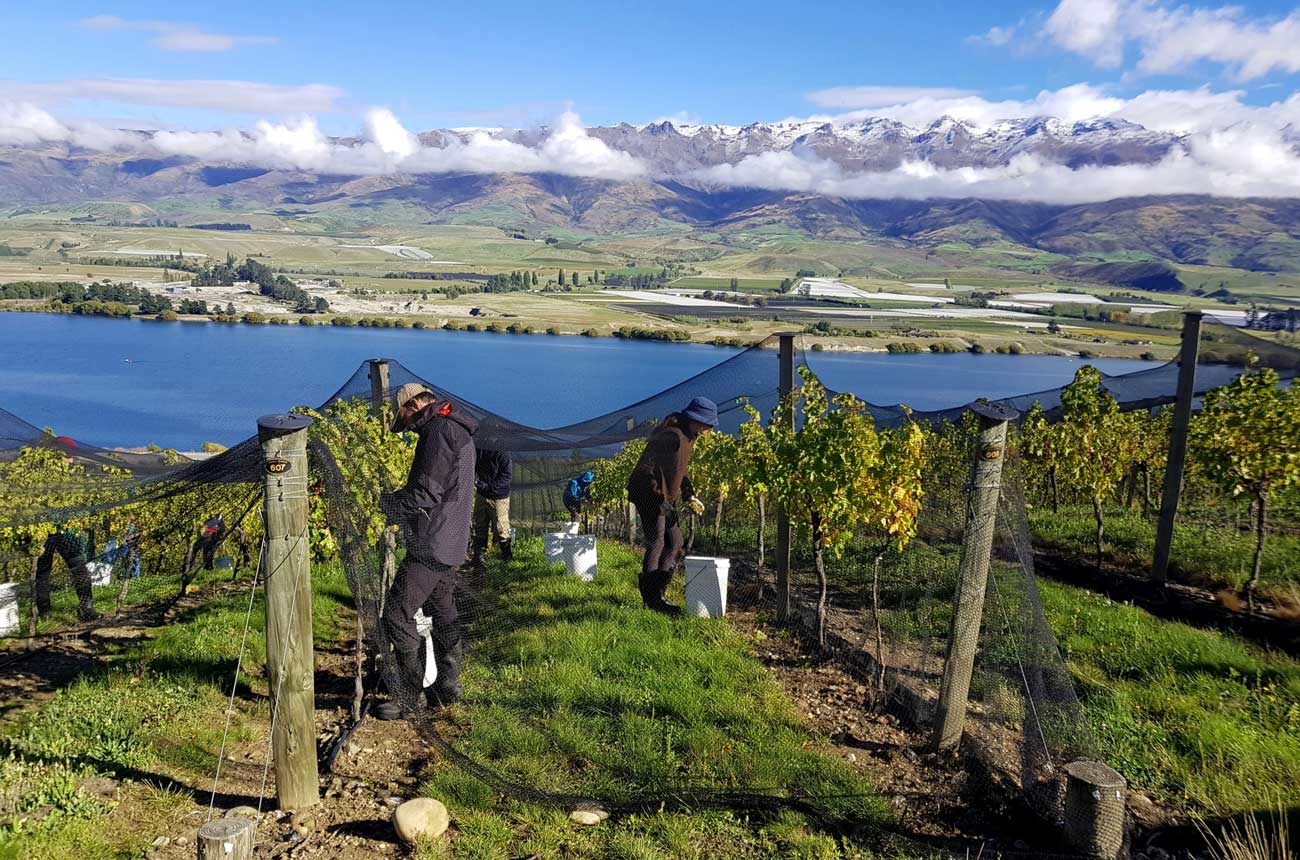






When Ulster immigrant John Martin stopped at the Ruamāhanga River in 1875, near the southern tip of New Zealand’s North Island, it was wilderness.
Using gold-rush earnings, he laid out the streets of a village in the pattern of the union flag, naming it after himself: Martinborough.
Not much had changed in the region’s economy a century later, when in 1980 sheep and dairy farmer Clive Paton of Ata Rangi and three other growers first planted vines, at the suggestion of a government agronomist.
‘You’re basically on the road to nowhere here,’ says John Kavanagh, chief winemaker at Te Kairanga. It is cooler than across the Cook Strait in Marlborough, with very few days over 30℃ and big diurnal temperature swings. Rainfall is low.
Yet cold southerlies blow straight up from the Antarctic: grape yields are low, with the wind adversely affecting flowering and fruit set.
‘This has its pros and cons,’ says local wine writer and author Joelle Thomson. ‘Smaller crops and bunches reduce production but the Pinots from here seem to strut a deliciously savoury taste as a result.’
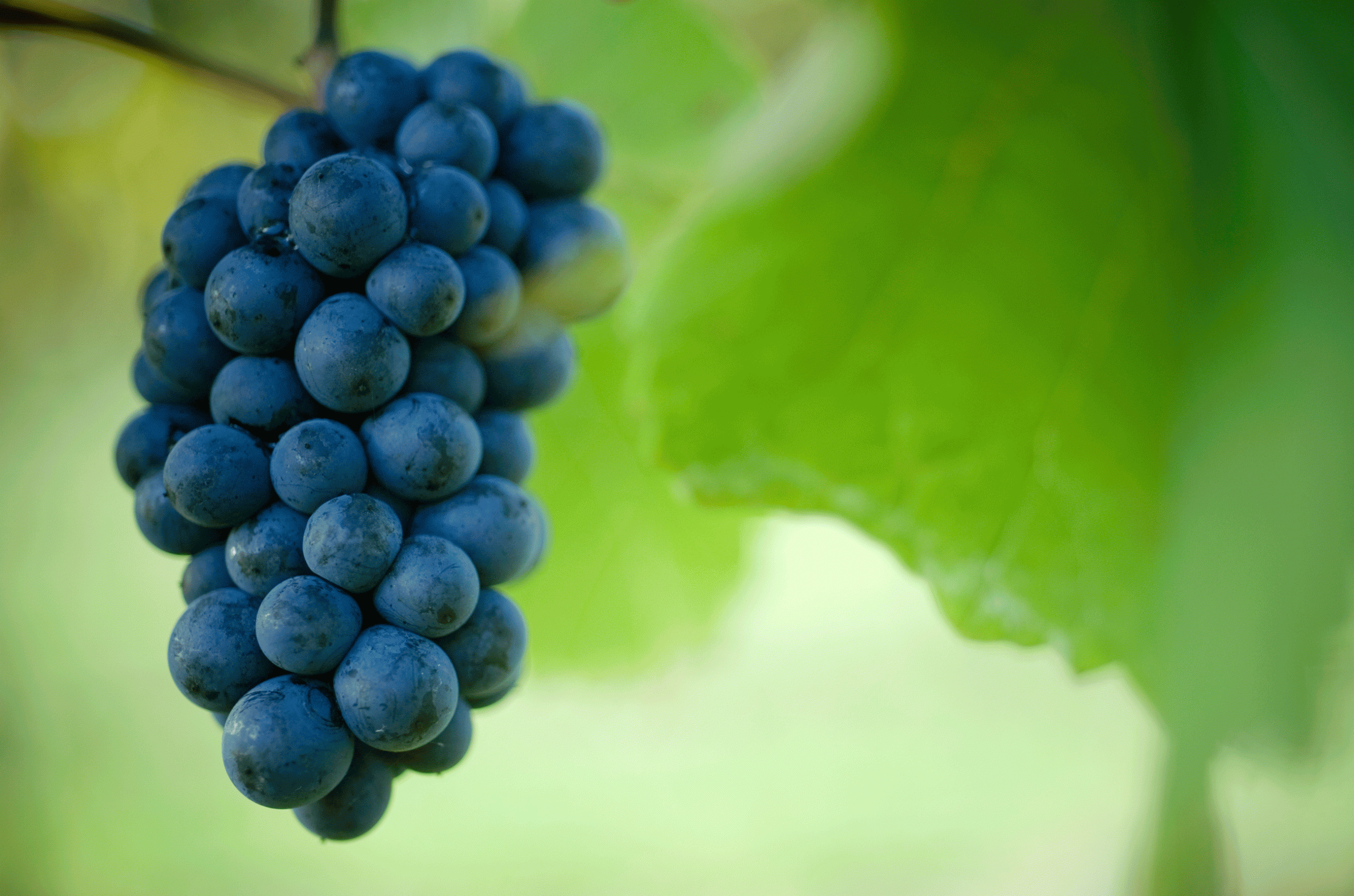
And so, in the space of 40 years, Martinborough has established itself as one of the world’s top sources of Pinot Noir.
Where: Part of the Waipara region in the south-east corner of New Zealand’s North Island.
Area planted: 980 ha of vineyard; it makes up 3% of New Zealand’s vineyard area but produces just 1% of its wine.
Grapes: Pinot Noir (just under 40%), Sauvignon Blanc (48%), Chardonnay (around 5%) and Pinot Gris.
Producers: 66, almost all clustered around the small town of Martinborough.
Soils: Most alluvial gravels with some clay in places, on limestone bedrock.
Climate: A largely continental climate, with high sunshine hours and low rainfall, though with cold winds that limit yields.
Down to earth
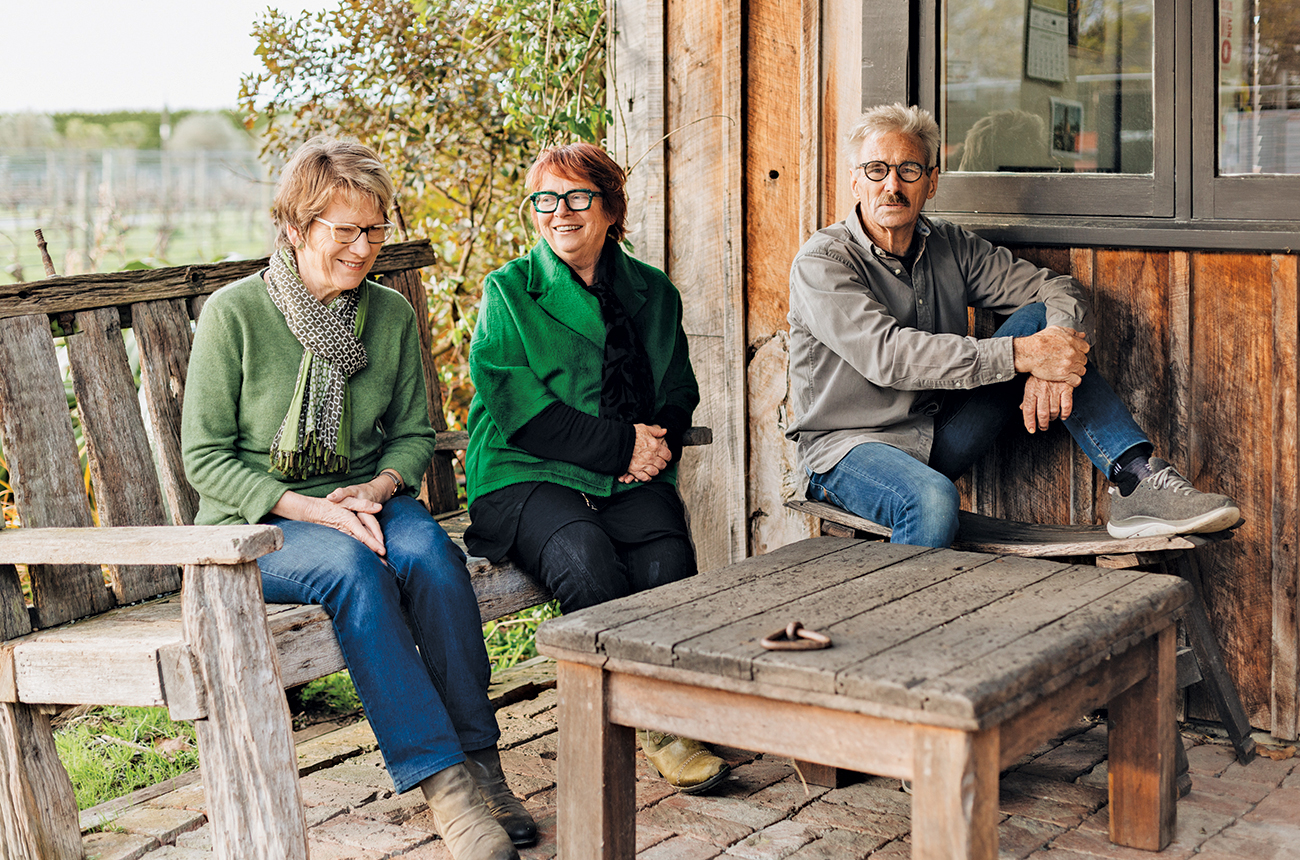

The 1980s pioneers planted on the Martinborough terrace. This uplifted river terrace of alluvial gravels and clays, five kilometres long and a kilometre wide, remains the heart of the wine district.
‘The corporates never really got involved because there weren’t big enough tracts of land,’ says Guy McMaster, winemaker at Palliser Estate.
Then in 1999 Larry McKenna, founder of pioneer Martinborough Vineyard, planted on Te Muna Road, a few kilometres southeast of the town, an area of free-draining gravels.
The same year, Craggy Range planted 100ha of land there, a project of Australian-American millionaire Terry Peabody.
Since then, Martinborough’s scene has exploded, with wine tourism an important component. Today there are more than 20 cellar doors and an annual wine festival.
Clones and varieties
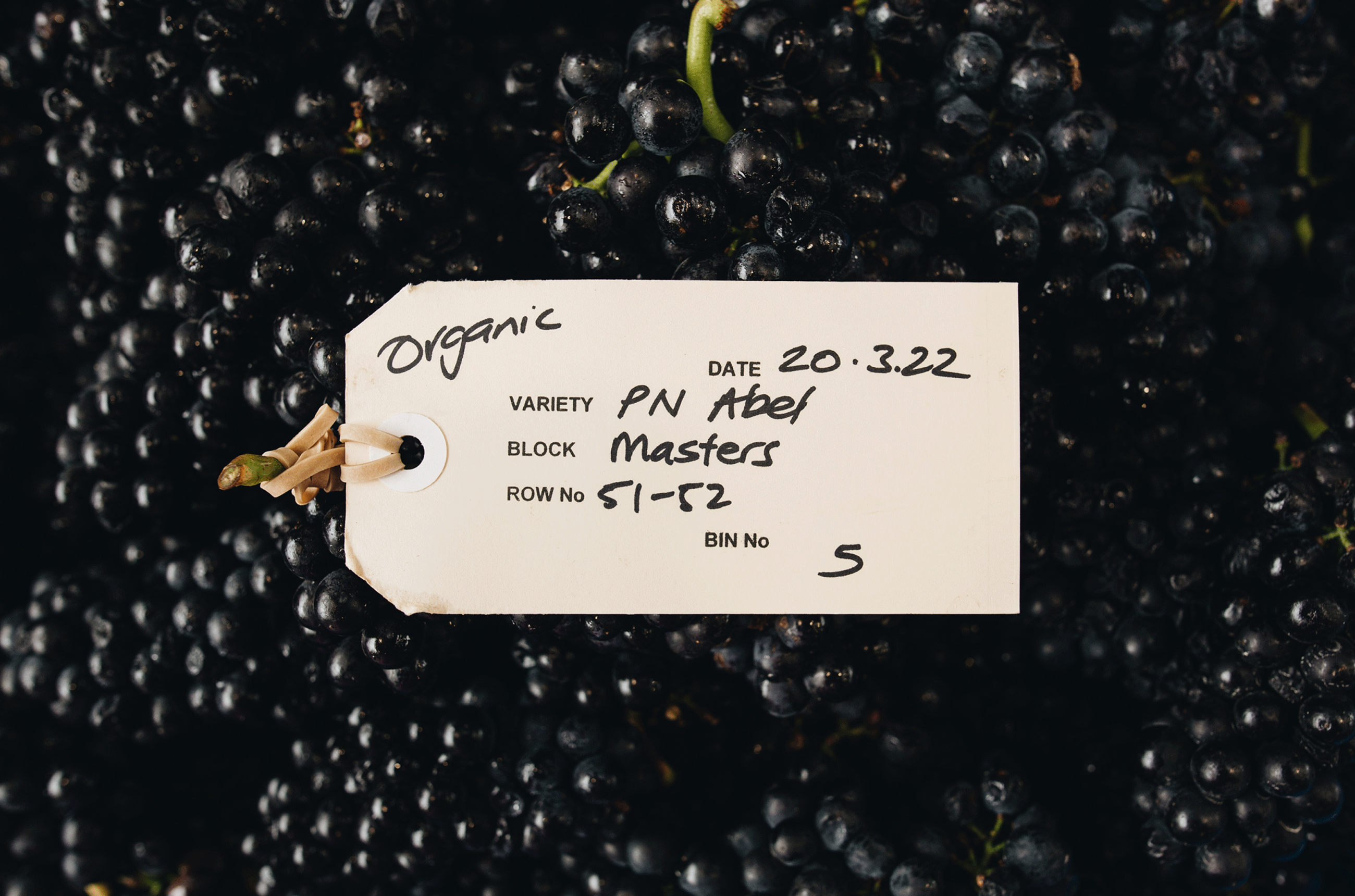

Given the relative lack of soil variation, clonal selection is especially important.
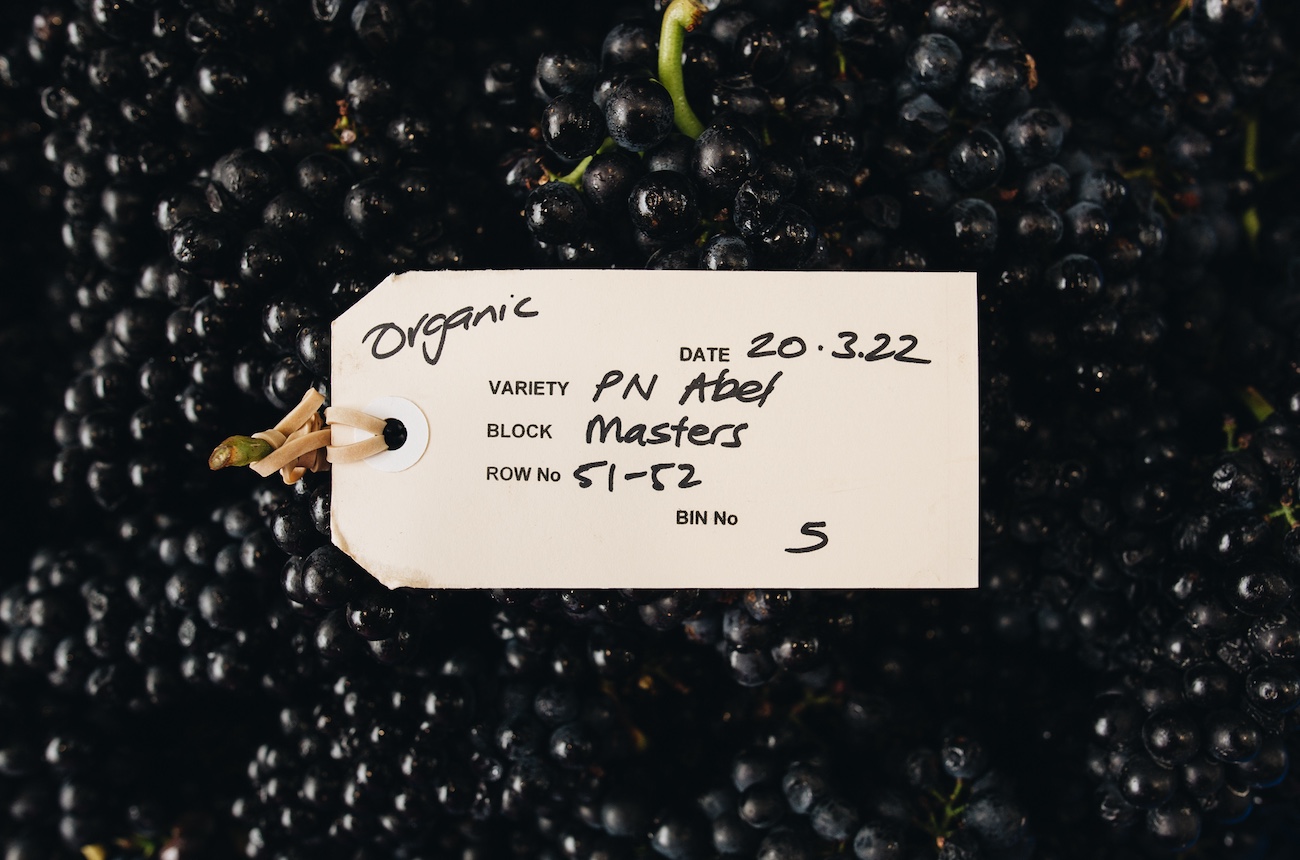
The first Pinot Noir plantings used the Abel clone, named for the customs officer said to have confiscated cuttings purloined from Domaine de la Romanée-Conti’s La Tâche vineyard.
It remains popular for Pinot Noir, though Dijon clones have since gained ground.
There is also excellent Chardonnay: ‘Martinborough Chardonnays have natural balance,’ says Martinborough Vineyard winemaker Tom Turner.
More recently, Sauvignon Blanc has inevitably made major inroads.
Perfect for Pinot

But Pinot Noir remains Martinborough’s speciality. ‘I definitely think there’s been the evolution of a style,’ says Ata Rangi winemaker Helen Masters.
‘Back [in the 1990s] the benchmark was Burgundy – high-toast new oak, three to five punch-downs a day – so a lot of the wines were monsters.’
Now, she says, they pick earlier, at 23 Brix, punch down much less, and use less new oak: ‘For me it’s a distraction from the place. The wines are more expressive, less extracted, lighter on their feet.’
While the best Martinborough Pinot Noirs can age well, they tend to be made ready to be enjoyed younger.
But while Martinborough has become a benchmark for New World Pinot Noir, it remains a challenging environment.
As Te Kairanga’s Kavanagh says: ‘To produce wine here, you need to be passionate about what you do.’
Six Martinborough names to know
Ata Rangi
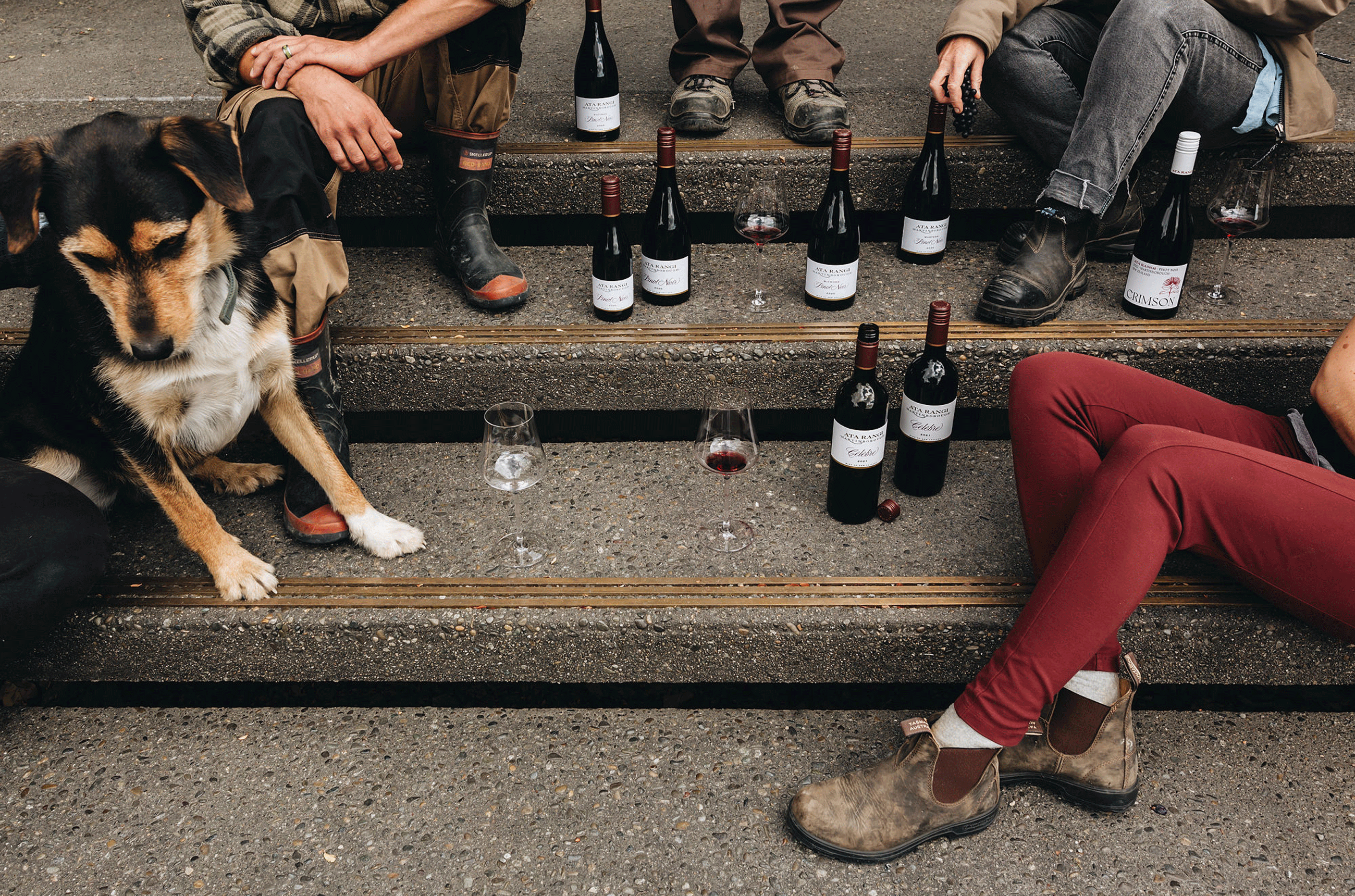
Pioneer Clive Paton has retired now but Helen Masters, one of the few female New Zealand winemakers, has been in the cellar since 2003; she also grows some of the fruit on her own property.
Her trademark is elegant, structured and savoury Pinot Noirs. Despite Masters’ long experience here, her favourite vintage is 2024. ‘The wines were easy to make,’ she says. Certified organic.
Craggy Range
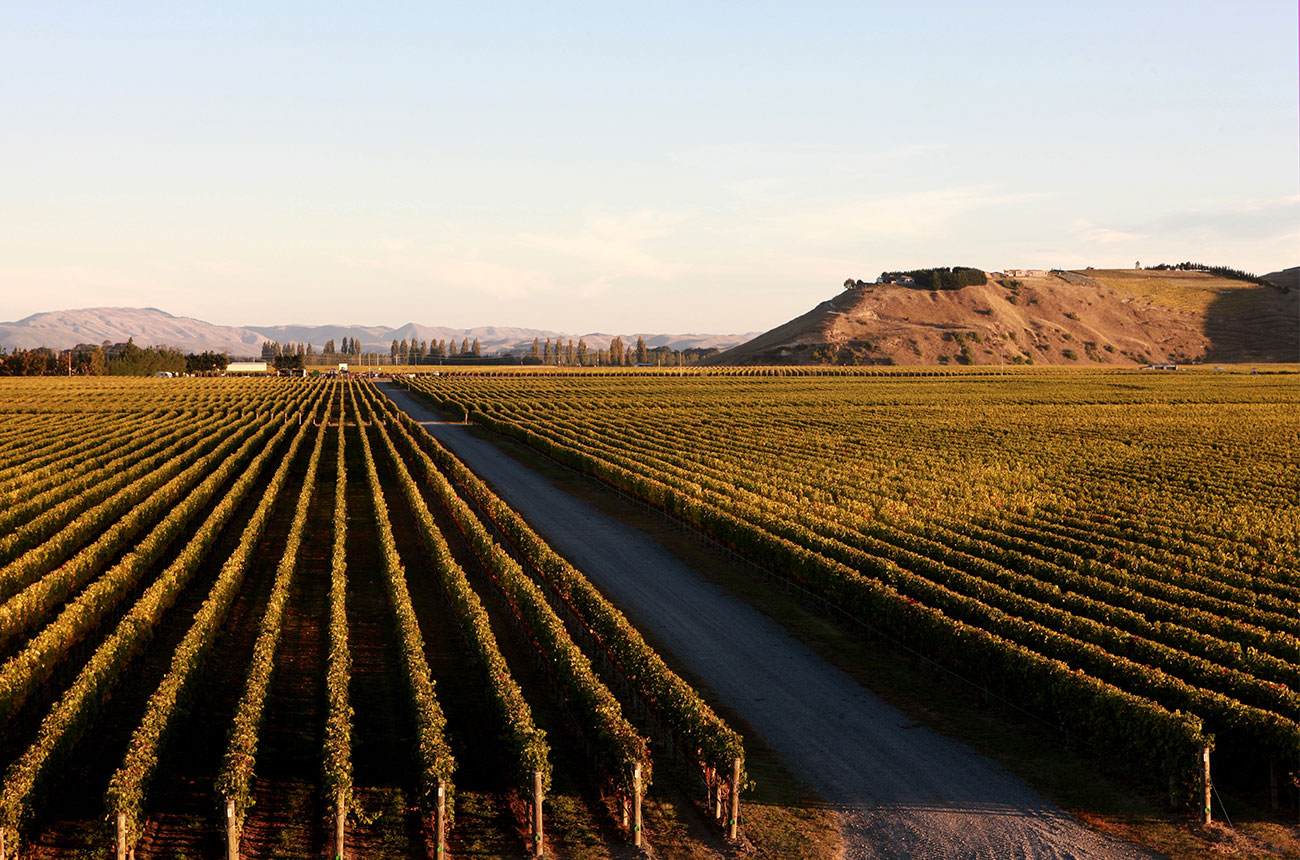
When Craggy Range first planted in the late 1990s, it doubled the size of Martinborough’s vineyards.
It remains the biggest producer, having added 132ha since then. Steve Smith MW, who established it, has moved on; today winemaker Ben Tombs vinifies this fruit at Craggy Range’s main base in Hawke’s Bay. Silky, elegant Pinot Noirs; a lot of Sauvignon Blanc too.
In organic conversion.
Dry River
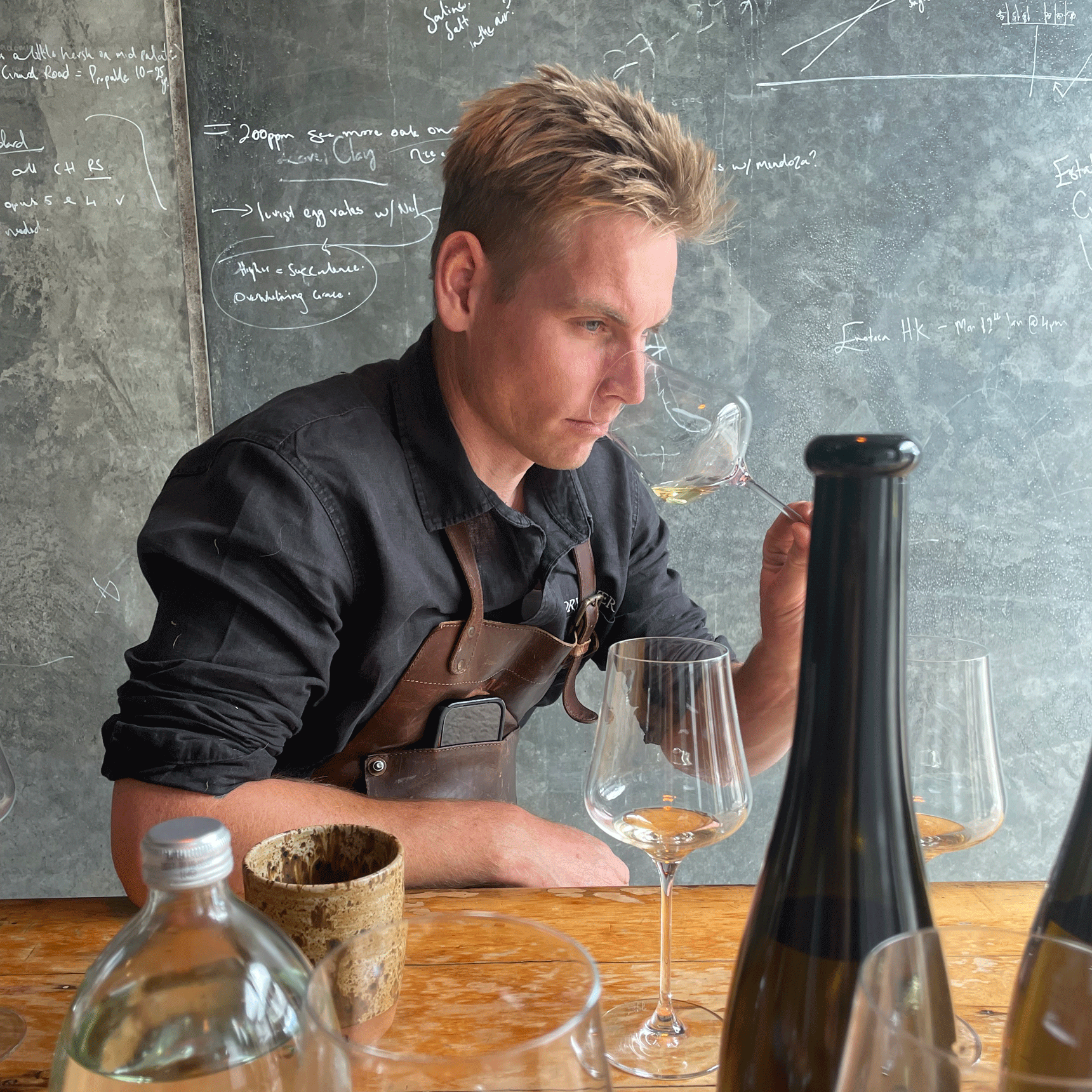

One of the first group of pioneer wineries, Dry River was planted in 1979 by Neil McCallum.
It has always been a boutique producer, now producing an average of just 17,000 bottles a year.
Winemaker Ben McNab works with obsessive detail, washing the fruit before selecting berry by berry. These are fine, expressive Pinot Noirs, made to age.
Part certified organic.
Oraterra
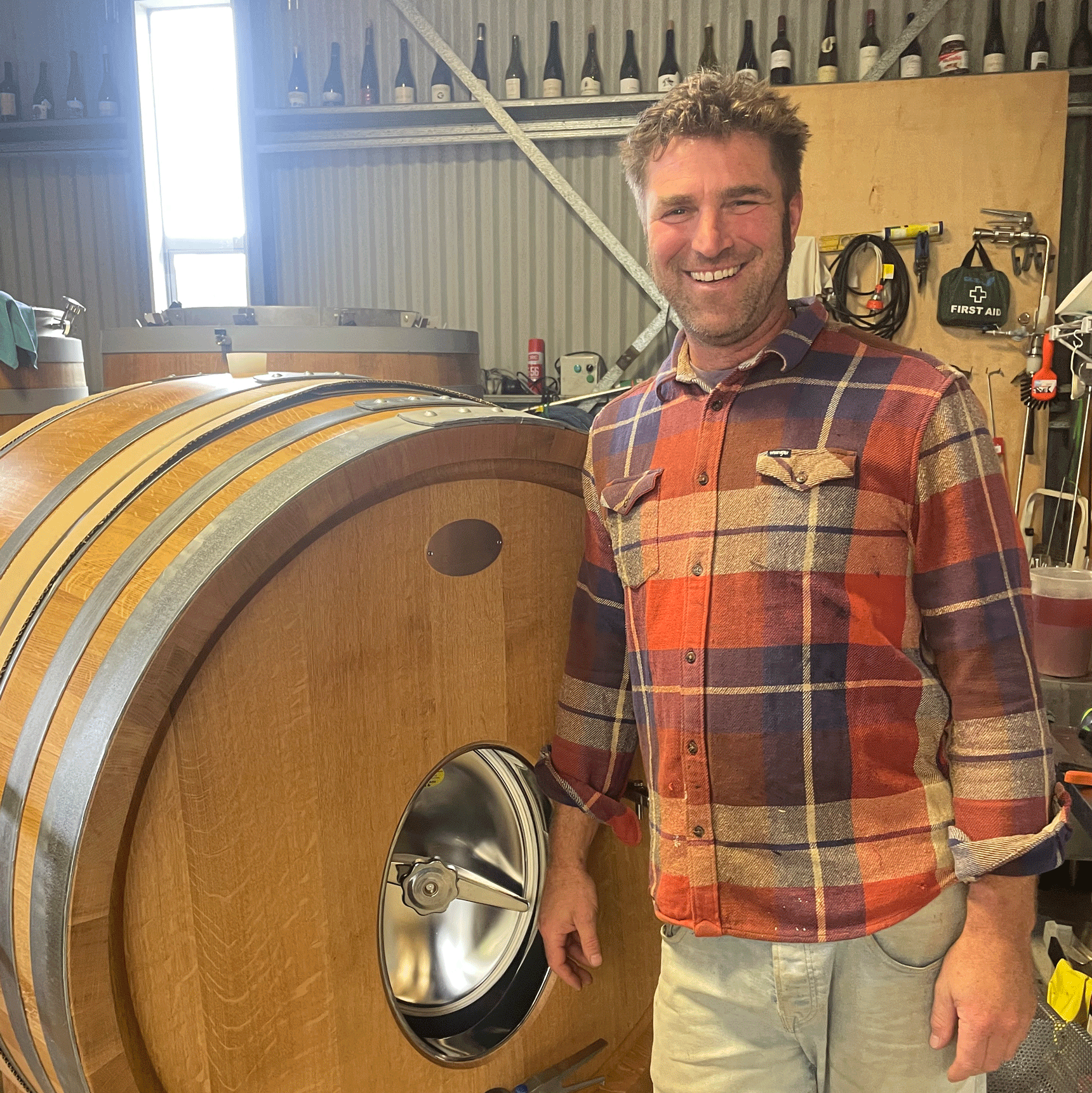

Wilco Lam was a respected winemaker at Dry River before moving with the whole winemaking team to start Oraterra four years ago.
The operation still has the buzz of a start-up. They have 10ha planted – Pinot Noir plus Chardonnay and Pinot Gris – and an innovative approach.
‘It’s liberating if there’s no preconception of how the wine should be,’ says Lam.
Certified biodynamic.
Palliser
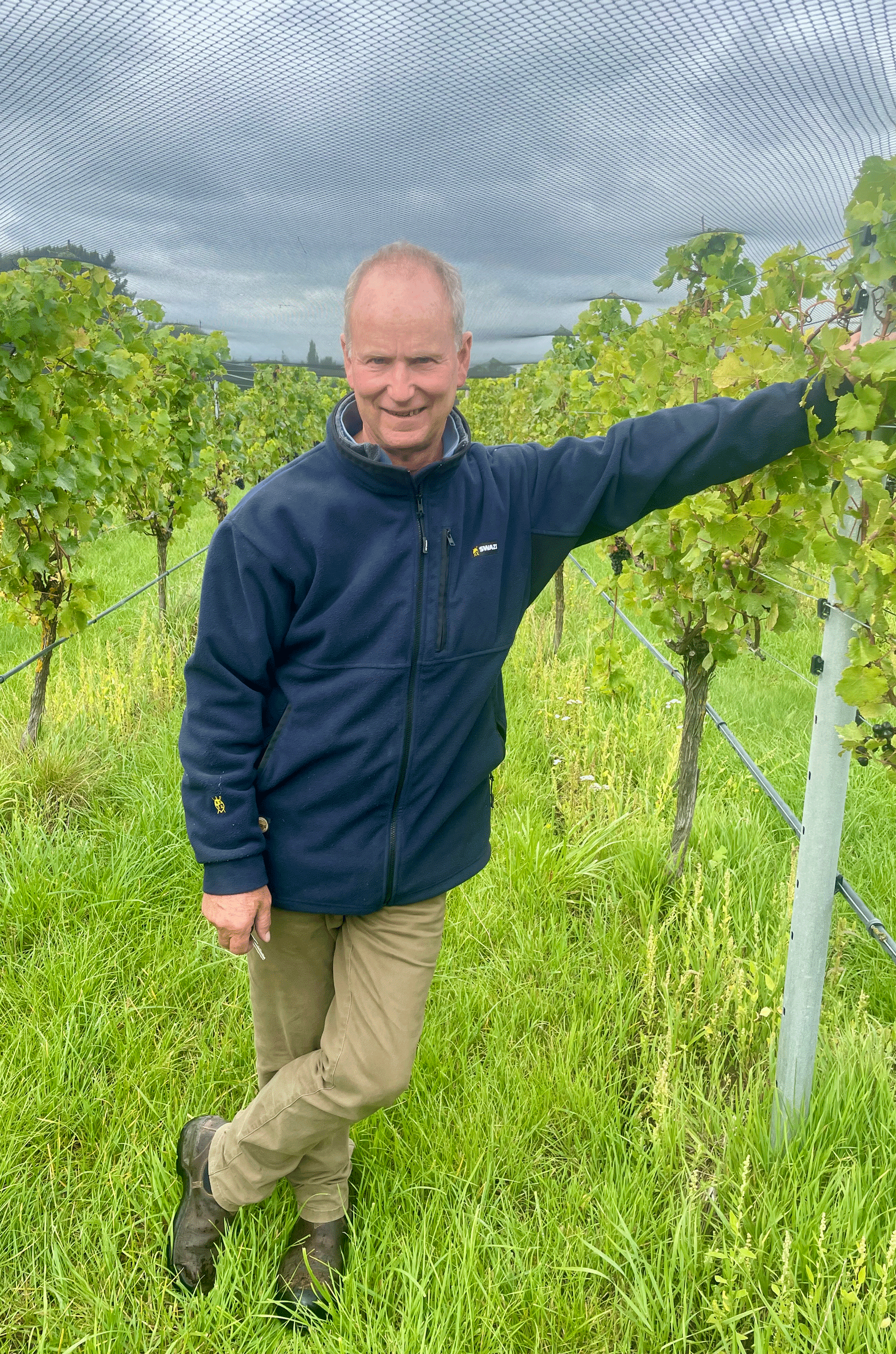

Palliser began in 1984 but now has 74ha of vineyards, making it one of the area’s largest producers.
Complex, elegant Pinot Noirs are its trademark, though it are also one of the few local wineries to make sparkling wines.
Chief winemaker Guy McMaster (ex-Escarpment) did a stage in Champagne in 2019. Impressive Syrah and Sauvignon Blanc too.
Certified organic.
Te Kairanga
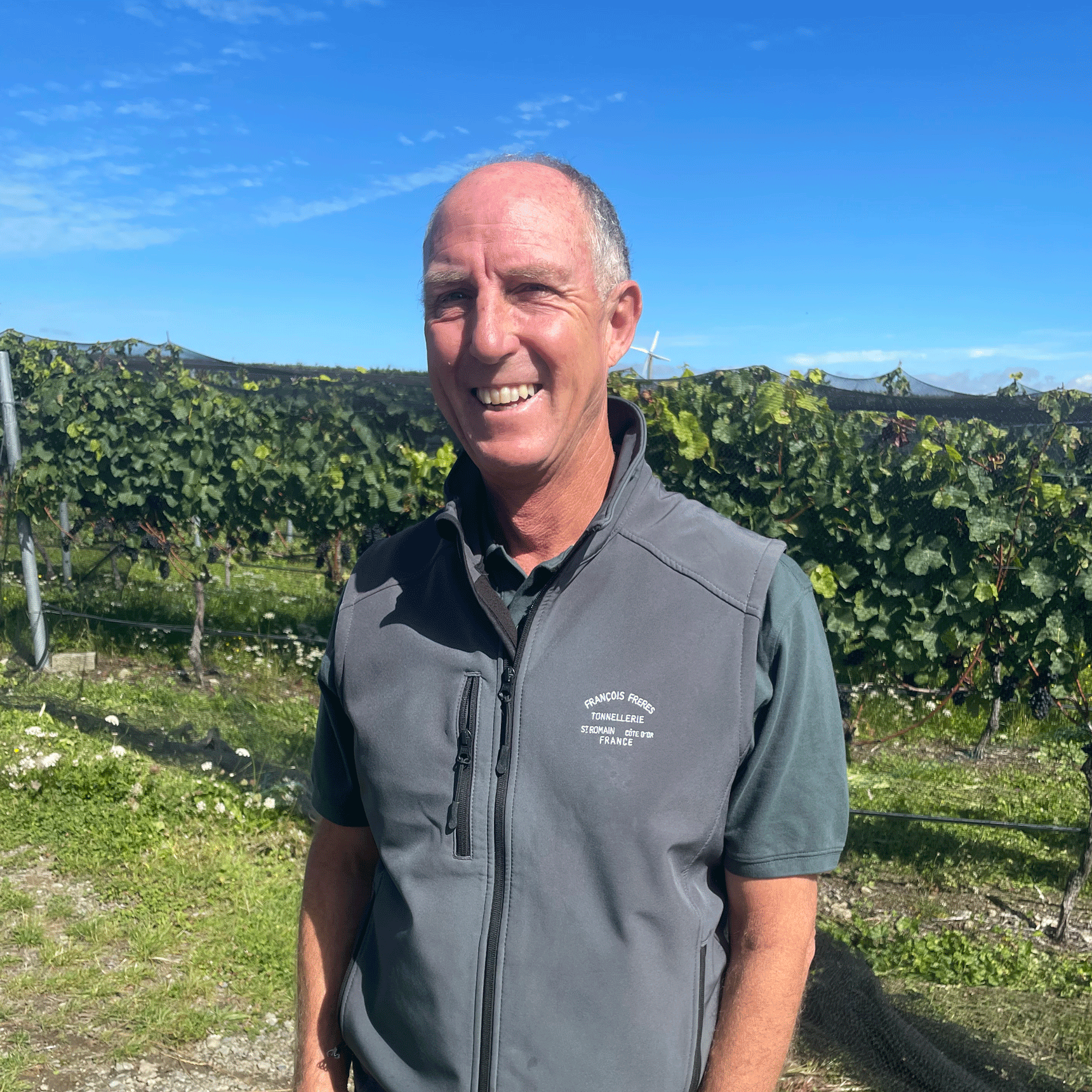
Now owned by California’s Foley wines, Te Kairanga was first planted in 1984 on a bluff at the eastern edge of the Martinborough terrace.
With 95ha of vineyards, they are one of the larger producers at over 350,000 bottles a year. Slightly plusher Pinot Noirs.
They host one of the area’s biggest cellar door operations, including an impressive restaurant.
Top Martinborough wines
New Zealand Pinot Noir Report 2025
Why now is the time to embrace New Zealand Chardonnay