








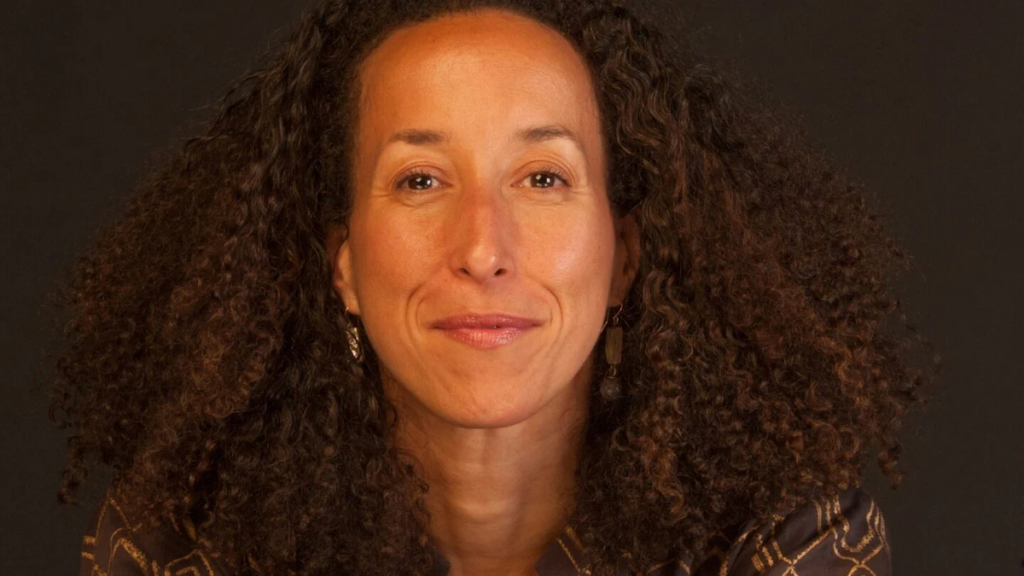
Cheryl Finley, the director of visual arts and culture at Spelman College who oversees the Atlanta University Center Art History + Curatorial Studies Collective, has been awarded the David C. Driskell Prize dedicated to figures whose work is important to the realms of African American art and art history. Established by Atlanta’s High Museum of Art in 2005, the prize includes $50,000 and has been granted in the past to the likes of Alison Saar, Naomi Beckwith, Amy Sherald, Mark Bradford, and Rashid Johnson.
Finley has directed the Atlanta University Center Art History + Curatorial Studies Collective since 2019, when she began work on the program for Black arts professionals, scholars, and curators in and around historically Black colleges and universities. Since 2013, she has co-organized “Black Portraiture[s],” an academic convening focused the study of African diasporic art and culture. She is also the author of Committed to Memory: The Art of the Slave Ship Icon and a co-author of My Soul Has Grown Deep: Black Art from the American South.
In a statement, High Museum director Rand Suffolk praised Finley’s position “at the intersection of scholarship and institutional change.” Of the award, he said, “Through her influential work, she has continuously invested in the next generation of visual arts leaders across Atlanta’s HBCU landscape and far beyond. We deeply respect her dedication to foregrounding Black artists and expanding how African American art and art history are exhibited and understood, efforts we have long been committed to through the Driskell Prize and our partnership with the AUC Art Collective.”
“Dr. Driskell was a friend and mentor, whose generosity as an artist, curator, scholar and educator continues to inspire my work,” Finley said of the African American artist and scholar David C. Driskell. “Coming at a time when funding for the arts and education has been met with historic challenges, the Driskell Prize recognizes the critical role of innovative pedagogy, collaborative work and academic excellence at HBCUs and beyond in catalyzing the next generation of global arts ecosystem leaders.”


