

Close Menu
  • News
  • Stocks
  • Bonds
  • Commodities
  • Collectables
    • Art
    • Classic Cars
    • Whiskey
    • Wine
  • Trading
  • Alternative Investment
  • Markets
  • More
    • Economy
    • Money
    • Business
    • Personal Finance
    • Investing
    • Financial Planning
    • ETFs
    • Equities
    • Funds

Subscribe to Updates

Get the latest markets and assets news and updates directly to your inbox.

Trending Now

In New York Court, Dealer Yves Bouvier Seeks Sotheby’s Records as Part of New French Criminal Case

August 1, 2026

Archaeologists Uncover Ancient Egyptian Grave Markers Carved with Human Figures

July 31, 2026

6 Books We’re Looking Forward to in August

July 31, 2026
Facebook X (Twitter) Instagram
The Asset ObserverThe Asset Observer
Newsletter
LIVE MARKET DATA
  • News
  • Stocks
  • Bonds
  • Commodities
  • Collectables
    • Art
    • Classic Cars
    • Whiskey
    • Wine
  • Trading
  • Alternative Investment
  • Markets
  • More
    • Economy
    • Money
    • Business
    • Personal Finance
    • Investing
    • Financial Planning
    • ETFs
    • Equities
    • Funds
The Asset ObserverThe Asset Observer
Home»Art Market
Art Market

Archaeologists Uncover a 2,000-Year-Old Hillfort in Estonia

News RoomBy News RoomApril 8, 2026
Share
Facebook Twitter LinkedIn Pinterest Email

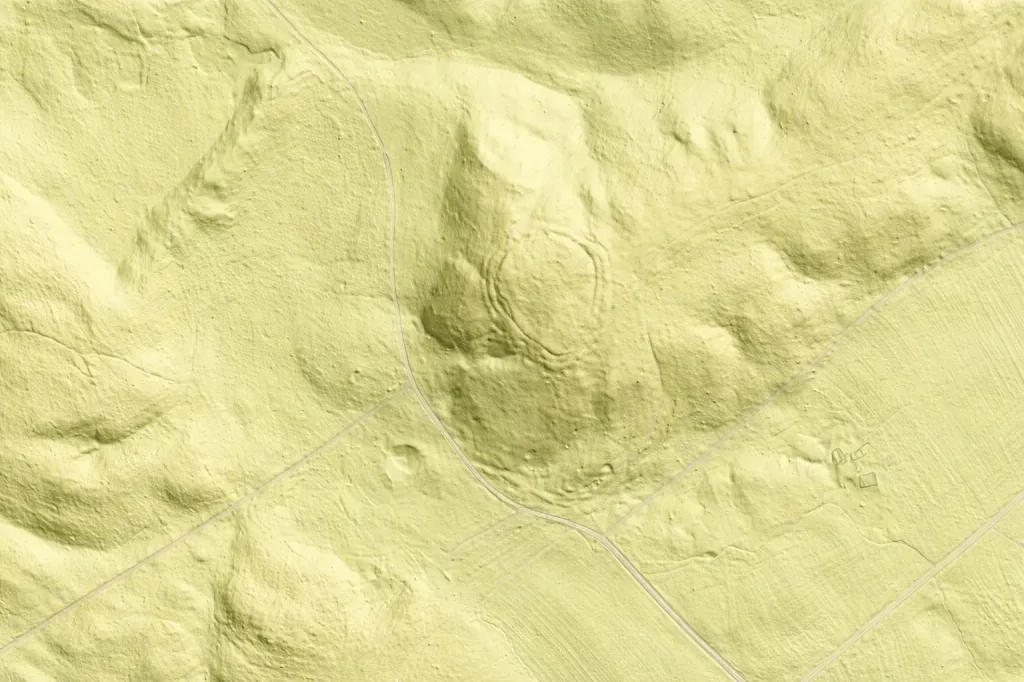
A long-lost Estonian Iron-Age fortification has been found, according to Arkeonews. While 19th-century written accounts and oral traditions had long hinted at its existence, the 2000-year-old hillfort was identified this month by archaeologists at the University of Tartu using high-resolution terrain mapping tools.

The find, located at Köstrimägi in Tartu County, provides insight into early settlements in the Balkan region. Apparently occupied for only a short period of time, it appears to have been built during a turbulent period era in the region’s history.

The fort’s archictecture is unusual. Covering approximately 16,000 square feet, it is larger than most early hillforts in southern Estonia. It is also remarkable for its stepped rampart system, with shallow ditches between the ramparts. The ramparts are also low; in their original form, they may not have exceeded three feet in height, making them easy to scale.

According to Professor Heiki Valk, a professor at the University of Tartu, “These layered defensive structures are highly unusual for Estonian hillforts. They suggest either external influence or a purpose beyond simple defense.”

Excavations conducted in 2024 uncovered only a handful of artifacts, including tiny pottery fragments, charcoal, and traces of burnt wood. Despite the limited finds, these materials proved crucial for dating the site. Radiocarbon analysis of a handful of fragments of burnt wood date the hillfort to between 41 BCE and 9 CE, indicating an extremely brief occupation.

Deepening the mystery is evidence that the settlement was destroyed by fire. Researchers speculate that the builders may have been strangers to the area—possibly migrants from what is now Latvia, whose low rampart structures are similar to this one—who found themselves in conflict with local communities.  

While the fort remains an enigma, archeologists hope that further examination will reveal more information about the site’s builders and their story.

Share. Facebook Twitter Pinterest LinkedIn Tumblr Email

Keep Reading

In New York Court, Dealer Yves Bouvier Seeks Sotheby’s Records as Part of New French Criminal Case

Archaeologists Uncover Ancient Egyptian Grave Markers Carved with Human Figures

6 Books We’re Looking Forward to in August

Citing Censorship, Artist Emma Shapiro Launches Legal Challenge to Restore Instagram Account

Gagosian exits locations in Basel and London’s Burlington Arcade – The Art Newspaper

D.C.’s Equestrian Statues Are the Latest Targets of Trump’s ‘Beautification’

See the Trailer for the New Thomas Crown Affair Movie, Starring Michael B. Jordan as a Notorious Art Thief

‘Art world summer camp’: the Aspen Art Fair prioritises immersion over expansion – The Art Newspaper

Business School Professors Launch AI Tool to Help Identify Unclaimed Nazi-Era Looted Artworks

Recent Posts
  • In New York Court, Dealer Yves Bouvier Seeks Sotheby’s Records as Part of New French Criminal Case
  • Archaeologists Uncover Ancient Egyptian Grave Markers Carved with Human Figures
  • 6 Books We’re Looking Forward to in August
  • Citing Censorship, Artist Emma Shapiro Launches Legal Challenge to Restore Instagram Account
  • Gagosian exits locations in Basel and London’s Burlington Arcade – The Art Newspaper

Subscribe to Newsletter

Get the latest markets and assets news and updates directly to your inbox.

Editors Picks

Archaeologists Uncover Ancient Egyptian Grave Markers Carved with Human Figures

July 31, 2026

6 Books We’re Looking Forward to in August

July 31, 2026

Citing Censorship, Artist Emma Shapiro Launches Legal Challenge to Restore Instagram Account

July 31, 2026

Gagosian exits locations in Basel and London’s Burlington Arcade – The Art Newspaper

July 31, 2026

D.C.’s Equestrian Statues Are the Latest Targets of Trump’s ‘Beautification’

July 31, 2026
Facebook X (Twitter) Instagram
© 2026 The Asset Observer. All Rights Reserved.
  • Privacy Policy
  • Terms
  • Press Release
  • Advertise
  • Contact

Type above and press Enter to search. Press Esc to cancel.