

Close Menu
  • News
  • Stocks
  • Bonds
  • Commodities
  • Collectables
    • Art
    • Classic Cars
    • Whiskey
    • Wine
  • Trading
  • Alternative Investment
  • Markets
  • More
    • Economy
    • Money
    • Business
    • Personal Finance
    • Investing
    • Financial Planning
    • ETFs
    • Equities
    • Funds

Subscribe to Updates

Get the latest markets and assets news and updates directly to your inbox.

Trending Now

Brooklyn Museum Plans New $13 M. Home for African Art Collection, One of America’s First

March 26, 2026

Underground Railroad Museum Sues Trump Administration Over Canceled Grant

March 26, 2026

Hauser & Wirth Partner Cristopher Canizares Departs to Start Artist Agency

March 26, 2026
Facebook X (Twitter) Instagram
The Asset ObserverThe Asset Observer
Newsletter
LIVE MARKET DATA
  • News
  • Stocks
  • Bonds
  • Commodities
  • Collectables
    • Art
    • Classic Cars
    • Whiskey
    • Wine
  • Trading
  • Alternative Investment
  • Markets
  • More
    • Economy
    • Money
    • Business
    • Personal Finance
    • Investing
    • Financial Planning
    • ETFs
    • Equities
    • Funds
The Asset ObserverThe Asset Observer
Home»Art Market
Art Market

Engaging with art is good for your health, new analysis reveals.

News RoomBy News RoomJanuary 5, 2026
Share
Facebook Twitter LinkedIn Pinterest Email

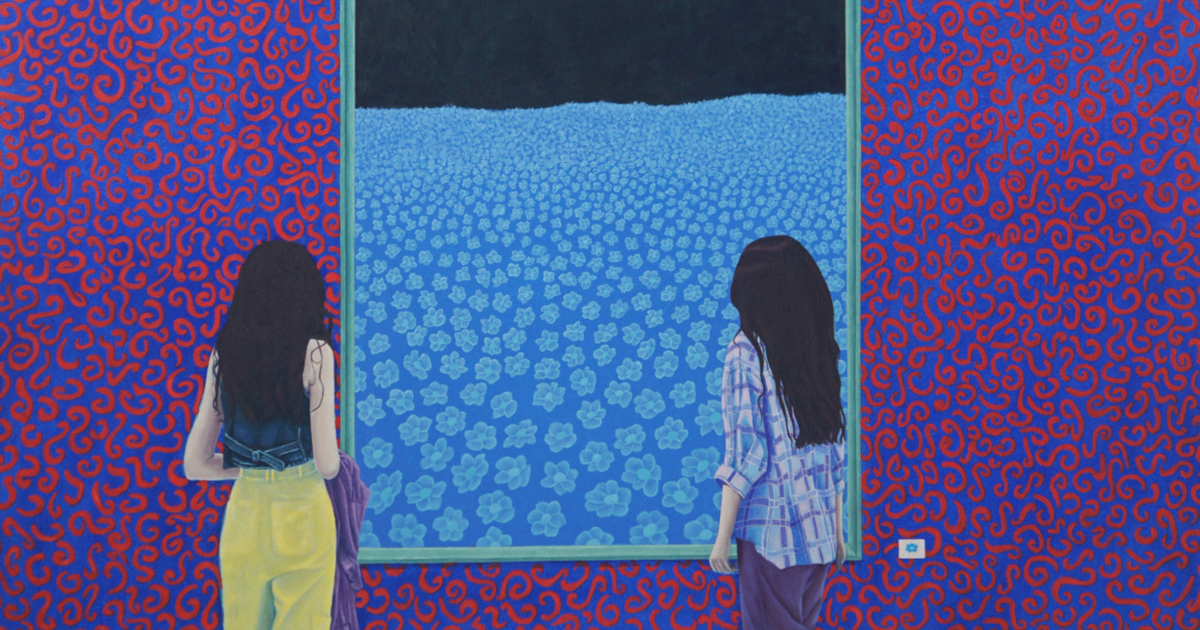
We all might think that art is good for us, but now scientists are adding to research that’s making it official. Daisy Fancourt, a professor of epidemiology at University College London, is about to make a case for the arts that is anything but subjective. Her new book, Art Cure: The Science of How the Arts Save Lives, which will be published on February 3rd, assembles a decade of research arguing that cultural engagement produces measurable benefits for physical and mental health.

Fancourt’s work combines research from public health and cultural policy, a field that has often been met with skepticism because of its reliance on small or anecdotal studies. Instead, her research taps into large-scale epidemiological data collected over long periods, much of it originally gathered for medical and social science purposes rather than for arts advocacy.

To start her research, Fancourt identified existing studies involving tens of thousands of participants tracked over decades. Seven of these studies, primarily based in the U.K. but also conducted internationally, included detailed questions about cultural engagement alongside data on income, education, social life, and health. The professor analyzed these data sets and found a correlation between arts participation and health outcomes.

One early analysis focused on the English Longitudinal Study of Ageing. Since 2002, this study has followed more than 12,000 people born before 1952. Among participants with no prior history of depression, those who regularly engaged in cultural activities developed depression at a significantly lower rate over the following decade than those who did not. These findings were originally published in an essay in 2019.

Fancourt then traced similar patterns across studies involving millions of people, linking arts engagement to reduced depression, as well as other health issues, including blood pressure and cognitive functioning.

This new analysis joins a growing body of research linking art to psychological and physiological health. In October 2025, King’s College released a study asserting that looking at original artwork—rather than reproductions—significantly reduces stress.

Share. Facebook Twitter Pinterest LinkedIn Tumblr Email

Keep Reading

Brooklyn Museum Plans New $13 M. Home for African Art Collection, One of America’s First

Underground Railroad Museum Sues Trump Administration Over Canceled Grant

Hauser & Wirth Partner Cristopher Canizares Departs to Start Artist Agency

Elsa Schiaparelli Gets Her UK Museum Debut at the V&A, in a Show Featuring Dalí, Man Ray, and Picasso

Yto Barrada Says France Had ‘Full Awareness’ of Her Views on Israel When It Chose Her for Venice Biennale

Pat Steir, known for her colorful, cascading “Waterfall” paintings, dies at 87.

Pat Steir, Famed for Her Abstract ‘Waterfall’ Paintings, Dies at 87

Sales at Art Basel Hong Kong reflect a deepening Asian market – The Art Newspaper

At Art Basel Hong Kong, Blue-Chips Report Flurry of 7-Figure Deals, while Others Lament ‘Slower Than Usual’ Sales

Recent Posts
  • Brooklyn Museum Plans New $13 M. Home for African Art Collection, One of America’s First
  • Underground Railroad Museum Sues Trump Administration Over Canceled Grant
  • Hauser & Wirth Partner Cristopher Canizares Departs to Start Artist Agency
  • Elsa Schiaparelli Gets Her UK Museum Debut at the V&A, in a Show Featuring Dalí, Man Ray, and Picasso
  • Yto Barrada Says France Had ‘Full Awareness’ of Her Views on Israel When It Chose Her for Venice Biennale

Subscribe to Newsletter

Get the latest markets and assets news and updates directly to your inbox.

Editors Picks

Underground Railroad Museum Sues Trump Administration Over Canceled Grant

March 26, 2026

Hauser & Wirth Partner Cristopher Canizares Departs to Start Artist Agency

March 26, 2026

Elsa Schiaparelli Gets Her UK Museum Debut at the V&A, in a Show Featuring Dalí, Man Ray, and Picasso

March 26, 2026

Yto Barrada Says France Had ‘Full Awareness’ of Her Views on Israel When It Chose Her for Venice Biennale

March 25, 2026

Pat Steir, known for her colorful, cascading “Waterfall” paintings, dies at 87.

March 25, 2026
Facebook X (Twitter) Instagram
© 2026 The Asset Observer. All Rights Reserved.
  • Privacy Policy
  • Terms
  • Press Release
  • Advertise
  • Contact

Type above and press Enter to search. Press Esc to cancel.