







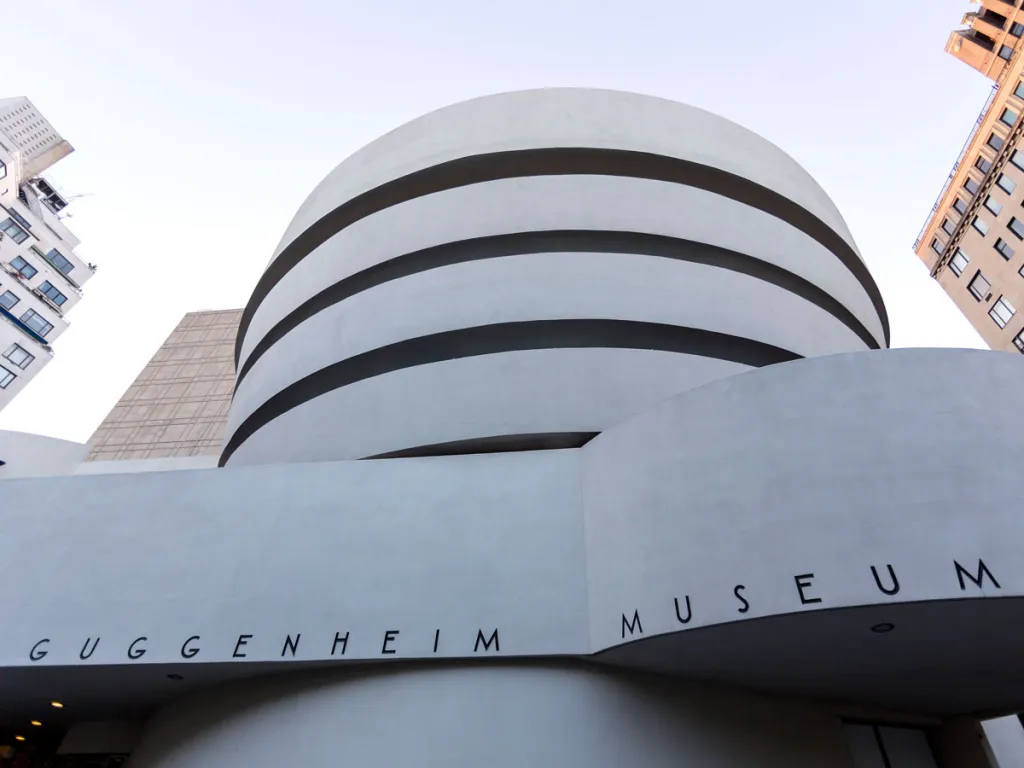
The bacteria that causes Legionnaires’ disease has been detected in a cooling tower at New York’s Solomon R. Guggenheim Museum, though museum officials say the building remains safe for visitors and staff.
The discovery comes as city health officials investigate an outbreak of the potentially serious form of pneumonia across Manhattan’s Upper East Side. Legionnaires’ disease is spread by inhaling tiny water droplets contaminated with Legionella bacteria. It cannot be passed from person to person.
According to an internal email obtained by the Art Newspaper, routine testing earlier this week found Legionella in the museum’s cooling tower. The Guggenheim said it immediately carried out the remediation required by the city and stressed that the tower poses no risk to the public because it is accessible only to facilities staff.
In a statement, a museum spokesperson said the Guggenheim complies with all New York City regulations governing cooling towers and has been advised that no further action is needed. Facilities employees who work near the tower have been notified and are taking appropriate precautions.
The museum also briefed UAW Local 2110, which represents Guggenheim employees. Union president Olga Brudastova said she was satisfied with the museum’s response, noting that the cooling tower has already been treated and will be retested next week to determine whether additional remediation is necessary.
The health scare arrives at a tense moment for the museum. Last month, 93 percent of unionized workers voted to authorize a strike after contract negotiations stalled, though no strike date has been announced.
City officials have confirmed 36 cases of Legionnaires’ disease and 22 hospitalizations tied to the Upper East Side outbreak. Inspectors have been testing cooling towers at more than 100 buildings in the neighborhood as officials work to identify the source.


