


A California antiquities dealer has surrendered to New York prosecutors a 2,000-year-old bronze statue of a Roman emperor believed to have been looted from an archaeological site in Turkey, as first reported in the New York Times.
Aaron Mendelsohn, 74, a Santa Monica philanthropist and former medical technology venture capitalist, purchased the headless bronze torso, known as Nude Emperor, from a now-defunct New York gallery in 2007. However, the Manhattan district attorney’s office says the sculpture was one among at least 13 monumental statues pilfered in the late 1960s from a Roman shrine in the ancient city of Bubon, in present-day Turkey.
As part of a deal filed in New York Criminal Court, Mendelsohn relinquished all claims to Nude Emperor. The September deal did not require him to admit to wrongdoing and includes his assertion that, although he had paid for the statue’s shipment to Manhattan, his communication with art experts about its provenance were made in good faith to verify its origins. In exchange, prosecutors agreed to withdraw a warrant for his arrest, provided he meet every term of the deal for one year.
Valued at $1.33 million, Nude Emperor, was handed over to Turkey in a restitution ceremony on Monday in Manhattan, along with dozens of other objects.
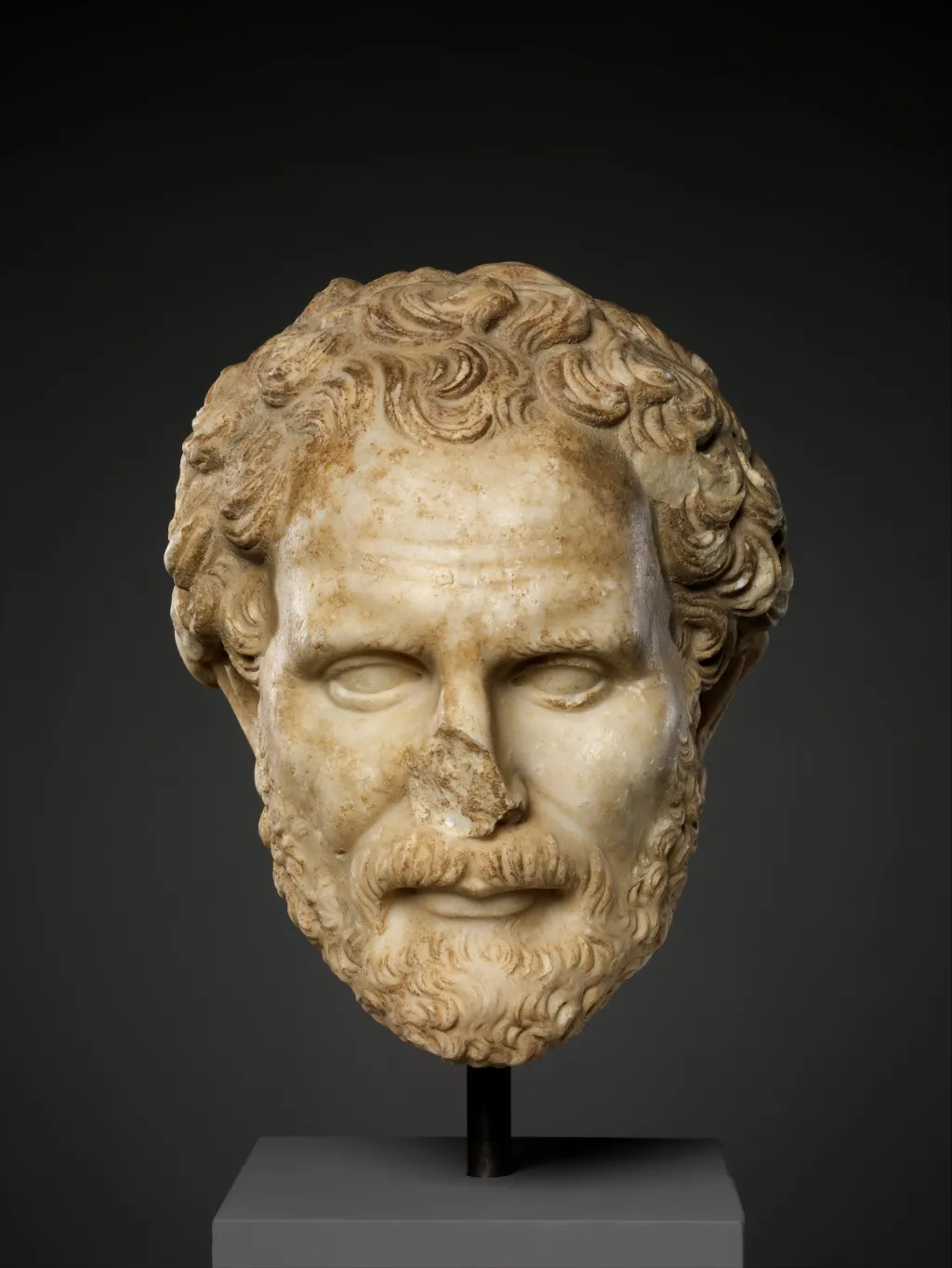
The handover also included an $800,000 marble head of the Greek orator Demosthenes that had been seized in September from the Metropolitan Museum of Art in New York. The Met traces the sculpture’s ownership history only to 1973, noting that it had changed hands several times before entering the museum’s collection in 2012 as collector’s gift.
Investigators have accused two New York galleries of falsifying provenance records to conceal that object’s looted history; one of those galleries, Fortuna Fine Arts, faces federal fraud charges, per a statement by the district attorney’s office. The gallery did not respond to requests for comment.
The Met, which has expanded its provenance-research team amid increased security on ethnographic museum collections worldwide, said in a statement that “new information came to light that made it clear that the work rightfully belongs to Turkey.”
“The Met,” the statement continued, as quoted in the Times, “has initiated a number of repatriations in recent years, and its team of provenance researchers — now the largest of any museum in the world — is continuing with a rigorous review of the collection in partnership with experts inside and outside the museum, including the D.A.’s office, which often has information that the museum would otherwise be unable to access.”
The Bubon site in Turkey was home to a famous Roman imperial shrine, or sebasteion, where imperial statues were erected between 50 and 250 CE, a time when the region was part of the Roman empire. Looting of the site began in 1960s, with artifacts funneled through a network of smugglers, provenance forgers, and dealers willing to overlook their illicit excavation. Investigators say that eight monumental statues and fragments from Bubon entered the United States. Since opening its multi-year investigation, the Manhattan District Attorney’s Antiquities Trafficking Unit reports recovering and repatriating six of the statues, including Nude Emperor.
Court papers state that the artifact was trafficked through the antiquities black market from Turkey to London, before reaching New York, where it was ultimately sold. The documents also detail how a network of dealers, curators, and related professionals promoted the statue by displaying them in exhibitions and catalogs, in turn bolstering their appearance of legitimacy.
“Through this insidious sleight of hand, pillaged bronzes and fragments from Bubon, including Nude Emperor, entered American museums or private collections with a thin veneer of legitimacy, thereby increasing their value on the antiquities market,” the filing read.
Zeynep Boz, a Turkish official and antiquities specialist, said on Monday that the recovered Bubon bronzes will be shown together in a new gallery tracing their excavation, trafficking, and return. Gökhan Yazgi, Turkey’s deputy minister of culture and tourism, said in a statement that the restitutions serve as a warning: “Do not buy cultural property removed illegally from its country of origin.”
