


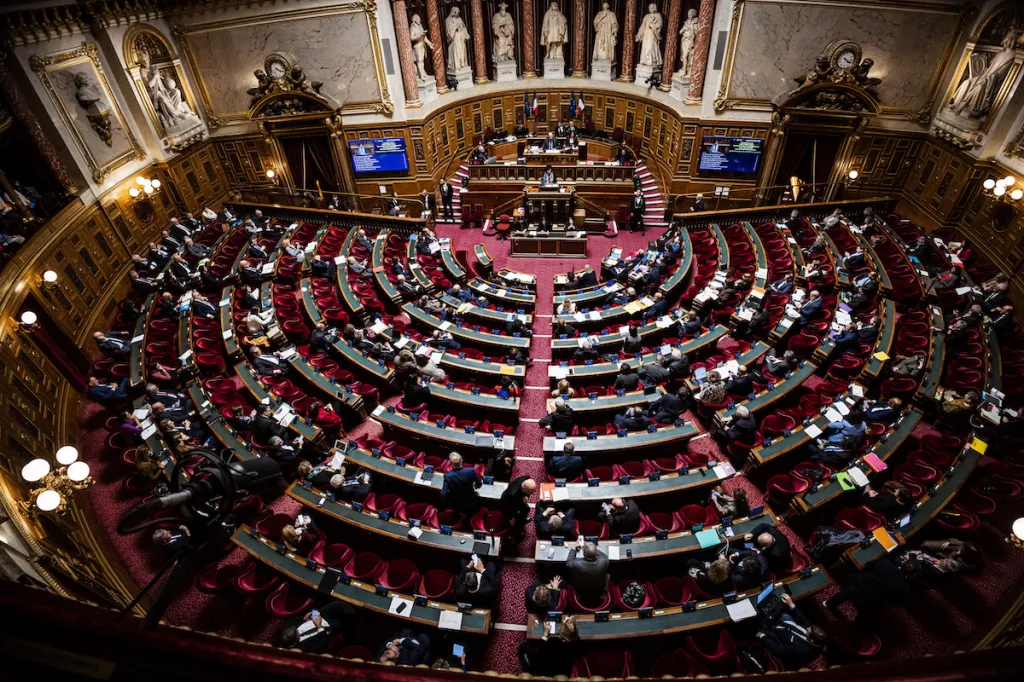
French senators have unanimously adopted a bill designed to simplify the return of artworks looted during the colonial era, a move that advances President Emmanuel Macron’s long-running effort to recast France’s relationship with its former colonies. The legislation now heads to the National Assembly, where it must still be approved before becoming law.
Macron has made restitution a central plank of his cultural and diplomatic agenda since taking office in 2017, going further than any of his predecessors in publicly acknowledging abuses committed during France’s colonial rule in Africa. During a visit to Ouagadougou that year, he pledged that France would facilitate the return of African cultural heritage within five years, framing restitution as part of a “new relationship” with the continent, according to the Agence France-Presse.
France currently holds tens of thousands of artworks and artifacts taken from its former empire, but existing laws have made restitution cumbersome, requiring a separate parliamentary vote for each object removed from the national collection. The new bill aims to streamline that process by targeting items acquired between 1815 and 1972, removing a major legal obstacle that has slowed returns in recent years.
“The idea is not to empty French museums,” said centrist Senator Catherine Morin-Desailly, emphasizing recognition of history rather than denial or repentance, according to AFP.
Restitution demands have intensified, with countries including Algeria, Mali, and Benin seeking the return of cultural property. In 2025, France’s parliament approved the return of a “talking drum” taken by colonial troops from Ivory Coast’s Ebrie tribe in 1916, a decision widely seen as a test case for broader reform. The Senate vote now places Macron’s restitution agenda one step closer to becoming a durable legal framework rather than a series of symbolic gestures.
