


The Headlines
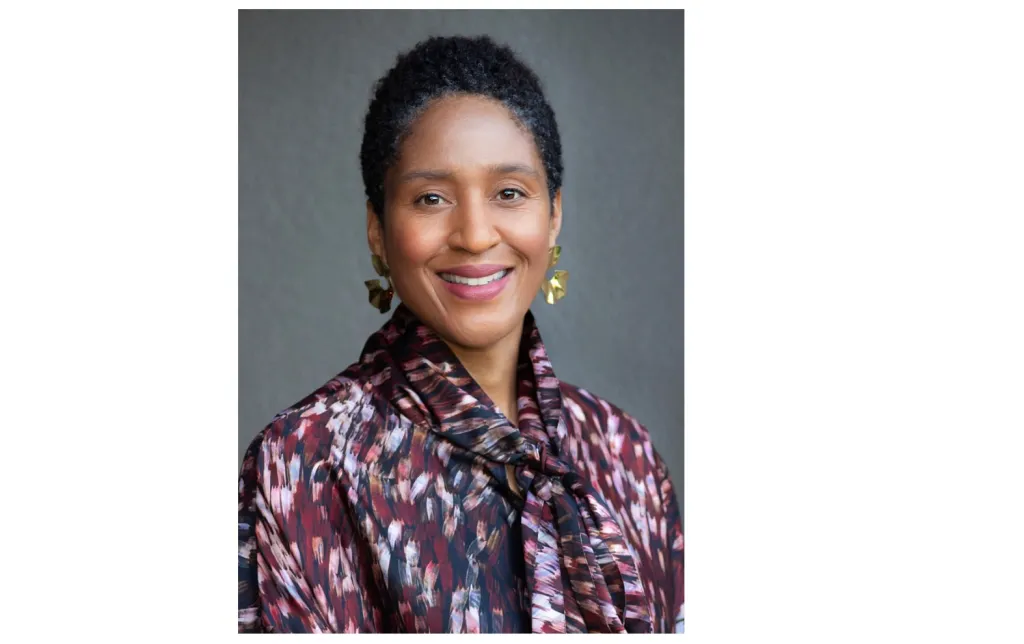
BRINGING OUT THE BEST. The Museum of Modern Art in New York finally has a new chief curator of photography: Makeda Best, who has served as deputy director at the Oakland Museum of California since 2023, reports the New York Times. The plum position “has influenced, implicitly or explicitly, so much of how we understand the medium,” said Best, who starts in September. It has also been vacant for almost four years. “I’m someone who’s very much committed to big stories from the collection,” added Best, offering by way of example the legacy of historic MoMA photo curator Edward Steichen, who spearheaded deep acquisitions from the Farm Security Administration during the Great Depression. Best is also a photographer who studied at CalArts and earned a doctorate in art history at Harvard. She served as photography curator at Harvard Art Museums. Best told the Times she wants to “expand the kinds of photography that we see,” and that it’s a medium “that’s always been in crisis, that’s always questioning itself.” With audiences increasingly looking for different experiences and connections, “it doesn’t work anymore just to hang things on the wall,” said Best.
BELGIAN-FRENCH CONNECTION. A new lead has emerged in the hunt for the French crown jewels stolen from the Louvre on October 19, 2025, according to French reports. Belgian police found photographs of the Louvre — including the Galerie d’Apollon, where the jewels were displayed — on the cellphones of several Eastern European individuals arrested in Belgium on unrelated cargo-theft charges. France and Belgium have since launched a joint investigation, as authorities attempt to determine whether there is any connection between the cargo-theft suspects in Belgium and four other suspects French authorities have charged with their alleged roles in the brazen Louvre heist. The eight stolen crown jewels, estimated at over $102 million, are still nowhere to be found, as hope wanes that they remain intact.
The Digest
Colorado has passed a law that gives artists legal tools to create an “Artist Company,” or a new limited liability company that will help monetize their labor and retain intellectual property rights. [The Art Newspaper]
Strong winds have damaged an inflatable giant cave installation on the Pont Neuf bridge in Paris, created by French artist JR as a tribute to artists Christo and Jeanne-Claude, delaying its public opening. [Le Figaro]
Students in Rome discovered a 2nd-century BCE Roman villa, complete with floral frescoes and mosaics, behind a locked iron door in their high school basement, confirming old suspicions. [Times of London]
Matthias Lilienthal, the new artistic director of Berlin’s experimental Volksbühne theater, plans to install a swimming pool open to all and free of charge, right in front of the building, from August to October. [dpa]
Experienced television executive Dawn Airey has been appointed chair of Arts Council England. [ArtReview]
The Kicker
NOT THAT VENICE. The May opening of the often-billed “Olympics of the art world” drew international crowds to its packed program of exhibitions in Venice, Italy. But across the world in another Venice, the bustling Los Angeles neighborhood, artist Ali Eyal and curator David Horvitz recently staged their own, very collateral and totally unofficial “Iraqi Pavilion,” reports Hyperallergic. In their one-day, May 29th installation titled “Welcome to Iraq,” at a Chevron gas station, they posed as petrol salesmen on the black market. Beside them sat an old TV painted with the Arabic words “We have oil here” and four painted plastic jugs. On each jug, the amount of gas was shown to diminish progressively, eventually resembling a painted sunset. Iraq hasn’t had an official pavilion at the Biennale since 2019. “If Venice doesn’t officially recognize a pavilion, can we fill that gap?” asked Horvitz. Meanwhile, Eyal sold pocket-sized oil pastel drawings of candles, which represented his family’s source of light when power failed while he was a child growing up in Baghdad during the US-led invasion of Iraq. “Oil changed my life as an Iraqi forever,” said the artist. “This is my own Iraq.”
