


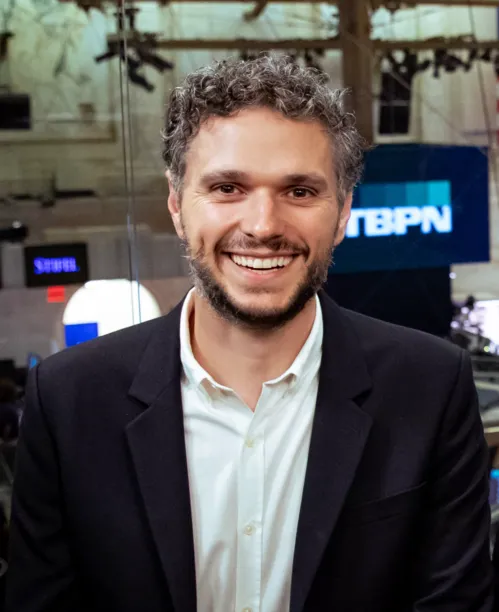
In the past decade, the technology sector has minted a new generation of art collectors—founders, venture capitalists, and executives whose professional lives are defined by innovation.
While stereotypes linger about the types of art that these collectors are drawn to, the reality is far more nuanced. What unites them is less a preference for medium and more a shared mindset: comfort with risk, appetite for discovery, and conviction in backing vision early. Many draw parallels between startup investing and supporting artists at pivotal moments in their careers.
Here, we share how eight collectors in the tech industry are approaching art buying.
Dylan Abruscato
President, TBPN
Los Angeles
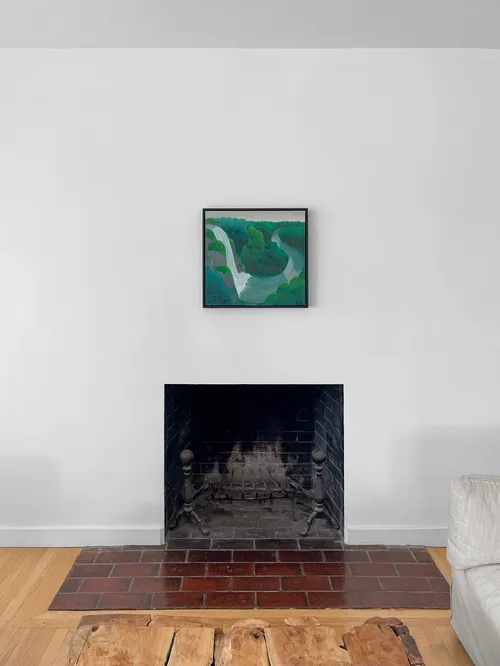
A digital native, it’s unsurprising that Dylan Abruscato’s first art purchase—a painting by Jordy Kerwick—was done through Instagram. “I just saw his art on my explore page and sent a DM,” Abruscato said. “It was easy, friendly, and straightforward. I bought the work because I liked it and wanted to live with it.”
A media and technology executive who is the president of TBPN, a daily live tech talk show, Abruscato continues to collect with his wife, Sarah. Their home is filled with artwork mixing his preference for playful and colorful styles and her interest in contemporary interpretations of classical and Old Masters themes. Their collection includes names like Jess Valice, Sara Anstis, and Ben Sledsens.
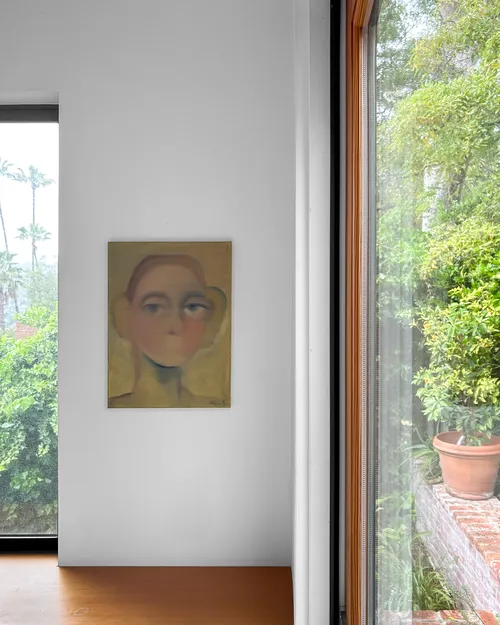
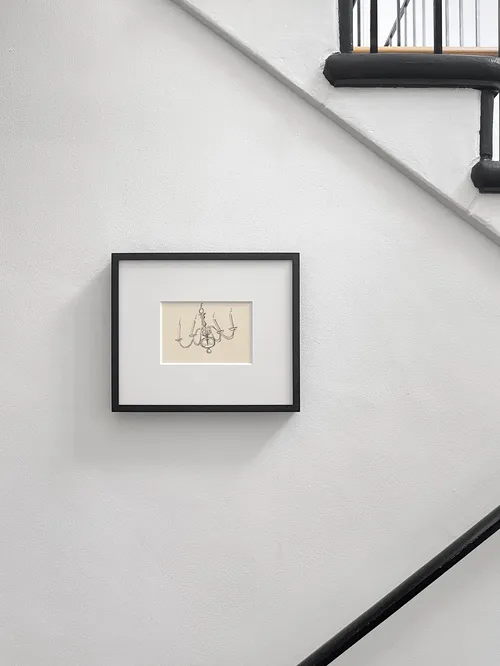
As he’s grown as a collector, so too have Abruscato’s colleagues in tech. “I always draw a parallel between collecting art and startup investing,” he said.
“Purchasing an artwork supports the person behind it—their livelihood, their business—in the same way early-stage investors are supporting founders. Both take curiosity, patience, and a genuine belief in who you’re investing in.”
Marsha Lipton
CEO and co-founder, Numeraire Future Trends
Abu Dhabi
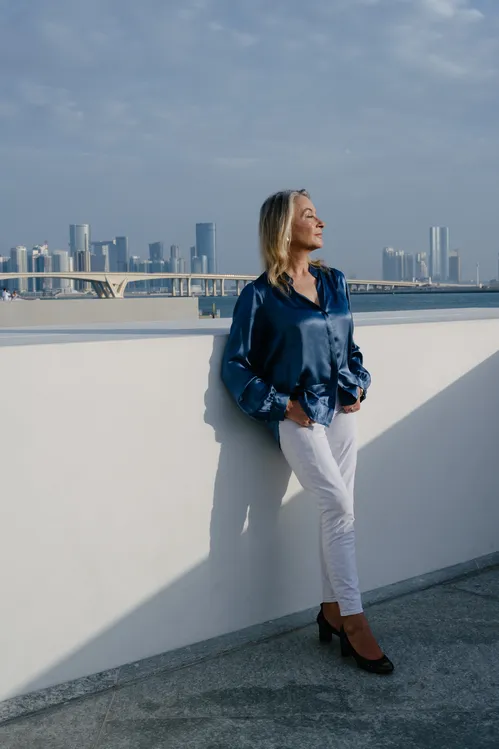
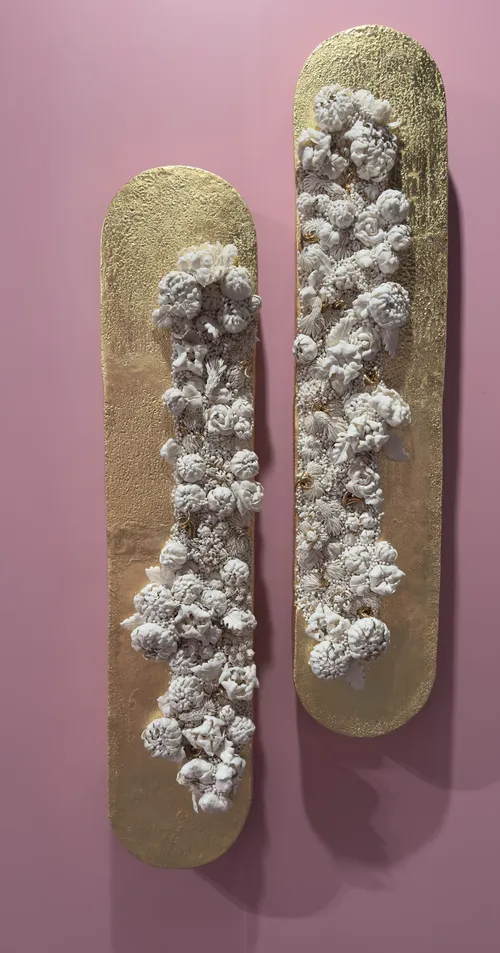
Marsha Lipton didn’t begin her art-buying journey with the intention of building a collection. “It began quietly, without a plan or framework,” she reflected. Her first artwork was a birthday gift from her husband: a French countryside painting by Louis Peyrat. Its calm presence proved unexpectedly transformative.
“As often happens, that first piece quietly anchored everything that followed,” she said. Soon after, she acquired a small Salvador Dalí sculpture, Carmen–Castanets (ca. 1970), for her husband and slowly added to their collection over the years.
Trained in scientific fields, Lipton and her husband approach art with analytical rigor. “Works of the Russian avant-garde have always resonated with us for precisely that reason, balancing formal structure with intellectual ambition and disciplined execution,” Lipton said.
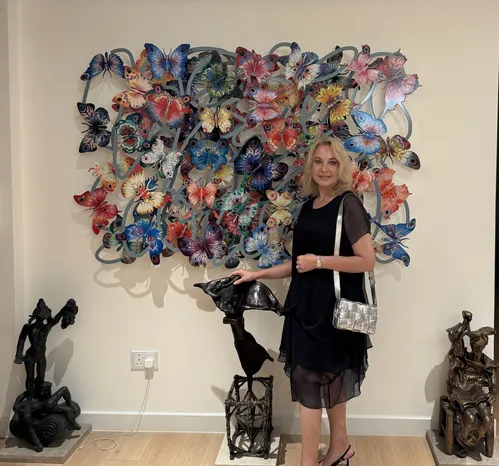
Lipton recalls watching as generative AI began to erode confidence in traditional artwork documentation and provenance. “What struck me as far more consequential was the impact on trust,” she noted. That realization led Lipton to co-found Numeraire Future Trends, which creates biometric-level digital identities based on an artwork’s physical makeup.
For Lipton, collecting and technology converge in stewardship—ensuring that cultural objects retain their integrity, meaning, and history across generations. “Numeraire grew directly out of our experience as collectors,” she explained. “It reflects questions I had been asking myself: how the story connects to what one is actually looking at, and how that knowledge can be preserved over time.”
Chris Lyons
General partner, Andreessen Horowitz
Miami
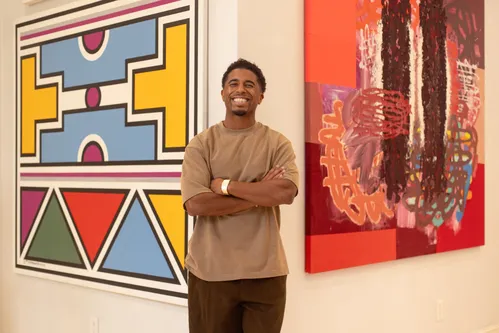
Chris Lyons approaches art collecting as an extension of community and lived experience. His passion took shape during the rise of the digital art community, when his work in cryptocurrencies placed him “between two worlds—physical artists curious about digital art and digital artists interested in the traditions of the art world,” he said.
As a venture capitalist with a background in music production, Lyons specializes in finding equity opportunities for creatives, athletes, and entertainers. For Lyons, collecting art is about support and storytelling—“buy what you love,” he said, “because you’re the one who gets to live with it.”
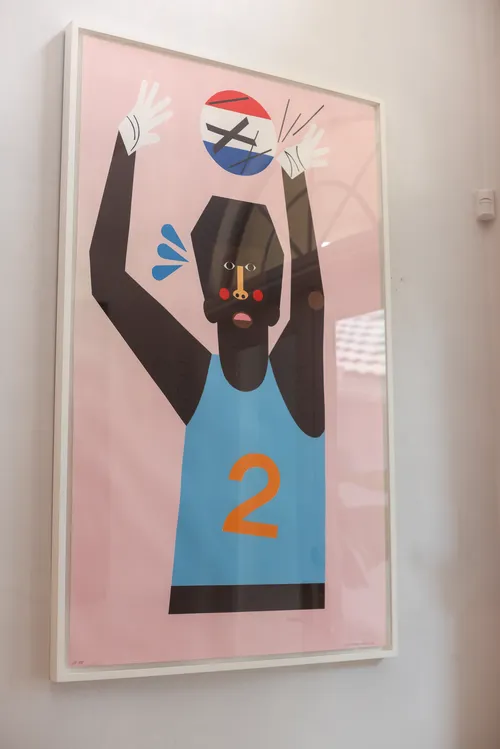
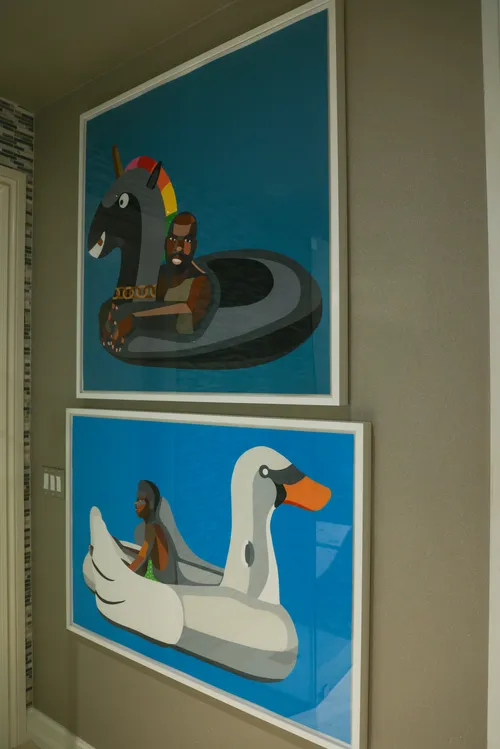
One of the first artists who resonated with Lyons was Derrick Adams. He was drawn to the storytelling and symbolism of Adams’s “Floater” series, particularly a work featuring a Black unicorn. “In tech,” Lyons noted, “‘unicorn’ often represents something rare or transformational, and becoming a general partner at my firm—especially as the first Black general partner—was a defining professional moment.” The piece became his first acquisition. Adams is now a close friend; Lyons owns four of his works and has collaborated with him on digital projects, including the Reasonable Doubt NFT, commissioned by Jay-Z in 2021.
Working in tech, Lyons finds that art balances his day-to-day life. “With so much of our attention focused on screens—and on fast-moving fields like crypto and AI—art offers an important counterbalance,” he explained. He also believes art complements how people in technology tend to think. “It encourages curiosity, reflection, and perspective—qualities that are just as valuable as efficiency or scale,” he explained.
Lyons uses platforms like Artsy to train his eye, but says the moments that matter most happen offline, especially in artists’ studios. His collection gravitates toward vibrant, expressive works—often colorful and abstract yet narrative-driven—largely by Black artists worldwide. “You train your eye by looking,” he said, “but you train your judgment by listening.”
Amber Atherton
Partner, Patron Fund
San Francisco
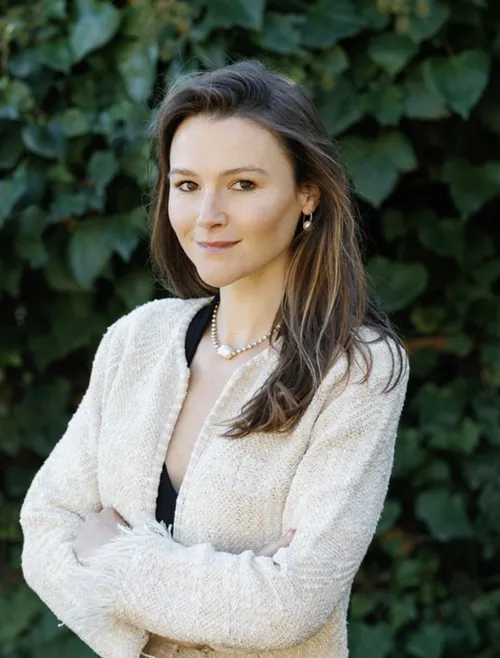
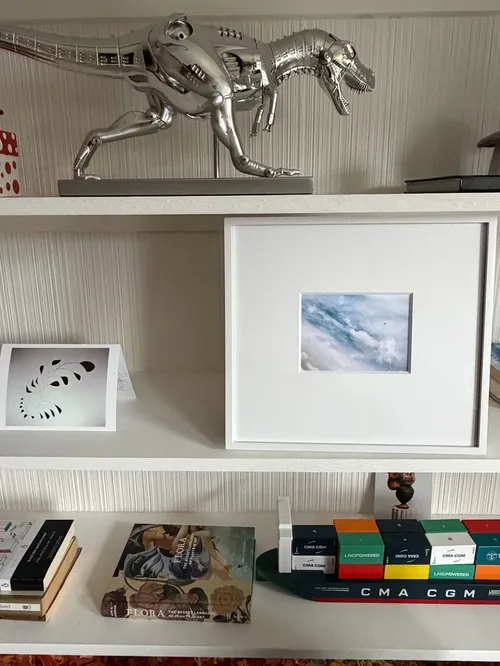
Amber Atherton began collecting art like many others working in tech: through word of mouth and social media. For years, she had admired work by the British artist Mat Collishaw, which started when she saved an image on her Tumblr. She was able to acquire one of his works in 2020. “It was incredibly satisfying to see something I’d admired online for so long finally live on my own wall,” Atherton said. “That moment really marked the beginning of collecting with intention rather than just admiration from afar.”
Atherton’s path—from growing up in Hong Kong to years in London and a move to San Francisco in 2017—has shaped an eclectic approach to discovery. Today, she works as a venture capitalist and entrepreneur.
Atherton cites friends like collector and curator Tiffany Zabludowicz and gallerist Jessica Silverman as key influences. “Silverman introduced us to wonderful artists, including Chelsea Ryoko Wong and Patricia Peco,” Atherton said. She also frequents fairs, citing L.A.’s Felix Art Fair as a favorite.
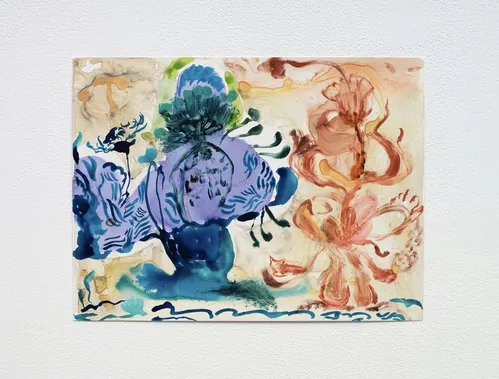
Atherton is drawn to artists who share her cultural overlap of the U.K. and Hong Kong, as well as her husband’s American and Indian heritage. She is also interested in the intersection of technology and humanity embodied by artists like Paul Laffoley and Trevor Paglen.
“As a consumer VC [venture capitalist], I spend a lot of time thinking about how technology shapes behavior and culture before those shifts become obvious,” she said. “In some ways, collecting art feels similar—you’re looking for artists who capture something emerging in the present or hint at where culture is heading next. The best artists, like the best founders, often see around corners.”
Jeff Morris Jr.
Founder, Chapter One
California
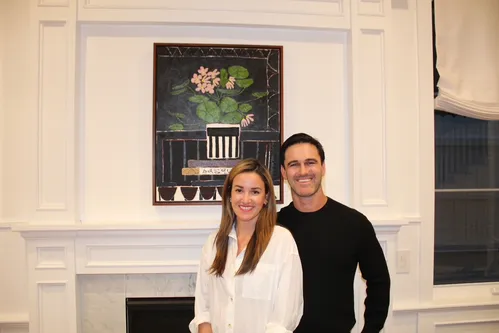
Having earned an MFA in film from the University of Southern California, Jeff Morris has always been drawn to creativity across media and disciplines. His path as an art collector began by chance.
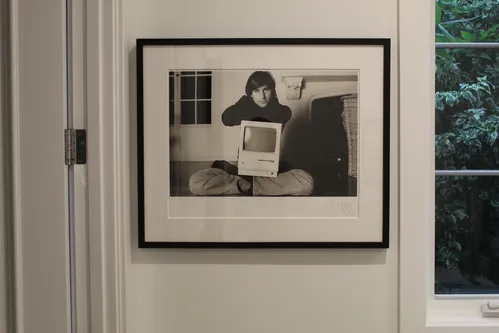
“The first piece of art I ever purchased was a print by Norman Seeff,” he recalled. Morris and his wife, painter Simone Lopes Morris, saw the work, a black-and-white photograph of Steve Jobs holding the original Macintosh computer, at the Hotel Bel-Air.
After reaching out to the artist for a studio visit, “he graciously said yes and spent time walking us through his work,” leading them to buy an outtake from that historic shoot. “We considered it a wedding gift to ourselves,” Morris said. “It still hangs in my office today.”
After helping grow the dating app Tinder, Morris is now founder and general partner of Chapter One, a venture capital firm for the tech world. As their collection grows, the couple continues to buy directly from artists, as well as through galleries, social media, and art fairs. At a visit to Frieze L.A. two years ago, they walked out with an Eduardo Sarabia work “on the spot,” Morris said. Their collection also includes works by Hugo McCloud, Ben Crase, and Jordy Kerwick.
As an artist, Simone has been a major influence: “I like to joke that she could have been the world’s best curator,” Morris said. Together, they “buy what we love,” Morris explained, adding, “If you love it, you’ll never regret the purchase.”
Sandy Cass
Managing Partner, Red Swan Ventures
New York
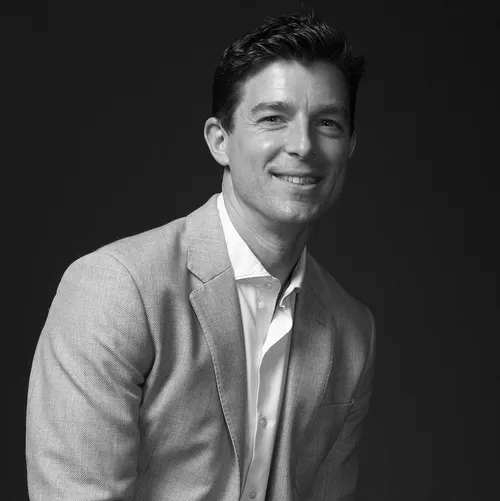
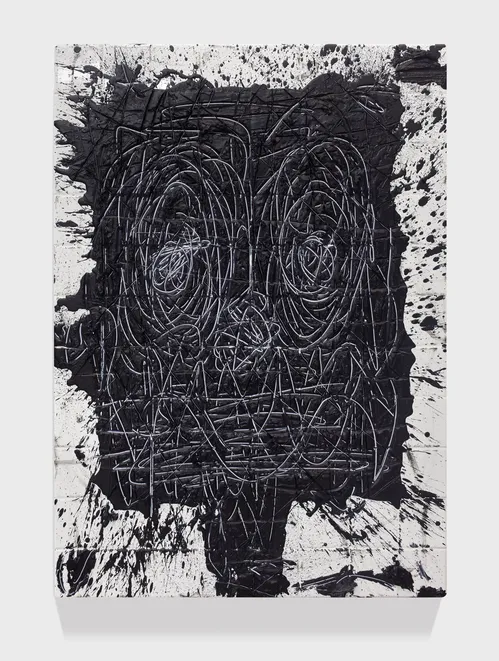
Sandy Cass has built an art collection shaped by curiosity and a love of systems. He began collecting straight out of school while traveling through Latin America. “I started buying small paintings by local artists [who] I thought captured the vibes of the towns I was visiting,” he recalled.
A former COO/CFO of Artsy, Cass is now managing partner of Red Swan Ventures, which supports founders in culture, tech, and systems. His first major acquisition came a little over a decade ago, when he purchased a small Cai Guo-Qiang work on paper at auction. “I thought his use of gunpowder, the spectacle of the act of creation, and its nod to China’s history [were] so cool,” he said.
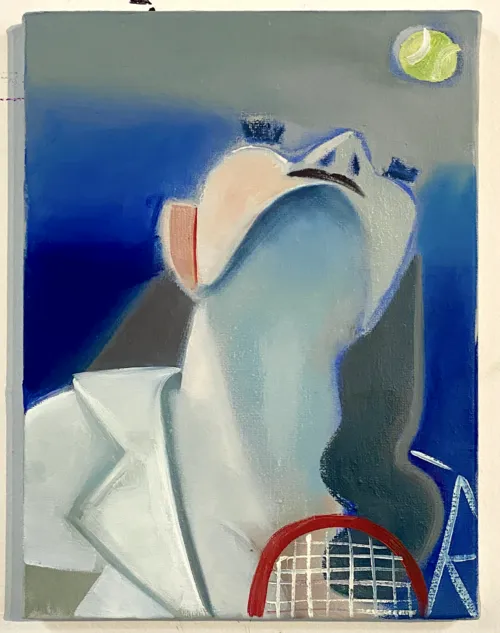
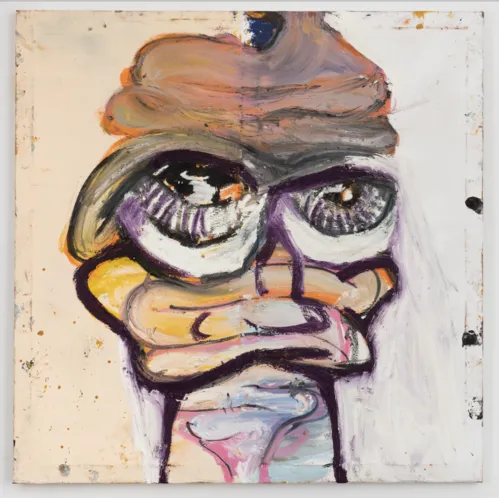
Cass credits seeing large volumes of art and learning from dealers, friends, and fellow collectors for sharpening his eye. His background in computer science informs his taste for artists working within frameworks or rule-based systems, including Jack Whitten, as well as artists whose work balances rigor with humor, such as David Shrigley and Chloe Wise.
Like other collectors in tech, Cass notes the role of digital platforms in informing his collecting. “Instagram has been a big part of my education—following the artists directly, but also following collectors who I think have great taste,” he said. “My journey as a collector has been as much a social one, learning from others as it has been an individual one, spending time with the art.”
Shardé Marchewski
Former Global Head of Purpose & Inclusion, Wayfair
Boston
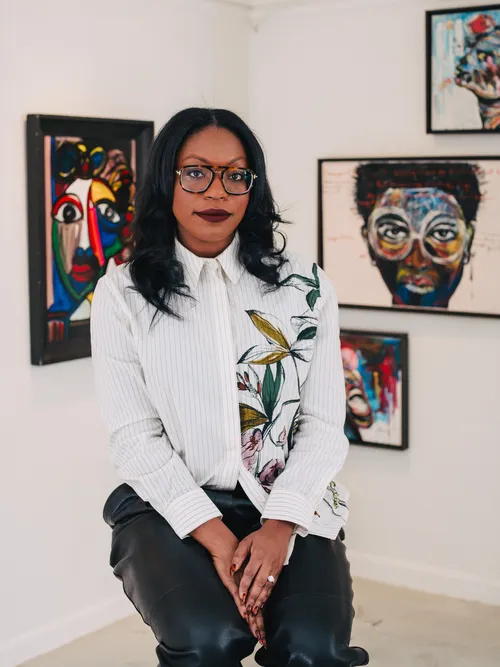
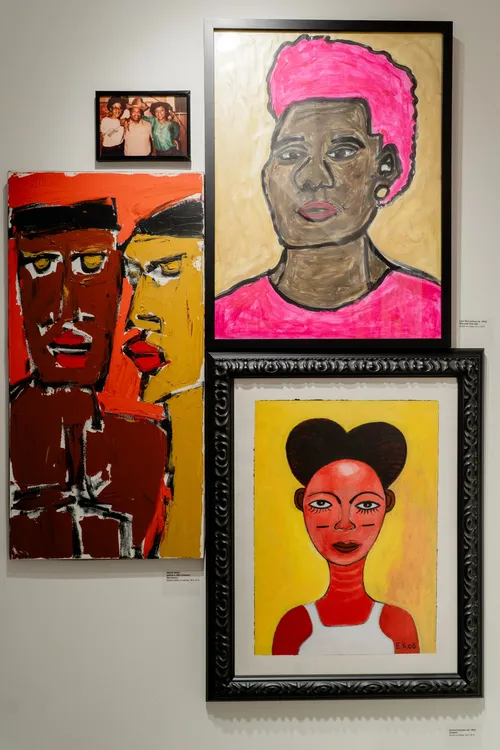
Shardé Marchewski began collecting art a decade ago during a trip to Accra, Ghana. “It was my first time in Africa, and I wanted to leave with something special,” she recalled. After spotting three works on Facebook by the then-emerging Otis Kwame Kye Quaicoe, she visited the Artists Alliance Gallery and purchased them for $450. “I was quite proud of myself and felt that this was my first ‘adult’ art purchase,” Marchewski said. “Those pieces have appreciated by over 10,000 percent. I fell in love with Otis's work because of the beauty of his craftsmanship, and I am so proud that he was my introduction into the art world.”
Unsurprisingly, Marchewski’s decade in e-commerce informs her approach to buying art. She is also a business founder and specialist in diversity, equity, and inclusion. “I feel the most comfortable purchasing art online, and this is 100 percent influenced by my time at Wayfair,” she said.
Using platforms like Artsy, she strategically engages—liking, saving, following—leveraging algorithms to refine her exposure. Yet travel remains essential; she and her husband, who have visited over 50 countries, always make time to visit local galleries.
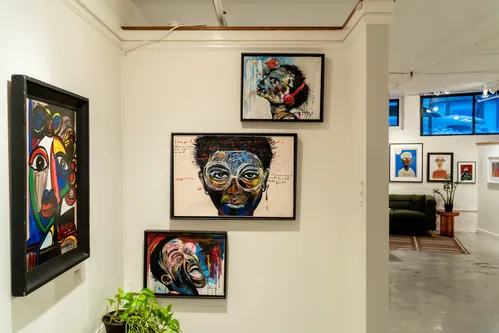
In 2020, amid COVID isolation, the murder of George Floyd, and the birth of her first child, the focus of her collecting sharpened. “I had this unsettling feeling—Black people and Black culture were under attack, and I needed to do something,” she said. “My gut told me to preserve our culture and to protect it at all costs. I started collecting artifacts more intentionally.”
She began acquiring works and historical artifacts that safeguard Black cultural legacy, including pieces by David Driskell and Brandon V. Lewis, an artist from Marchewski’s hometown of Baton Rouge. In a nod to her husband’s East German heritage, the couple also buys work by artists like A. R. Penck and Max Pechstein. Many pieces from their collection are now on view in “In Our Image” at the ShowUp Curatorial Incubator Program in Boston, which runs through March 1st.
“Art is both legacy and language,” Marchewski added. “If you stroll through my art collection, you will see very clearly a story of me, my ancestors, and the future generations to follow.”
Sarah Maryam Moosvi
VP of Marketing for GKIDS
New York
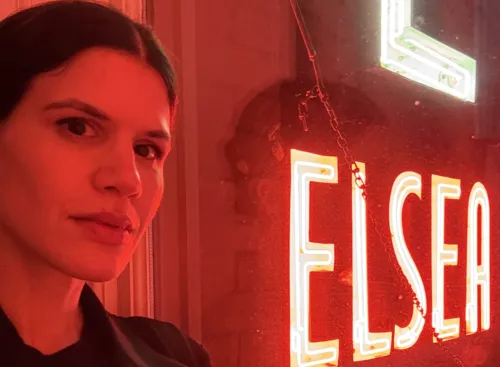
Though she purchased her first artwork in 2011, Sarah Maryam Moosvi marks 2020 as a pivotal year for her collecting. “Like many others that year, a moment of remote creative collaboration set me on this path,” she said.
At the time, she collaborated with Pindar Van Arman, Kitty Simpson, and an autonomous robot to create Sarah MMXX (2020), an AI digital portrait that evokes the Roman god Janus with two faces.
In her professional life, Moosvi works as a marketing executive for the film and television distributor GKIDS. As a collector, Moosvi prioritizes “proximity to an artist’s thinking and sustained engagement with their practice,” she said.
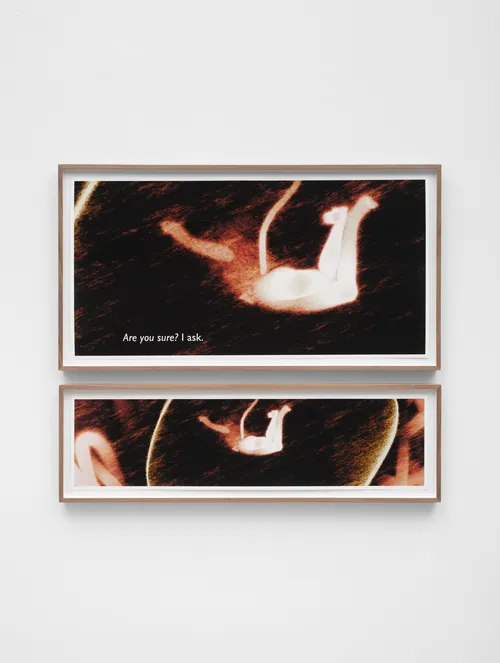
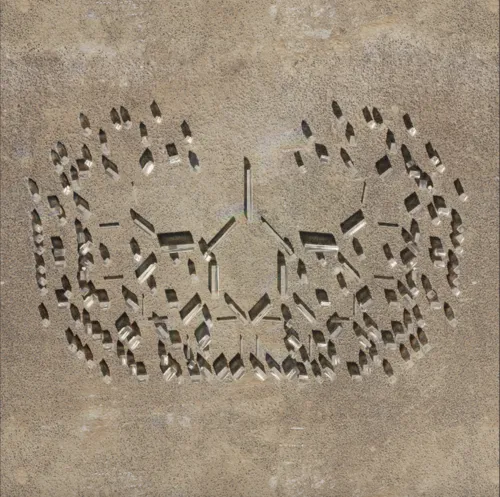
She attends salons hosted by galleries like Heft, bitforms, and Office Impart, which she considers “a critical part of cultural infrastructure.” Early guidance from artists like Sasha Stiles and curators such as Regina Harsanyi shaped her focus on generative and time-based media, informing her broader institutional engagement, including her role as a trustee at the Museum of the Moving Image.
“My work with technology sharpens my attention to infrastructure—how digital systems shape visibility, authorship, and preservation,” she said. She closely follows emerging tech models and considers how metadata and context allow born-digital works to circulate meaningfully.
“For me, collecting is a form of cultural strategy,” she explained, “a way to influence what remains visible, legible, and possible within a world increasingly mediated by machines.”
