

Close Menu
  • News
  • Stocks
  • Bonds
  • Commodities
  • Collectables
    • Art
    • Classic Cars
    • Whiskey
    • Wine
  • Trading
  • Alternative Investment
  • Markets
  • More
    • Economy
    • Money
    • Business
    • Personal Finance
    • Investing
    • Financial Planning
    • ETFs
    • Equities
    • Funds

Subscribe to Updates

Get the latest markets and assets news and updates directly to your inbox.

Trending Now

Native Americans Played Dice Games Far Earlier Than Previously Known, Study Shows

April 14, 2026

New Orleans Galleries’ Spring Sale Blooms With Modern and Contemporary Works

April 14, 2026

The International Energy Agency is really worried about the global oil market

April 14, 2026
Facebook X (Twitter) Instagram
The Asset ObserverThe Asset Observer
Newsletter
LIVE MARKET DATA
  • News
  • Stocks
  • Bonds
  • Commodities
  • Collectables
    • Art
    • Classic Cars
    • Whiskey
    • Wine
  • Trading
  • Alternative Investment
  • Markets
  • More
    • Economy
    • Money
    • Business
    • Personal Finance
    • Investing
    • Financial Planning
    • ETFs
    • Equities
    • Funds
The Asset ObserverThe Asset Observer
Home»Art Market
Art Market

Native Americans Played Dice Games Far Earlier Than Previously Known, Study Shows

News RoomBy News RoomApril 14, 2026
Share
Facebook Twitter LinkedIn Pinterest Email

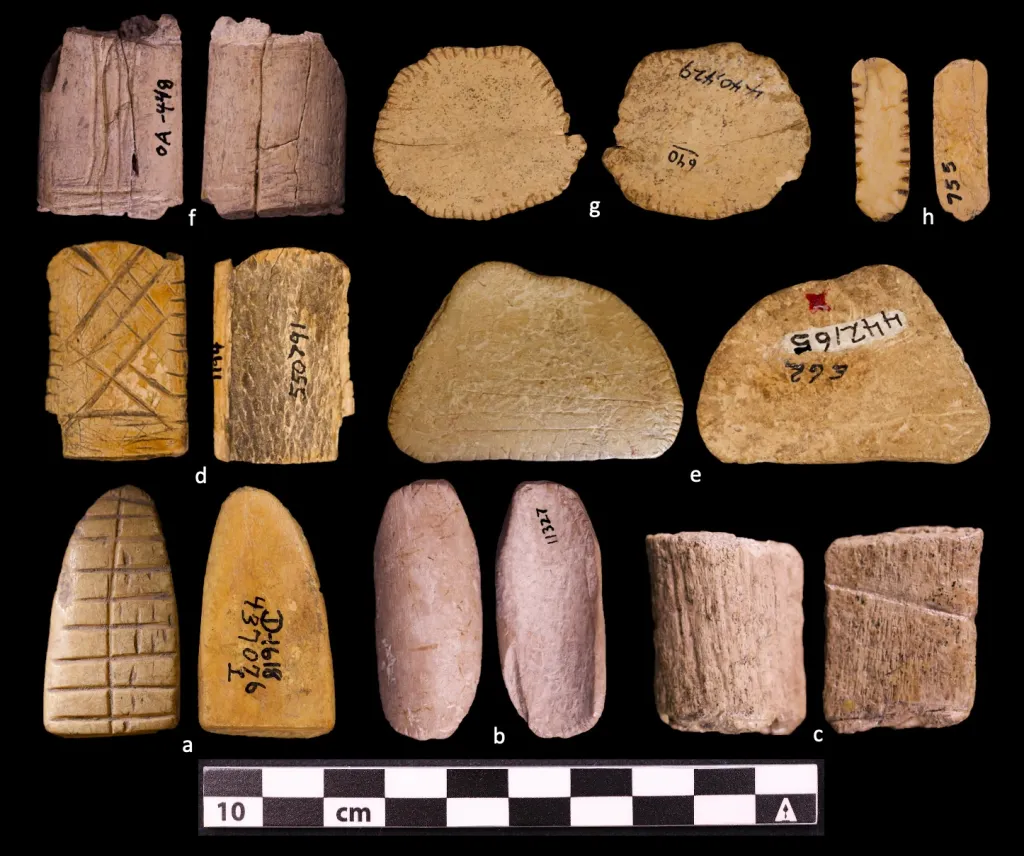
Native Americans were using dice for gaming long before Bronze Age societies in the Old World, according to a new Colorado State University study. Research published in the journal American Antiquity by Robert J. Madden, a PhD student at CSU, presents evidence that dice were made by hunter-gatherers on the western Great Plains more than 12,000 years ago.

Games of chance are considered humanity’s earliest structured engagement with the idea of randomness, the intellectual precursor to probabilistic thinking. Until now, they were thought to have originated in the complex societies of Mesopotamia and the Indus Valley beginning around 5,500 years ago.

Aware that Native Americans have a long history of dice games, Madden created a checklist of specific attributes of historical Native American dice to reclassify older artifacts. “We had a body of literature that carried [the use of dice] all the way back to about 2,000 years before the present,” Madden told CSU’s The Audit podcast, “but it broke down at that point. That got me interested in seeing what I could do to trace this back. How old is this actually?”

The earliest examples identified in the Madden’s study come from archaeological sites in Wyoming, Colorado, and New Mexico dating to roughly 12,800–12,200 years ago. Unlike modern six-sided dice, ancient Native American dice were made of bone or wood and two-sided, with each face distinguished from the other by markings or coloration. When thrown, they would reliably land on one side or another, producing a binary result.

Madden notes that these dice games have persisted, saying “That’s one of the remarkable things about this. Usually, if you see a practice from a few thousand years ago, it’s exceedingly rare to see it continue. With dice, we’re talking about a practice that we now know goes back to the late Pleistocene, 12,000 years ago. These games are continuing. You can go on YouTube right now and find videos of groups getting together and playing these games.” 

Share. Facebook Twitter Pinterest LinkedIn Tumblr Email

Keep Reading

New Orleans Galleries’ Spring Sale Blooms With Modern and Contemporary Works

Joyce Awards to Relaunch After Yearlong Pause with $100,000 Unrestricted Grants for Great Lakes Artists

Miami Beach’s Bass Museum picks architect for new pavilion – The Art Newspaper

Hampshire College, Whose Alumni List Includes Many Well-Known Artists, to Close After 51 Years

Marcel Duchamp readymades show to inaugurate new Gagosian Upper East Side gallery.

After Five Years of Community Building, Social Practice CUNY Initiative to End in 2027

Artists Criticize Somalia’s First-Ever Venice Biennale Pavilion: ‘This Pavilion Does Not Speak for Us’

Marc Restellini’s ‘atom bomb’ of a Modigliani catalogue raisonné is finally published – The Art Newspaper

FKA Twigs, Brian Eno and Dev Hynes to show in the Vatican Pavilion at the 2026 Venice Biennale.

Recent Posts
  • Native Americans Played Dice Games Far Earlier Than Previously Known, Study Shows
  • New Orleans Galleries’ Spring Sale Blooms With Modern and Contemporary Works
  • The International Energy Agency is really worried about the global oil market
  • Joyce Awards to Relaunch After Yearlong Pause with $100,000 Unrestricted Grants for Great Lakes Artists
  • Miami Beach’s Bass Museum picks architect for new pavilion – The Art Newspaper

Subscribe to Newsletter

Get the latest markets and assets news and updates directly to your inbox.

Editors Picks

New Orleans Galleries’ Spring Sale Blooms With Modern and Contemporary Works

April 14, 2026

The International Energy Agency is really worried about the global oil market

April 14, 2026

Joyce Awards to Relaunch After Yearlong Pause with $100,000 Unrestricted Grants for Great Lakes Artists

April 14, 2026

Miami Beach’s Bass Museum picks architect for new pavilion – The Art Newspaper

April 14, 2026

Hampshire College, Whose Alumni List Includes Many Well-Known Artists, to Close After 51 Years

April 14, 2026
Facebook X (Twitter) Instagram
© 2026 The Asset Observer. All Rights Reserved.
  • Privacy Policy
  • Terms
  • Press Release
  • Advertise
  • Contact

Type above and press Enter to search. Press Esc to cancel.