


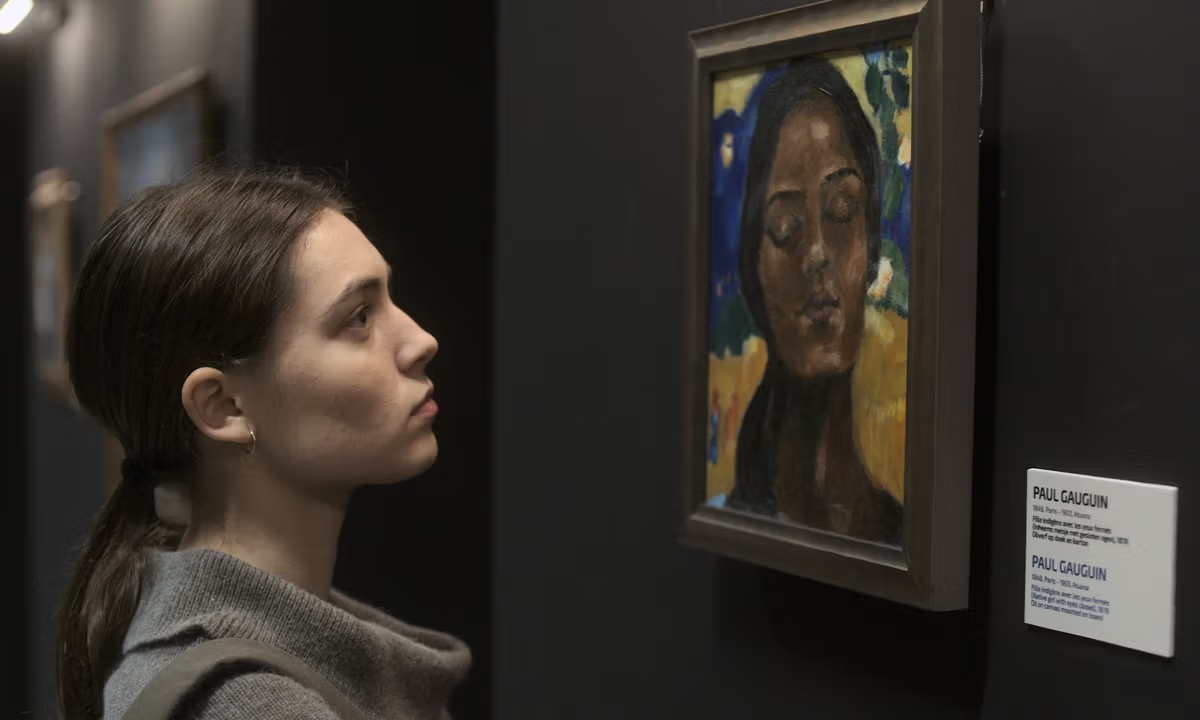
In 2012, Romanian thieves pulled seven paintings by Pablo Picasso, Henri Matisse, Claude Monet, Paul Gauguin and others from the walls of the Kunsthal Rotterdam. The job that seemed too easy turned out not to be. The men who were caught went to prison. The paintings, which they took to Romania, were never recovered. Investigators say the art was burned to destroy evidence.
Jaful Secolului (Traffic, 2024), now making the rounds at US film festivals, is a Romanian heist film inspired by that failed gambit and linked to the plight of migrant workers from the East in Western Europe. The film is Romania’s national selection to compete for the Best International Film Oscar at next year’s Academy Awards.
The film’s title in Romanian translates to “The Heist of the Century” and it is a marketing miracle that it had its New York debut on 3 December (during Making Waves, the city’s annual showcase of Romanian cinema), not long after the brazen theft of crown jewels from the Musée du Louvre in Paris.
A scene from Jaful Secolului (Traffic) Courtesy SBS International
Traffic was conceived after the 2012 robbery in Rotterdam, says the film’s director Teodora Ana Mihai, and filmed long before the recent Louvre heist, yet the two stories share similarities. In the Louvre robbery and in Traffic, both groups of suspects are immigrants or are from immigrant families. The film’s director lived the immigrant experience as a Romanian who grew up in Belgium; its star, Anamaria Vartolomei, is a Romanian who was raised in France.
In Traffic, Natalia (Vartolomei) works in Belgium in a vast tent where vegetables are grown. Her partner Ginel, deep in debt, sorts trash dumped from garbage trucks and drives drug dealers around town for cash. Money is scarce. Natalia’s boss asks her to work late one evening serving drinks “and other things”. She is approached by the local museum director, then carried off and assaulted by two other men. Desperate for money, she considers prostitution, as other Romanian women have. A longtime friend named Ita sees another opportunity in a local museum, where a locked door opens with a slight push.
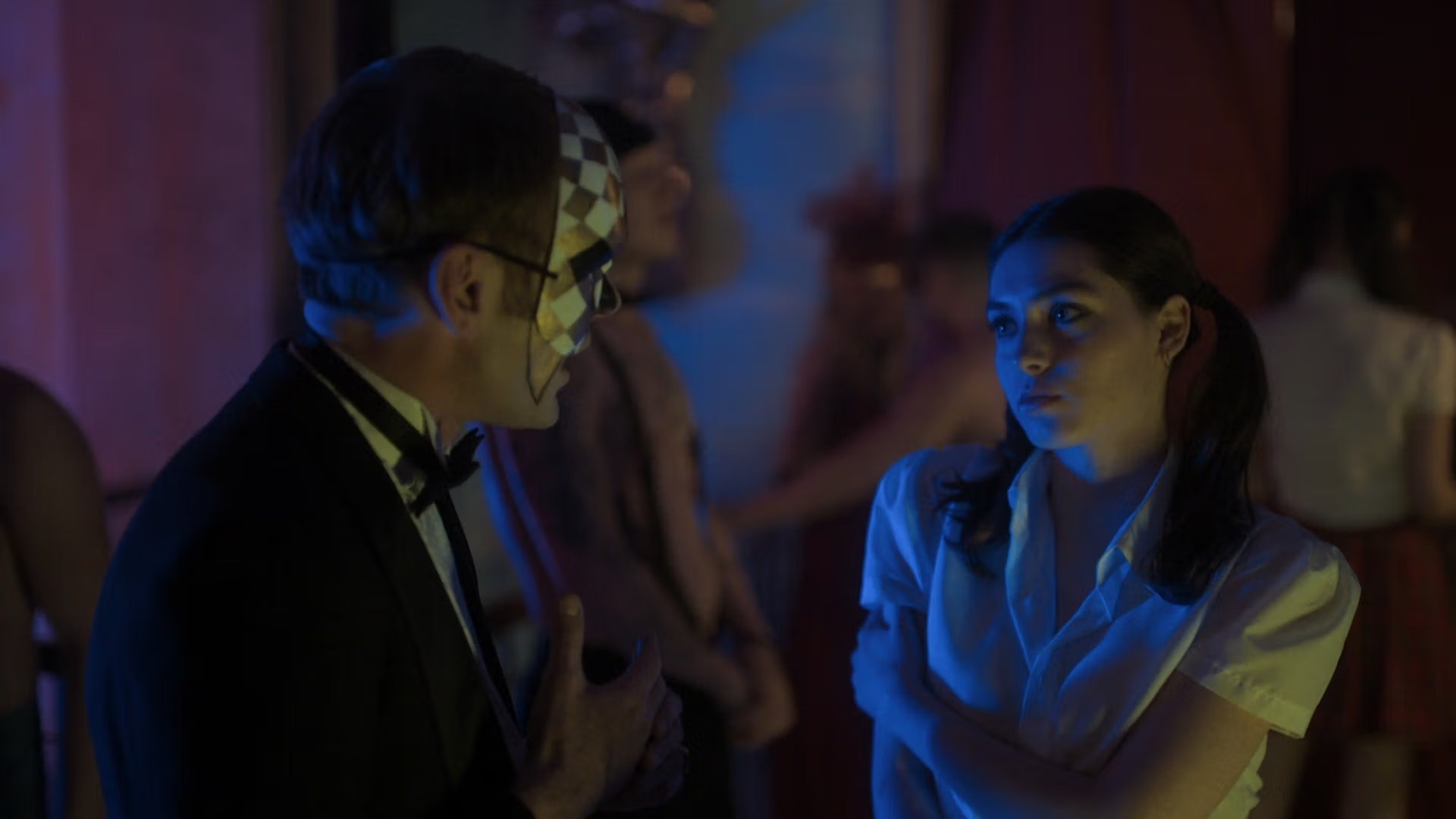
A scene from Jaful Secolului (Traffic) Courtesy SBS International
Ita and another Romanian friend enter the museum late one night and, in a few minutes, grab seven paintings chosen mostly by size then evade the police with Ginel at the wheel. Selling the pictures in Holland proves hard, and Natalia and Ginel return to their gloomy town in the Danube delta—empty from migration—with the art hidden in cushions, then bury the works in a graveyard. The police soon find the thieves, but not the paintings.
Traffic’s script and the details of the Kunsthal Rotterdam heist diverge throughout. In reality, the mother of one of the thieves, who hid the works, told police that she burned them, but later recanted her testimony. Police found burned frames and nails at her home. News reports and the subsequent trials focused on the paintings’ value—the works’ insurer paid out €18m—and on the alleged burning of evidence.
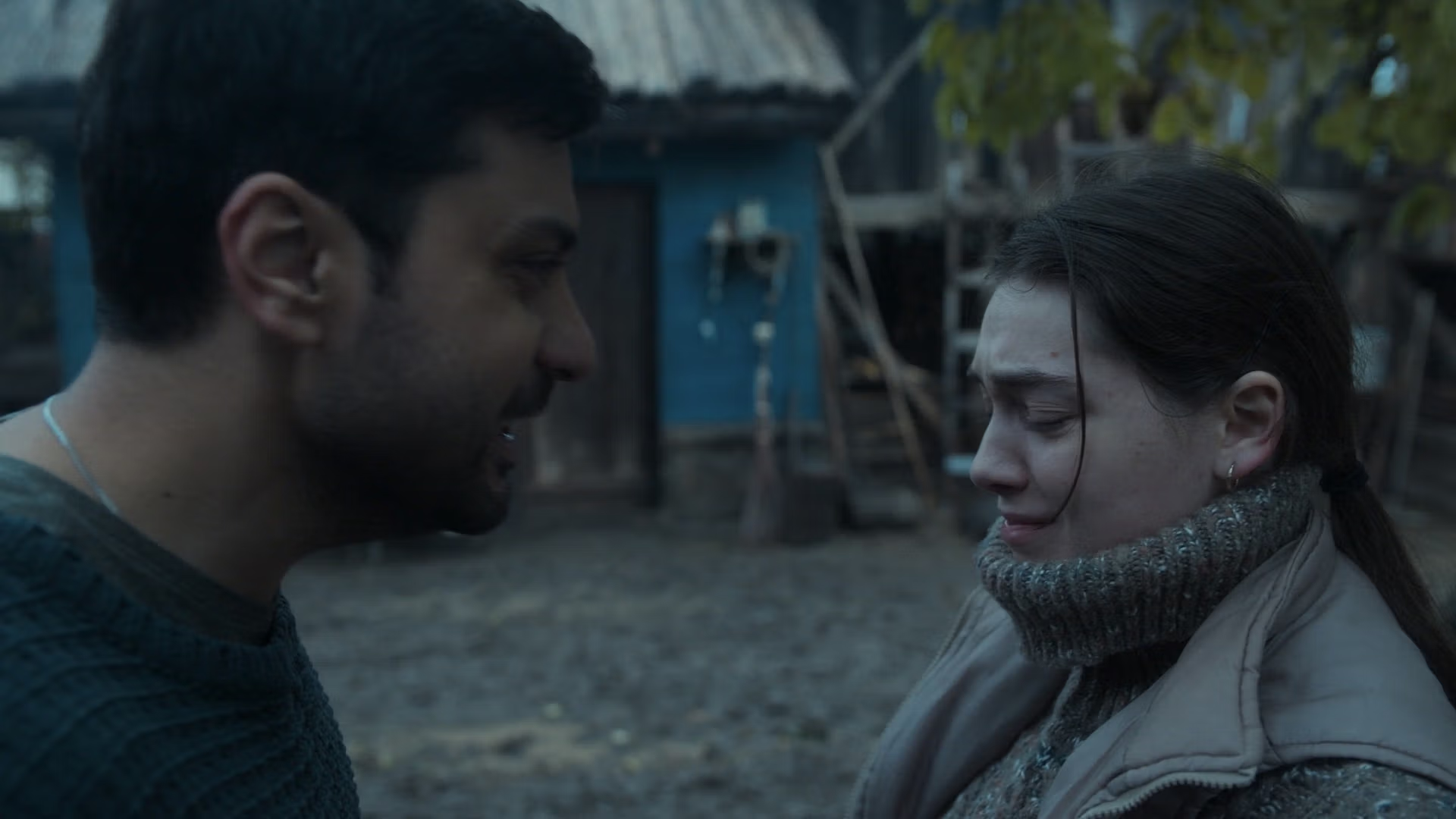
A scene from Jaful Secolului (Traffic) Courtesy SBS International
Mihai says she and screenwriter Cristian Mungiu (one of Romania’s most successful film-makers) made sure their story never strayed far from the tough immigrant life that might make such robberies worth contemplating.“They’re thieves in a survival mode who don’t even know what they have on their hands,” she says. “The point is that you cannot even compare people who are cultured and who are born in privilege with people who dream about these luxuries and this privilege, but who were born in the wrong bed.”
Mihai notes that the film has been received better in Eastern Europe than in the West. It plays as a drama, often darkly comic, rather than a polemic. The character of Ita, leading the thieves, “is a kind of wrong Robin Hood character who obviously has a plan that goes way beyond just earning money with it. He wants some kind of revenge,” she says.
The film ends at a moment when art becomes less important for one character than family ties. It could be a hard lesson to accept for Western European and North American audiences that see museums as sacred places. It is one of several surprises that make Traffic more than just another art heist movie.
Watch the trailer for Traffic:
- Traffic recently screened at Making Waves in New York and will show next at the Palm Springs International Film Festival, 2-12 January 2026
