


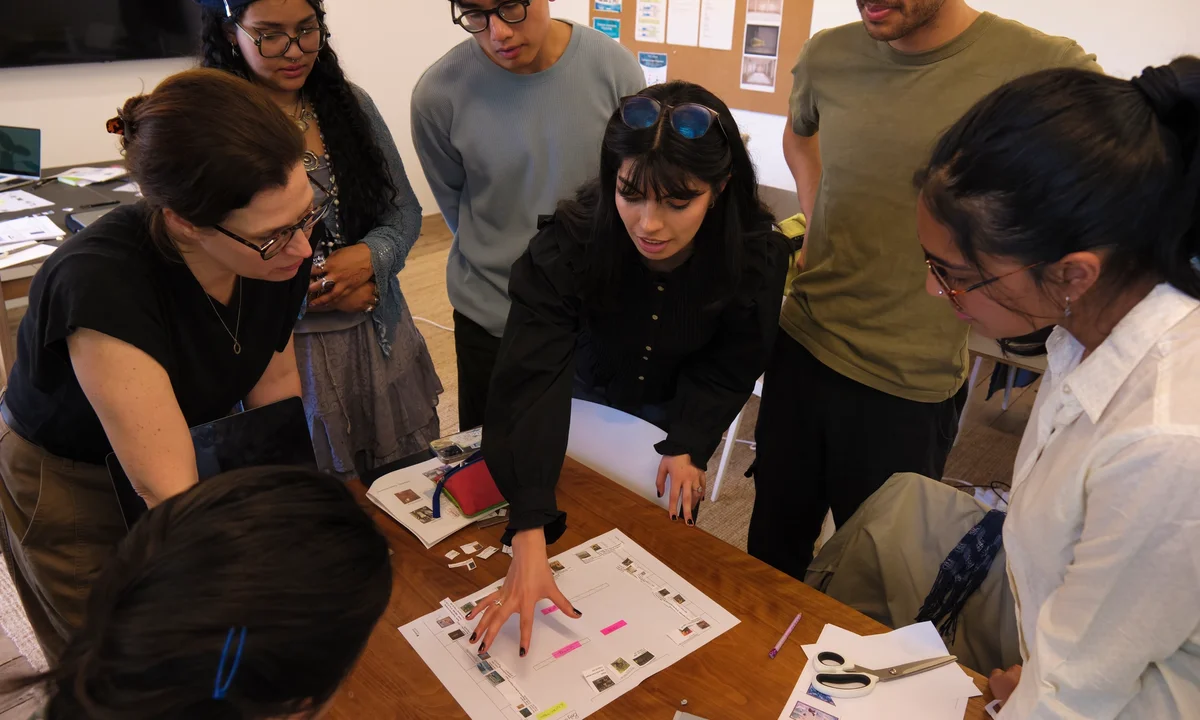
A new generation of curators from disadvantaged socio-economic backgrounds is set to benefit from a £3m grant from the Russian-born billionaire philanthropists Anastasia and Igor Bukhman. The couple, who left Russia in 2014 and are now based in London, have pledged the grant to the New Curators training programme, ensuring the education of more than 30 aspiring curators from around the world over the next three years.
With this donation, “the long-term future of New Curators is secure”, says Mark Godfrey, who co-founded the scheme in 2022 at the South London Gallery with fellow former Tate specialists Kerryn Greenberg and Rudi Minto de Wijs. Since then, the programme has supported 33 curators who have organised exhibitions in London institutions by artists including Firelei Baez, Duane Linklater and Tanya Lukin Linklater and, later this year, by Kang Seung Lee.
The Bukhmans, who both grew up in Vologda, a small town in north-eastern Russia, are fast becoming two of the biggest philanthropists supporting the London art scene. The family fortune comes from Igor, 44, and his brother Dimtry, 40, who founded the mobile games developer Playrix in 2004. Last year, the Bukhman Foundation announced a gift of £1m to London’s National Portrait Gallery, which is funding the purchase of portraits of living people for the museum.
But supporting the New Curators scheme has the potential to transform the art world from the bottom up. As Anastasia Bukhman points out, access to careers in the arts and culture sector “is still far from equal”. She adds: “That disparity has real consequences for how art reflects the present and imagines the future.”
Godfrey, who left the Tate as a curator in 2021, says the Bukhmans’ backing has “enabled us to create a platform for emerging curators at a time when there is a clear need for greater access and representation within the sector”. According to recent research by the Creative Industries Policy and Evidence Centre, only 5.2% of people working in UK museums, archives and libraries are from working-class backgrounds.
Having been supported by private philanthropists from the start, Godfrey says it seemed “appropriate and important” to ask the Bukhmans to also support the training of curators, “as young curators will go forward to do work with artists, exhibitions, collections and art audiences”. He adds that the programme’s supporters to date “have enjoyed watching the growth of our start-up because we have been dynamic and highly responsive to the changing issues facing curators today”.
Going forward, Godfrey says the vision “is to keep adapting the content of the course to the changing questions impacting on curatorial life”. Meanwhile, the long-term plan is to build a community of alumni working in museums, biennials and kunsthalles as well as small, independent institutions. Collaboration, Godfrey thinks, could be key. As he puts it: “We hope fellows from different cohorts will continue working with each other. Who knows—New Curators might even curate major international biennials together!”
