


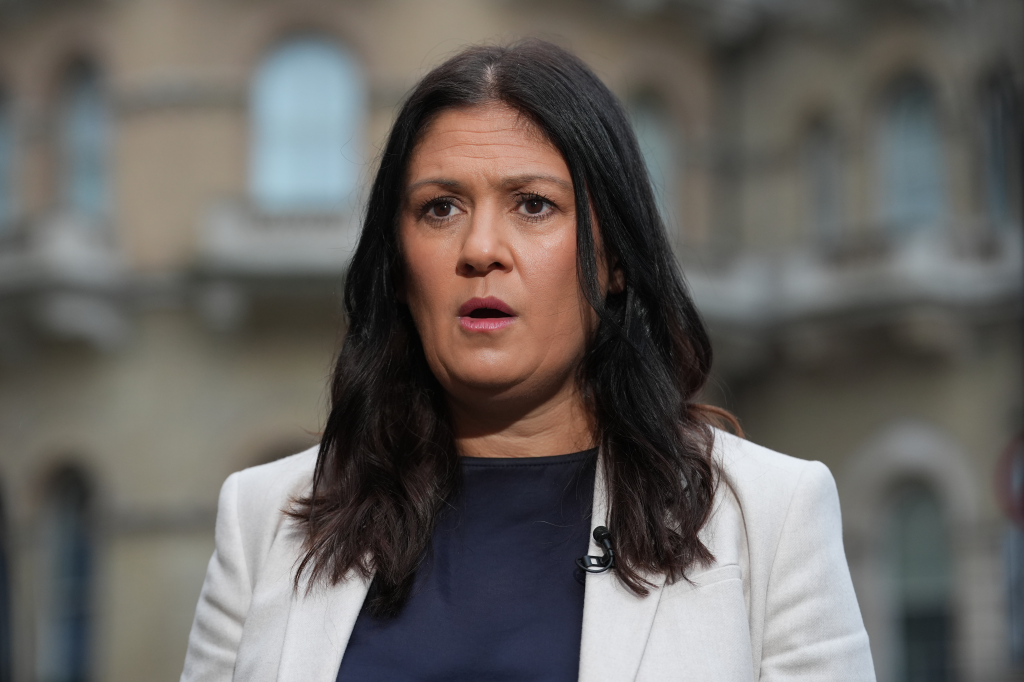
London museums are being urged to extend their reach across the country, as culture secretary Lisa Nandy announced a landmark £1.5 billion funding package for the arts on Wednesday. National institutions, including the British Museum and the National Portrait Gallery, will receive £600 million, but Nandy emphasized that the investment comes with a responsibility to engage audiences outside the capital.
“Almost all of our national institutions are based in London, which means they need to work harder to make sure that they are genuinely national institutions, opening opportunities for young people from every part of our country,” she said in a statement. Nandy praised the Royal Shakespeare Company’s outreach work as a model for nationwide engagement: “We are building the doors, but now you need to throw them wide open to the whole community.”
The funding aims to repair the UK’s creaking cultural infrastructure and is described as the largest reset in the arts for a generation. It follows decades of constrained budgets, including a 30 percent reduction in Arts Council England (ACE) funding in 2010 and a previously announced £270 million investment.
The package includes £425 million for a Creative Foundations Fund to support roughly 300 capital projects at arts venues nationwide, £160 million for local and regional museums, £230 million for the heritage sector, and £27.5 million for public libraries. National portfolio organizations will also receive an additional £80 million over the course of this parliament.
In a statement, Darren Henley, chief executive of ACE, described the package as an investment will “ensure creative opportunities for generations to come.”
However, the plan has drawn some criticism from unions, with Mike Clancy, general secretary of Prospect, arguing that it focuses too heavily on buildings rather than the people who bring culture to life. “This sector is facing an ongoing and intractable crisis in pay and retention which has to be addressed,” he said.
Nandy also signaled support for recommendations from a recent review of ACE by Margaret Hodge, which highlighted a “loss of respect and trust” in the council due in part to perceived political interference. The culture secretary called the proposals “a really welcome shake-up of a sector that has been underfunded, undervalued, and underutilised for too long.” She framed the funding as a historic moment comparable to post-World War II cultural rebuilding.
