


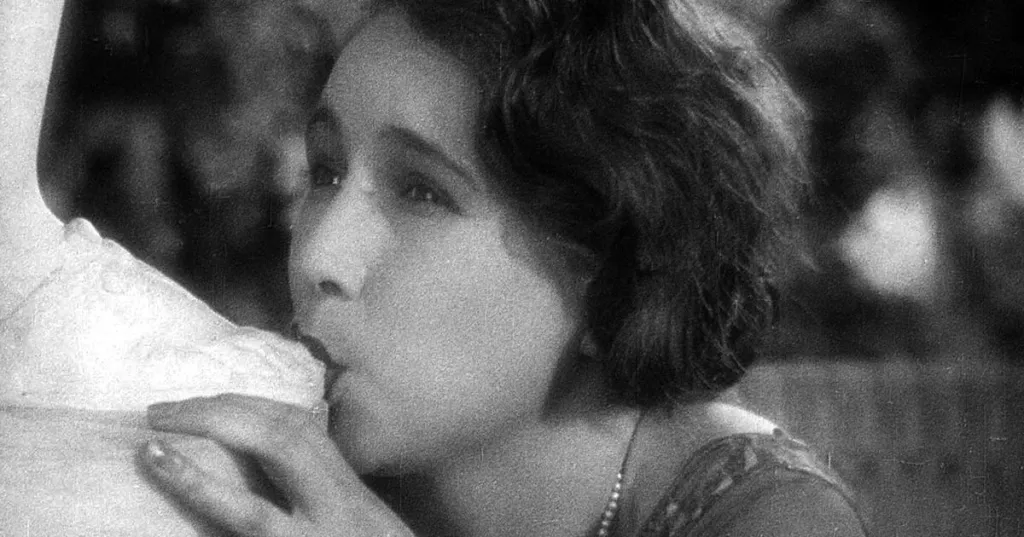
With each passing year, new artworks are shorn of their copyright protections and entered into the public domain, allowing them to be used freely, without express permission from the estates that steward these pieces. This year, pieces by Salvador Dalí, José Clemente Orozco, and others of note have officially joined the public domain.
There are some important exceptions about how these artworks can be used, however. In theory, in keeping with US copyright law, which states that a copyright lifts after 95 years unless it is renewed, any artwork produced in 1930 would now be rid of protections guiding it.
But as Duke University’s Center for the Study of the Public Domain notes every year on what it terms Public Domain Day, copyright is a notoriously finicky thing in this country, related both to when an artwork was made and when it was released to the public and whether an estate or guiding entity has renewed the legal rights to a given piece. (This year’s Duke list also applies to the artworks themselves, and not specific high-quality images of them, whose rights are often stewarded by organizations that work with artists’ estates.)
Still, all those caveats have not kept some major works in multiple fields from entering the public domain. William Faulkner’s groundbreaking 1930 novel As I Lay Dying joined the public domain this year, as did Sigmund Freud’s 1929 philosophical tract Civilization and Its Discontents and the 1930 Marx Brothers classic Animal Crackers. So too did a range of cartoon characters this year, including Betty Boop and Rover, the Disney dog who was later rechristened Pluto.
Below are six artworks that are entering the public domain this year, according to Duke’s list.
