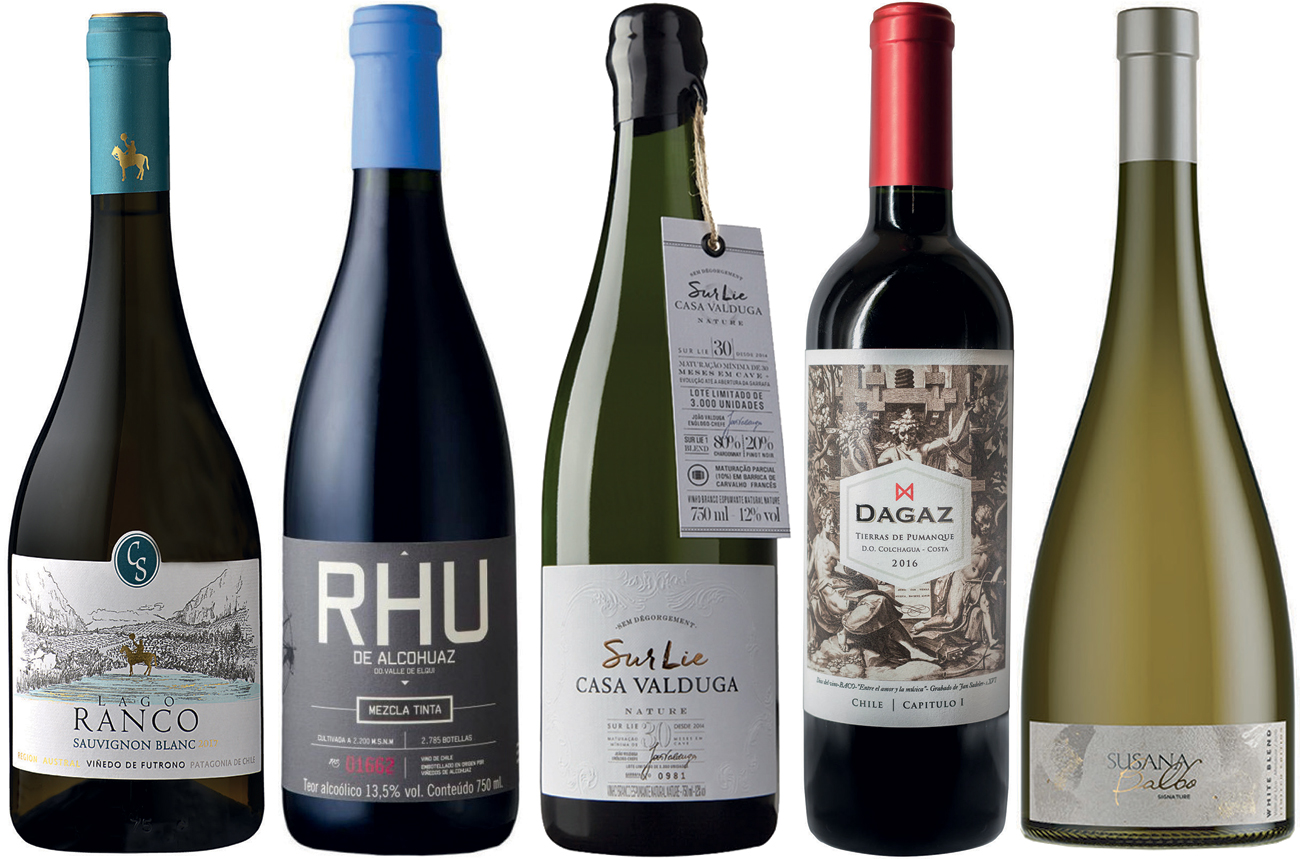







Get me a glass of Malbec.’ ‘Add a bottle of Sauvignon Blanc to the shopping list.’ ‘I love a good Cabernet.’
Grape varieties have become shorthand for the wines we feel like drinking, sometimes not really giving much thought to their origin or producer.
Sure, the Malbec will be from Argentina. The Sauvignon Blanc? Maybe from Chile – or New Zealand, or the Loire.
The ubiquity of varietal-labelled wines has created an easy way to communicate with consumers. At the same time, however, it has also hindered an engagement with the beautiful, sometimes messy, reality of the vines and people behind them.
This is particularly true in South America, where the development of viticulture is woven into the complex narrative of colonisation.
Single-varietal wines stood for a sense of modernity that seemed to overcome a fractured, contentious past. But things have been rapidly changing in the last decade, as both viticultural and geopolitical heritages are reassessed.
‘South America, and Argentina in particular, followed the Californian [variety-based], rather than the European [origin-based] model, of marketing wines,’ explains 2024 Decanter Hall of Fame recipient Susana Balbo, who, in addition to leading her successful winery, served three terms as president of Wines of Argentina between 2006 and 2016.
‘When we were looking at how to raise our profile in export markets, we did a number of studies and that was the direction that was chosen. In many ways it worked; Argentinian Malbec became a success all over the world. But now we need to overcome that success. We were very comfortable [with the varietal focus] for 20 years, but luckily we’re being forced out of our comfort zone.’
Injecting creativity
Overcoming that success, Balbo and others argue, means engaging with the nuances of terroir and the diversity of grape varieties that make the South American landscape and history both diverse and unique.
Signs of this change in perspective are palpable and have yielded South America’s ‘white wine revolution’ and ‘Criolla revival’. Underpinning these ‘movements’ is a slow but sure shift from single-varietal wines to blends – from prescriptive, technical winemaking to a creative, personal response to terroir.
‘Blends force you to think and speak about wine differently,’ continues Balbo. ‘They inherently tell stories and individual perspectives, rather than “packaged” messages about grape varieties. This is particularly important because we need to champion our heritage – now more than ever.’
Balbo has put this philosophy into practice. As the creator of South America’s first fine white blend based on the Criolla variety Torrontés (her Signature White Blend), she tapped into and, in a way, catalysed many of the ongoing changes.
Blends also bring to the forefront the incredible wealth of old vineyards that South America is home to, and the diverse genetic material that they contain.
Sisters Laura and Adrianna Catena have been fierce advocates for this stock of massal selections (vines propagated by taking cuttings from the best existing vine stocks), which they argue calls into question the notions of Old versus New World that structure orthodox wine discourses.
‘People often think of Europe as the classical source of old grapes, and therefore fine wine,’ says Laura Catena.
‘Without knowing that in fact most of Europe’s vineyards are mono-clonal, relatively new plantings. Meanwhile, in South America we have these incredible, truly old and in many cases ungrafted, massal selections.’
The sisters argue that not only does this bring a different kind of complexity to the wines, but it also lends them a symbolic value that goes well beyond what’s in the glass.
They echo Balbo’s view that heterogeneity forces a different way of talking and engaging with wine, focused on narrative rather than labels.
From California to Bordeaux

In counterpoint to the varietal focus that informed export-growth strategies, as South America’s producers began to toy with the idea of fine wine during the 1990s, Bordeaux was undoubtedly the role model.
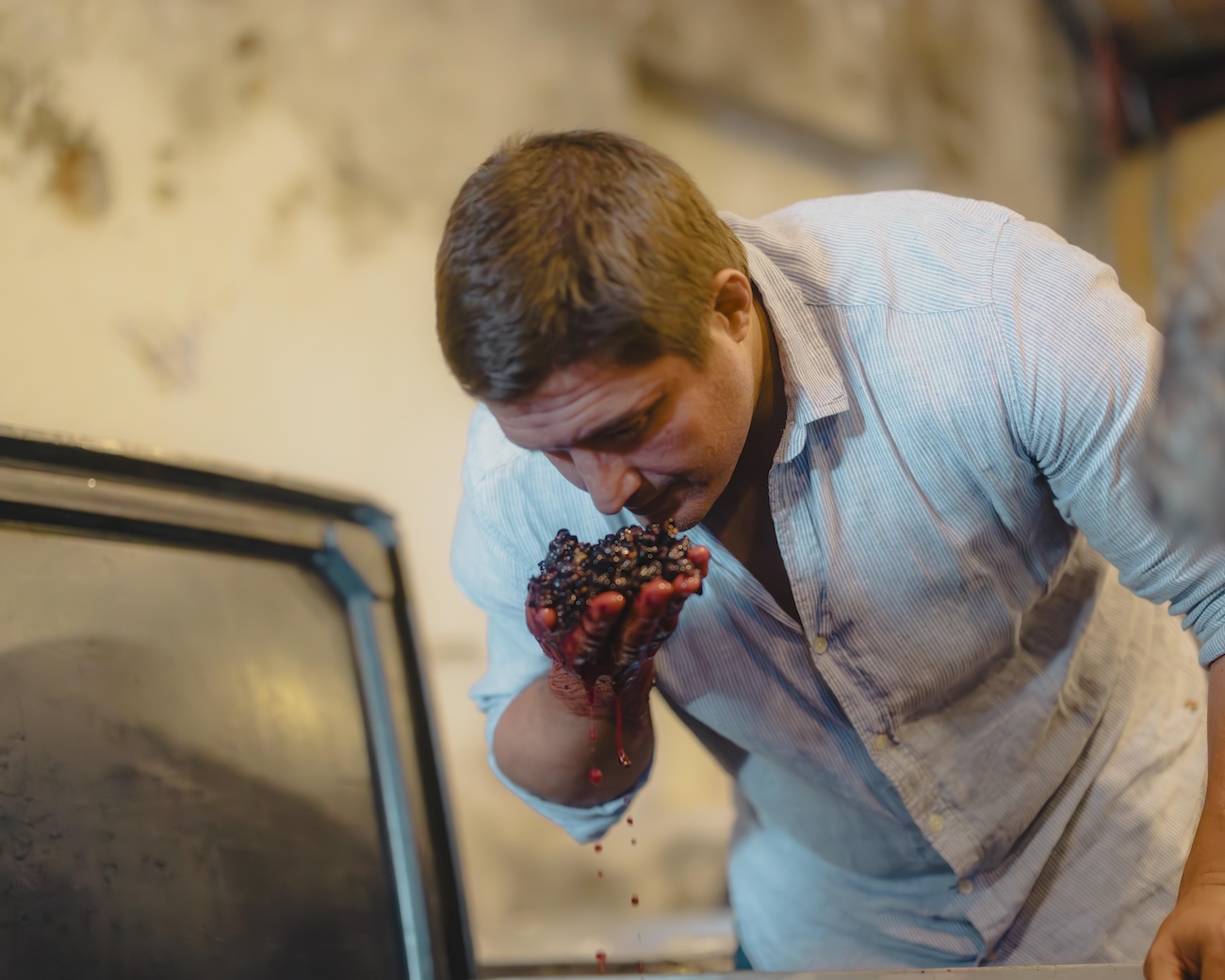
Star consultants such as the late Michel Rolland, Paul Hobbs and Alberto Antonini were brought in to produce Cabernet Sauvignon-based blends in Chile and Argentina, only to be surprised by the allure of extreme terroirs that yielded particular expressions of the classical varieties.
If some (Rolland, for example) remained faithful to a signature framework, most winemakers were taken in by the idiosyncrasies of the South American landscapes, laying the groundwork for truly South American classics such as Seña and Nicolás Catena Zapata.
The emergence of a new generation of extremely talented and globally well-travelled local winemakers only helped these wines to evolve into a character of their own, rather than being derivative, Bordeaux-informed iterations.
This also meant, almost inevitably, that Cabernet’s protagonism began to be questioned, not least because varieties such as Tannat and Carmenère found such a strong – and arguably more alluring and nuanced – character away from French climes.
Again, their interpretation has changed significantly over the past few years, increasingly attuned to place and to the synergetic potential of blending.
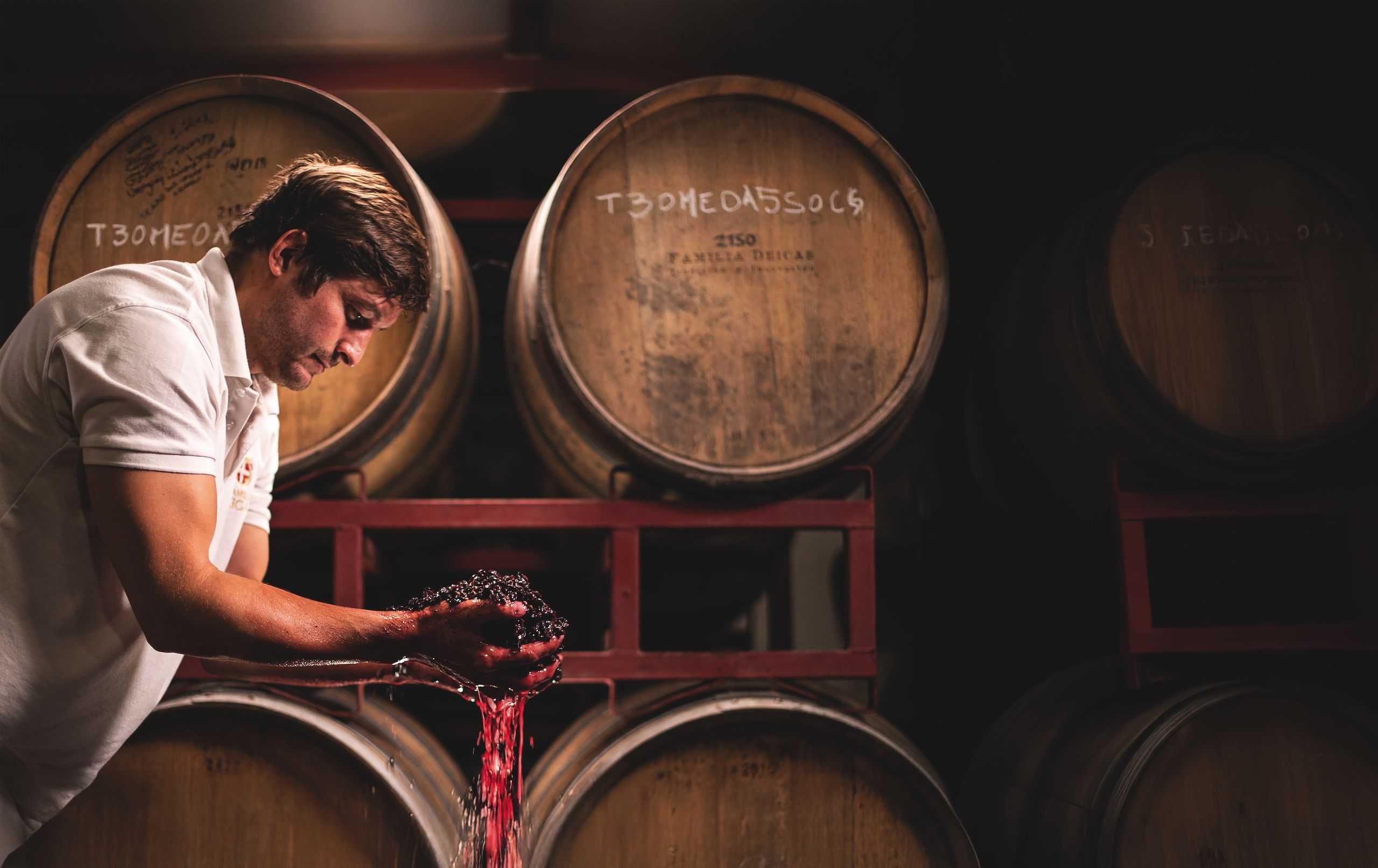
Santiago Deicas, third generation at the helm of his family’ eponymous Uruguayan winery, explains the evolution through two Tannat-based blends produced by Deicas.
‘Preludio [Gran Vino de Corte] was born from my father’s urge to produce a fine, classical, Bordeaux-inspired blend,’ he says.
‘With [Extreme Vineyards] Subsuelo Corte Unico, I really want to convey the essence of our vineyards.’
Reclaiming Malbec

The way in which Deicas discusses his wines is symptomatic of the overall change of mindset to which Balbo alluded.
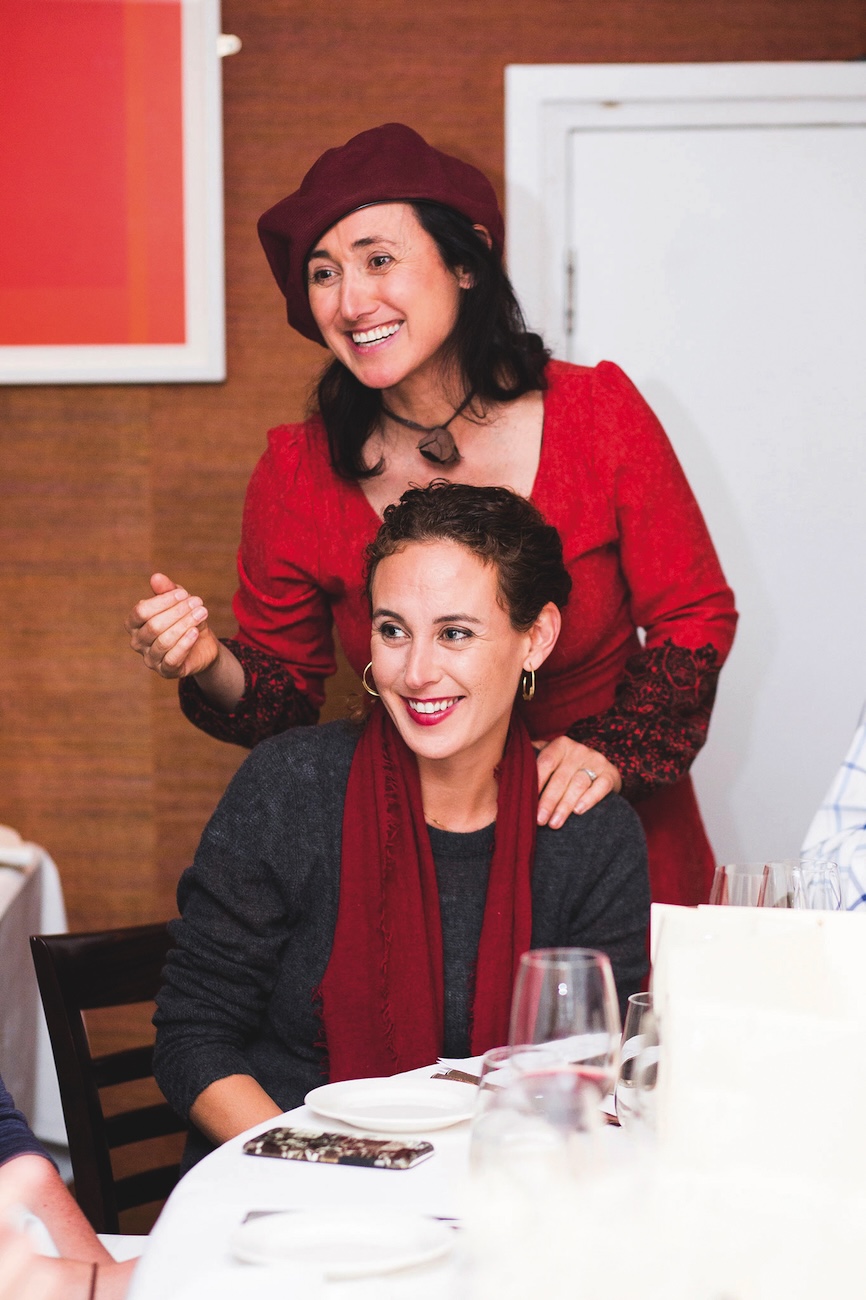
‘Blends change the tone of the conversation,’ Balbo says. ‘They evoke an identity and individual expression. They challenge [the consumer], while creating possibilities and more intrigue. There’s no script. If you can’t talk about the Malbec or the Tannat or the Chardonnay, you’re forced to talk about your feelings and perception.’
This is true for consumers as much as for producers, whose terroir and blending explorations have actually allowed for a better understanding of each variety – not least the mighty, and so often misunderstood, Malbec, which is in many ways being rediscovered through the lenses of terroir on the one hand and stylistic plasticity on the other.
The latter has seen producers experiment with fermentation vessels, ageing regimes and maceration times, focusing less on extraction and power, and instead seeking more purity, focus and drinkability.
In the pursuit of balance, the genetic diversity of old massal selections has proven an invaluable asset, ultimately highlighting the potential of blending – either in the vineyard or in the cellar.
This is arguably allowing for Malbec to be reclaimed as a variety rather than a ‘brand’.
Singular identities

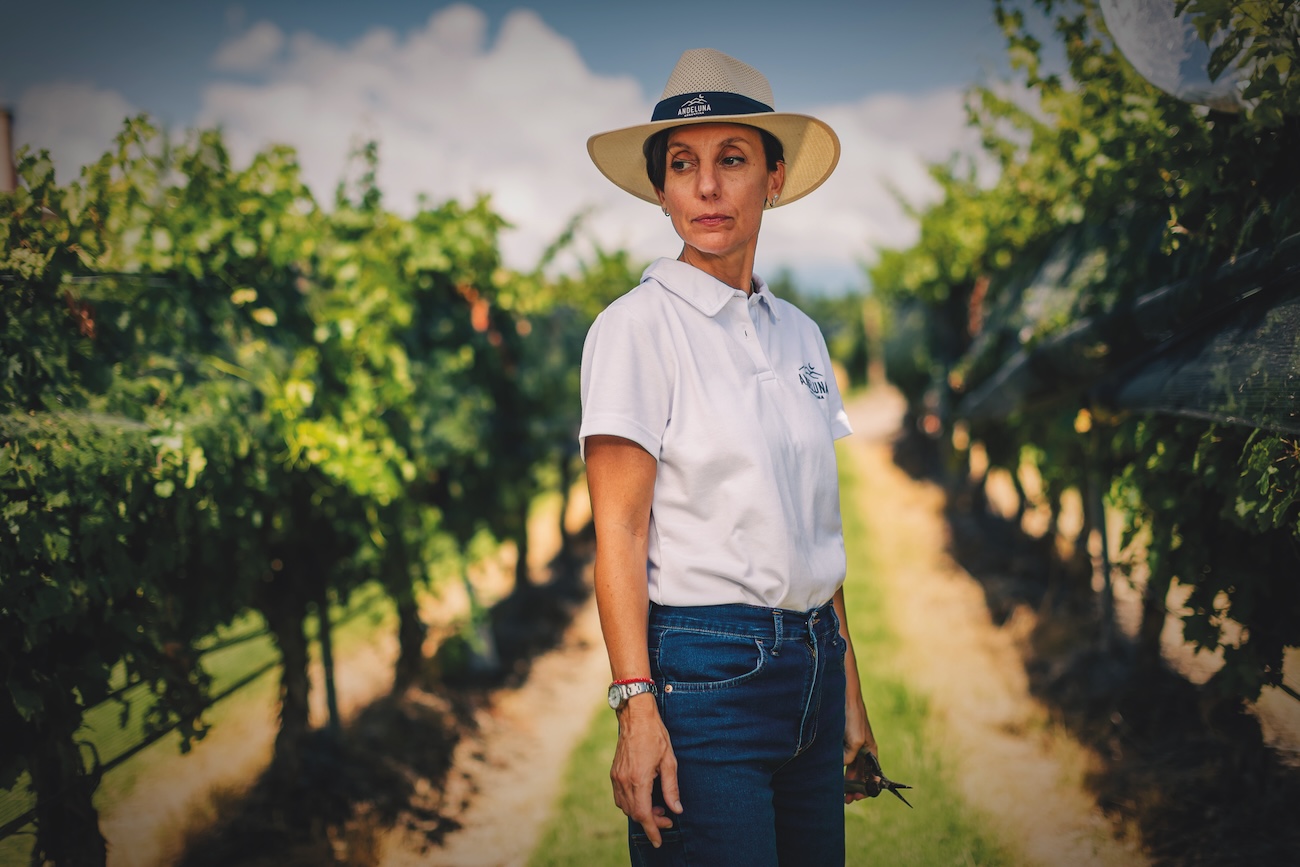
‘The history of South American wine is a history of blends,’ says Jimena López, head winemaker at Bodega Andeluna, Mendoza.
‘It’s the story of settlers and of the different grapes they brought with them.’
It’s also the history of serendipitous crossings, new varieties and pioneering experimentation – creativity led by necessity and opportunity.
Among the most dramatic contributions to the reappreciation of old vineyards and overlooked terroirs has been the revival of Criolla varieties.
This family of grapes encompasses both those initially brought by Spanish settlers (of which País/ Listán Negro/ Criolla Chica and different Moscatels are perhaps the most important) and the different crossings that have originated in South American soil.
Among the latter are Criolla Grande and Torrontés, two very different crossings of País and Moscatel of Alejandría.
Known as ‘the queen of Torrontés’, Balbo has long championed the variety – which is the main component in her Signature White Blend.
‘Finally, we’re seeing these varieties for what they truly are and for all the beautiful wines they can make,’ she says.
She’s currently planting Torrontés on high-elevation sites in the heart of Gualtallary – mirroring what’s being done with Malbec in response to climate change – determined to give it equal, noble standing in the most privileged terroirs.
Playing the field

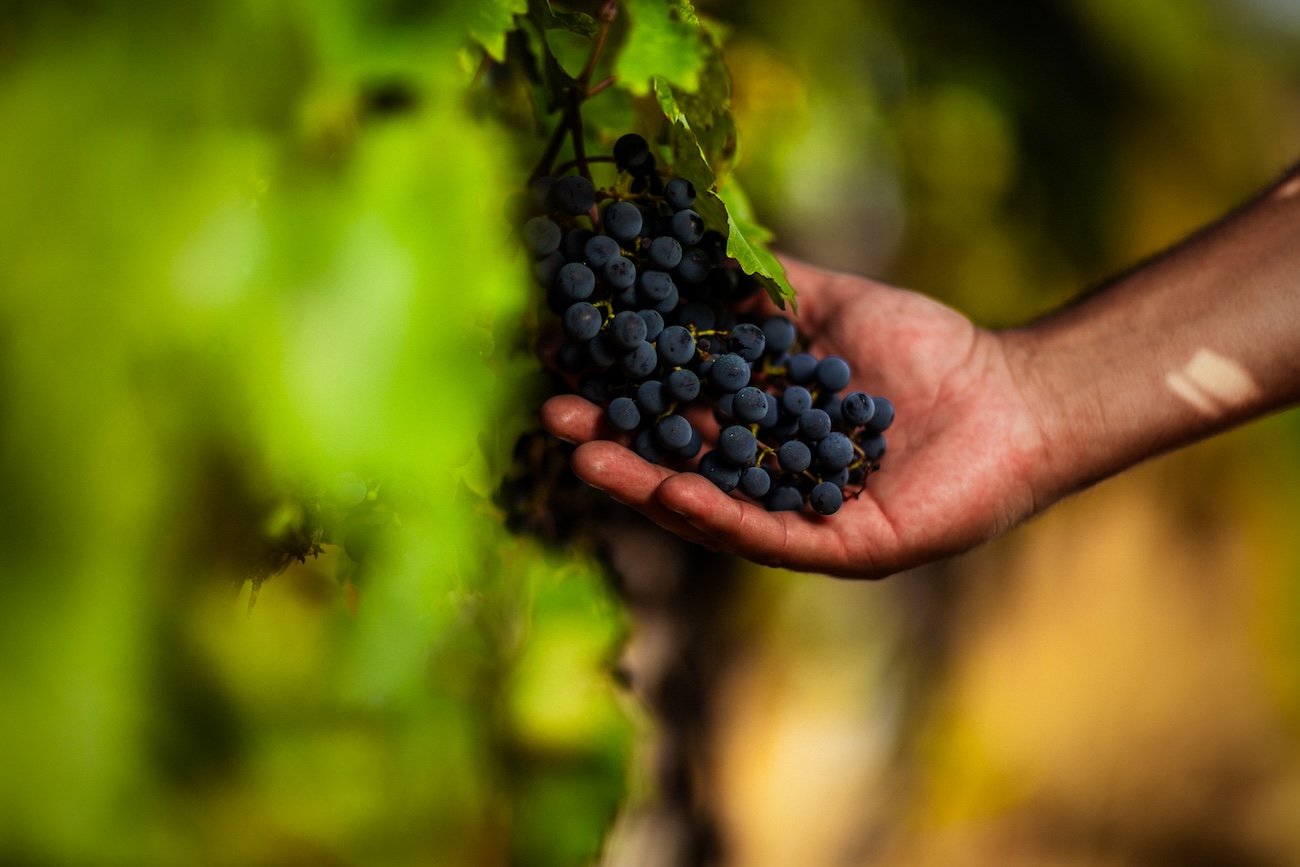
Across Argentina and Chile, producers are also tapping into old field blends. Once seen as a source of lesser-quality, natural-leaning wines, they are now considered a treasure trove in which nuance and complexity are effortlessly achieved while at the same time facilitating conversations about history, heritage and identity.
As is often the case in South America, contradiction lies at the heart of the ongoing vinous transformation.
It’s both puzzling and fascinating that to truly reclaim its viticultural identity, the continent is having to look back at its colonial past and acknowledge how, in trying to distance itself from it, it promoted a different kind of conquest (the California- and Bordeaux-inspired models) that at the same time built and eroded the continent’s modern viticultural history.
Above all, however, Balbo says that these changes of focus should make wine more fun, for consumers and producers alike.
‘Blending is the art of true expression and creativity in oenology,’ she says. ‘There’s such pleasure in the [blending] exercise.’
Meanwhile, the resulting wines are more dynamic, living entities in which different players playfully fight for centre stage.
‘As the wine evolves – in the glass and in the bottle – different elements and varieties reveal themselves. You never get bored and are often surprised.’
Untangling history
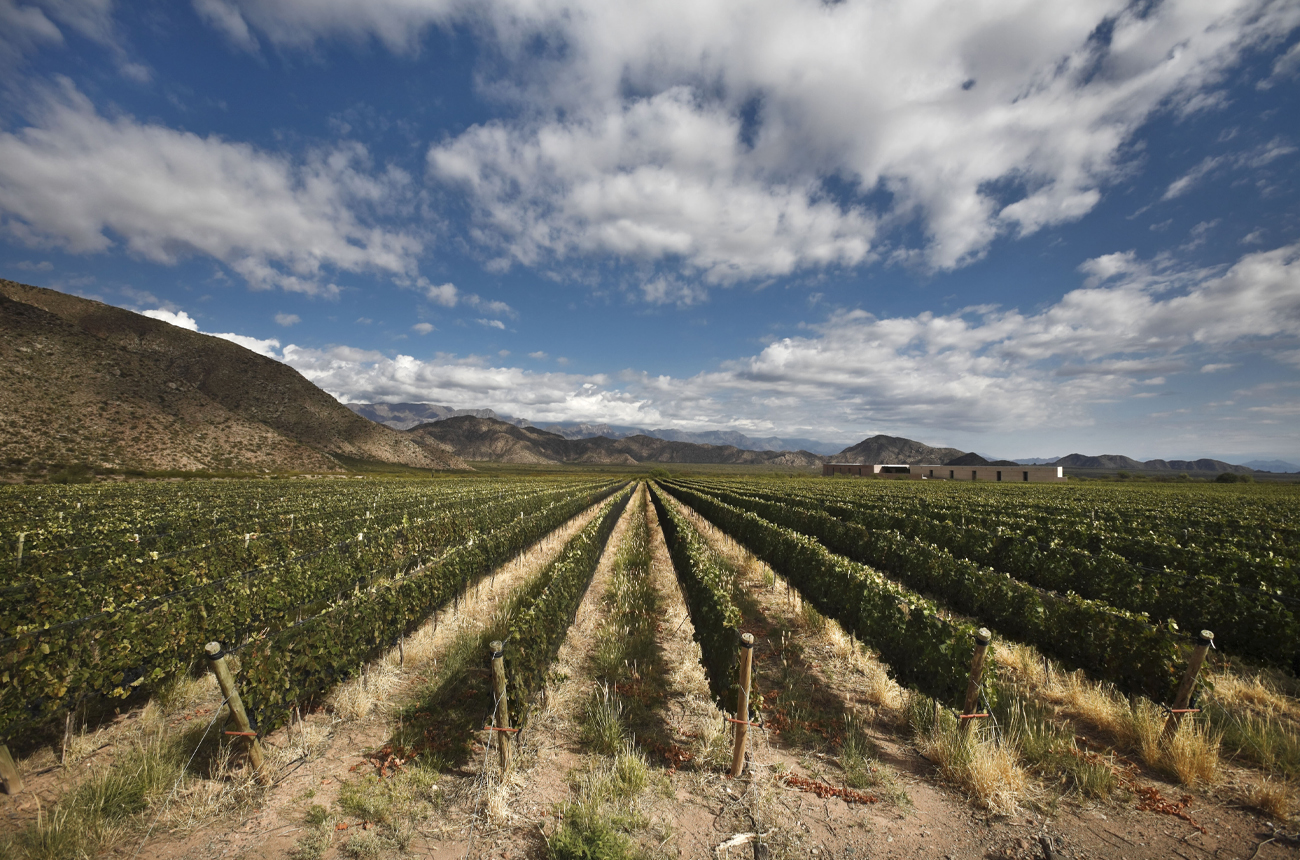
South America is, in its very essence, a continent of mixtures and unexpected encounters, of radically different traditions meeting, clashing and eventually yielding something new, unexpected and at the same time ancestral.
It is, and always has been, a place of intense, at times chaotic but always fascinating, creative energy, catalysed by extreme landscapes and ardent feelings. Its viticultural heritage is no different.
Each of the blends featured here untangles a bit of winemaking history. Meanwhile, Balbo is already working on a new white blend.
‘White blends are the next step of this revolution,’ she says. But which of the many revolutions is she referring to?
Maybe they’re all part of a single quest: claiming the beautiful, creole soul of South America’s fine wines.
Monovarietal plantings are a recent innovation in viticulture. They became dominant only after the arrival of the phylloxera bug in Europe forced producers to replant their vines on resistant American rootstocks.
Before the pest decimated European vineyards in the late 19th century, most were planted with multiple varieties and different (naturally occurring) clones of each.
All would be harvested and fermented together, meaning that only a subset of the grapes would be at optimal ripeness – some inevitably unripe, others overripe. Overall, this resulted in a complex balance of intense fruit, high acid and textural nuance.
The backlash against high-volume, overly technical winemaking on the one hand, and the viticultural challenges caused by climate change on the other has catalysed a reappreciation for these old field blends.
They’re a source of fresher, lower-alcohol wines (mostly due to the percentage of underripe grapes in the mix) and of a diversity of genetic material that has proven more resilient against extreme weather events and pests – which explains why field blends and massal selections are now being reintroduced in new plantings.
Some regions in Europe (the Douro valley in Portugal; Ribera del Duero, Rioja, Toro and the Canary Islands in Spain; Vienna in Austria; Alsace in France) are home to old plots planted to multiple varieties – indeed, producing some of those regions’ most prized wines.
But it’s in the so-called New World that some of the oldest – and in many cases ungrafted – field blends are found. That’s the case in many regions of Chile, where phylloxera never arrived, and secluded areas of Argentina.
South American blends

Our expert recommends 18 brilliant light-bodied South American reds
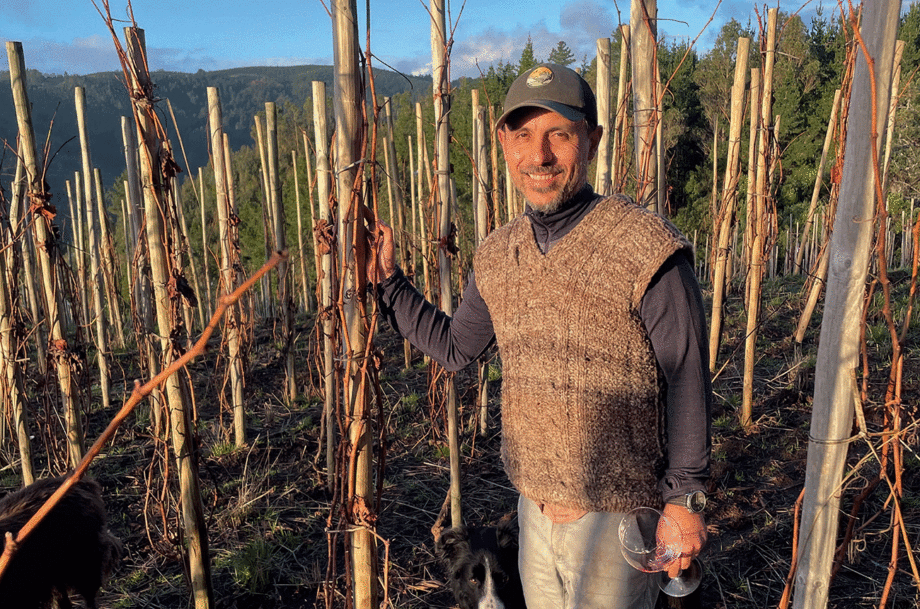

Leo Erazo: Inspired by Itata and Chile’s wild south