






Amid a sea of bad news for the wine industry, the white wine category is having a moment.
According to the 2025 SVB State of the U.S. Wine Industry report, white wine has positive growth rates by volume and now has better sales growth rates than red wine.
Similarly, data from WSWA’s SipSource revealed that, despite a broader market decline, multiple white wine categories demonstrated modest growth.
For a wine region like Paso Robles on California’s Central Coast, where only 15% of the grapes planted are white, this is pertinent news.
But, despite the region being known for big, bombastic red wines, a quiet few are putting out quality white wines that are fresh, interesting, and challenging the status quo.
Going their own way
‘When I started to make wine, people said to me that to succeed, you have to make red wine,’ says Nancy Ulloa, owner and winemaker of Ulloa Cellars, a white wine-focused brand.
Fresh whites might not come to mind in Paso, which is notorious for its high temperatures.
This was especially apparent during the 2022 vintage, when a relentless 10-day heat spike over 40 degrees Celsius dominated the region at harvest time.
If grapes (especially white) were not picked before this spike, quality suffered. And, being so well-known for full-bodied red wines, there was historically little stylistic demand for white wines, let alone fresh ones.
Still, Paso producers are finding ways to craft wines of this style. It comes down to grape varieties, picking decisions, and winemaking technique.
Stephy Terrizzi, viticulturist and co-owner of Giornata, says: ‘We make picking decisions for white grapes based more on pH than brix levels. Lower-pH grapes (meaning higher acidity) will have fresher qualities and be more zippy on the palate. In the cellar, we do not add malolactic bacteria and currently use only stainless steel and amphora for fermenting and ageing.’
Ulloa relies upon pick times, different vessels, lees stirring, and varying combinations of yeast per lot.
Working together
These approaches are leading to notable success with white wines in Paso. Giornata, with a focus on Italian varieties, is currently producing more white wines than red wines.
Dave McGee, winemaker at Monochrome, a white wine-only winery, says: ‘Many customers come to our door because they are excited to try something different and new. They mention they have a stash of reds at home, but no whites.’
He also talks about Paso’s evolving culinary scene, which includes two Michelin-starred restaurants.
‘White wines often pair better with the elegant, nuanced courses being offered by the top new restaurants than do the traditional big Paso reds,’ he adds.
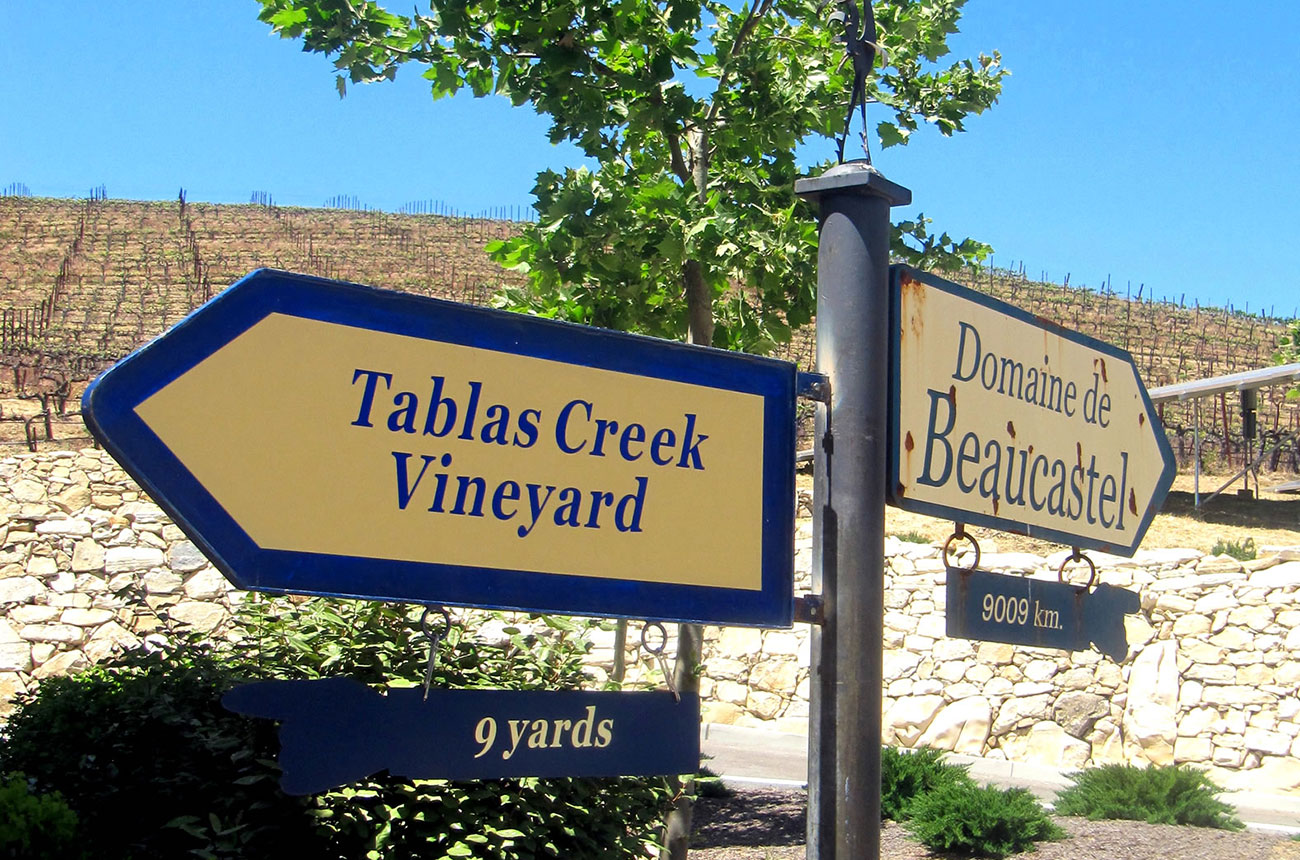
Rhône variety-focused Tablas Creek has been a pioneer in the ‘lighter side’ of Paso Robles since its inception in 1989, with its Patelin Blanc and Esprit Blanc consistently earning both critical acclaim and commercial success over the years.
Now, says Terrizzi: ‘Paso Robles winemakers have put thought and energy into making more serious white wines that are complex and sometimes age-worthy, like Fiano and Chenin Blanc.’
McGee agrees that: ‘More winemakers are now putting the same level of effort, passion, and attention to detail into their whites that they had previously reserved only for their top reds.’
And as consumer trends shift, this new-found focus is paying off.
10 fresh, summer white wines from Paso Robles

How Tablas Creek went on a quest to bottle Châteauneuf-du-Pape’s hidden grapes
Willow Creek: Paso Robles’ coolest sub-region