


After being walloped by what he called a ‘cosmic brick’ – a lifelong love of Pinot Noir from Burgundy – David Lett embarked on a quest to see where else, if anywhere else, this fickle grape could reach the same pinnacle of quality.
His search led him to Oregon’s Willamette Valley and, in 1965, he established the region’s first plantings of Pinot Noir.
The connection between Burgundy and Pinot’s new promised land, once merely cosmic, was now concrete.
We last reported on the France-Willamette Valley connection in 2019 and, as you might expect, much has changed.
Here’s the latest, along with reviews of 10 noteworthy Oregon wines from French-owned wineries.
New French investments and appointments: Beaux Frères and Ponzi
The famous Beaux Frères winery, founded by Michael G Etzel in the 1980s, was acquired in 2017 by French firm Maisons & Domaines Henriot.
In 2022, Henriot merged with Artémis Domaines, the fine-wine hegemon behind Bordeaux first growth Château Latour and Burgundy grand cru Clos de Tart.
Big changes ensued. Mikey (Michael D) Etzel, who had taken over winemaking duties from his father in 2017, remains Beaux Frères’ CEO and technical director, but has passed the winemaker title to Evening Land alumnus Damien Lapuyade.
Don’t let the French surname fool you: Lapuyade is a strapping American, born and raised in Napa Valley.
Lapuyade revels in the resources that Artémis provides. ‘It opens the door to all these prestigious domaines that have centuries of experience farming and growing grapes and making world-class wine,’ he says.
‘The transfer of knowledge, the cross-pollination – it’s an amazing opportunity.’
Pioneering winery Ponzi Vineyards, which was acquired by Champagne Bollinger in 2021, also looks different at the top.
Jean-Baptiste (JB) Rivail, a sharp-dressed Frenchman raised in the Rhône Valley, is now CEO of the estate, which had been headed by a Ponzi family member since its founding in 1970.
Rivail, whose own family has a nearly two-century history in the wine business, arrived with Bollinger’s checkbook and license to use it.
‘The trust they put in us is just unbelievable,’ he says. Translation: What Ponzi needs, Ponzi gets.
This is a welcome change for Max Bruening, the Ponzi veteran who inherited the winemaker role from Luisa Ponzi in 2024.
‘I didn’t know what CapEx was!’ he says, noting how, before Bollinger, the winery had to make tough maintenance and investment tradeoffs.
‘It lends gravitas to the region, to the pioneers who knew Pinot could be great here.’
Josh Bergström
Growing resources
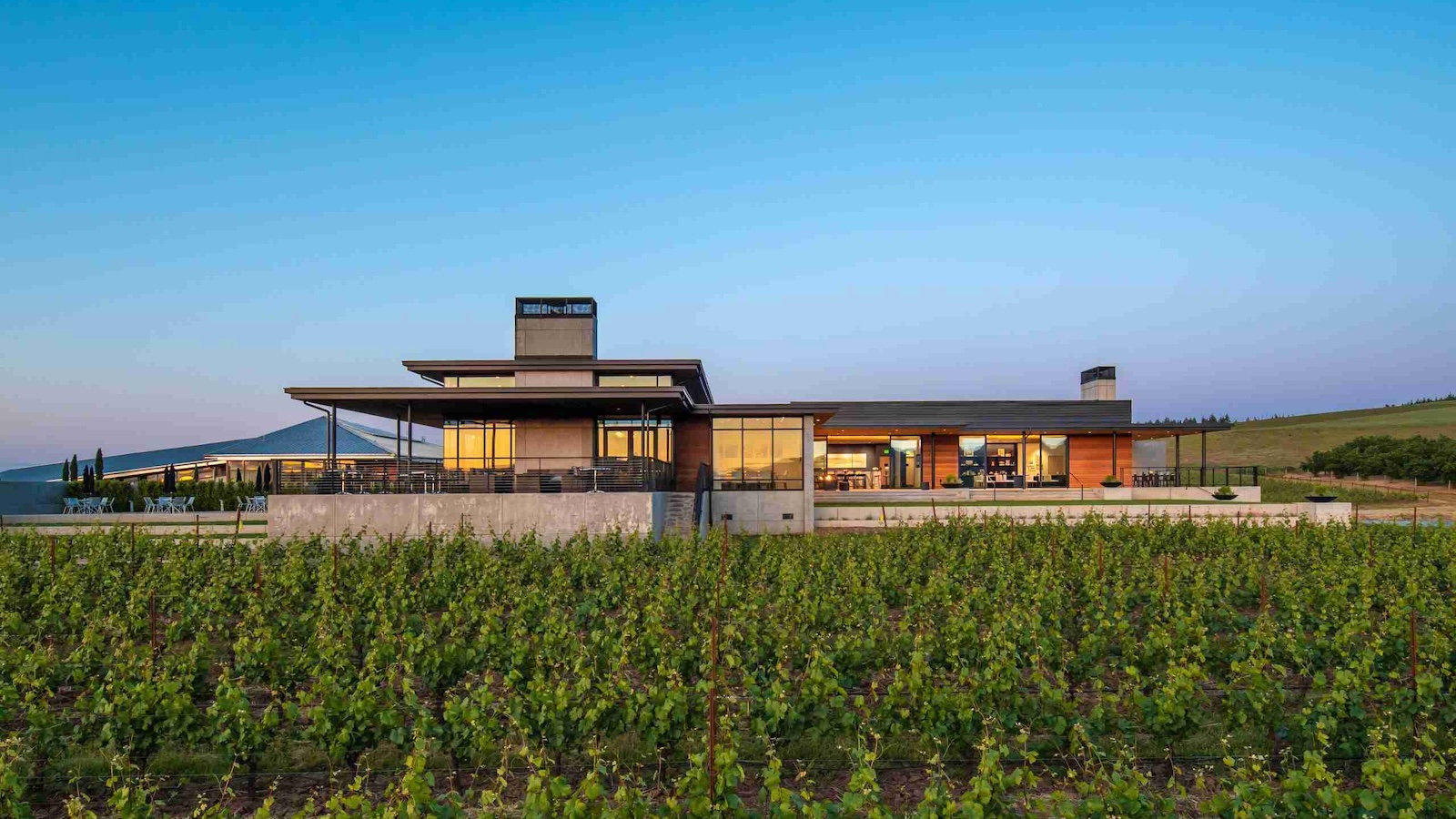
Now, Ponzi has a $500,000 Bucher sorting line, new stainless steel and concrete tanks, more land, and a consulting contract with Italy-based vine consultants Simonit & Sirch, who work with elites like Burgundy’s Domaine Leroy.
‘The knowledge here in Oregon has been built on great people and cross-collaboration,’ Rivail says. ‘But international investors come with things you know are working in other regions.’
Some locals welcome the outside capital. ‘It validates everything we’ve been working for,’ says Josh Bergström, a homegrown Oregon vintner who studied in France and is married to a Burgundian.
‘It lends gravitas to the region, to the pioneers who knew Pinot could be great here. With other beverages taking [wine’s] market share, we need families who have been around for generations on our side.’
Not everyone is enthused. ‘Neutral at best’ is how independent winemaker Saul Mutchnick of Championship Bottle describes the overall effect of outside money on the Willamette Valley.
Though he acknowledges the important role such investments have played in establishing the region, Mutchnick laments how small labels often lose access to prime vineyard sites when moneyed interests move in.
He cites the Koosah Vineyard (purchased by Résonance Wines, which is owned by French stalwart Louis Jadot) and Bunker Hill VIneyard (Lingua Franca/Constellation Brands) as examples.
A two-way street: Burgundy also benefits
Burgundy has long been the world’s Pinot Noir lodestar and, at one time, inexperienced Willamette Valley vintners were eager to glean any knowledge they could from their winemaking idols. But these days, the knowledge flows both ways.
‘When we travel to Burgundy now, there’s a sense of collegiality that I don’t think used to exist,’ says Lapuyade. ‘There seems to be this mutual respect, where they’re asking as many questions to Oregon winemakers on what’s working and what’s not working.’
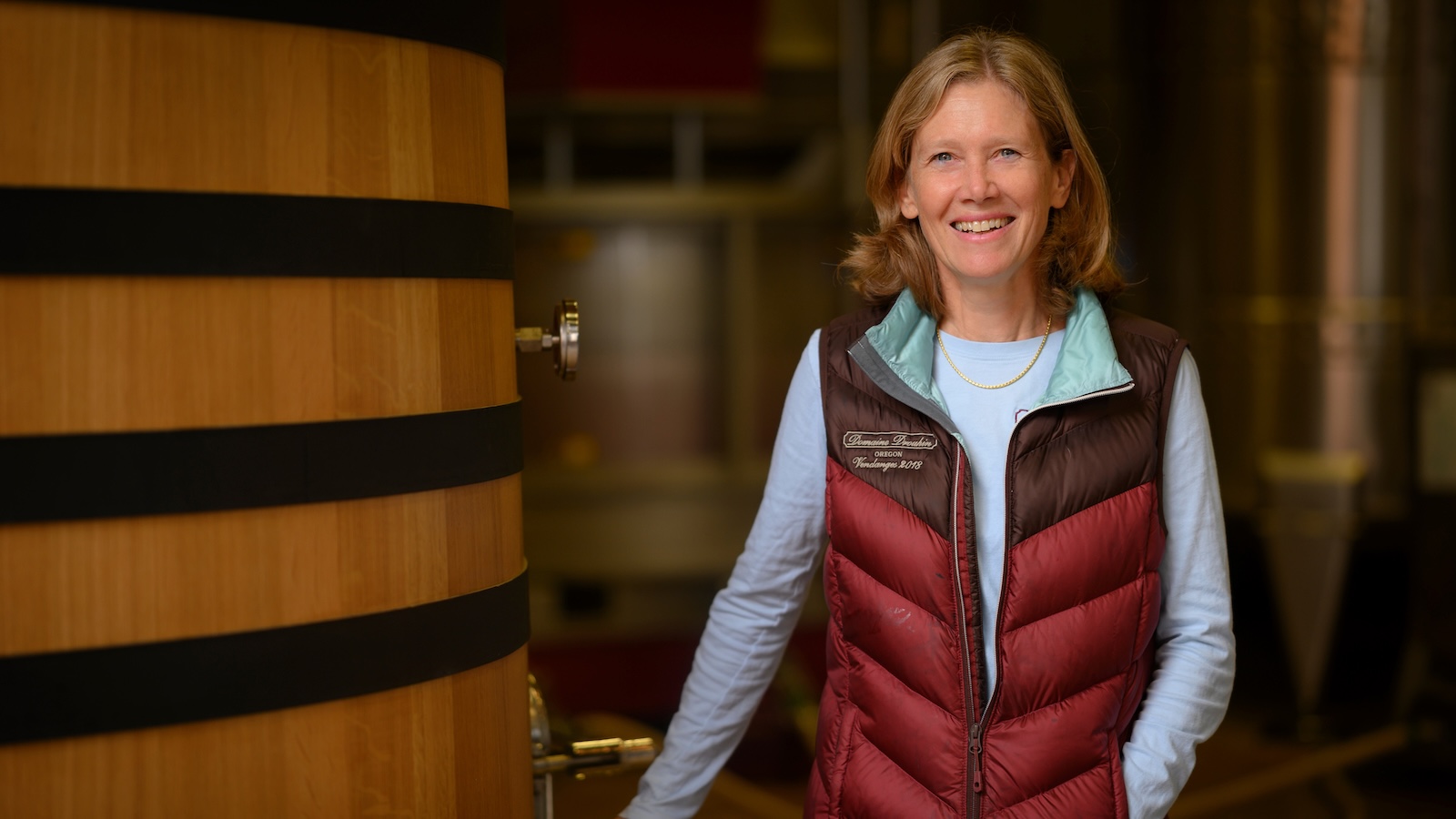
Véronique Boss-Drouhin, head winemaker for both Domaine Drouhin Oregon and Maison Joseph Drouhin, says the family’s Burgundy team is inspired by their Willamette Valley counterparts, noting events like the annual Oregon Pinot Camp. ‘Burgundy should have done that years ago!’
For Louis Jadot, Résonance serves as a model for effective customer relations; in 2027, the winery will host a cruise through Burgundy for its clients.
Naturally, the trip will include a visit to Jadot, and Résonance winemaker Guillaume Large will be on board.
‘How you make somebody fall in love with the wines and the brand and the story isn’t through leading with the sales pitch,’ says Taylor Theis, the winery’s director of consumer sales and marketing,
Oregon Chardonnay rising: New project Atomique3
Chardonnay is on a tear in the Willamette Valley, and many vintners trace its success to Dominique Lafon, who came from Burgundy in 2007 as consulting winemaker for Evening Land.
‘He started bringing some cultural practices on how to translate this terroir,’ says Mikey Etzel, showing the locals when to pick (earlier) and how much fruit to extract (less).
Atomique3, a superb Chardonnay-only Willamette Valley label launched in the 2021 vintage, bears the influence of another Burgundy legend: Meursault’s Jean-Marc Roulot.
Atomique3’s principals – Felipe Ramirez, a Chilean who earned his Master’s degree in Montpellier in the south of France, and renowned soil expert Pedro Parra – recruited Roulot to consult.
Atomique3’s four core Chardonnays are based on soil type, which will come as no surprise to anyone who knows Parra, who has built a career on soil and even authored a book about it.
Ramirez, who drives around the Willamette Valley with chunks of basalt on the dashboard of his truck, is no less obsessed.
‘The only thing that never changes is the soil,’ he says. ‘The weather changes every year, people change, decisions change. The plans change. But the soil – you need thousands of years to see those changes.’
Atomique3 winemaker Felipe Ramirez peppers his conversation with a notable piece of Pedro Parra vernacular – one that seems more suited to geometry class than the wine world. The word is ‘polygon’.
Here’s the idea: Most vintners think in linear terms – vineyard rows, vineyard blocks, etc. – but natural events like floods and lava flows rarely result in neat quadrangles.
Nature, as the late philosopher Alan Watts would say, is ‘wiggly’, and it delivers soil in scattered blobs. These blobs are what Parra calls ‘polygons’, and they float within vineyards like islands, identifiable through soil pits and vineyard-mapping technology.
At Atomique3, Parra and Ramirez make small-lot, single-polygon wines, from plots that often make up only a small portion of the vineyard. (Ramirez does the same at his Pinot Noir-focused label Rose & Arrow, and Parra has also introduced the concept at his other consultancies, including Alkina in South Australia’s Barossa Valley.)
Their dedication to the method is steadfast: If one of their vineyards is producing spectacular grapes outside of their favored polygons, they sell that fruit.
This detail would be of little importance if the wines were merely excellent, but they are spectacular. So Vive le Polygone!
The Hills are still hot: Résonance, Drouhin and Nicolas-Jay
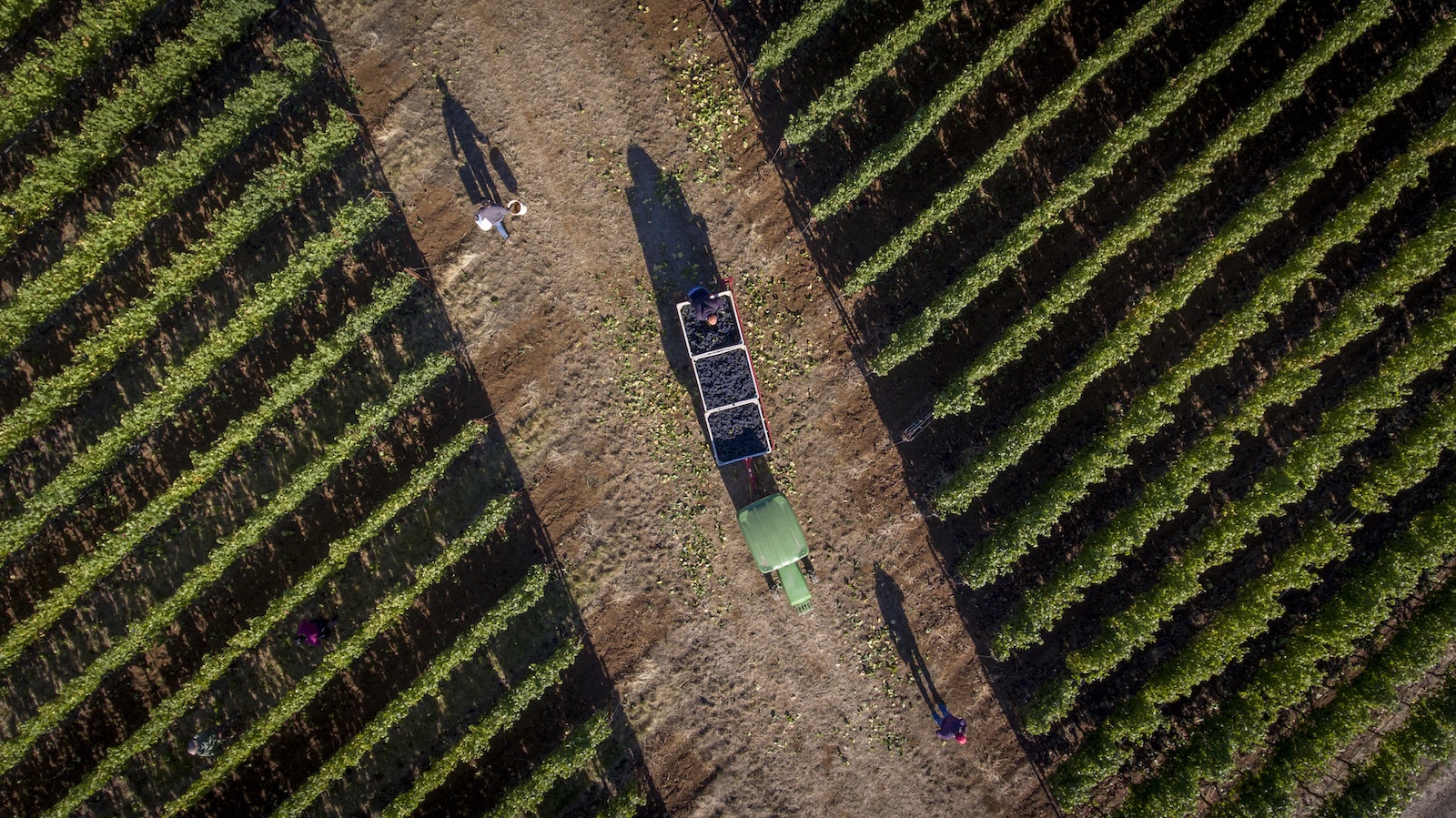
In 2022, Résonance expanded to the Eola-Amity Hills, purchasing the outstanding Koosah Vineyard, a former Christmas tree farm planted with vines in 2016.
This acquisition doubled Résonance’s Chardonnay holdings, and it now bottles a single-vineyard Chardonnay and Pinot Noir from the site.
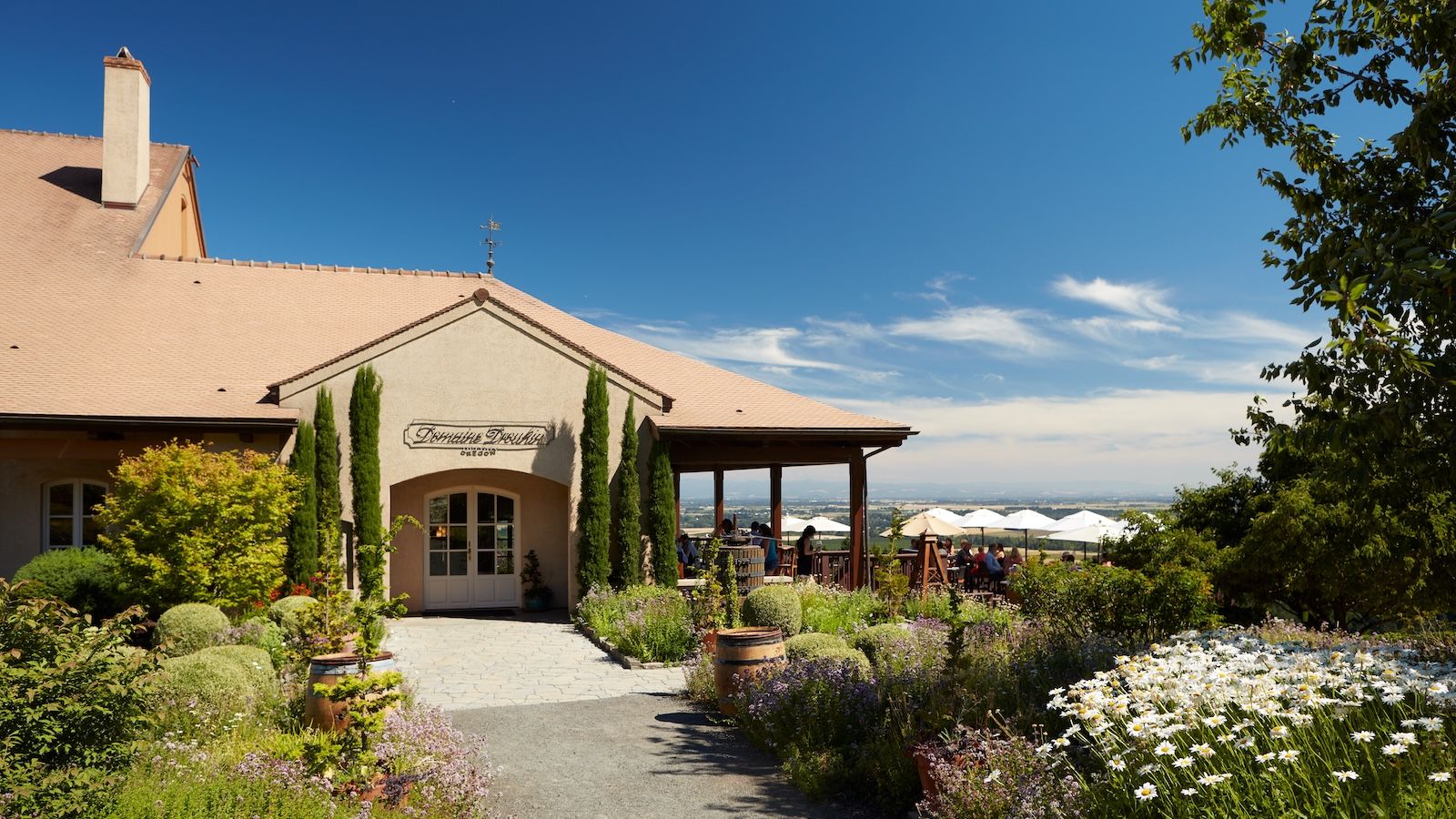
The same year, Domaine Drouhin purchased Methven Family Vineyards, adding to the Eola-Amity Hills presence it established in 2013, when the family purchased Roserock Vineyard (which it has now spun into the Roserock label).
The 80-acre Methven property has 30 acres of vines, but the move was largely logistical: Methven is a 15-minute drive from Roserock, which lacks a dedicated production facility.
With an existing winery, water, power and ample space, Methven ticked all the boxes. ‘We were blessed to find this place,’ says Boss-Drouhin.
The facility is now known as Roserock North, and the winemaker there is French-born Drouhin veteran Isabelle DuTartre, Boss-Drouhin’s lifelong friend and her partner in Caballus Wines, which also makes Willamette Pinot Noir.
In the Dundee Hills, Nicolas-Jay, the partnership between Jean-Nicolas Méo and Jay Boberg, acquired a 52-acre site on the AVA’s north side in 2019.
They planted 25 acres of vines and renovated the property’s barn into a production winery and tasting room. In 2026, Noah Roberts was named production winemaker.
An Oregon wine legend bids adieu
Laurent Montalieu, who came to Oregon from Bordeaux in 1988, established himself as a juggernaut over the next three-plus decades.
In 2003, he founded NW Wine Company, the Willamette Valley’s first custom-crush facility – although he prefers the term ‘custom winegrowing,’ which he believes better captures the company’s range.
Over the years, NW Wine Company grew to encompass brands like Hyland Estates and Domaine Loubejac. In 2021, Montalieu sold it in what was the largest transaction in Oregon wine history.
He retired from NW Wine Company in 2024 but is still on the board, and French-born Anne Sery is now director of winemaking.
Montalieu also remains owner and winemaker at Soléna Estate, which he founded in 2000 and named after his daughter, Soléna Andrus Montalieu.
One day the winery will be hers, but it’s hard to imagine her father sitting idle in Oregon. Says Montalieu, ‘I will never retire from Soléna’.
10 fantastique Oregon wines with a French Connection
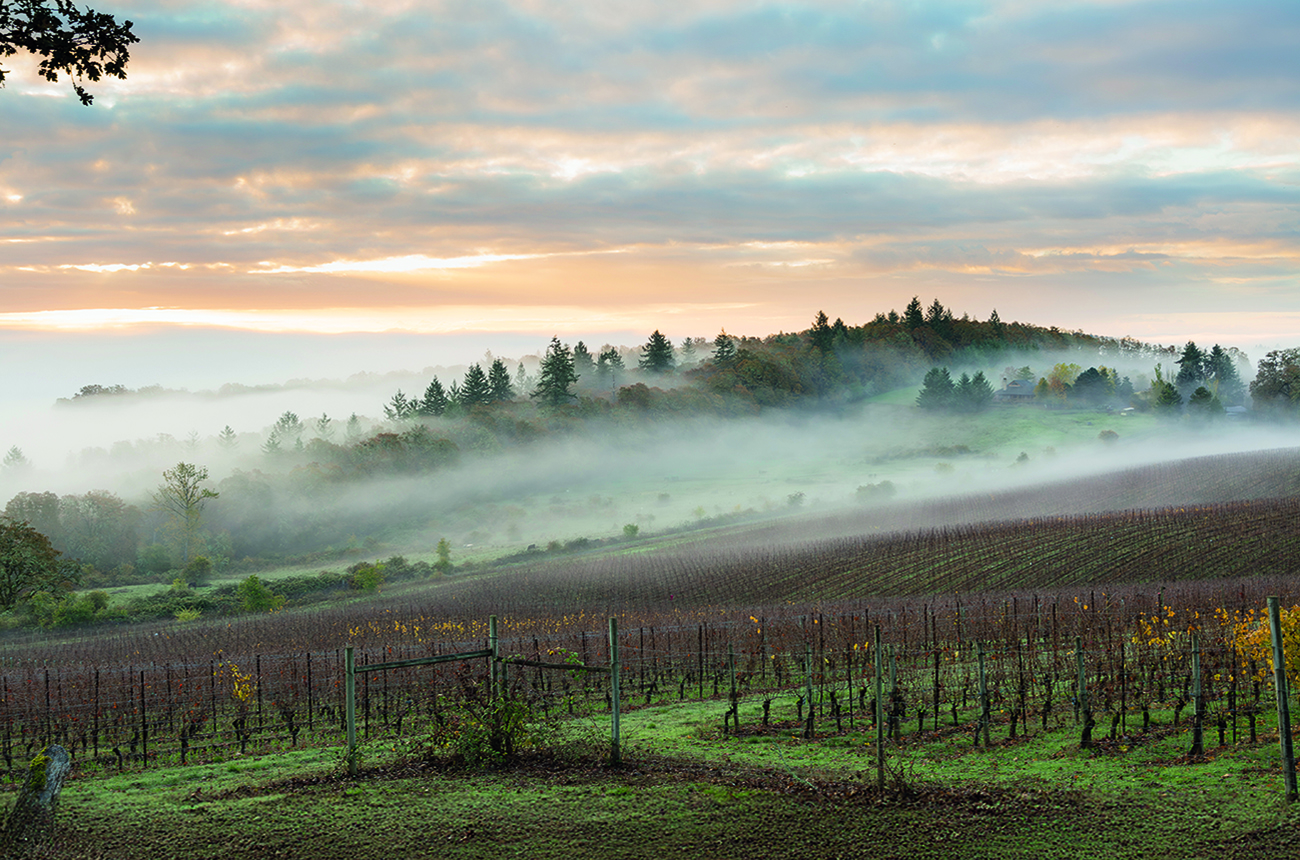
Trailblazers of the Willamette Valley: The origins of Oregon wine
Meet some of the region’s key pioneers
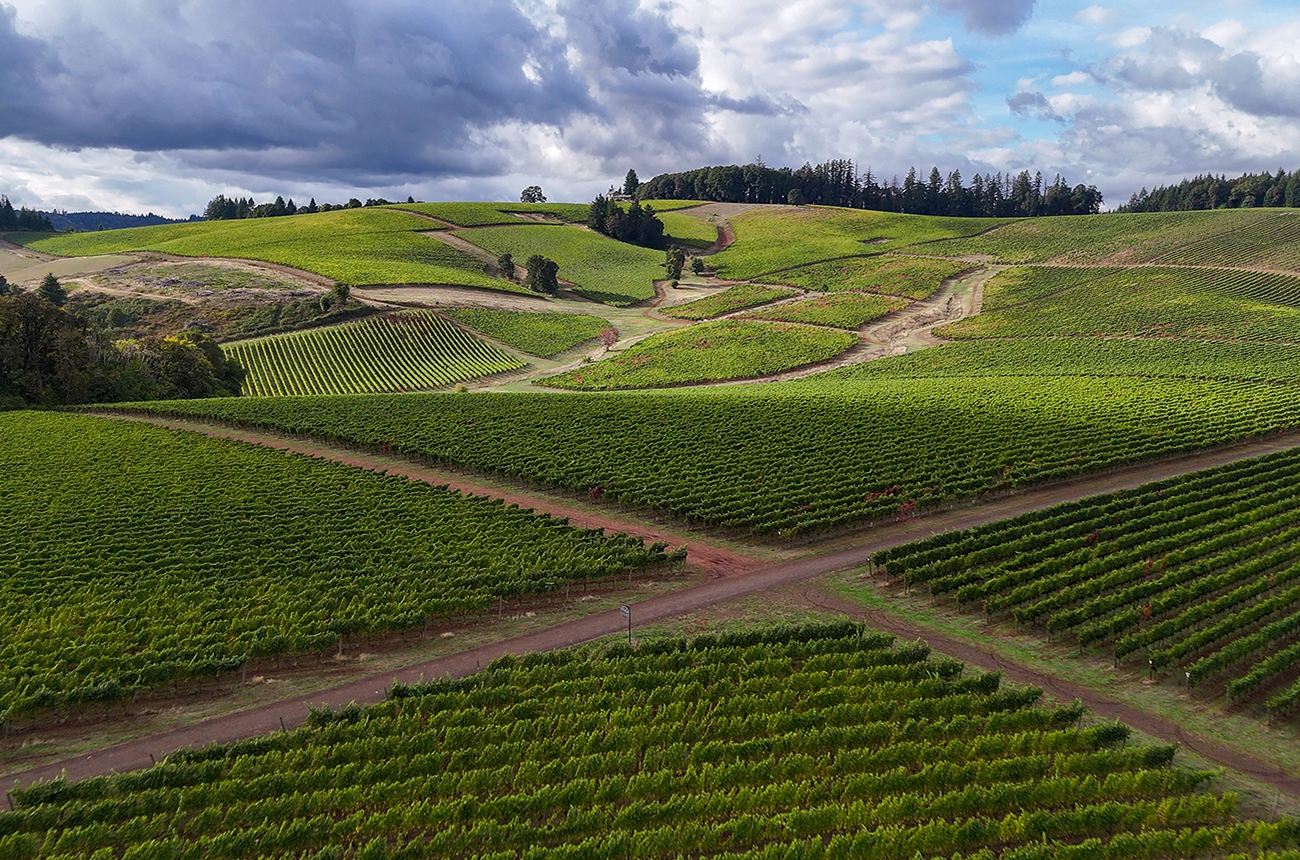
Willamette Valley 2023 vintage report: Pinot Noir
An idiosyncratic growing season produced expressive, high-quality. Here are 20 of the top picks.
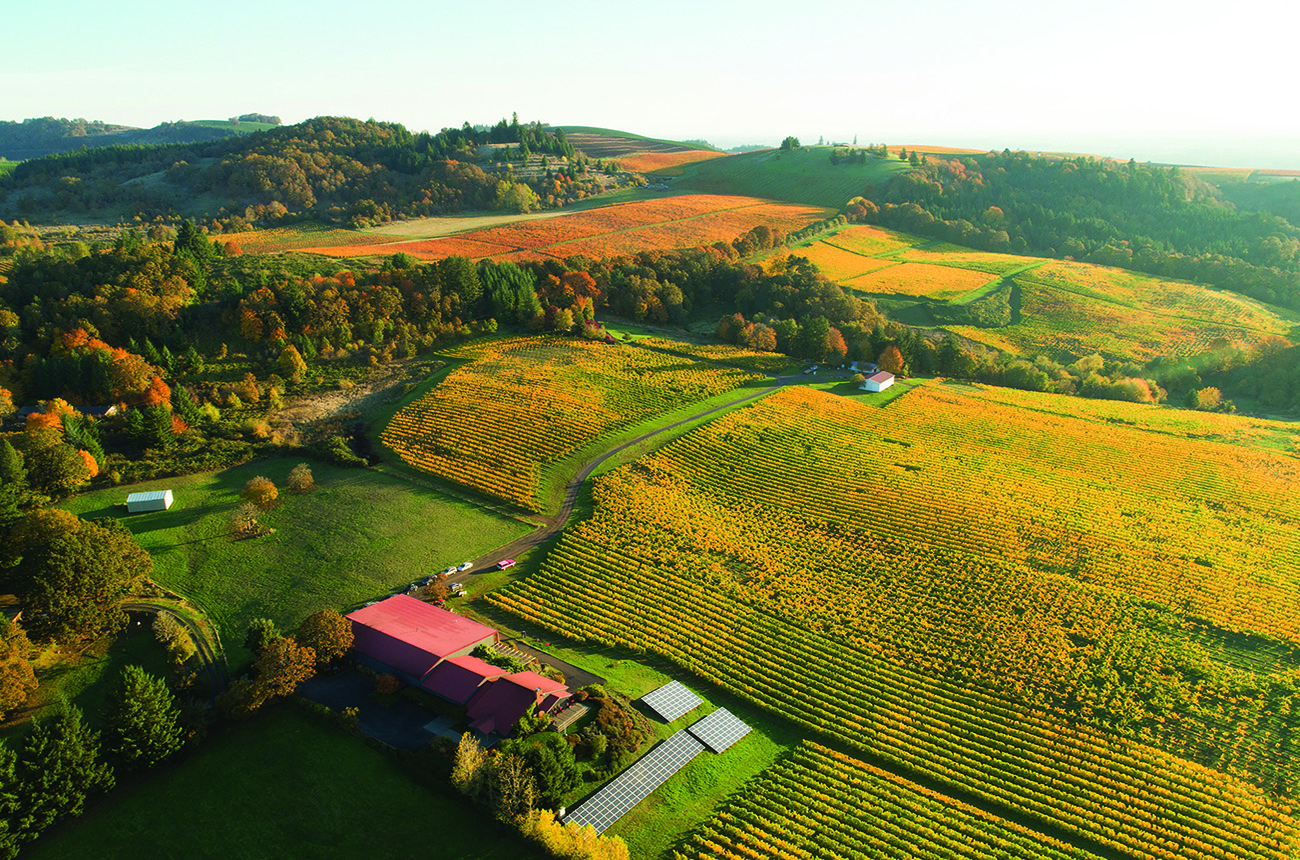
Willamette Valley 2023 vintage report: Chardonnay
20 of the best picks from a year of exquisite Chardonnay
