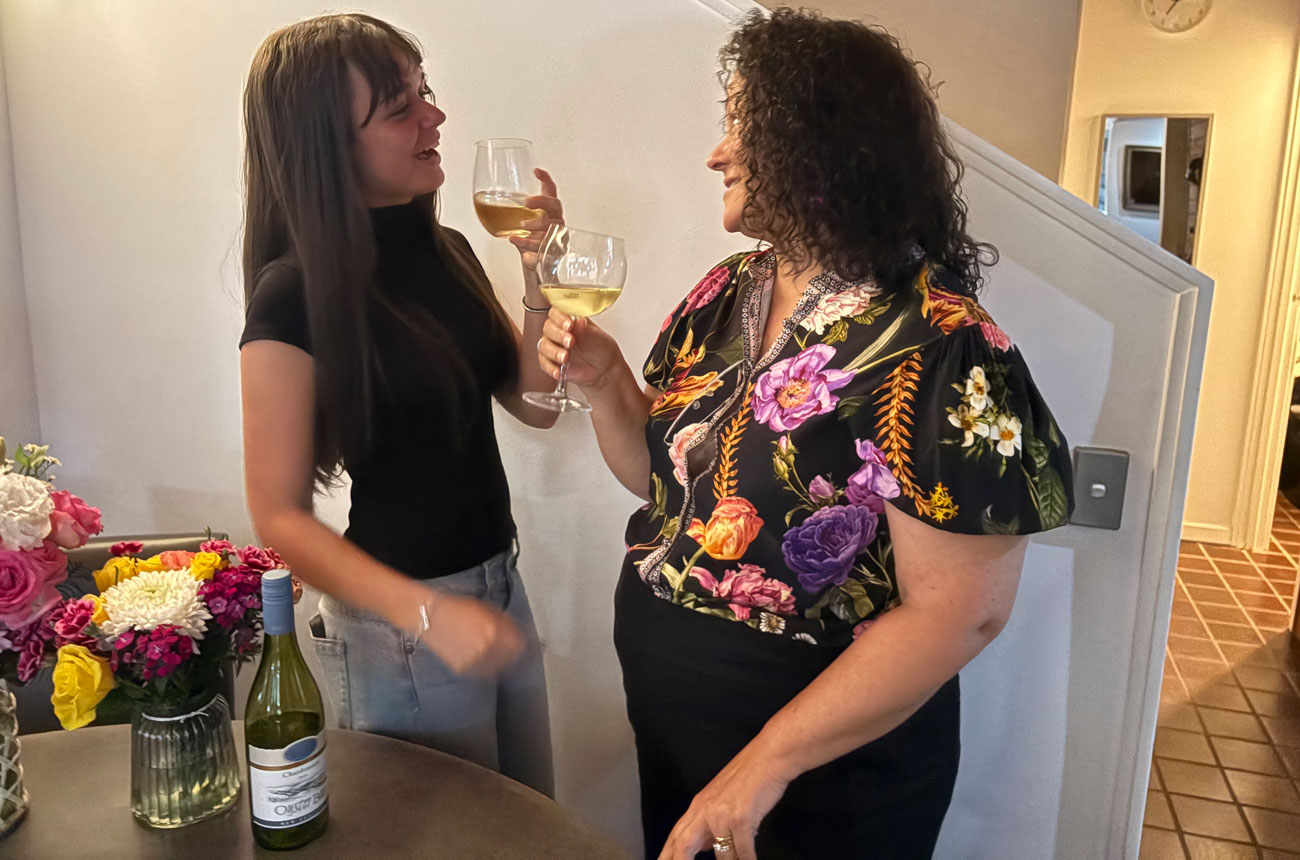







My name is Daria, and I am 28 years old. I live in Paris and have been working as a sommelier at Hotel Plaza Athénée for almost a year.
My journey into wine is not a conventional one. Before entering the world of hospitality, I worked as a civil engineer. After spending two years in that industry, I decided to follow my passion and pursue a career in wine.
I am a Champagne lover and am also particularly fond of Italian red wines and Californian blends. On warmer days, I enjoy exploring orange wines.
Challenging stereotypes
On a recent sunny day, my brother and I decided to organise a barbecue. My brother is a devoted beer drinker, especially with grilled meat, so I wanted to challenge his stereotype and pair our kebabs with wine.
The world of wine is evolving. It is no longer reserved for people who ‘understand’ it, nor is it confined to fine dining or formal occasions. So, to convince my brother, I stopped thinking in terms of traditional food and wine pairings and focused instead on sensations and emotions.
What experience did I want the wine to create? It was a warm, sunny day, so I wanted something that could be enjoyed slightly chilled. The grilled meat would be rich and hearty, required a wine with enough freshness to cleanse the palate. We were also serving tomato pasta, with its bright acidity, alongside a vegetable salad.
I chose a bottle of Austrian Furmint – Liszt’s Minimalist 2022 – and it delivered exactly what I had hoped.
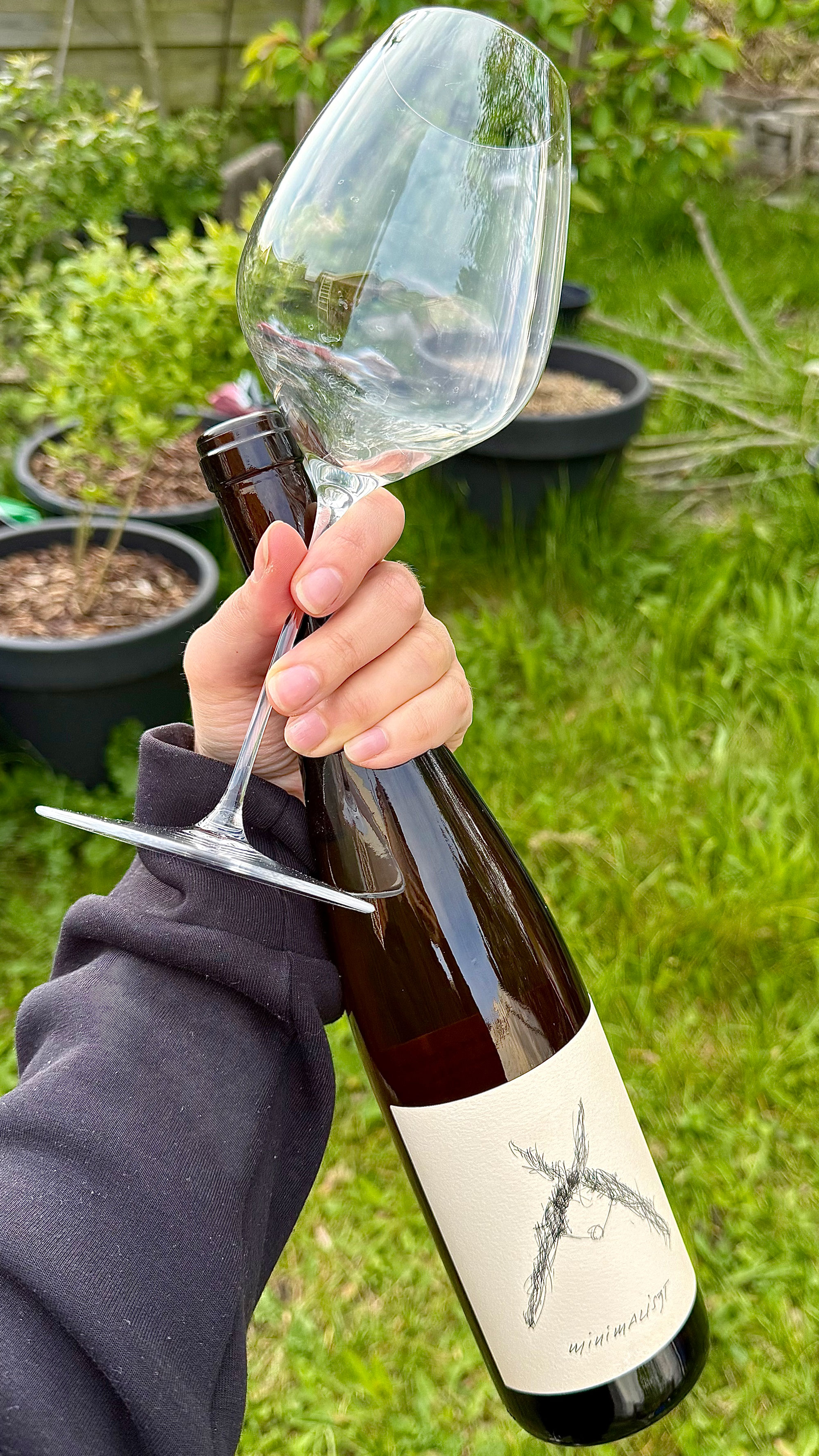

Liszt, Minimaliszt, Burgenland, Austria 2022
Grape: Furmint
Alc: 10%
Available: €26, Weingut Liszt
What Daria says: For this wine, grapes are hand-harvested into 8kg crates, directly pressed, then fermented and matured on lees in amphora. No sulphur is added and the wine is bottled, unfiltered, by gravity. The Liszt family has farmed in Burgenland for generations, traditionally combining grape growing, pig farming and operating a Heuriger (a traditional Austrian wine tavern). Bernhard Liszt took over the estate in 2003 after studying viticulture, and converted the vineyards to organic farming. The estate is also Demeter-certified biodynamic. The cuvée names all end with ‘-iszt’ (reference to the family name) – Idealiszt, Soloiszt, Touriszt, Optimiszt, Artiszt, Individualiszt, Komponiszt, Naturaliszt – and each has a hand-drawn label that references the estate; Minimaliszt features a pair of vineyards shears.
My choice in my words
It’s a vibrant, citrus-driven white with notes of lemongrass, lime, dried orange peel and a hint of ginger jam. Refreshing and effortlessly drinkable, it was the kind of wine that naturally accompanied conversation, complemented the food, and enhanced the simple pleasure of a warm evening.
Furmint is much more closely associated with Hungary – it is the signature grape of the famous sweet and dry wines of Tokaj. But, in Austria, a small group of growers in the Burgenland region are showing that they can also make outstanding mineral-driven examples.
The cuvée name of Minimaliszt reveals that this is a natural wine – a style often associated with my younger generation (I bought it from specialist natural wine retailer Chenin Chenin in Amsterdam). Yet, when I asked several friends with little knowledge of wine what they thought about natural wine, almost all of them admitted they did not really know what it was.
It’s positive that wine, finally, is no longer perceived as something reserved for a specific social or age group. And while a new generation of wine, and new generation of drinkers, may already be here, it seems there is still work to be done in connecting the two.
Are you a Zoomer working in the wine industry? If you want to share your experience of a bottle you love, then our Under 30s Wine Trade Sips column is waiting for your voice. Email us at editor@decanter.com to tell us why we should pick you.
And if you are aged between 18 and 29 but don’t have a connection with the wine industry, then there’s a column for you too: our Gen Z Wine Challenge. Don’t be shy – drop us a line today on the email address above to introduce yourself.


Under 30s Wine Trade Sips: Alex, 26
Quiz: Test your chilled red wine knowledge