


• Click here for more reading lists on the world’s greatest artists
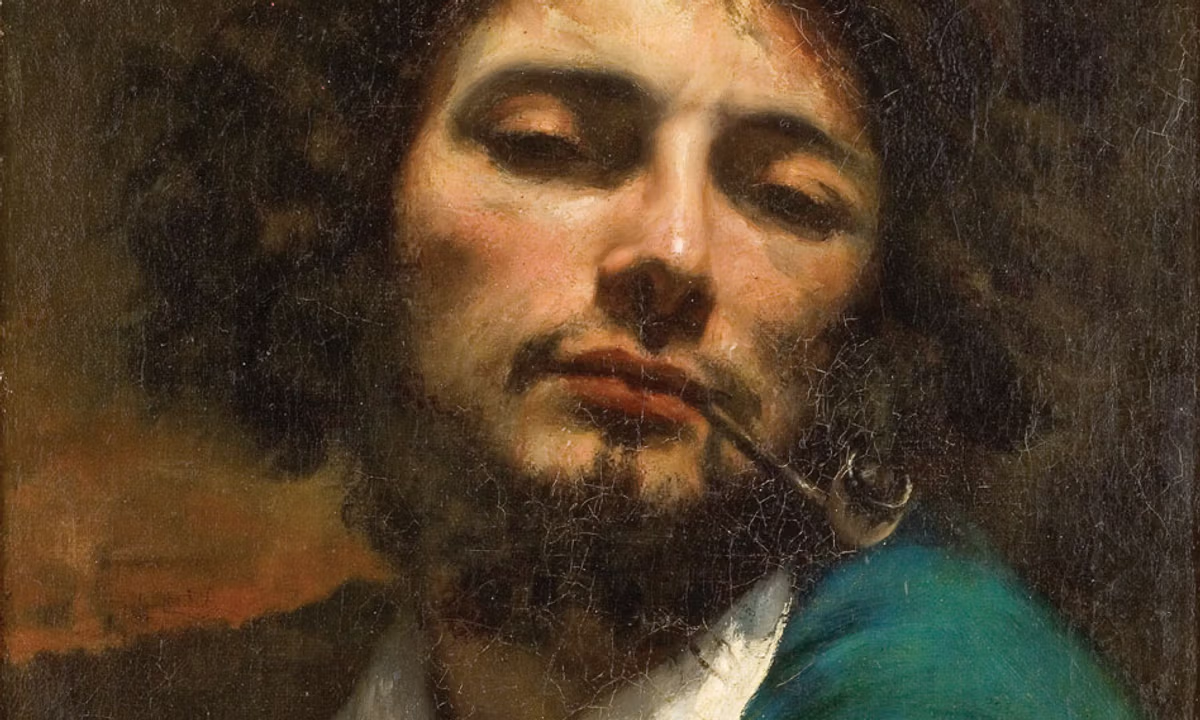
Gustave Courbet’s most (in)famous work, The Origin of the World (1866)—a full frontal painting of a vulva—was not publicly shown until 1988 and can still scandalise audiences. But there was more to the work of the 19th-century French painter than shock value. He was one of the protagonists of the Realism movement, and a new show at the Museum Folkwang in Essen—which includes the artist’s 1844 Le Fou de peur (pictured above)—looks at how his radical experimentation, boldness and sense of self prefigured Modernism and the idea of the singular artist genius. Here, the co-curators of the exhibition, Sonja Pizonka and Anna Brohm, have selected five key books to unpick the man from the myth.
The Most Arrogant Man in France: Gustave Courbet and the Nineteenth-Century Media Culture (2007) by Petra ten-Doesschate Chu
“Petra ten-Doesschate Chu demonstrates how Courbet was not only a significant painter, but also a skilful media strategist. He made targeted use of newspapers, reviews and exhibitions to promote his fame and portray himself as an independent, rebellious artist.”
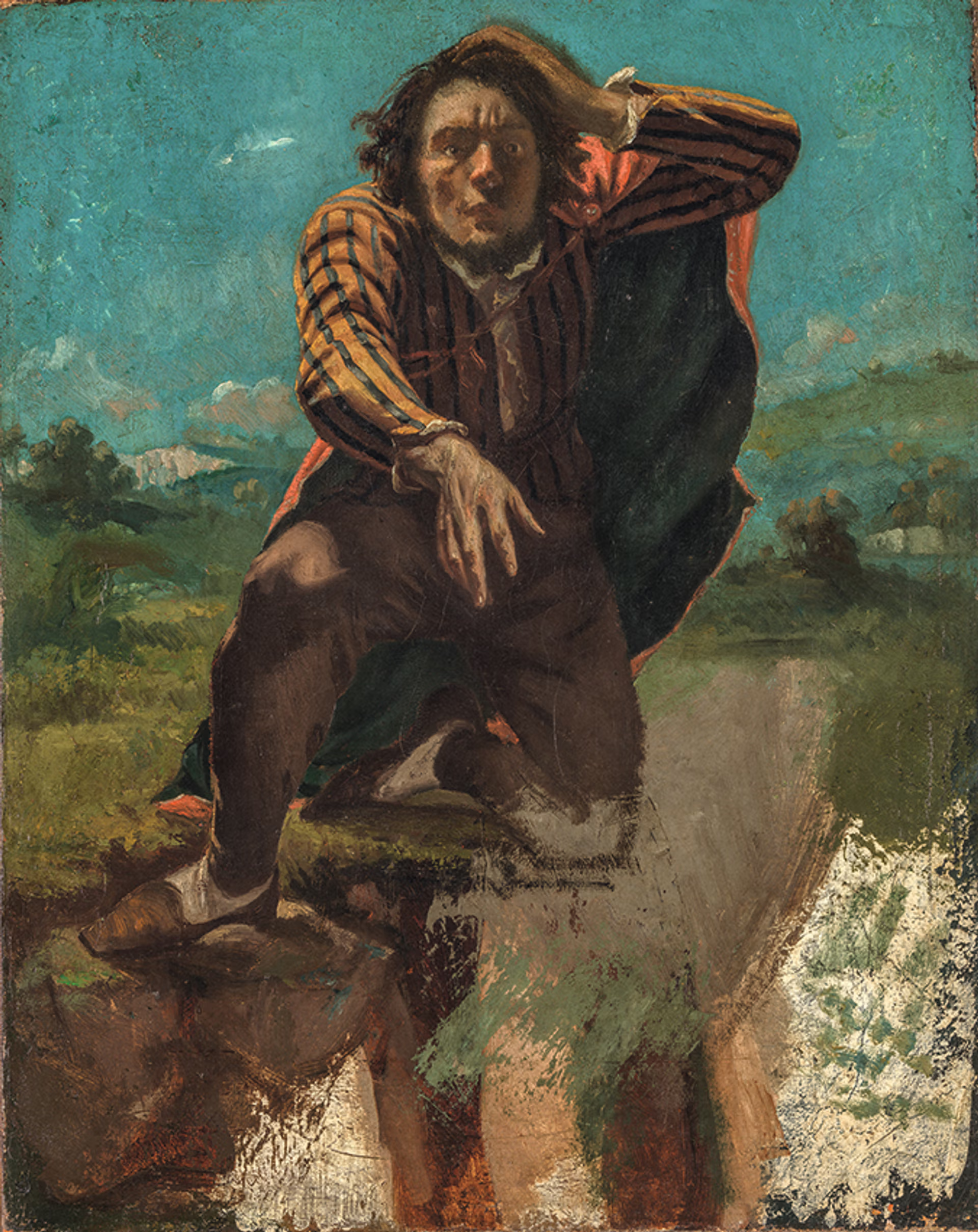
Gustave Courbet’s Le Fou de peur (1844) is one of the highlights of the I, Gustave Courbet exhibition Børre Høstland/Nasjonalmuseet, Oslo
Courbet (2007) by Ségolène Le Men
“A comprehensive monograph on the artist’s life, work and influence. It combines biographical, art historical and cultural historical approaches and examines Courbet’s role in the emergence of Modern art. It explains how he developed a new understanding of contemporary art, interpreting his own era and developing an individual style through dialogue with art and society.”
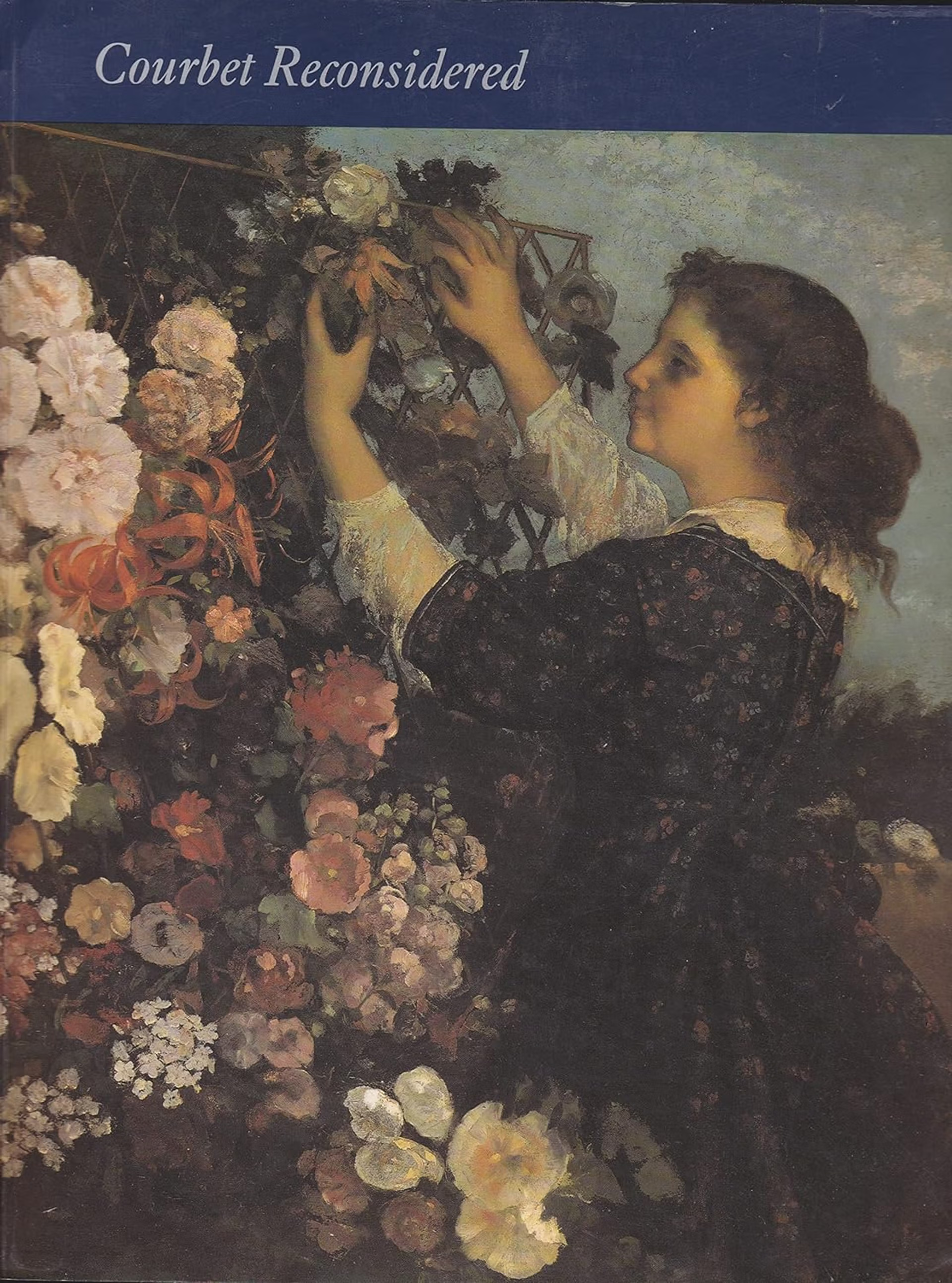
Courbet Reconsidered (1988) catalogue, edited by Sarah Faunce and Linda Nochlin
“This catalogue brings together scholarly essays on Courbet’s painting, his social role and his influence on Modern art. In doing so, it critically examines well-known works and traditional interpretations. Courbet’s L’Origine du monde was shown in public for the first time at this Brooklyn Museum exhibition.”
Courbet and the Modern Landscape (2006) catalogue by Mary Morton and Charlotte Eyerman
“The J. Paul Getty Museum exhibition catalogue has an analysis of Courbet’s landscape paintings from 1855 to 1877, plus essays on his influence on 20th-century art and on the relationship between painting and early landscape photography. While Courbet is known for his figurative paintings, this book shows that his landscapes were crucial to the emergence of Modern painting. His direct observation of nature, free brushwork and emphasis on personal perception influenced later artists, particularly the Impressionists.”
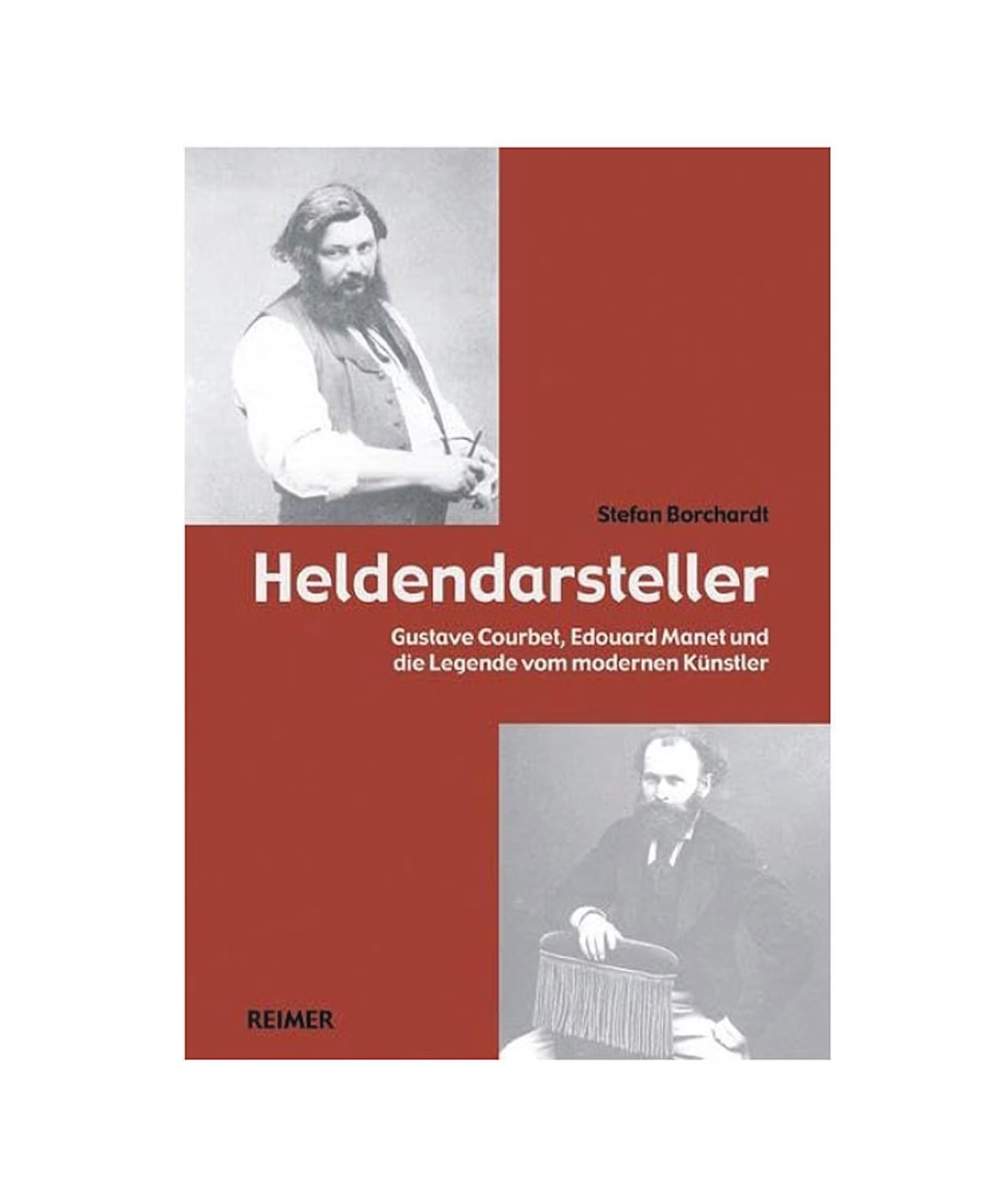
Heldendarsteller. Gustave Courbet, Édouard Manet und die Legende vom modernen Künstler (2007, in German) by Stefan Borchardt
“The book challenges the traditional ‘legend’ of the Modern artist and analyses how artists became cultural heroes. Borchardt examines how Courbet and Manet became symbolic figures of Modern art and demonstrates that their fame was not based solely on their art but also on their public self-presentation and subsequent interpretation by art historians.”
• I, Gustave Courbet: Painter and Rebel, Museum Folkwang, Essen, 17 July-8 November
