






Artist Gao Zhen, who was detained in China in 2024 on “suspicion of slandering China’s heroes and martyrs” over a satirical sculpture of Mao Zedong, has been sentenced to a maximum of three years in prison, rights groups say.
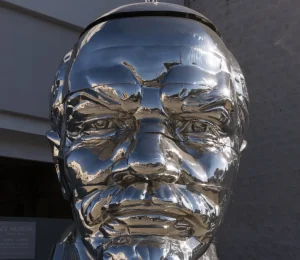
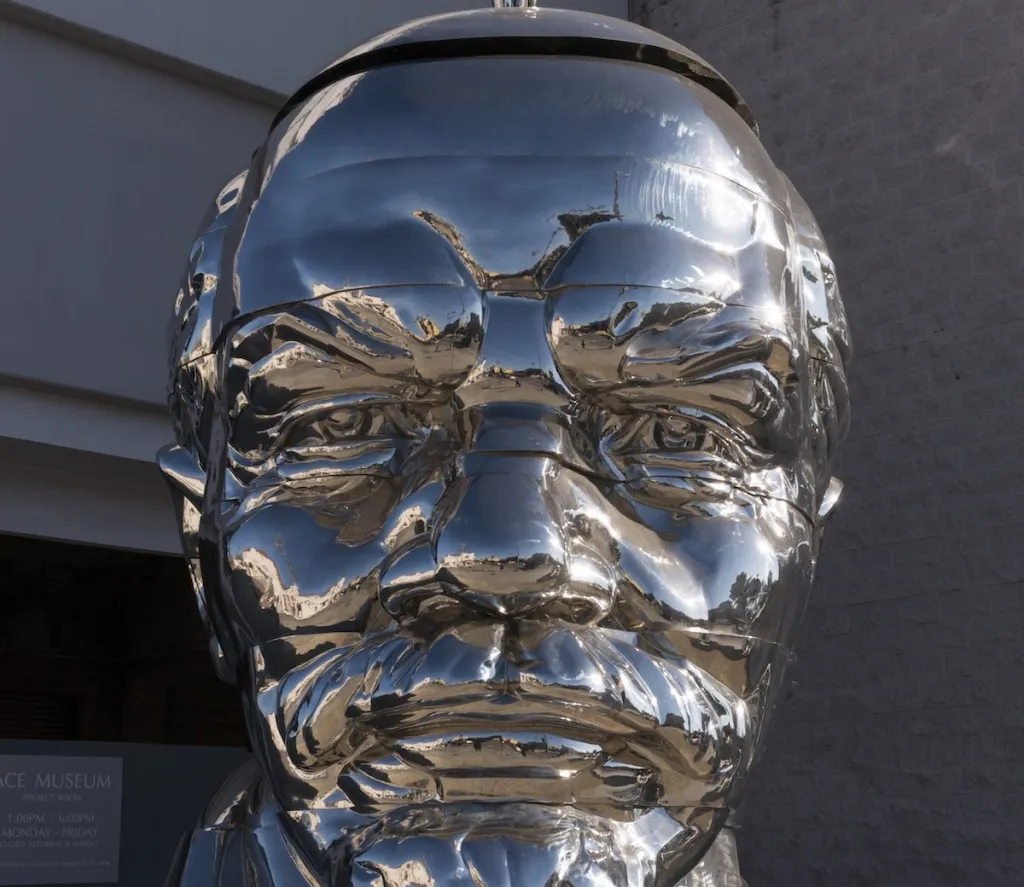
The BBC reported yesterday that a court in Hebei province ruled on Tuesday that Gao Zhen’s artwork “infringes upon the hero’s reputation and harms the public interest.” The 70-year-old artist is known for a dissident oeuvre that targets the Chinese Communist Party. One of his most famous works, produced with his key collaborator and brother Gao Qiang, is a sculpture comprising figures resembling Mao holding Jesus Christ at gunpoint. The work, titled Execution of Christ (2009), was cited in the court case against Gao Zhen, along with Mao’s Guilt (2009), a life-size replica of the late leader kneeling in contrition, and the monumental Miss Mao (2006–09), which depicts him with breasts and a Pinocchio-like nose while making a grotesque expression.
Gao was arrested by Chinese authorities at his studio outside Beijing during a visit in 2024. (He had been living in the United States since 2022.) The defamation law he is accused of violating was a new iteration of a 2018 law that has been central to President Xi Jinping’s long-running campaign against criticism of the Communist Party. Around 118 of Gao’s artworks were seized from his studio at the time of his arrest. As Human Rights Watch noted, the contested works were created between 2005 and 2009—before Xi took office in 2013 and well before the laws cited in the case were enacted in 2018 and 2021.
Gao’s trial took place in one day behind closed doors. It received minimal media coverage in China. Amnesty International said in a statement on Tuesday that Gao plans to appeal the conviction.
“No artist should face criminal punishment for creating work that challenges official narratives or encourages critical reflection on history,” Amnesty International’s China director Sarah Brooks said. “This trial demonstrates how broadly worded and politically motivated laws are used—and, worse, in this case, used retroactively—to silence artists, activists and other individuals who dare to express views that differ from those of the Chinese government.”


