

Close Menu
  • News
  • Stocks
  • Bonds
  • Commodities
  • Collectables
    • Art
    • Classic Cars
    • Whiskey
    • Wine
  • Trading
  • Alternative Investment
  • Markets
  • More
    • Economy
    • Money
    • Business
    • Personal Finance
    • Investing
    • Financial Planning
    • ETFs
    • Equities
    • Funds

Subscribe to Updates

Get the latest markets and assets news and updates directly to your inbox.

Trending Now

Prestige cuvées, but not Champagne – the super premium end of English sparkling wines

August 4, 2026

Gagosian Gives Up London and Basel Spaces as Mega-Galleries Rethink Their Footprints

August 4, 2026

Met Museum Quietly Hangs a Leonardo da Vinci Painting, On Loan from Ken Griffin: ‘A Little Picture, Of Large-Scale Importance’

August 4, 2026
Facebook X (Twitter) Instagram
The Asset ObserverThe Asset Observer
Newsletter
LIVE MARKET DATA
  • News
  • Stocks
  • Bonds
  • Commodities
  • Collectables
    • Art
    • Classic Cars
    • Whiskey
    • Wine
  • Trading
  • Alternative Investment
  • Markets
  • More
    • Economy
    • Money
    • Business
    • Personal Finance
    • Investing
    • Financial Planning
    • ETFs
    • Equities
    • Funds
The Asset ObserverThe Asset Observer
Home»Art Market
Art Market

Congress Moves to Expand Holocaust Art Restitution Claims

News RoomBy News RoomMarch 18, 2026
Share
Facebook Twitter LinkedIn Pinterest Email

Congress has moved to give new life to a law meant to help families recover art stolen during the Holocaust, while at the same time reopening a long-running battle between heirs and the institutions that still hold those works.

The US House of Representatives on Monday approved an extension of the Holocaust Expropriated Art Recovery (HEAR) Act, a 2016 law designed to make it easier for victims’ descendants to bring restitution claims decades after the fact. The measure, according to the New York Times, which had already passed the Senate unanimously, now heads to President Donald Trump’s desk.

At its core, the change is about time. The original law gave heirs up to six years to file a claim after identifying a looted work, sidestepping the usual statute-of-limitations arguments that museums have often used to block cases. But courts have still, at times, leaned on the passage of decades to dismiss claims, arguing that it leaves current owners unable to mount a fair defense.

The new bill tries to close that door. It would limit the ability of museums and other holders to rely on time-based defenses, effectively pushing more cases to be decided on their merits rather than procedural grounds.

Supporters say that’s long overdue. Lawmakers backing the bill argue that some institutions have spent years entrenching and litigating to retain works that were taken under duress. Meanwhile advocacy groups say the existing system still tilts too heavily in favor of current owners.

Museums, not surprisingly, see it differently. The Association of Art Museum Directors supported extending the law, albeit a different version. Its representatives warn that stripping away certain defenses could upend basic legal principles and strain relationships with foreign governments, particularly in cases involving state-owned collections.

International cases are more complicated. The legislation also takes aim at sovereign immunity, the doctrine that generally shields foreign governments from being sued in U.S. courts. Under the new language, Nazi-era seizures would explicitly count as violations of international law, potentially allowing more cases against foreign institutions to move forward.

That shift could reopen disputes that had seemed settled. One often-cited example is the Guelph Treasure, a cache of medieval artifacts sold in 1935 under pressure from the Nazi regime. U.S. courts previously declined to hear the case, but the new bill could change how similar claims are treated going forward.

Foreign governments are watching closely. German officials, while affirming their commitment to restitution, have raised concerns about eroding sovereign immunity and argue that such claims should be handled within national legal systems. French entities have expressed similar unease about U.S. courts overriding existing frameworks.

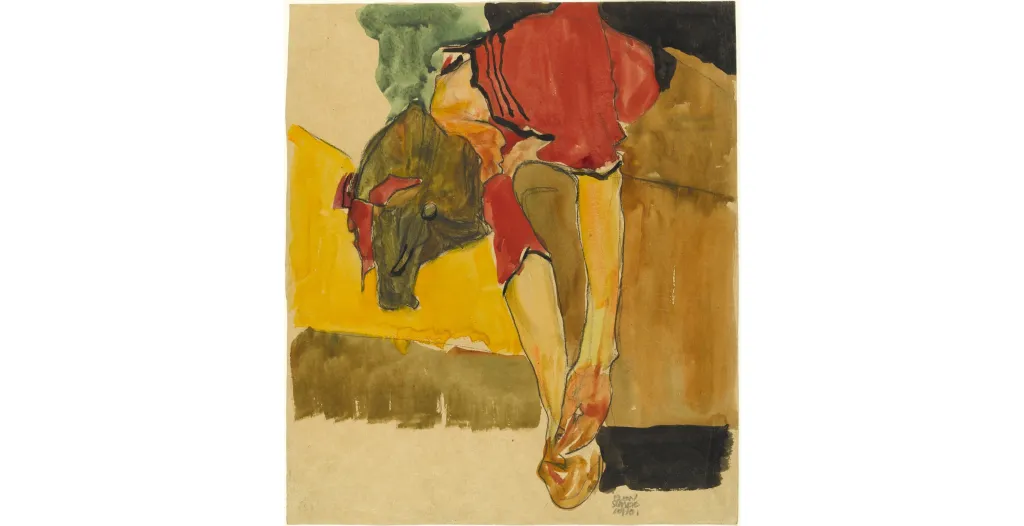
For claimants, though, the stakes are immediate. Lawyers representing heirs in ongoing cases, like those seeking the return of Egon Schiele works tied to the collection of the cabaret artist Fritz Grünbaum, say the changes could prove decisive, particularly in cases where foreign museums have relied on immunity defenses.

Even then, the law won’t resolve everything. In many disputes, the facts themselves remain contested: whether a sale was forced, whether ownership can be clearly established, whether enough evidence survives. What the bill does is shift the battleground, from procedural barriers to the underlying questions.

Share. Facebook Twitter Pinterest LinkedIn Tumblr Email

Keep Reading

Gagosian Gives Up London and Basel Spaces as Mega-Galleries Rethink Their Footprints

Met Museum Quietly Hangs a Leonardo da Vinci Painting, On Loan from Ken Griffin: ‘A Little Picture, Of Large-Scale Importance’

Top 200 Collectors Clara Wu Tsai and Joseph Tsai to Divorce After Nearly 30 Years

Francisco Correa Cordero, Founder of Closely Watched New York Gallery Lubov, Dies

The World’s Largest Painting Sold for $62 M. in 2021 to Benefit Children’s Charities, But They Have Yet to Receive Any Funds

Met Museum Consulted With Jewish Leaders Over Exhibition for Controversial Fashion Designer John Galliano

Petition Demands ‘Faithful’ Restoration of Glasgow’s Fire-Gutted Mackintosh Building

White House Proposes Smallest Smithsonian Budget in Years and Cutting Full-Time Staff by 6 Percent

5 Standout Shows to See at Small Galleries This August

Recent Posts
  • Prestige cuvées, but not Champagne – the super premium end of English sparkling wines
  • Gagosian Gives Up London and Basel Spaces as Mega-Galleries Rethink Their Footprints
  • Met Museum Quietly Hangs a Leonardo da Vinci Painting, On Loan from Ken Griffin: ‘A Little Picture, Of Large-Scale Importance’
  • Top 200 Collectors Clara Wu Tsai and Joseph Tsai to Divorce After Nearly 30 Years
  • Francisco Correa Cordero, Founder of Closely Watched New York Gallery Lubov, Dies

Subscribe to Newsletter

Get the latest markets and assets news and updates directly to your inbox.

Editors Picks

Gagosian Gives Up London and Basel Spaces as Mega-Galleries Rethink Their Footprints

August 4, 2026

Met Museum Quietly Hangs a Leonardo da Vinci Painting, On Loan from Ken Griffin: ‘A Little Picture, Of Large-Scale Importance’

August 4, 2026

Top 200 Collectors Clara Wu Tsai and Joseph Tsai to Divorce After Nearly 30 Years

August 4, 2026

Francisco Correa Cordero, Founder of Closely Watched New York Gallery Lubov, Dies

August 3, 2026

The World’s Largest Painting Sold for $62 M. in 2021 to Benefit Children’s Charities, But They Have Yet to Receive Any Funds

August 3, 2026
Facebook X (Twitter) Instagram
© 2026 The Asset Observer. All Rights Reserved.
  • Privacy Policy
  • Terms
  • Press Release
  • Advertise
  • Contact

Type above and press Enter to search. Press Esc to cancel.