


The scourge of war always outlasts the fighting. Last month I wrote about the international rule prohibiting attacks on cultural heritage sites, a rule which unfortunately includes an exception for military necessity. Attempts have been made to shelter sites with absolute immunity, but with mixed results.
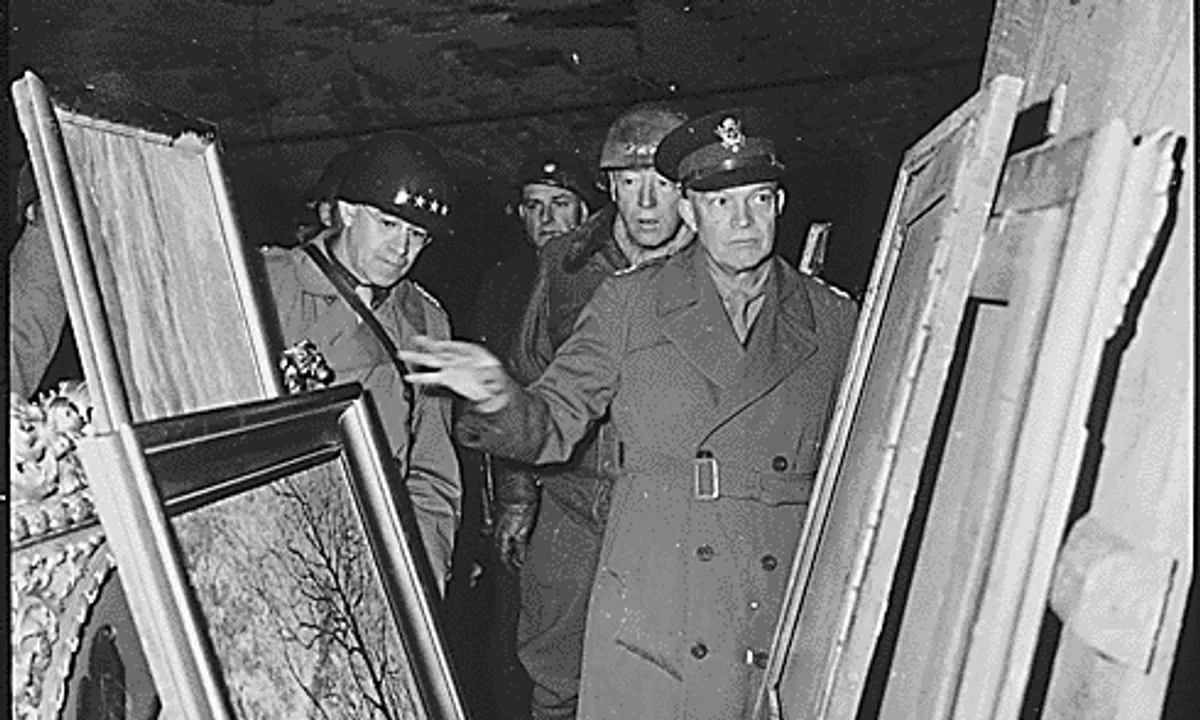
Now comes the question of movable goods taken out of conflict zones: the perennial problem of war loot. The Hague Convention of 1954 discussed last month ensures that countries prevent theft and pillage of cultural property during armed conflict, while a protocol to that convention prevents the export of such material, requiring other countries to seize unlawful exports and repatriate them at the end of hostilities.
Around 110 countries have signed this protocol, and many have specific laws to forbid the import or trade in material coming from war zones. These include important market countries like the UK, France and the Netherlands, and while the US has not signed the protocol, its cultural property laws do offer some protection against the illicit trade in such material. The problem is that the protocol is limited to situations of ‘occupation’ and therefore the arguably greater risk of looting in the chaos of war beyond formal occupation is left unaddressed.
UN Security Council Resolutions require specific restrictions for unlawfully removed cultural property from Iraq and Syria, due to past wars there. Unfortunately, no consensus was found for similar resolutions specific to cultural property from Afghanistan, Libya, Ukraine, Lebanon, Yemen, Sudan… and now Iran.
The legal status of art during war
Experts usually say there is a delay of several years between conflict in a country and looted objects from that country entering the art market—and most often on the “grey” market, which sits between the black market and the legitimate market: online sales via closed networks, for example. The delay is due to the many hands through which such objects often transit, as well as a cynical recognition on the part of unscrupulous actors that vigilance and public awareness regarding armed conflicts will often drop over time.
For all the naysaying about EU Regulation 2019/880 on importing cultural goods—and I have joined the chorus on occasion—it does at least provide checkpoints and a general prohibition on introducing goods removed unlawfully from their place of origin to the EU. The initial purpose of the regulation was entirely noble: to stop terrorist financing that involved the sale of antiquities from conflict zones, a direct response to the nefarious activities of Isis in Iraq and Syria. But as is often the case, the law morphed into something bigger and altogether quite different, extending its scope well beyond conflict antiquities.
The EU regulation is nevertheless here to stay, so we better get used to it. We can also applaud the fact that cultural goods coming from war zones are now formally restricted from entering the EU art market. This aligns with the original goal of the regulation. Had the EU stuck to this original mission, the regulation might have had a warmer reception from the market.
Beyond legal regulations, and regardless of the country, due diligence today requires that anyone trading in or buying artefacts be alert to the risk of acquiring conflict goods. The Art Loss Register can be checked in case the goods have been registered as stolen from a museum or private residence. For freshly excavated antiquities, it’s harder to know, but Icom has published more than 20 Red Lists covering countries and regions that have been prone to looting, including several afflicted by wars—though nothing yet on Iran.
These days, there is no excuse for avoiding the moral obligation to check provenance, even if the legal obligation is not always what it should be.
