


A previously undisclosed contract governing the fundraising for President Donald Trump’s planned White House ballroom shields donor identities and omits key conflict-of-interest protections, according to documents obtained by the Washington Post after a court order forced their release.
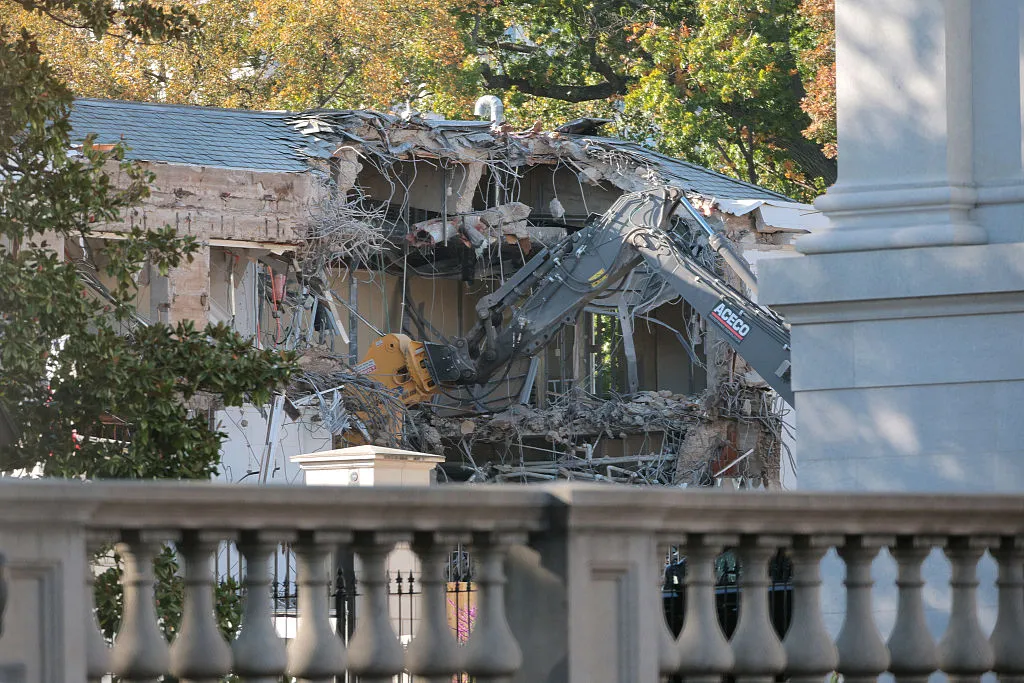
The agreement, signed in early October between the White House, the National Park Service, and the Trust for the National Mall, sets the legal framework for what Trump has described as a roughly $400 million project—one of the most significant physical changes to the executive residence in decades. Demolition of the East Wing began less than two weeks after the contract was finalized.
The contract allows donors to give anonymously and does not require conflict-of-interest review for the White House or the broader executive branch, even as it applies such scrutiny to the Park Service and the nonprofit managing the funds. Critics say the donation structure opens the door for companies or individuals with business before the federal government to contribute to the project without public disclosure.
The document was released only after Public Citizen, a watchdog group, sued to obtain it. A federal judge ordered its disclosure after the administration failed to respond to a public records request.
White House officials defended the arrangement, arguing that donor anonymity is standard practice for major projects and that using private funds spares taxpayers. The administration has said it has raised about $300 million so far but has not disclosed a full list of contributors.
Some known donors, including major corporations with federal contracts, have been identified through other disclosures, though the contract explicitly restricts the release of names for those who request anonymity.
Ethics experts and lawmakers have raised concerns that the structure could limit congressional oversight. The contract’s design, one legal scholar told the Post, could allow the White House to block inquiries into the project’s funding by citing donor confidentiality.
Democratic lawmakers, including senators Elizabeth Warren and Richard Blumenthal, have pressed for more transparency, introducing legislation that would ban anonymous donations for projects on White House grounds.
The legal fight over the ballroom is ongoing. In an “emphatically” written decision, a federal judge last month ordered construction halted until Congress authorizes the project, though an appeals court has allowed work to continue while the case proceeds.
